
📊 Full opportunity report: Acoustic Dampening, Placement, and the “Rig in the Closet” Setup on ThorstenMeyerAI.com — validation score, market gap, and execution plan.

Get the little things that make your day delivered free — and shop member deals
- Fast, free delivery on millions of items
- Access to Prime Big Deal Days deals on October 6–7
- Prime Video, Amazon Music and more included
TL;DR
Moving your high-powered rig into a closet significantly reduces noise and reflections. Proper placement, sealing gaps, and ventilation are key to creating a controlled, safe environment.
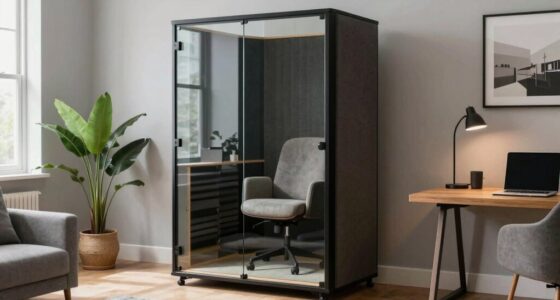
Moving a high-power computer rig into a closet or small room is the most effective way to reduce noise and reflections, according to recent expert guidance. Proper placement, sealing gaps, and managing heat are essential to creating a quiet, safe workspace, especially for voice recording or AI processing setups.
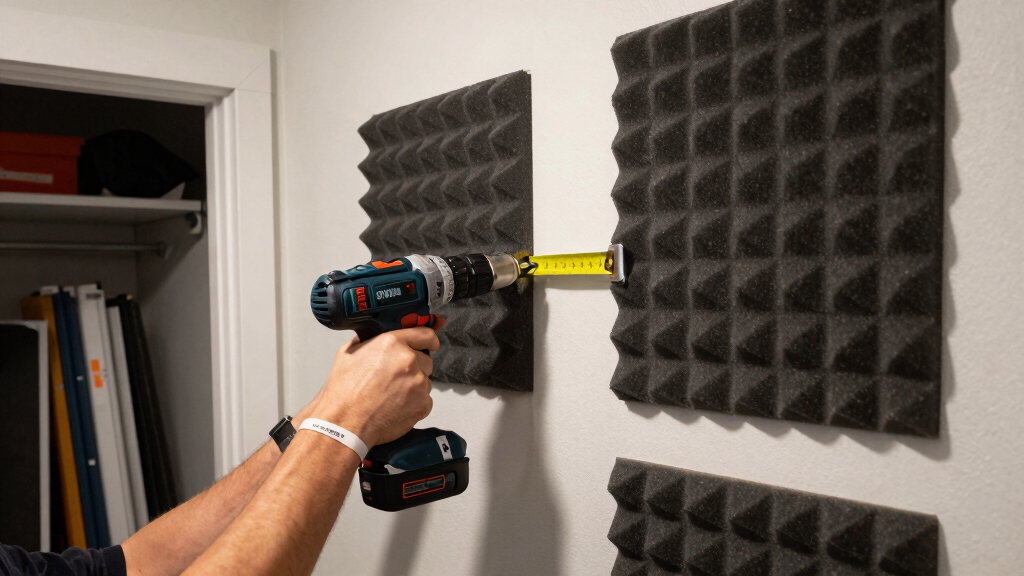
Experts emphasize that relocating a rig into a closet drastically cuts noise levels and internal reflections more than foam treatments alone. The key is strategic placement: position microphones away from reflective surfaces, treat reflection points behind the mic, side walls, and ceiling with absorption materials, and seal gaps around doors and walls to prevent sound leaks. Using DIY materials like blankets, rugs, and foam can be effective if placed thoughtfully.
Heat management is critical when placing high-power rigs in enclosed spaces. Proper ventilation, such as exhaust fans or ducted airflow, prevents overheating. A combination of intake and exhaust fans, along with temperature control devices, helps maintain safe operating temperatures without compromising sound dampening. The setup often involves balancing soundproofing and heat dissipation to avoid hardware damage and ensure quiet operation.
Acoustic dampening
& the rig in the closet.
The most powerful noise fix isn’t a material — it’s a floor plan. A rig you can’t hear because it’s in another room beats any amount of foam. Tap the approaches in Part 1 to see what actually works.
(another room)
(levers 1–4)
(door / barrier)
(acoustic foam)
Contain the noise, not the heat
Why Proper Setup Is Crucial for Quiet, Safe Rigs
This guidance is vital for anyone using high-powered computers or AI rigs in small spaces, as it improves sound quality, prevents hardware overheating, and creates a more professional and manageable workspace. Correct placement and treatment can significantly enhance audio clarity and reduce noise complaints, especially in shared environments or home offices.soundproofing foam panels for home studio
As an affiliate, we earn on qualifying purchases.
As an affiliate, we earn on qualifying purchases.
Current Best Practices for Closet Rig Setups
Traditionally, many enthusiasts and professionals have used small rooms or closets to house noisy equipment, but this often led to echo, heat buildup, and sound leakage. Recent expert advice consolidates practical methods for mitigating these issues through targeted acoustic treatment, strategic placement, and ventilation solutions. These approaches build on previous knowledge but emphasize the importance of sealing gaps and managing heat for safety and performance."Moving your rig into a closet can drastically reduce noise and reflections, but proper placement and ventilation are essential to avoid overheating and sound leaks."
— Thorsten Meyer, acoustic expert
quiet ventilation fan for computer closet
As an affiliate, we earn on qualifying purchases.
As an affiliate, we earn on qualifying purchases.
Unresolved Questions About Long-Term Use and Effectiveness
While these strategies are proven effective in reducing noise and managing heat, long-term durability of DIY materials and the optimal balance between sound dampening and natural acoustics remain areas for further testing. Specific performance metrics for different room sizes and equipment types are still being developed, and individual results may vary based on room geometry and material quality.
acoustic dampening blankets for soundproofing
As an affiliate, we earn on qualifying purchases.
As an affiliate, we earn on qualifying purchases.
Next Steps for Optimizing Closet Rig Setups
Further research and user testing are expected to refine best practices, especially regarding ventilation solutions and material choices. Manufacturers may also develop specialized enclosures or modular acoustic panels designed for small spaces. Users should monitor hardware temperatures and sound quality over time, adjusting placement and materials as needed to optimize performance and safety.
high airflow exhaust fan for server closet
As an affiliate, we earn on qualifying purchases.
As an affiliate, we earn on qualifying purchases.
Key Questions
Can I completely soundproof my closet rig?
Full soundproofing is difficult in small spaces without extensive construction. The focus should be on dampening reflections and sealing gaps to reduce noise leakage rather than complete soundproofing.
What materials are best for acoustic treatment in a closet?
Thick foam panels, moving blankets, rugs, and bass traps are effective. Covering about 20-30% of the walls, especially reflection points and corners, provides good results.
How do I prevent overheating in a closet setup?
Install ventilation such as exhaust fans or ducted airflow. Use temperature monitoring and consider cooling solutions like liquid coolers or ducted fans to maintain safe operating temperatures.
Is sealing gaps enough to eliminate noise leaks?
Sealing gaps significantly reduces noise leaks, but combining sealing with acoustic treatment provides the best overall sound control.
How do I balance sound dampening with natural acoustics?
Use targeted placement of absorption materials at reflection points without over-treating the entire space, maintaining a natural sound environment while reducing echoes.
Source: ThorstenMeyerAI.com
Fall Picks
fall essentials
As an affiliate, we earn on qualifying purchases.