
📊 Full opportunity report: Build vs Buy a Prebuilt AI Workstation on ThorstenMeyerAI.com — validation score, market gap, and execution plan.

Get the little things that make your day delivered free with Prime
- Fast, free delivery on millions of items
- Prime Video, Amazon Music and more included
- Member-only deals all year
TL;DR
In 2026, prebuilt AI workstations often match or surpass DIY costs due to shortages and bulk buying. They offer faster deployment and reliability, while building provides more control. A hybrid approach may be optimal.
In 2026, prebuilt AI workstations now often match or beat the cost of building your own, driven by global chip shortages and price spikes. These systems offer rapid deployment, validated hardware, and comprehensive support, making them attractive for many users. The decision to build or buy is now more nuanced, depending on priorities like speed, control, and long-term ownership.
Recent market conditions have shifted the economics of AI workstation procurement, as detailed in the original analysis. Vendors like Lambda and Puget now leverage bulk buying to offer prebuilt systems that are competitively priced with DIY options, sometimes even cheaper when factoring in hidden costs. These prebuilt systems arrive ready-to-use, with optimized cooling, pre-installed software, and validated hardware, reducing setup time and operational risk.
Building your own system remains an option for those requiring granular control over hardware and software configurations. For a detailed comparison, see Build vs Buy a Prebuilt AI Workstation. However, it demands significant time investment, technical expertise, and ongoing management, which can lead to hidden costs in troubleshooting, upgrades, and maintenance. Deployment timelines for DIY setups can extend to several weeks or months, whereas prebuilt solutions typically arrive within 1–2 weeks, enabling faster project starts.
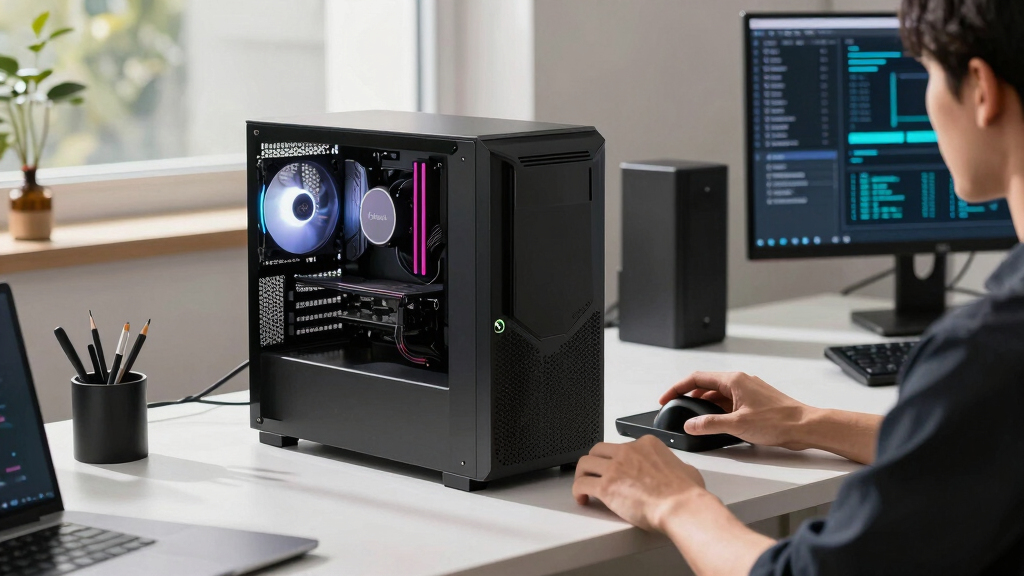
Build vs buy
an AI workstation.
The real question behind this whole series: do you pull the five heat-and-noise levers yourself, or buy a prebuilt where the vendor pulled them for you? And in 2026, the old “building is cheaper” rule has broken. Match your situation in Part 3.
Implications of the 2026 Market Shift for AI Developers
This shift means organizations can now prioritize speed and reliability without necessarily incurring higher costs. Prebuilt systems reduce operational risks and free up technical resources, making them suitable for fast-paced environments. Conversely, those needing customized hardware or specific security features may still prefer building, despite longer timelines and potential hidden costs. The choice impacts project timelines, operational efficiency, and long-term ownership, influencing strategic planning for AI initiatives.As an affiliate, we earn on qualifying purchases.
Market Conditions and Trends Shaping the Build vs Buy Choice
Historically, building an AI workstation was cheaper but time-consuming, with DIY costs around $1,000. In 2026, global chip shortages and inflation have increased component prices, making DIY builds more expensive and less predictable. Meanwhile, vendors have optimized supply chains and bulk purchasing to offer prebuilt systems that often match or beat DIY prices, with added benefits like warranties and support. The market has shifted toward a more balanced view, emphasizing total cost of ownership and deployment speed rather than just initial hardware costs."Our prebuilt systems are tested extensively for thermals and noise, ensuring reliability right out of the box, saving clients time and reducing risk."
— A vendor representative from Lambda
As an affiliate, we earn on qualifying purchases.
Remaining Questions About Long-Term Reliability and Costs
It is still unclear how the long-term costs of prebuilt systems compare to custom builds, especially regarding hardware upgrades, support costs, and evolving software requirements. Market volatility could also impact prices and availability further, making future cost projections uncertain.
As an affiliate, we earn on qualifying purchases.
Future Trends in AI Workstation Procurement and Support
In the coming months, expect further developments in hybrid models combining prebuilt reliability with customizable components. Vendors may also expand support services and flexible upgrade options, influencing long-term ownership strategies. Monitoring market prices, component availability, and vendor support offerings will be crucial for organizations planning their AI infrastructure.
As an affiliate, we earn on qualifying purchases.
Key Questions
Is it more cost-effective to build or buy an AI workstation in 2026?
It depends on your priorities. Prebuilt systems often match or beat DIY costs due to bulk buying, especially when factoring in hidden expenses like troubleshooting and support. For maximum control, building may still be preferable, but it requires more time and expertise.
How long does it typically take to deploy a prebuilt AI workstation?
Most prebuilt systems can be delivered and set up within 1–2 weeks, enabling faster project start times compared to DIY builds, which can take several weeks or longer. Learn more about the considerations in the original analysis.
What are the main advantages of prebuilt AI workstations?
They offer validated hardware, optimized cooling, pre-installed software, warranties, and support, reducing setup time and operational risks.
Can I customize a prebuilt AI workstation?
Some vendors offer configurable options, but generally, prebuilt systems are limited to factory configurations. For full customization, building your own remains the best option.
What should I consider when choosing between build and buy?
Consider deployment speed, control over hardware and software, long-term costs, expertise, and support needs. The right choice varies based on organizational priorities and project timelines.
Source: ThorstenMeyerAI.com
Halloween Picks
halloween
As an affiliate, we earn on qualifying purchases.