

If you’re feeling overwhelmed by climate concerns, know that eco-anxiety is a common reaction impacting emotional and physical health. Recognize signs like irritability, trouble sleeping, or hopelessness, and accept your feelings without judgment. You can manage this stress by limiting distressing news, engaging in self-care, and building support networks. Developing resilience through mindful actions and community involvement helps you regain a sense of control. If you stay attentive, you’ll discover effective ways to cope and strengthen your wellbeing.
Key Takeaways
- Recognize and accept your feelings about climate change to reduce emotional overwhelm and foster resilience.
- Limit exposure to distressing climate news and set boundaries to manage anxiety levels.
- Engage in mindfulness, exercise, or hobbies to shift focus and alleviate eco-anxiety symptoms.
- Build supportive networks through local groups or online communities to share experiences and gain emotional comfort.
- Take proactive actions like reducing your carbon footprint to restore a sense of control and purpose.
Understanding Eco-Anxiety: Signs and Symptoms

Eco-anxiety manifests through a range of emotional, physical, and behavioral signs that indicate you’re experiencing chronic worry about environmental issues. You might feel irritable, restless, or overwhelmed, often dwelling on climate fears. Sleeplessness is common, making it hard to rest or concentrate, and panic attacks can occur unexpectedly. Physically, you may experience muscle tension, headaches, or loss of appetite, which can worsen existing health issues. Emotionally, feelings of hopelessness, helplessness, and despair often take hold, along with avoidance of climate topics to reduce distress. You might also notice a sense of powerlessness or frustration, struggling to find effective ways to respond. Recognizing these signs is essential for understanding your experience and seeking appropriate support or coping mechanisms. Incorporating AI-powered data analytics can help monitor mental health trends related to eco-anxiety, providing insights for targeted interventions.
Emotional and Physical Dimensions of Climate Worry

The emotional and physical toll of climate worry can be profound, affecting both how you feel and how your body responds. You might experience intense feelings of hopelessness, frustration, or sadness, which can drain your mental resilience. Physically, eco-anxiety can trigger symptoms like muscle tension, headaches, or difficulty breathing, making you feel restless or exhausted. Sleepless nights are common, as persistent worry disrupts your sleep patterns, leaving you fatigued during the day. These physical responses often amplify emotional distress, creating a cycle of tension and fatigue. Over time, if left unmanaged, this stress can worsen existing health issues or lead to new symptoms. Recognizing these signs is vital to addressing your climate-related worries effectively and maintaining your overall well-being. Incorporating stress management techniques can help mitigate some of these physical and emotional impacts.
Factors That Contribute to Eco-Anxiety

Your exposure to climate-related trauma, like extreme weather or displacement, can heighten eco-anxiety. Additionally, cultural and societal influences shape how strongly you experience worries about the environment. These factors together determine how vulnerable you are to feeling overwhelmed by climate concerns. Incorporating home decoration inspiration that emphasizes eco-friendly and sustainable designs can also influence your emotional response to climate issues.
Climate Exposure and Trauma
Exposure to climate-related trauma profoundly heightens eco-anxiety, as experiencing extreme weather events, displacement, or injury directly confronts you with environmental crises. When you witness floods, wildfires, or hurricanes, it’s impossible to ignore the severity of climate change. These traumatic events may leave you feeling overwhelmed, helpless, or fearful about the future. Displacement due to rising sea levels or destructive storms can intensify feelings of loss and instability. Personal injuries or property damage remind you of the tangible impacts of environmental disasters. Such direct exposure creates a sense of vulnerability and amplifies worries about your safety and the planet’s health. Over time, these experiences can deepen feelings of despair, fueling your eco-anxiety and making it harder to find hope or take effective action. Recognizing the importance of essential oils for mental health can offer a soothing way to manage stress and anxiety during these challenging times.
Cultural and Societal Factors
Cultural and societal factors play a significant role in shaping eco-anxiety levels across different communities. Your environment, cultural beliefs, and societal norms influence how you perceive and respond to climate threats. For example, communities with strong environmental stewardship may experience higher concern, while others may feel helpless or dismissive. Societal narratives can amplify fears or foster resilience. Below is a table highlighting how societal influences impact eco-anxiety:
| Factor | Effect |
|---|---|
| Media Coverage | Heightens awareness, increasing fear |
| Political Climate | Shapes trust in climate action or denial |
| Cultural Values | Determines personal responsibility and guilt |
| Education Level | Affects understanding and emotional response |
| Community Support | Mitigates feelings of isolation and helplessness |
Additionally, understanding the interior design principles that create a calming and comforting environment can help individuals manage eco-anxiety by fostering a sense of safety and stability.
Who Is Most Vulnerable to Climate-Related Stress

You’re likely most vulnerable to climate-related stress if you’re a young person worried about the future or part of a community deeply connected to the environment. Indigenous and marginalized groups often face heightened eco-anxiety due to cultural ties and limited resources. These groups are especially at risk because their well-being is closely linked to ecological stability and social support. Additionally, individuals experiencing climate-related distress may find it harder to access mental health resources tailored to their specific needs.
Youth Facing Future Fears
Youth are particularly vulnerable to climate-related stress because their futures seem most threatened by environmental changes. You may worry about the planet’s health and how it will affect your opportunities, safety, and quality of life. This future-focused concern often leads to feelings of helplessness, hopelessness, and anxiety. You might find yourself ruminating on worst-case scenarios or feeling overwhelmed by the scale of climate challenges. Additionally, as you navigate adolescence and young adulthood, you’re developing your identity and independence, which can intensify fears about a destabilized world. The constant exposure to climate news and social media can amplify these worries, making eco-anxiety feel all-consuming. It’s important to recognize these feelings and seek support to manage the emotional toll of facing an uncertain future. Understanding how contrast ratio influences visual perception can help you find ways to create calming environments that reduce stress and promote mental well-being.
Indigenous and Marginalized Groups
Indigenous and marginalized groups often face heightened climate-related stress because their lives and cultures are deeply intertwined with the environment. Their livelihoods depend on natural resources, making climate disruptions more immediate and personal. Loss of land, traditional practices, and access to clean water can trigger powerful feelings of grief, helplessness, and anxiety. These communities frequently have fewer resources to cope with climate impacts or access mental health support. Displacement due to rising sea levels or wildfires amplifies their vulnerability, intensifying eco-anxiety. Cultural disconnection adds emotional weight, as environmental degradation threatens identity and heritage. Because their experiences are shaped by systemic inequalities, addressing eco-anxiety in these groups requires culturally sensitive approaches that recognize their unique risks and resilience. Additionally, implementing vertical storage solutions and other space-maximizing strategies can help communities better organize and preserve their resources amid environmental challenges.
Recognizing the Growing Prevalence of Climate Anxiety
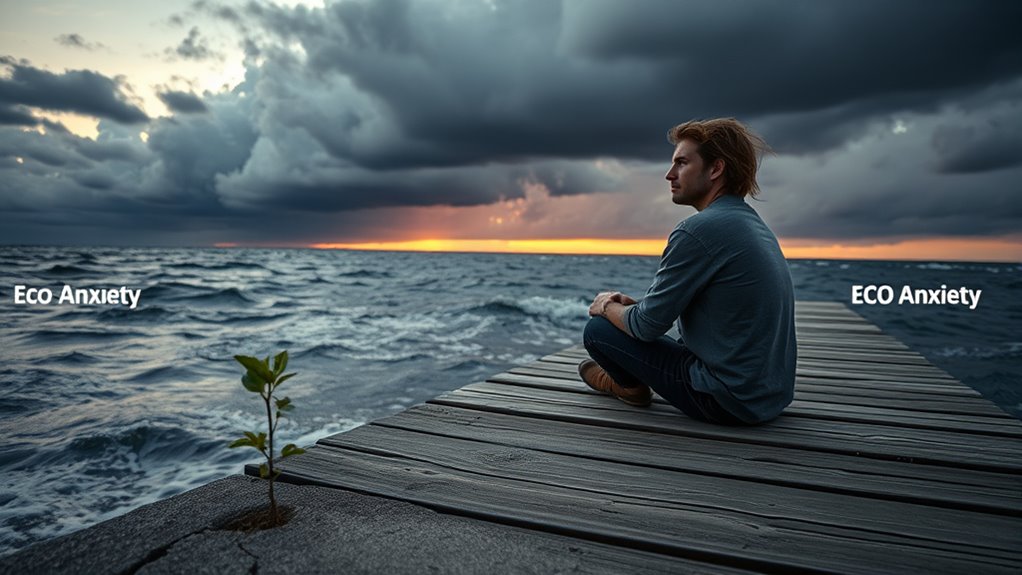
The prevalence of climate anxiety has been steadily increasing, reflecting a growing public awareness and concern about environmental threats. You may notice more people expressing worry about climate change’s impacts, even if they don’t label it as anxiety. Surveys show that about 10% of Americans experience regular anxiety symptoms related to climate issues, with many struggling to control their worries. The number of individuals who avoid thinking about climate change or feel less interested in daily activities has also risen. Over the past two decades, more people identify as “Alarmed,” indicating heightened concern. This trend shows that climate anxiety is becoming more widespread across different age groups, regions, and socio-economic backgrounds, emphasizing the need to recognize and address its increasing presence in society. It is also important to consider how digital literacy can play a role in helping individuals access accurate information and coping resources related to climate concerns.
Strategies for Managing Eco-Anxiety

As awareness of climate anxiety grows, finding effective ways to manage these feelings becomes increasingly important. You can start by acknowledging your emotions without judgment, which helps reduce their power. Limiting exposure to distressing news and setting boundaries around climate information prevents overwhelm. Engaging in activities like mindfulness, exercise, or hobbies shifts focus away from anxiety. Building a support network offers comfort and perspective. Additionally, taking proactive steps—such as reducing your carbon footprint—can foster a sense of control. Here’s a quick overview:
| Strategy | Action | Benefit |
|---|---|---|
| Limit Media Use | Set time limits on climate news | Reduce stress and anxiety |
| Mindfulness | Practice meditation or deep breathing | Calm the mind and body |
| Community Support | Join local environmental groups | Feel connected and empowered |
| Self-Care | Prioritize sleep, nutrition, exercise | Improve overall resilience |
| Action Steps | Volunteer or advocate for change | Turn worry into positive action |
Additionally, understanding the risks associated with new payment technologies in merchant services can help you make informed decisions when adopting new solutions.
The Role of Community and Support Systems
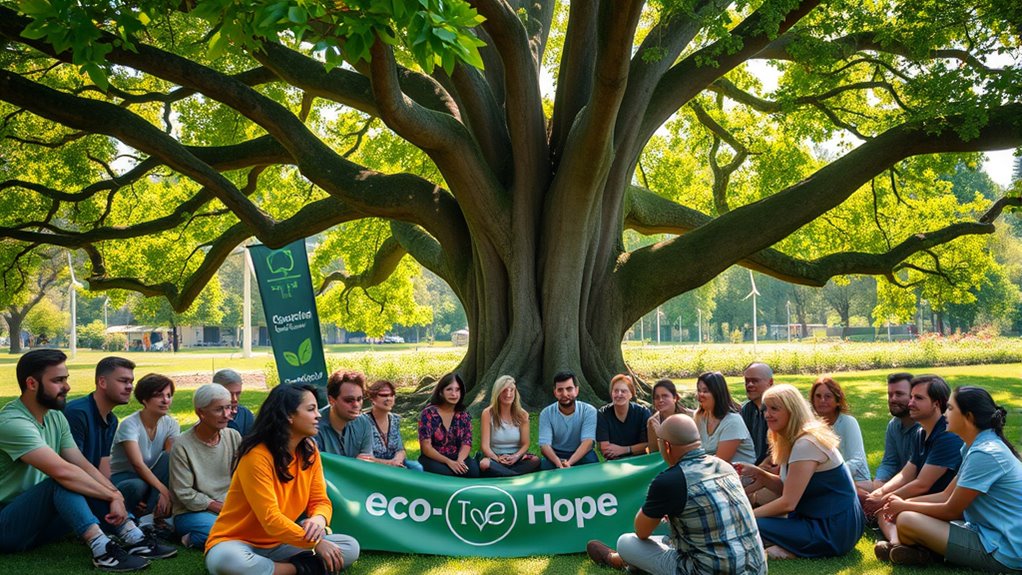
Community and support systems play a crucial role in helping you cope with eco-anxiety by providing emotional reassurance, shared experiences, and practical resources. When you connect with others facing similar concerns, you realize you’re not alone, which reduces feelings of helplessness. Support groups, online forums, and local organizations create safe spaces to express fears and exchange coping strategies. Engaging with trusted networks helps validate your emotions and offers encouragement. Community-led activities, such as environmental projects or awareness campaigns, empower you to take proactive steps, transforming anxiety into action. Access to mental health professionals within your community can provide targeted support. Overall, these systems strengthen your resilience, help manage distress, and foster a sense of collective purpose in addressing climate concerns.
Promoting Resilience in the Face of Climate Concerns

Building resilience in the face of climate concerns involves adopting proactive strategies that empower you to manage eco-anxiety effectively. Focus on setting realistic goals, practicing self-care, and staying informed without becoming overwhelmed. Connecting with nature and engaging in community initiatives can boost your sense of agency. Use the table below to identify actions that foster resilience:
| Action | Benefit |
|---|---|
| Limit climate news intake | Reduce feelings of helplessness |
| Join local environmental groups | Build community support and empowerment |
| Practice mindfulness and meditation | Manage stress and emotional fatigue |
| Volunteer for eco projects | Create tangible positive change |
Supporting Mental Wellbeing Through Awareness and Action

How can you support your mental wellbeing amid climate concerns? Start by staying informed with accurate, balanced information to avoid feeling overwhelmed. Focus on actions you can control, like reducing your carbon footprint or participating in local environmental initiatives. Practice mindfulness and grounding techniques to manage anxiety and stay present. Connect with others who share your concerns; community support offers reassurance and a sense of purpose. Limit exposure to distressing climate news when needed, and balance it with positive stories of environmental progress. Remember, taking proactive steps fosters resilience and reduces helplessness. Seek professional mental health support if eco-anxiety becomes overwhelming. By combining awareness with action, you empower yourself to cope effectively and contribute meaningfully to environmental efforts.
Frequently Asked Questions
How Can Individuals Differentiate Eco-Anxiety From General Anxiety Disorders?
You can tell eco-anxiety apart from general anxiety disorders by noticing its focus on environmental concerns and climate change. Eco-anxiety involves persistent worries about ecological collapse, often linked to specific climate events or future fears. Unlike general anxiety, it’s closely tied to environmental issues, feelings of guilt or helplessness about the planet, and may intensify with exposure to climate news. Recognizing these themes helps differentiate it from broader anxiety disorders.
Are There Specific Therapies Effective for Eco-Anxiety Treatment?
You can try cognitive-behavioral therapy (CBT), which helps you challenge negative thoughts about climate change and develop healthier coping skills. Mindfulness and acceptance-based therapies also work well by encouraging present-moment awareness and reducing feelings of helplessness. Additionally, group therapy or community support can foster connection, giving you a sense of shared purpose. Combining these approaches tailored to eco-anxiety can help you manage your emotions effectively.
What Role Do Policymakers Play in Addressing Eco-Anxiety at Community Levels?
Policymakers are the backbone of community resilience, shaping policies that ease eco-anxiety’s burden. They can foster open dialogue, implement sustainable practices, and guarantee equitable resource distribution, helping communities feel empowered instead of overwhelmed. By taking action, they turn the tide on climate fears, giving people hope amidst chaos. Their leadership can serve as a lighthouse, guiding communities through stormy waters toward a more secure, hopeful future.
Can Eco-Anxiety Motivate Positive Environmental Action?
Yes, eco-anxiety can motivate you to take positive environmental actions. When you feel worried about climate change, it can push you to reduce your carbon footprint, participate in community initiatives, or advocate for policy changes. Channeling your concern into tangible efforts helps you regain a sense of control and purpose. Remember, your proactive steps not only benefit the environment but also boost your mental resilience against eco-anxiety.
How Does Eco-Anxiety Impact Physical Health Long-Term?
Eco-anxiety can take a toll on your physical health over time. You might experience persistent muscle tension, headaches, or sleep problems like insomnia, which affect your overall well-being. Chronic stress from eco-anxiety can weaken your immune system, making you more vulnerable to illness. If you don’t address these feelings, they may lead to fatigue, digestive issues, or exacerbate existing health conditions, impacting your quality of life long-term.
Conclusion
As you navigate eco-anxiety, remember you’re not alone—over 60% of young people report feeling overwhelmed by climate concerns. By recognizing the signs, leaning on support systems, and taking action, you can build resilience and protect your mental health. Small steps, like staying informed and connecting with others, make a difference. Together, you can turn eco-anxiety into motivation, fostering hope and positive change even amidst climate challenges.