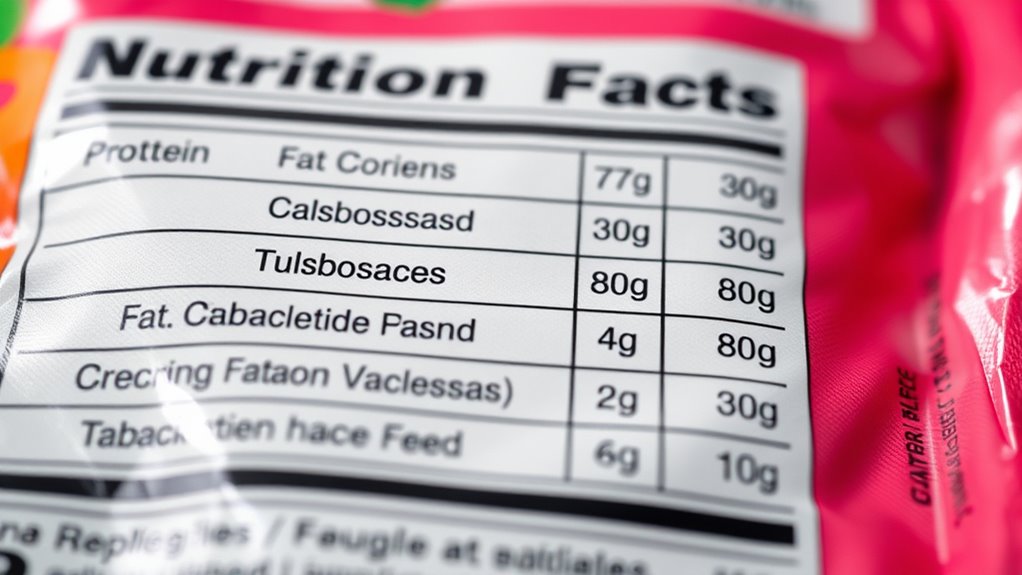

Nutrition labels give you clear, standardized info about what’s in your food, including calories, fats, sugars, protein, vitamins, and minerals. Updated in 2016, they now highlight added sugars and have easier-to-read fonts. Front-of-package labels and color-coded systems help you quickly compare products and spot high-risk ingredients. These labels empower you to make healthier choices, encourage industry reformulation, and support public health. If you want to learn more about decoding these labels, keep exploring how they work.

Get the little things that make your day delivered free — and shop member deals
- Fast, free delivery on millions of items
- Access to Prime Big Deal Days deals on October 6–7
- Prime Video, Amazon Music and more included
Key Takeaways
- Nutrition labels provide standardized info on calories, fats, sugars, protein, vitamins, and minerals to help consumers make healthier choices.
- Updated labels highlight added sugars and use larger fonts for easier reading, especially for older adults.
- Front-of-package labels emphasize key nutrients like sodium and saturated fat for quick comparison.
- Clear disclosure of allergens, including sesame, improves transparency and consumer safety.
- Labels support public health by encouraging industry reformulation and guiding consumers toward healthier dietary habits.
As an affiliate, we earn on qualifying purchases.
The Purpose and Basics of Nutrition Facts Labels
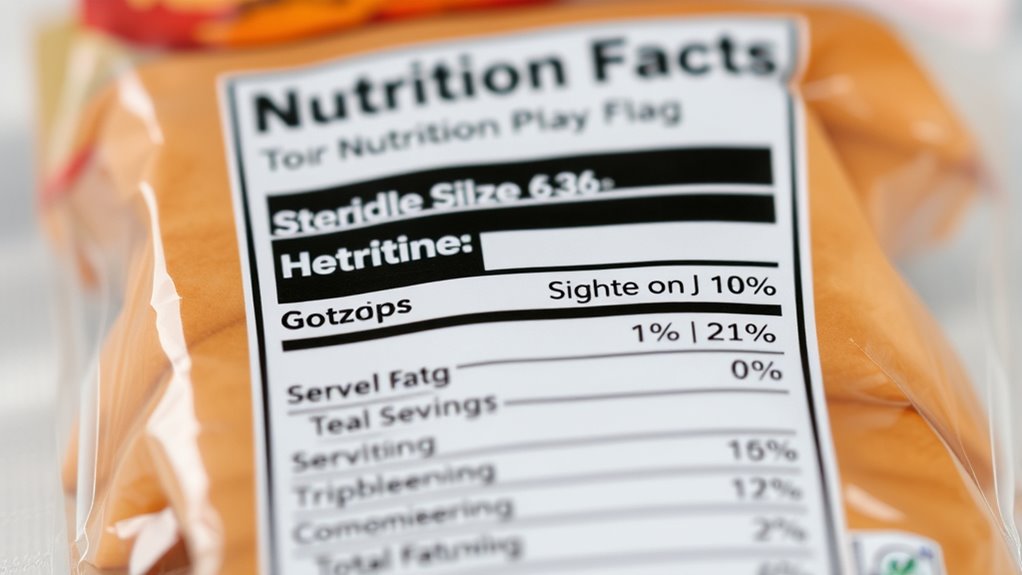
Nutrition Facts labels serve an essential role in helping you make informed food choices by providing clear and standardized information about a product’s nutritional content. They show you key details like calories, fats, cholesterol, sodium, carbohydrates, fiber, sugars, and protein. These labels also include important vitamins and minerals, such as vitamin D and calcium. The goal is to give you a snapshot of what’s inside the package, so you can compare products and choose healthier options. Updated in 2016, the labels now highlight added sugars and make information easier to read. By understanding these labels, you can better manage your diet, control your intake of certain nutrients, and support your overall health. Clear labeling empowers you to make smarter, more informed decisions every time you shop.
As an affiliate, we earn on qualifying purchases.
Key Nutrients and What They Tell You
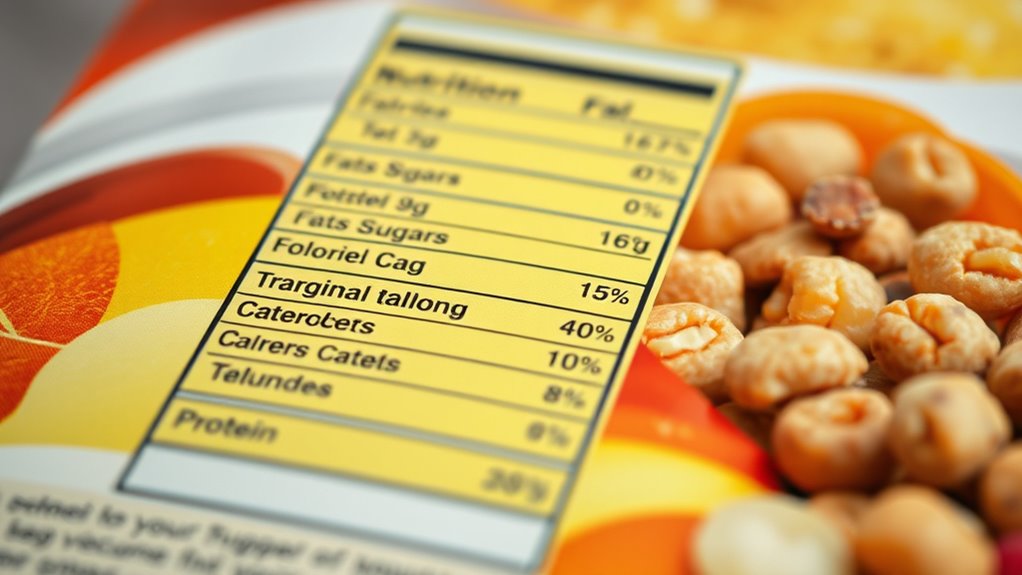
Understanding the key nutrients listed on food labels helps you make informed choices about what you eat. These nutrients reveal the food’s impact on your health and energy levels. Calories tell you how much energy you’ll get; too many can lead to weight gain. Fats provide essential fatty acids but should be balanced, especially saturated and trans fats. Carbohydrates, including sugars and fiber, influence blood sugar and digestion. Protein supports muscle and tissue repair. Vitamins and minerals, like vitamin D and calcium, are crucial for bone health and immune function.
Understanding food labels helps you choose healthier options for better energy and overall well-being.
- Calories indicate energy content and portion size
- Total and saturated fat levels affect heart health
- Sugars and fiber influence blood sugar and digestion
- Vitamins and minerals support overall health
- Sodium impacts blood pressure and fluid balance
front of package nutrition labels
As an affiliate, we earn on qualifying purchases.
As an affiliate, we earn on qualifying purchases.
Recent Updates and Changes in Labeling Regulations
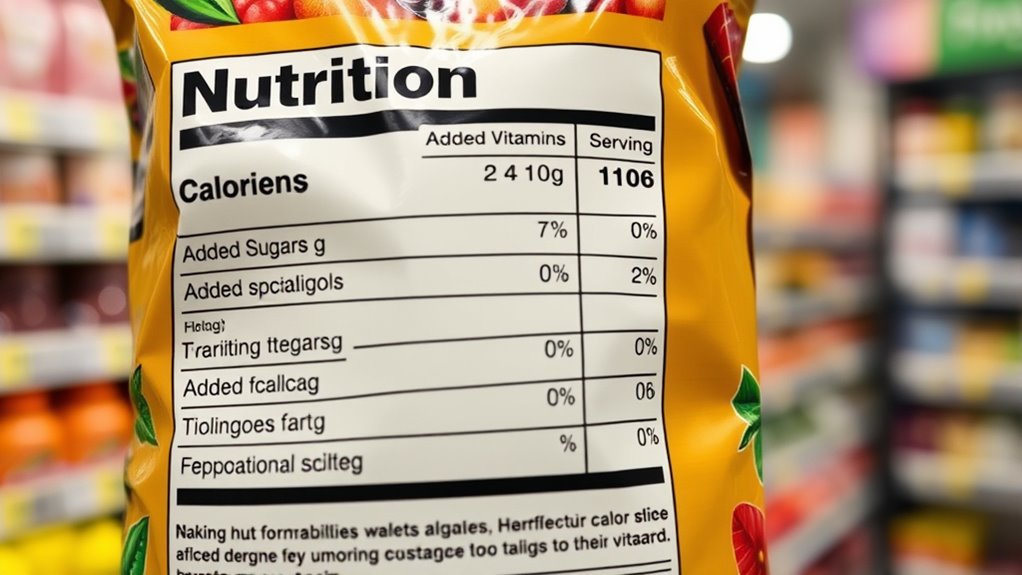
Recent updates to labeling regulations aim to make nutrition information clearer and more accessible. New label requirements now include added sugars and improved formats for readability, helping you make better choices. Additionally, the proposed front-of-package labels will highlight key nutrients like saturated fat, sodium, and added sugars, making it easier to compare products at a glance. These changes also aim to provide transparent information about ingredient transparency, empowering consumers to make informed dietary decisions.
New Label Requirements
Recent changes in labeling regulations aim to help you make healthier food choices by providing clearer, more accurate information. The new label requirements emphasize transparency and simplicity. You’ll notice updated serving sizes that better reflect how people eat today, making calorie and nutrient counts more relevant. Labels now highlight added sugars prominently, helping you identify unhealthy ingredients. Font sizes and formats have been redesigned for easier reading, especially for older adults. Additionally, allergen information is clearer, with major allergens like sesame now required to be disclosed. These updates aim to give you quick, straightforward access to essential nutrition details, supporting informed decisions at a glance.
- Larger, bolder font for calories and key nutrients
- Clearer differentiation between natural and added sugars
- Updated serving sizes based on actual consumption
- Prominent allergen disclosures, including sesame
- Redesigned layout for easier readability
Front-of-Package Proposals
Have you noticed the growing push for front-of-package labels that quickly highlight key nutrients like saturated fat, sodium, and added sugars? The FDA’s proposed rule aims to make these labels clearer and more accessible, helping you make healthier choices at a glance. The new labels will focus on the nutrients you should limit, using simple symbols or icons for quick recognition. Countries like Canada and Mexico already use similar systems, showing international support. Here’s a quick comparison:
| Feature | Current Label | Proposed Front-of-Package Label |
|---|---|---|
| Focus | Nutritional info on back | Highlights key nutrients |
| Format | Detailed, text-heavy | Clear symbols or icons |
| Purpose | Informed decision-making | Quick, visual cues |
This update aims to improve transparency and help you choose healthier foods effortlessly. Incorporating clear visual cues can further enhance understanding and enable faster decision-making.
As an affiliate, we earn on qualifying purchases.
Front-of-Package Labels and Their Growing Role
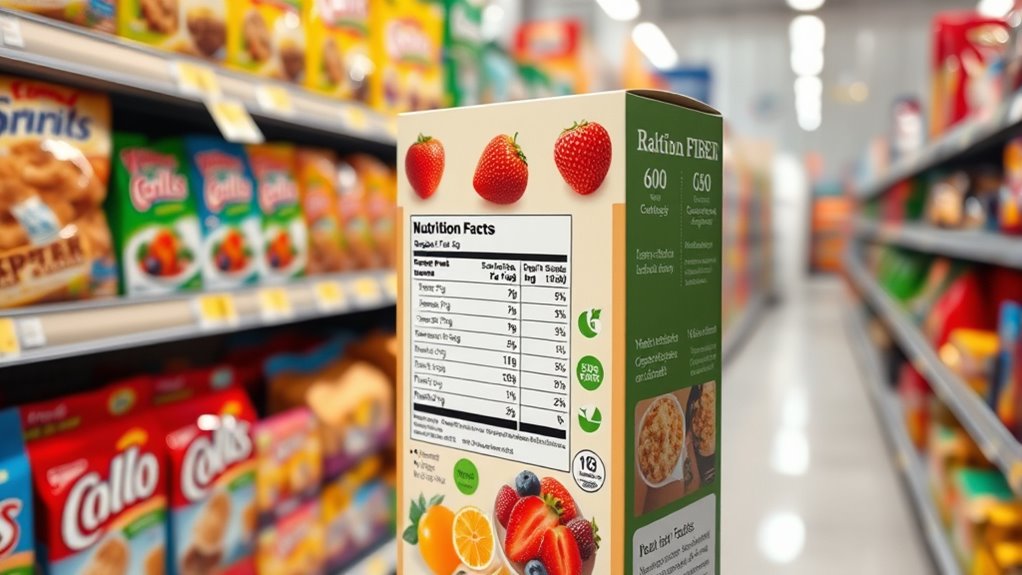
Front-of-package labels are gaining importance as they give you quick insights into key nutrients like saturated fat, sodium, and added sugars. Many countries, including Canada and Mexico, already use similar practices, making it easier for consumers worldwide to compare products at a glance. This growing trend aims to help you make healthier choices without having to read detailed nutrition facts. Additionally, understanding signs of spoilage in products can help prevent consuming spoiled foods.
Quick Nutrient Insights
Why are quick nutrient insights becoming essential for making healthier food choices? Because they provide immediate, straightforward information at a glance, helping you compare options effortlessly. Front-of-package labels highlight key nutrients like saturated fat, sodium, and added sugars, making it easier to identify healthier choices quickly. These labels reduce the need to scrutinize detailed nutrition facts, saving time and simplifying decision-making. They empower you to prioritize your health goals and avoid excessive intake of less desirable nutrients. As these labels grow in prominence, they influence industry reformulation and encourage transparency. Incorporating accurate nutrient information through clear labels can also promote better consumer understanding and foster trust in food products.
- Offer simplified visuals, like color coding or symbols, to indicate healthy levels
- Help consumers spot high-risk ingredients at a glance
- Support healthier shopping habits through quick comparisons
- Complement detailed nutrition facts for better understanding
- Drive industry change by incentivizing healthier formulations
International Labeling Practices
International practices in front-of-package labeling are gaining traction as countries adopt simplified, visual formats to help consumers make healthier choices quickly. Canada and Mexico already use clear labels that highlight key nutrients like sugar, sodium, and saturated fat, making it easier to compare products at a glance. These labels often feature color-coded systems, such as traffic lights, to signal whether nutrient levels are high, moderate, or low. The goal is to improve transparency and support better dietary decisions. Many consumers around the world favor these practices, which align with ongoing efforts to promote public health. The growing adoption of front-of-package labels reflects a global shift toward clearer, more accessible nutrition information, empowering you to make smarter choices on the spot. Regularly assessing and rotating items to prevent clutter buildup can support healthier food choices and promote overall well-being.
Understanding Dietary Guidelines and Food Groups
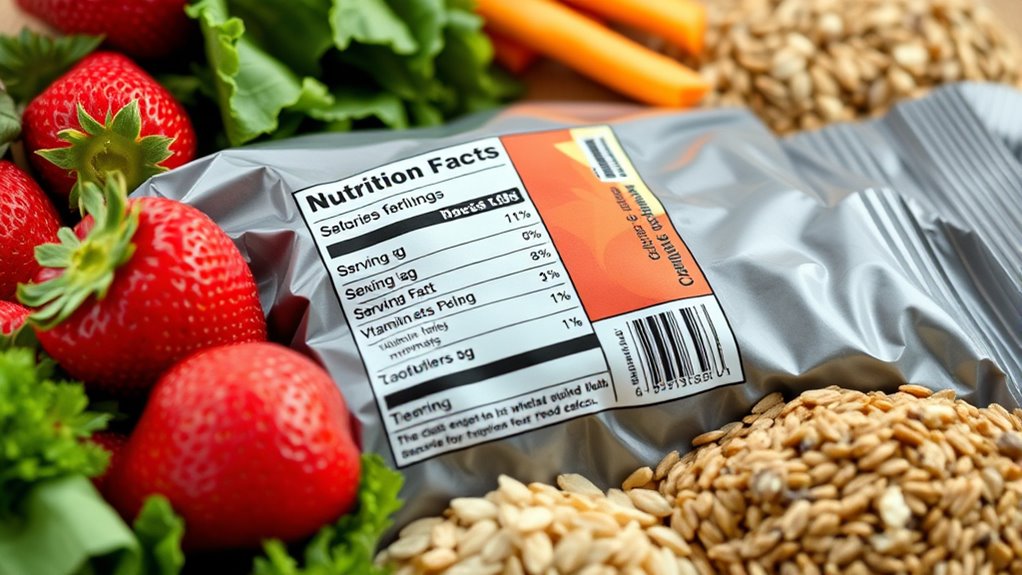
Understanding dietary guidelines and food groups is essential for making balanced food choices. These guidelines promote overall health by emphasizing the importance of variety and moderation. They focus on nutrient-dense foods from different groups to meet your body’s needs. By following these recommendations, you can improve your energy levels, support immune function, and reduce disease risk. Food groups include vegetables, fruits, grains, dairy, protein foods, and oils, each providing essential nutrients. To better understand, consider the following:
Balanced diets with variety and moderation support health and reduce disease risk.
- Vegetables and fruits are rich in vitamins, minerals, and fiber.
- Whole grains supply complex carbohydrates and fiber.
- Dairy provides calcium and vitamin D for bone health.
- Protein foods include meat, beans, and nuts for muscle maintenance.
- Oils contribute healthy fats necessary for cell function and hormone production.
- Incorporating Vetted Electric Bike Conversion Kits can encourage active transportation, complementing a healthy lifestyle.
How Labels Influence Food Choices and Industry Practices
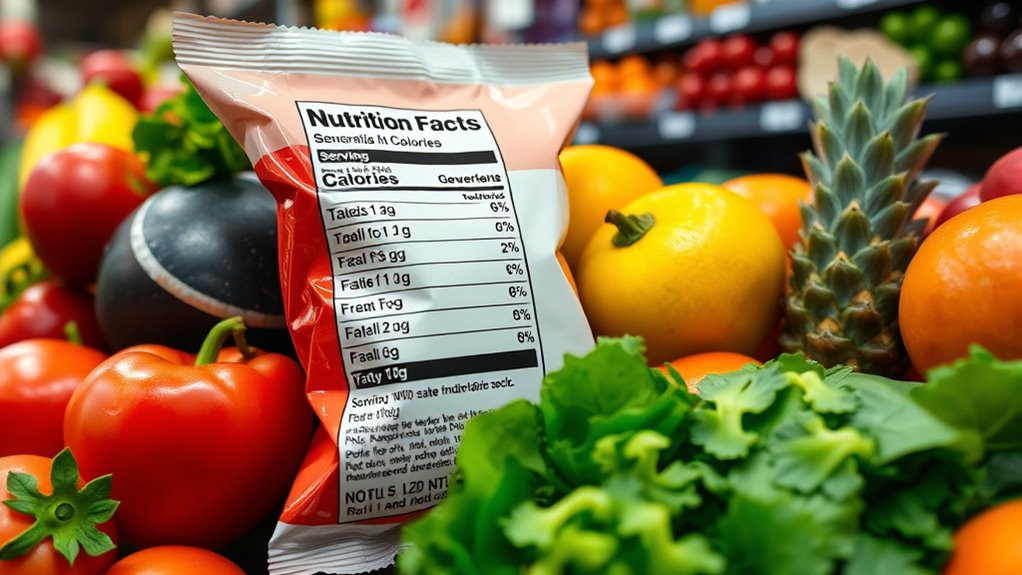
Nutrition labels directly influence your food choices by providing clear, accessible information about a product’s health content. When you read labels, you can compare products quickly and identify healthier options based on calories, fats, sugars, and other nutrients. This transparency encourages food manufacturers to reformulate products to meet consumer demand for healthier options, like reducing saturated fats or added sugars. As a result, industry practices shift toward producing more nutritious foods to stay competitive. Labeling also prompts companies to highlight healthier ingredients and set new standards for marketing. Public awareness of label information pushes the industry to prioritize transparency and accountability. Additionally, food labeling plays a crucial role in guiding consumers toward making informed dietary decisions, especially when considering specialized diets such as raw or pet foods. Overall, labels serve as a powerful tool that shapes both your decisions and the food industry’s development toward healthier products.
The Impact of Labeling Policies on Public Health
Labeling policies have substantially shaped public health outcomes by guiding you toward healthier choices and prompting industry reformulations. When regulations require clear, accurate labels, you can better evaluate nutritional content, leading to improved dietary habits. These policies have reduced trans fat in foods and increased awareness of added sugars and sodium. They also encourage companies to reformulate products to meet health standards, making healthier options more accessible.
Labeling policies promote healthier eating by enhancing transparency and encouraging product reformulation.
- Improved consumer understanding of nutrition information
- Increased availability of lower-fat, lower-sugar products
- Reduced incidence of diet-related diseases like heart disease and diabetes
- Greater industry accountability for nutritional quality
- Enhanced transparency fostering public trust in food labeling
These effects collectively promote healthier lifestyles and better long-term public health outcomes.
Future Trends in Nutrition Labeling and Consumer Information
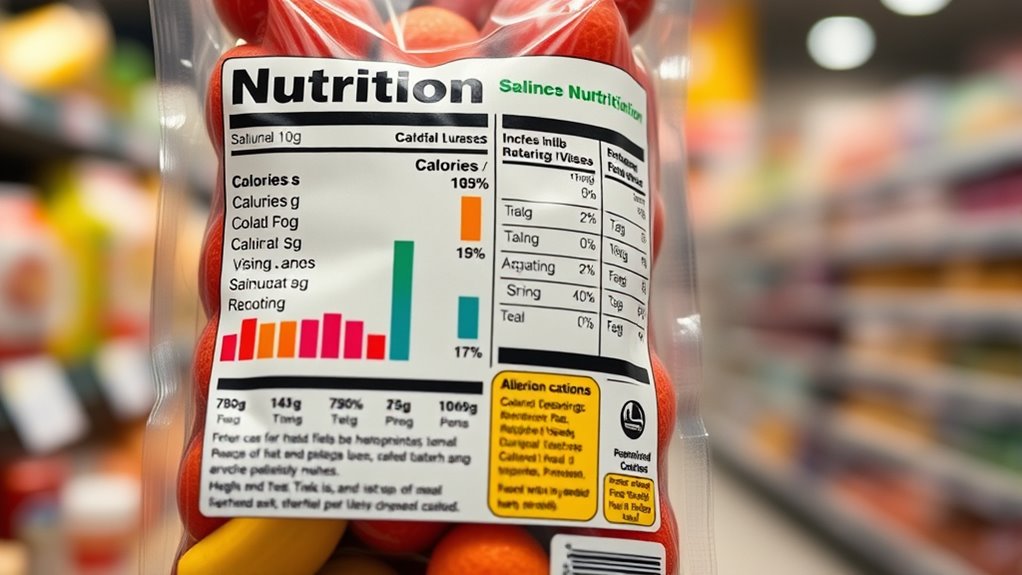
How will upcoming innovations transform the way you access and interpret nutrition information? Future trends aim to make labels more intuitive and accessible. Expect simplified front-of-package labels highlighting key nutrients like saturated fat, sodium, and sugars. Digital tools will personalize nutrition data based on your health goals, offering real-time updates. Interactive labels and QR codes will connect you to detailed info instantly. Here’s a glimpse of potential changes:
| Future Feature | Description | Benefit |
|---|---|---|
| Smart Labels | Digital, customizable info | Tailored health insights |
| Color-Coded Indicators | Clear, visual cues | Quick understanding |
| QR Code Integration | Access to detailed info via scan | In-depth nutrient data |
| AI-Driven Recommendations | Personalized dietary advice | Better food choices |
| International Standards | Harmonized global labeling | Easier comparisons |
These innovations will empower you to make smarter, healthier food choices effortlessly. Understanding food labeling regulations will ensure consumers are well-informed about the accuracy and transparency of the nutrition information presented.
Frequently Asked Questions
How Can I Interpret Added Sugars on Nutrition Labels?
To interpret added sugars on nutrition labels, look for the “Added Sugars” line under the total sugars section. It shows how much sugar has been added during processing, separate from natural sugars. Aim to keep added sugars low, ideally less than 10% of your daily calories. Remember, high added sugar levels can contribute to health issues, so choosing products with lower or no added sugars helps maintain a healthier diet.
Are Gluten-Free Labels Always Safe for Celiac Disease?
Think of gluten-free labels as a lighthouse guiding celiac sufferers safely through a foggy sea. They’re generally safe if they meet FDA standards—containing less than 20 parts per million of gluten. However, cross-contamination during processing can still pose risks. Always check for trusted certifications and read labels carefully. If you’re highly sensitive, consider selecting products from brands specializing in gluten-free options to guarantee your safety.
What Does “Healthy” Mean Under New FDA Guidelines?
Under the new FDA guidelines, “healthy” means the food contributes to a balanced diet by including key food groups like fruits, vegetables, grains, dairy, and protein. It also limits nutrients like saturated fats, trans fats, sodium, and added sugars. You should look for products that meet these standards to make healthier choices, focusing on overall dietary patterns rather than just individual nutrients. This helps you maintain better health over time.
How Do Front-Of-Package Labels Affect Consumer Purchasing Decisions?
Front-of-package labels grab your attention quickly, helping you make faster, more informed choices. They highlight key nutrients like saturated fat, sodium, and added sugars, making it easier to compare products at a glance. When you see clear, simple labels, you’re more likely to select healthier options, especially when shopping under time constraints. These labels empower you to prioritize your health and stick to dietary guidelines effortlessly.
Are Allergen Labels Consistent Across All Food Products?
Think of allergen labels as lighthouse beacons guiding you safely through a sea of food products. They are generally consistent, clearly marking major allergens like peanuts, tree nuts, milk, and sesame across most items. However, some variations exist depending on packaging and manufacturer practices. You should always read labels carefully, especially when trying new products, to avoid hidden allergens and make certain of your safety in this crowded marketplace.
Conclusion
By mastering nutrition labels, you hold the power to transform your health dramatically. Every label you read is like a secret weapon against hidden sugars and unhealthy fats, guiding you to make the smartest choices possible. If you truly understand what’s in your food, you could potentially discover the secret to a longer, healthier life—it’s that impactful! So don’t underestimate the power of those tiny labels—they’re your biggest tool for a healthier future.
NFL season / tailgating Picks
team gear
As an affiliate, we earn on qualifying purchases.