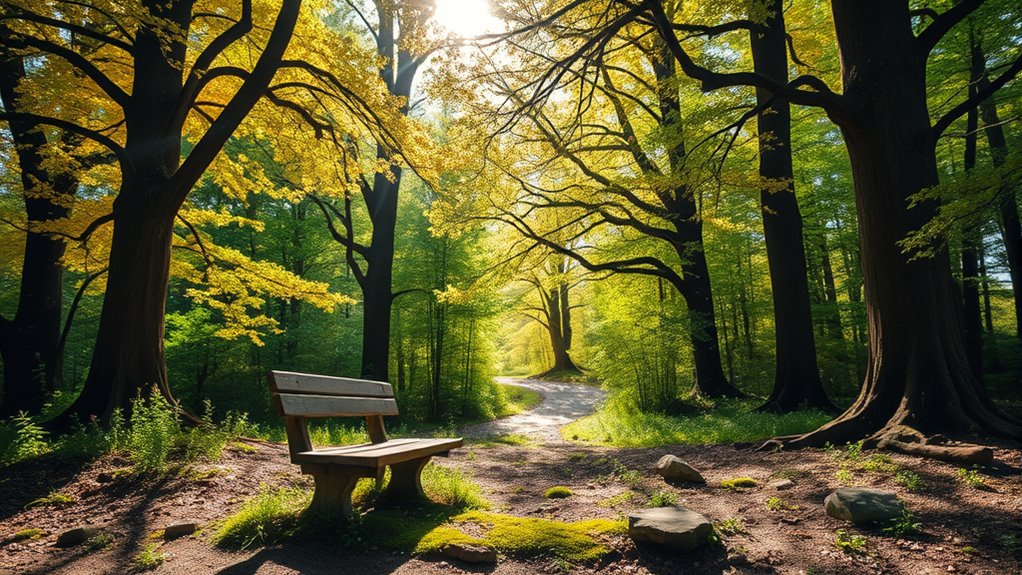

Building resilience helps you adapt and recover from stress and trauma, which are common challenges affecting mental health worldwide. By developing coping skills, maintaining strong relationships, and practicing self-care, you can better manage setbacks and view them as growth opportunities. Engaging in cultural activities like movies or support networks boosts your emotional strength. Exploring these strategies further can empower you to safeguard your mental well-being and navigate life’s difficulties more effectively.
Key Takeaways
- Building resilience enhances the ability to adapt and recover from stress and trauma, improving overall mental health.
- Engaging in self-care, support networks, and cultural activities like anime fosters emotional resilience and coping skills.
- Recognizing the impacts of chronic stress and trauma enables targeted strategies to prevent mental health deterioration.
- Incorporating storytelling and cultural connections can provide comfort, distraction, and emotional understanding during difficult times.
- Access to mental health resources and community support is essential for effective coping and resilience development.

Worry for Nothing: Guided Anxiety Journal, Cognitive Behavioral Therapy Mental Health Journal, Anxiety Relief & Self Care, Journal for Men & Women, Mental Health Gifts
IMPROVES MENTAL HEALTH: Use this journal to improve mindfulness, uncover triggers, track physical and emotional sensations, document your…
As an affiliate, we earn on qualifying purchases.
As an affiliate, we earn on qualifying purchases.
Understanding Resilience and Its Role in Mental Wellbeing

Have you ever wondered what helps some people bounce back from adversity while others struggle? That’s where resilience comes in. Resilience is your ability to adapt and recover when faced with stress, trauma, or setbacks. It’s not about avoiding difficulties but managing them effectively. Building resilience helps you handle life’s challenges better, reducing the risk of developing mental health issues. When you’re resilient, you’re more likely to see setbacks as opportunities for growth rather than insurmountable obstacles. Developing resilience involves cultivating a positive mindset, strong relationships, and coping skills. The more resilient you become, the better you can maintain your mental wellbeing, even during tough times. Resilience isn’t innate; it’s a skill you can strengthen over time.

How to Help Your Child Clean Up Their Mental Mess: A Guide to Building Resilience and Managing Mental Health
As an affiliate, we earn on qualifying purchases.
As an affiliate, we earn on qualifying purchases.
The Global and U.S. Landscape of Mental Health Challenges
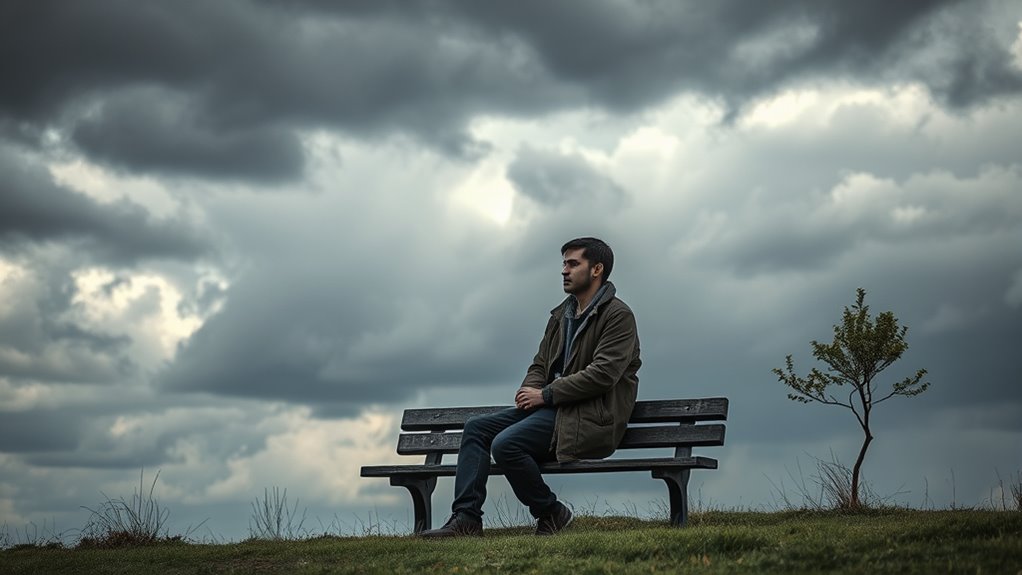
Mental health challenges are a significant concern worldwide and in the United States, affecting millions of individuals across all age groups. Globally, over 970 million people live with mental disorders, with anxiety and depression being the most common. These conditions cost the world economy about $1 trillion annually. In the U.S., approximately 23.4% of adults experienced mental illness in 2024, with young adults aged 18-25 facing the highest rates at 36.2%. Despite the need, only 47% of those with mental health issues receive treatment, often due to lack of access or insurance barriers. Trauma and persistent stress worsen these challenges, especially among vulnerable populations. Efforts like policy initiatives and community programs aim to improve mental health support and resilience across both global and domestic landscapes. Creativity can also play a role in developing new coping strategies and interventions for mental health.

Nootropic Brain Supplement for Memory and Focus Support – Vitamins for Mental Support & Clarity with Bacopa Monnieri, VIT A, B6, Riboflavin, Niacin, Thiamin & Folate – Cognitive Complex – 60 Count
ADVANCED BRAIN SUPPORT FOR MEMORY & FOCUS – Formulated to support cognitive function, mental clarity, and concentration, this…
As an affiliate, we earn on qualifying purchases.
As an affiliate, we earn on qualifying purchases.
Connecting Stress, Trauma, and Mental Health Outcomes
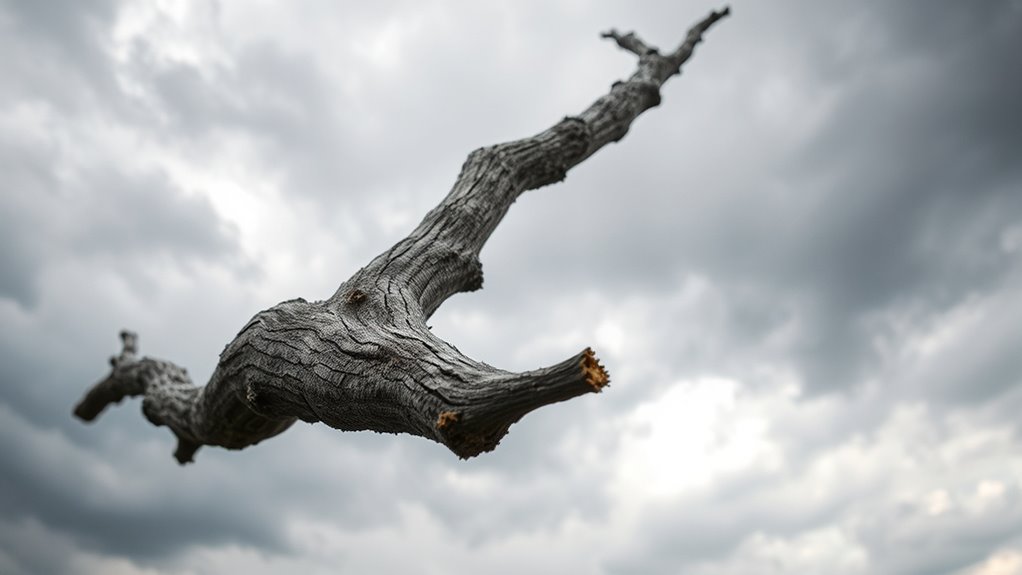
Stress and trauma directly impact your mental health, often triggering or worsening conditions like anxiety, depression, and post-traumatic stress disorder. When you experience intense or prolonged stress, your brain reacts by releasing hormones that prepare you to respond, but chronic exposure can disrupt this balance. Trauma can engrain negative thought patterns and emotional responses, making it harder to cope. These experiences increase the risk of developing mental health issues, especially if resilience isn’t present to buffer their effects. Persistent stress and unresolved trauma can lead to feelings of helplessness, worsen existing conditions, and even cause new disorders. Recognizing how stress and trauma influence mental health helps you understand the importance of strategies to manage and recover from these challenges effectively. Developing spiritual resilience can serve as a powerful support system in facing these mental health challenges.

Retrain Your Brain: Cognitive Behavioral Therapy in 7 Weeks: A Workbook for Managing Depression and Anxiety (Retrain Your Brain with CBT)
As an affiliate, we earn on qualifying purchases.
As an affiliate, we earn on qualifying purchases.
Strategies for Building Personal and Community Resilience

You can strengthen resilience by practicing self-care routines that support your mental and physical health daily. Building supportive networks with friends, family, or community groups helps create a safety net during tough times. Together, these strategies empower you to better handle stress and foster collective well-being. Incorporating emotional connection into your relationships can significantly enhance your overall resilience.
Cultivate Self-Aare Practices
Cultivating self-care practices is essential for strengthening both personal resilience and community well-being. When you prioritize activities like regular exercise, adequate sleep, and mindful breathing, you boost your ability to handle stress and recover from setbacks. Taking time for hobbies and relaxation helps recharge your mental and emotional energy. Nourishing your body with healthy food supports overall resilience, while setting boundaries prevents burnout. Engaging in reflection or journaling allows you to process emotions and gain clarity. Community self-care involves encouraging collective well-being through shared activities, support groups, or volunteer work. By consistently practicing self-awareness and self-compassion, you create a foundation that enhances your capacity to cope with adversity and fosters a resilient, connected community. Incorporating sound strategies from trailer music composition, such as building tension and dynamic contrasts, can also serve as metaphors for managing emotional resilience and navigating stress effectively.
Foster Supportive Networks
Building supportive networks enhances both personal resilience and community well-being by creating a foundation of connection and mutual aid. You can strengthen these networks by reaching out to friends, family, and neighbors, fostering open communication and trust. Join community groups, support circles, or volunteer organizations to build a sense of belonging. Sharing your experiences and listening to others helps normalize mental health struggles and reduces stigma. Digital platforms and local events offer accessible ways to connect, especially during stressful times. Remember, resilience grows when you know you’re not alone. By cultivating these relationships, you create a safety net that provides emotional support, practical help, and encouragement—essential elements for overcoming adversity and boosting overall mental health. Empowering Families in Caregiving Journeys
Enhancing Access to Mental Health Support and Resources
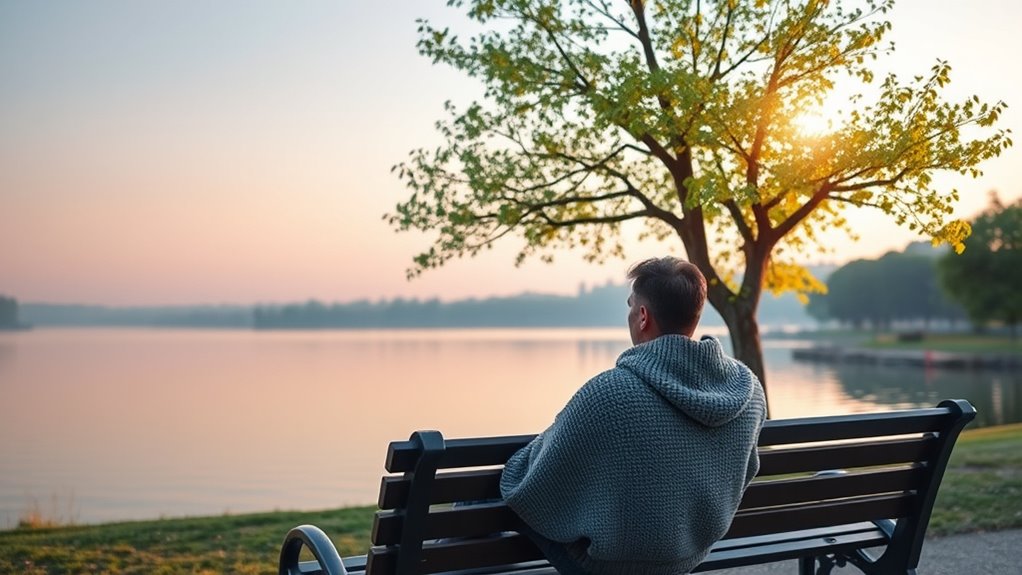
How can we guarantee that everyone has meaningful access to mental health support and resources? You can advocate for expanded services that are affordable and easy to reach. Supporting community clinics, telehealth options, and sliding scale fees helps remove financial barriers. Promoting awareness about available resources ensures more people know where to turn. Integrating mental health care into primary healthcare settings makes support more accessible. Encouraging workplaces and schools to offer mental health programs creates supportive environments. Additionally, digital platforms and hotlines like 988 provide immediate help for crises. By pushing for these changes, you help bridge gaps and ensure individuals get timely, effective support, strengthening resilience and reducing the long-term impact of stress and trauma. Emphasizing the importance of projector contrast ratios can also be relevant when considering the quality of visual aids used in therapy or educational settings.
Policy Initiatives and Community Efforts to Strengthen Mental Wellness

Policy initiatives and community efforts play an essential role in advancing mental wellness on a broader scale. They create frameworks that promote resilience, improve access, and reduce stigma. For example, the Community Mental Wellness and Resilience Act of 2025 aims to boost local resources and prepare communities for mental health crises. Many countries now include mental health support in emergency responses, highlighting the importance of integrated approaches. Public health strategies focus on multi-sector collaboration, ensuring education, healthcare, and social services work together to expand access and decrease barriers. Community programs, such as local clinics and outreach initiatives, foster safe spaces for individuals to seek help and build resilience. These combined efforts help communities withstand adversity and foster a culture of mental wellness and recovery. Additionally, best anime movies can serve as a source of comfort and inspiration, supporting mental health through engaging storytelling and cultural connection.
Frequently Asked Questions
How Can Resilience Be Measured and Assessed Effectively?
You can measure resilience through standardized tools like the Connor-Davidson Resilience Scale or the Resilience Scale for Adults, which ask about your ability to cope with stress, adapt, and bounce back. Self-assessment questionnaires, behavioral observations, and interviews also help gauge resilience levels. Tracking how you respond to adversity over time provides insight into your resilience, allowing for targeted support and growth strategies to strengthen your capacity to handle challenges.
What Role Do Schools Play in Fostering Resilience in Youth?
Schools play a crucial role in fostering resilience in youth by creating supportive environments, teaching emotional regulation, and encouraging problem-solving skills. You can support this by promoting social-emotional learning, providing mental health resources, and encouraging peer connections. When schools prioritize resilience-building, you help students develop coping strategies, boost self-confidence, and prepare them to face life’s challenges, ultimately supporting their mental health and long-term well-being.
Are There Cultural Differences in How Resilience Is Developed and Expressed?
Yes, cultural differences influence how you develop and express resilience. In some cultures, resilience is shown through community support and collective coping, while others emphasize individual strength and personal perseverance. You may find that cultural values shape your responses to adversity, how you seek help, and how openly you express struggles. Recognizing these differences helps you appreciate diverse resilience strategies and tailor support that respects your cultural background.
How Do Socioeconomic Factors Influence Access to Resilience-Building Resources?
Like a lighthouse guiding ships through stormy seas, your socioeconomic status shapes your access to resilience resources. If you face financial hardship, you might struggle to afford mental health care, support groups, or stress management programs. These barriers can hinder your ability to build resilience, making it harder to navigate life’s challenges. Addressing these disparities guarantees everyone has a fair chance to develop strength and bounce back from adversity.
What Are Emerging Technologies Supporting Mental Health Resilience?
Emerging technologies support your mental health resilience by providing accessible tools like apps for mindfulness, stress management, and cognitive-behavioral therapy. You can use online platforms and virtual reality to practice coping skills and build resilience in a safe, private space. AI-driven chatbots offer immediate emotional support, while wearable devices monitor stress levels, helping you respond proactively. These innovations make mental health resources more reachable, personalized, and effective for strengthening your resilience.
Conclusion
By building your resilience, you become the sturdy root amid life’s storms, anchoring your mental health through stress and trauma. Remember, you’re not alone—community support and accessible resources are like shining beacons guiding you to safety. Together, through proactive strategies and collective efforts, you can turn challenges into opportunities for growth. Embrace resilience as your shield, and let it illuminate your path toward lasting mental wellbeing.