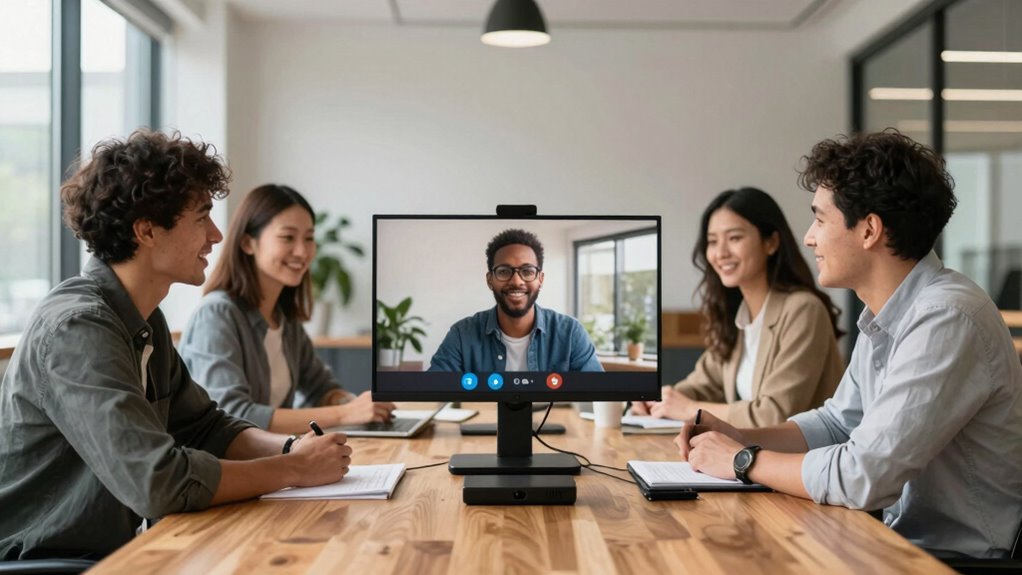
Choosing the right video conferencing camera for small teams can significantly improve your virtual meetings. The best models balance clear image quality, ease of setup, and reliable audio integration. The Yealink UVC34 stands out as the overall top pick for its 4K clarity and user-friendly features. For those on a budget, the Logitech C920x offers solid HD quality at a lower price, while the Logitech MeetUp excels in small room setups with wide-angle views. These options highlight the main tradeoffs: higher resolution versus affordability, advanced features versus simplicity. Continue reading for a detailed breakdown of each product and how to choose the right one for your team.

Get the little things that make your day delivered free with Prime
- Fast, free delivery on millions of items
- Prime Video, Amazon Music and more included
- Member-only deals all year
Key Takeaways
- Higher resolution cameras like the Yealink UVC34 deliver sharper images, ideal for detailed presentations or professional branding.
- Built-in microphone quality varies significantly; premium models often include multiple mics for clearer audio, crucial for remote collaboration.
- Field of view (FOV) is a key factor—wider FOVs suit small rooms with multiple participants, while narrower FOVs focus on individual speakers.
- Ease of setup and compatibility with common platforms influence overall user experience, especially for non-technical users.
- Budget models can suffice for basic needs but often lack advanced features like AI auto-tracking or multiple mic arrays.
| Yealink UVC34 4K Video Conference Camera System for Huddle Meeting Rooms |  | Best Overall for Small, Tech-Savvy Teams | Resolution: 4K Ultra HD | Camera: 8 Megapixels, 120° wide-angle lens, 5x digital zoom | Microphone Array: 8 microphones | VIEW ON AMAZON | See Our Full Breakdown |
| Logitech Brio Ultra 4K HD Webcam for Streaming and Meetings – Black | 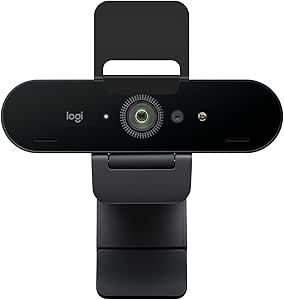 | Best for Visual Fidelity and Security Features | Resolution: 4K at 30 fps | Field of View: 65°, 78°, or 90° | Zoom: 5x digital zoom | VIEW ON AMAZON | See Our Full Breakdown |
| Logitech Brio 101 Full HD 1080p Webcam for Streaming and Meetings – Black |  | Best for Budget-Conscious Small Teams | Resolution: Full HD 1080p | Connectivity: USB A | Built-in Microphone: Yes | VIEW ON AMAZON | See Our Full Breakdown |
| Logitech BCC950 Desktop Video Conferencing Webcam & Speakerphone – Black |  | Best for All-in-One Audio-Visual Meetings | Video Resolution: 1080p HD | Frame Rate: 30 fps | Lens: Carl Zeiss | VIEW ON AMAZON | See Our Full Breakdown |
| Yealink 4K Video Conference Camera System for PC, Huddle Room, Teams & Zoom |  | Best for Professional, AI-Enhanced Small Rooms | Resolution: 4K Ultra HD | Field of View: 120° | Microphone Array: 8 microphones | VIEW ON AMAZON | See Our Full Breakdown |
| Logitech MeetUp HD Video and Audio Conferencing System for Small Meeting Rooms (Renewed) |  | Best Overall for Small Meeting Rooms | Sensor Type: CMOS | Connectivity Technology: USB | Viewing Angle: 120° | VIEW ON AMAZON | See Our Full Breakdown |
| NexiGo N60 1080P Webcam with Microphone, Privacy Cover, USB HD Computer Web Camera for Video Conferencing and Streaming |  | Best for Budget-Conscious Users and Simplicity | Resolution: 1920 x 1080 at 30fps | Microphone: Noise-canceling built-in | Compatibility: USB 2.0/3.0, Windows, Mac, Linux, Android | VIEW ON AMAZON | See Our Full Breakdown |
| Logitech MeetUp Video Conferencing System 4K with 3 Microphones – Black |  | Best for High-Quality Video with Expandability | Resolution: 4K Ultra HD | Field of View: 120°, expandable to 170° | Microphones: 3 beamforming, expansion optional | VIEW ON AMAZON | See Our Full Breakdown |
| Logitech C920x HD Pro Webcam |  | Best for Streaming and Personal Use | Resolution: Full HD 1080p | Frame rate: 30 fps | Lighting adjustment: Yes | VIEW ON AMAZON | See Our Full Breakdown |
| TONGVEO 3-in-1 4K Webcam with Microphones and Speaker, AI Auto-Tracking, 5X Digital Zoom, Adjustable Field of View, Remote Control |  | Best for Professional Meetings and Streaming | Resolution: 3840×2160 at 30fps | Sensor: 1/2.8 inch 8.29 MP | Audio: Dual microphones, 3W speaker | VIEW ON AMAZON | See Our Full Breakdown |
| video conferencing camera for small team | Resolution | Compatibility |
|---|---|---|
| Yealink UVC34 4K Video Confere | 4K Ultra HD | — |
| Logitech Brio Ultra 4K HD Webc | 4K at 30 fps | Windows, Mac, ChromeOS |
| Logitech Brio 101 Full HD 1080 | Full HD 1080p | Windows, Mac, most platforms |
| Logitech BCC950 Desktop Video | — | — |
| Yealink 4K Video Conference Ca | 4K Ultra HD | — |
| Logitech MeetUp HD Video and A | 4K Ultra HD | — |
| NexiGo N60 1080P Webcam with M | 1920 x 1080 at 30fps | USB 2.0/3.0, Windows, Mac, Linux, Android |
| Logitech MeetUp Video Conferen | 4K Ultra HD | USB, Teams, Zoom, Google Meet |
| Logitech C920x HD Pro Webcam | Full HD 1080p | — |
| TONGVEO 3-in-1 4K Webcam with | 3840×2160 at 30fps | Windows, Mac |
More Details on Our Top Picks
Yealink UVC34 4K Video Conference Camera System for Huddle Meeting Rooms
The Yealink UVC34 stands out for delivering high-resolution 4K video combined with intelligent auto-framing, making it ideal for small teams that need a professional look without complex setup. Compared with the Logitech Brio 4K, it offers a more integrated all-in-one design, including a microphone array and speakers, which simplifies setup in crowded or limited spaces. The auto-framing and brightness adjustments help maintain focus on participants, but the system’s reliance on USB limits placement flexibility. Additionally, remote device management adds convenience for IT teams, although it requires extra software. This pick is best suited for organizations that prioritize clear, AI-enhanced video quality in small, dedicated meeting rooms where ease of use is key.
Pros:- High-quality 4K video with auto-framing and wide-angle lens
- All-in-one design with integrated mic array and speakers
- Easy plug-and-play USB setup
Cons:- Limited to small or crowded rooms, not suitable for large spaces
- Requires additional software for remote management
Best for: Small teams in tech-forward firms needing high-quality, easy-to-deploy conference solutions
Not ideal for: Larger conference rooms or teams requiring extensive camera mobility and multiple camera angles
- Resolution:4K Ultra HD
- Camera:8 Megapixels, 120° wide-angle lens, 5x digital zoom
- Microphone Array:8 microphones
- Speaker Power:5W
- Connectivity:USB Type A
- Special Features:Auto-framing, automatic brightness adjustment, electric lens cap
Our verdict“This camera is perfect for small, modern teams prioritizing high-quality, AI-driven video in tight spaces.”
Logitech Brio Ultra 4K HD Webcam for Streaming and Meetings – Black
The Logitech Brio offers stunning 4K video with adjustable viewing angles, making it ideal for users who need crisp, versatile video quality for small team meetings and streaming. Unlike the Yealink UVC34, which emphasizes auto-framing, the Brio provides customizable field-of-view options, appealing to those who want control over their framing. Its dual noise-canceling microphones improve audio clarity, but the webcam’s performance heavily depends on good lighting conditions—an important consideration for less controlled environments. The inclusion of Windows Hello support and a privacy shutter enhances security and privacy, yet the higher price and setup complexity could be barriers for some. This camera suits small teams who value top-tier visuals and flexible angles, with security features as a bonus.
Pros:- Excellent 4K video with adjustable field of view
- Noise-canceling microphones enhance audio clarity
- Supports Windows Hello for quick, secure login
- Privacy shutter for privacy control
Cons:- Requires good lighting for best video quality
- Setup can be complex for less experienced users
- Higher cost compared to basic webcams
Best for: Small teams and remote professionals seeking premium video quality and security features
Not ideal for: Teams with limited lighting or budget constraints, due to its higher price and setup demands
- Resolution:4K at 30 fps
- Field of View:65°, 78°, or 90°
- Zoom:5x digital zoom
- Microphones:Dual omnidirectional with noise cancellation
- Compatibility:Windows, Mac, ChromeOS
- Privacy Shutter:Yes
Our verdict“This webcam is best for users who prioritize high-quality visuals and enhanced security in small team meetings.”
Logitech Brio 101 Full HD 1080p Webcam for Streaming and Meetings – Black
The Logitech Brio 101 offers reliable 1080p video quality with advanced RightLight technology, making it a solid choice for small teams that need clear visuals without the premium price tag. Compared with the Yealink UVC34 or the 4K Logitech models, this webcam provides a straightforward, budget-friendly option with broad platform compatibility. It includes a privacy shutter and a built-in microphone, but its limited resolution means it lacks the detail and flexibility of higher-end models. For teams with limited budgets or those just starting with video conferencing, the Brio 101 provides essential features without overcomplicating setup or breaking the bank.
Pros:- Clear Full HD 1080p video quality
- Privacy shutter for security
- Compatible with most platforms including Zoom and Teams
- Eco-friendly construction using recycled plastic
Cons:- Limited to USB A, no USB C support
- Basic feature set lacking advanced controls
- Color options are limited
Best for: Small teams seeking a dependable, affordable webcam for frequent video calls
Not ideal for: Teams that need ultra-high-definition video or advanced AI features
- Resolution:Full HD 1080p
- Connectivity:USB A
- Built-in Microphone:Yes
- Privacy Shutter:Yes
- Compatibility:Windows, Mac, most platforms
- Material:77% recycled plastic
Our verdict“This webcam is well-suited for small teams on a budget who want reliable, decent-quality video for daily meetings.”
Logitech BCC950 Desktop Video Conferencing Webcam & Speakerphone – Black
The Logitech BCC950 combines a 1080p HD camera with a high-quality speakerphone, making it a versatile choice for professional small team meetings. Its Carl Zeiss lens ensures sharp video, while the full duplex microphone and speakerphone enable clear, natural conversations. Compared with dedicated cameras like the Yealink UVC34, it offers integrated audio and video in a single device, reducing clutter and setup complexity. However, its focus on business meetings limits its flexibility for casual use or larger rooms. The included remote control for pan, tilt, zoom, and call management simplifies operation, but the device is less adaptable for multi-camera setups or expansive spaces. It’s best suited for teams prioritizing straightforward, high-quality audio-visual communication in a single, compact device.
Pros:- 1080p HD video with sharp Carl Zeiss lens
- Clear, full duplex audio with noise cancellation
- Remote control for camera and call management
- Plug-and-play USB connectivity
Cons:- Limited to business conferencing; less flexible for other uses
- No multi-camera support or expansive coverage
- Requires USB port and compatible platform
Best for: Small businesses or teams needing an all-in-one conferencing device with excellent audio and video
Not ideal for: Casual users or larger teams requiring multiple camera angles and room coverage
- Video Resolution:1080p HD
- Frame Rate:30 fps
- Lens:Carl Zeiss
- Microphone:Noise-cancelling, full duplex
- Speakerphone:Built-in, full duplex
- Connectivity:USB
Our verdict“This device is ideal for small teams wanting a simple, all-in-one solution for high-quality video and audio calls.”
Yealink 4K Video Conference Camera System for PC, Huddle Room, Teams & Zoom
The Yealink 4K Conference Camera System offers impressive ultra HD resolution with a 120° wide field of view, making it well-suited for professional huddle rooms. Its AI features—auto framing, speaker tracking, and face enhancement—set it apart from simpler webcams like the Logitech Brio, providing a more dynamic meeting experience. Its plug-and-play USB connection simplifies installation, and the enterprise-grade privacy shutter adds security. However, the advanced AI capabilities come at a higher cost, and the system’s reliance on USB may restrict flexible placement. Compared to basic models, this solution excels in delivering intelligent framing and clarity but requires a larger upfront investment. It makes the most sense for teams that want a smart, high-quality setup in a dedicated small room environment.
Pros:- High-quality 4K video with wide 120° view
- Advanced AI features like auto framing and speaker tracking
- Enterprise-grade privacy shutter
- Universal platform support
Cons:- Higher price due to advanced AI features
- USB connection may limit placement options
- Limited details on pricing and availability
Best for: Professional small teams needing AI-driven auto framing and high-resolution video
Not ideal for: Teams on a tight budget or those without dedicated meeting spaces
- Resolution:4K Ultra HD
- Field of View:120°
- Microphone Array:8 microphones
- Microphone Range:5 meters
- Sensor:1/2.8-inch CMOS
- Connectivity:7m USB-B to USB-A cable
Our verdict“This system is best for small professional teams seeking AI-enhanced video with reliable security features.”
Logitech MeetUp HD Video and Audio Conferencing System for Small Meeting Rooms (Renewed)
The Logitech MeetUp excels as an all-in-one solution, combining a 120° ultra-wide lens with 4K Ultra HD video and a high-quality audio system that captures entire small rooms effectively. Compared to the Logitech C920x, it offers a broader field of view and integrated microphones, making it ideal for small teams wanting a plug-and-play setup. However, its weight and non-water-resistant build mean it requires sturdy mounting and indoor use only. This system is best suited for small meeting rooms where a comprehensive audio-visual experience is needed without complicated setup.
Pros:- Wide 120° field of view captures entire room effectively
- High-quality 4K Ultra HD video with 5x zoom for clarity
- Plug-and-play USB setup compatible with multiple platforms
- Integrated beamforming microphones and speakers deliver clear audio
Cons:- Water resistance not supported, limiting outdoor or humid environments
- Weight of 1040 g may require sturdy mounting options
- Designed exclusively for small rooms, not suitable for larger spaces
Best for: Small teams needing a reliable, all-in-one conference system for dedicated meeting rooms
Not ideal for: Teams requiring portable solutions or outdoor use, as the system isn’t water-resistant or lightweight
- Sensor Type:CMOS
- Connectivity Technology:USB
- Viewing Angle:120°
- Resolution:4K Ultra HD
- Focus Type:Auto Focus
- Item Weight:1040 g
Our verdict“This pick makes the most sense for small conference rooms where ease of use and comprehensive coverage matter most.”
NexiGo N60 1080P Webcam with Microphone, Privacy Cover, USB HD Computer Web Camera for Video Conferencing and Streaming
The NexiGo N60 offers a straightforward, budget-friendly way to achieve 1080p video quality with a built-in noise-canceling microphone, making it a solid choice for small teams on a tight budget. Compared with the Logitech C920x, it provides a privacy cover and broad OS compatibility, but lacks advanced features like autofocus or high frame rates. It’s ideal for indoor use at fixed distances, but firmware updates may be needed for consistent audio performance. This webcam is designed for those seeking reliable, easy-to-set-up video calls without extra bells and whistles.
Pros:- Full HD 1080p video quality at 30fps provides clear images
- Built-in noise-canceling microphone enhances audio clarity
- Plug-and-play setup with wide OS compatibility
- Includes privacy cover for security
Cons:- Limited to indoor use at fixed distances
- No autofocus, which can affect focus on moving subjects
- Firmware updates may be required to address audio delays
Best for: Small teams or individuals seeking an affordable, easy-to-use webcam for regular indoor video calls
Not ideal for: Power users or gamers needing higher frame rates or advanced controls, as this model is limited to 30fps at 1080p
- Resolution:1920 x 1080 at 30fps
- Microphone:Noise-canceling built-in
- Compatibility:USB 2.0/3.0, Windows, Mac, Linux, Android
- Privacy Cover:Yes
- Lens:3.6mm glass
- Lighting Adjustment:Yes
Our verdict“This webcam makes the most sense for small teams prioritizing affordability and straightforward functionality.”
Logitech MeetUp Video Conferencing System 4K with 3 Microphones – Black
Compared to the Logitech MeetUp (Renewed), this version emphasizes 4K Ultra HD video and includes motorized pan/tilt capabilities for wider coverage, making it ideal for small and huddle rooms requiring flexible camera angles. Its beamforming microphones and optional expansion mics offer excellent audio clarity up to 4 meters, but the need for additional microphones increases setup complexity and cost. Designed specifically for small rooms, it’s perfect for teams wanting high-resolution video with room-filling audio, though it may be overkill for very simple setups.
Pros:- High-quality 4K Ultra HD video with wide 120° field
- Motorized pan/tilt for flexible framing and coverage
- Clear audio with beamforming microphones and expansion options
- Multiple mounting options for versatile placement
Cons:- Expansion microphones sold separately, adding cost
- Motorized pan/tilt may require calibration
- Designed primarily for small rooms, not suitable for large spaces
Best for: Small teams seeking high-resolution video and flexible camera control in a dedicated conference space
Not ideal for: Large conference rooms or portable setups, as the system is optimized for fixed, small environments with wired connections
- Resolution:4K Ultra HD
- Field of View:120°, expandable to 170°
- Microphones:3 beamforming, expansion optional
- Zoom:5x HD
- Mounting Options:Wall, credenza, TV mount
- Compatibility:USB, Teams, Zoom, Google Meet
Our verdict“This system is best for small teams wanting high-resolution video with flexible camera control and superior audio quality.”
Logitech C920x HD Pro Webcam
The Logitech C920x HD Pro is a reliable choice for small teams needing consistent 1080p video, especially for streaming or personal video calls. Its autofocus and automatic lighting adjustment help maintain clear image quality, but it lacks the wide field of view and integrated audio found in the MeetUp models. The stereo dual microphones provide decent sound, though not as room-filling as dedicated conferencing systems. It’s a straightforward, compact option for individual or small group meetings on desktops or laptops, though it doesn’t include advanced features like background removal.
Pros:- 1080p video at 30fps delivers sharp images
- Autofocus and automatic lighting improve image quality
- Stereo microphones provide natural sound
- Includes background editing software (XSplit VCam)
Cons:- No privacy shutter, less privacy control
- Limited to 30fps at 1080p, less smooth for fast motion
- No wide-angle lens, less suitable for group settings
Best for: Small teams or solo professionals who want a compact, dependable webcam for streaming or video calls
Not ideal for: Teams needing a wide-angle lens or integrated audio for small conference rooms, since it’s designed primarily for personal use
- Resolution:Full HD 1080p
- Frame rate:30 fps
- Lighting adjustment:Yes
- Microphones:Stereo dual
- Included software:XSplit VCam
- Privacy shutter:No
Our verdict“This webcam suits small teams or individuals prioritizing dependability and compactness over wide coverage or integrated audio.”
TONGVEO 3-in-1 4K Webcam with Microphones and Speaker, AI Auto-Tracking, 5X Digital Zoom, Adjustable Field of View, Remote Control
The TONGVEO 4K Webcam is designed for dynamic professional settings, featuring AI auto-tracking and voice tracking that automatically frame and follow speakers. Its 4K resolution and 5X digital zoom outperform many webcams in this roundup, making it ideal for presentations and online teaching. The inclusion of dual microphones and a speaker ensures clear audio, while the remote control offers easy adjustments of multiple FOV modes. Compared to fixed-focus webcams, this model provides a more engaging, adjustable experience — but it requires USB 2.0/3.0 connections and may be overkill for simple meetings.
Pros:- Ultra HD 4K video with AI auto-framing and voice tracking
- Dual microphones and 3W speaker for clear audio
- Remote control enables easy switching between FOV modes
- Plug-and-play setup with broad device compatibility
Cons:- Requires USB 2.0/3.0 ports, limiting compatibility with older devices
- No wireless connection option for mobility
- Remote control may be unnecessary for simple use cases
Best for: Professionals and educators needing high-quality, auto-tracking video for interactive online sessions
Not ideal for: Users with older computers or limited USB ports, as it requires USB 2.0/3.0 support and may be complex for basic needs
- Resolution:3840×2160 at 30fps
- Sensor:1/2.8 inch 8.29 MP
- Audio:Dual microphones, 3W speaker
- Zoom:5x digital
- FOV Modes:118°, 100°, 88°
- Compatibility:Windows, Mac
Our verdict“This webcam is ideal for professionals seeking high-resolution, auto-tracking features with flexible framing in a professional or educational context.”

How We Picked
The products were selected based on a combination of performance, usability, build quality, and value for small team environments. Priority was given to cameras that offer clear video quality, reliable audio, and straightforward setup processes, ensuring they are practical for typical small office or remote team use. We also evaluated features like field of view, compatibility with popular conferencing platforms, and additional functionalities such as auto-tracking or integrated microphones. The ranking reflects a balance between cost and features, with a focus on models that serve the specific needs of small teams rather than large conference rooms or enterprise setups.| video conferencing camera for small team | Compatibility |
|---|---|
| Yealink UVC34 4K Video Confere | — |
| Logitech Brio Ultra 4K HD Webc | Windows, Mac, ChromeOS |
| Logitech Brio 101 Full HD 1080 | Windows, Mac, most platforms |
| Logitech BCC950 Desktop Video | — |
| Yealink 4K Video Conference Ca | — |
| Logitech MeetUp HD Video and A | — |
| NexiGo N60 1080P Webcam with M | USB 2.0/3.0, Windows, Mac, Linux, Android |
| Logitech MeetUp Video Conferen | USB, Teams, Zoom, Google Meet |
| Logitech C920x HD Pro Webcam | — |
| TONGVEO 3-in-1 4K Webcam with | Windows, Mac |
Factors to Consider When Choosing Video Conferencing Camera For Small Teams
When choosing a video conferencing camera for small teams, it’s essential to consider several factors that impact usability and meeting quality. The right device should blend video clarity, audio quality, ease of use, and compatibility with your existing setup. Being aware of common pitfalls, such as overpaying for unnecessary features or selecting incompatible hardware, can help you make a smarter investment. Here are key considerations to guide your decision:Video Resolution and Image Quality
Higher resolution cameras like 4K models provide sharper images, which can be beneficial if your team shares detailed visuals or branding content. However, 4K streams require more bandwidth and processing power, which may not be necessary for all small teams. For most use cases, Full HD (1080p) offers a good balance of clarity and efficiency. Consider your typical meeting content and how much detail you need before choosing a resolution level.
Field of View and Camera Angle
The camera’s field of view determines how many participants or how much space can be captured in a single frame. Wide-angle lenses (greater than 120°) are better for small rooms with multiple people, ensuring everyone remains visible. Narrower angles are more suited for individual presenters or one-on-one meetings. Be cautious of overly wide FOVs that can distort image edges or make the setup more complex.
Audio Quality and Microphone Integration
Clear audio is just as important as good video. Some cameras come with built-in microphones, but their quality varies. Multiple microphone arrays and noise suppression features improve voice pickup and reduce background noise, essential for small team discussions. If your meetings involve multiple participants or a noisy environment, consider models with dedicated or multiple microphones, or plan to pair the camera with an external speakerphone.
Compatibility and Ease of Use
Ensure your chosen camera works seamlessly with your preferred conferencing platform, whether Zoom, Teams, or others. Plug-and-play devices reduce setup time, especially for teams without dedicated IT support. Compatibility with operating systems and the ability to integrate with existing hardware are also critical. Avoid overly complex models if your team prefers quick, straightforward setups.
Budget and Extra Features
Cost varies widely in this category. While premium models offer advanced features like AI auto-tracking, multiple microphones, and 4K resolution, smaller teams may not need all these bells and whistles. Focus on getting the best core features within your budget. However, investing slightly more can pay off if it simplifies your workflows or enhances meeting quality significantly.
Frequently Asked Questions
Is 4K resolution necessary for small team video calls?
While 4K resolution provides sharper images, it is not strictly necessary for small team meetings. Most users will find Full HD (1080p) perfectly adequate, especially considering bandwidth and hardware requirements. If your team shares detailed visuals or branding materials frequently, a 4K camera can offer added clarity, but for regular discussions, 1080p strikes a good balance.
How important is field of view in choosing a camera?
The field of view impacts how many people or how much space the camera can cover. For small rooms with multiple participants, a wide-angle lens (over 120°) ensures everyone stays visible. Conversely, a narrower FOV is better for individual speakers or focused presentations. Picking the right FOV helps avoid awkward framing or missing key participants during meetings.
Should I prioritize built-in microphones or buy separately?
Many video conferencing cameras include built-in microphones, but their quality varies. For small teams, especially in noisy environments, investing in a dedicated microphone or speakerphone often results in clearer audio. If your team relies heavily on voice clarity, choosing a model with multiple, high-quality microphones makes a noticeable difference.
Are auto-tracking features worth the extra cost?
Auto-tracking can be useful if your team frequently moves around or if multiple speakers take turns. It automatically follows the speaker, keeping them centered in the frame. However, this feature adds cost and complexity, which might be unnecessary for static or one-person setups. Evaluate how often your team moves or if the convenience justifies the investment.
What is the best setup for small team video calls under $200?
For budget-conscious teams, a reliable Full HD webcam like the Logitech C920x offers solid video quality without breaking the bank. Pairing it with a decent microphone or speakerphone can improve audio clarity without adding much expense. Focus on ease of use and compatibility to ensure quick setup and minimal technical issues during calls.
Conclusion
For small teams prioritizing overall performance, the Yealink UVC34 provides a balanced mix of 4K clarity and user-friendly features, making it the best overall choice. If budget is your main concern, the Logitech C920x offers reliable HD video at a lower price point, ideal for straightforward needs. For those working in small conference rooms or with multiple participants, the Logitech MeetUp excels with wide-angle coverage and integrated audio. Beginners or teams seeking quick setup should consider models with simple plug-and-play features, while more advanced users might prefer options with auto-tracking or higher resolutions. Your choice should align with your specific environment, budget, and meeting style.Halloween Picks
halloween
As an affiliate, we earn on qualifying purchases.