📊 Full opportunity report: What Pickleball Players Should Know About Rally Replay And Ratings on IdeaNavigator AI — validation score, market gap, and execution plan.

Get the little things that make your day delivered free with Prime
- Fast, free delivery on millions of items
- Prime Video, Amazon Music and more included
- Member-only deals all year
TL;DR
A product concept proposes a phone-mounted pickleball app that would turn recorded sessions into rally clips, shot tags and skill trends. The idea has not been validated: its suggested test is three clubs and 200 sessions, with repeat use and subscription conversion as measures.
IdeaNavigator AI has proposed a phone-based app that would record recreational pickleball sessions, separate them into rallies and provide clips, shot tags and performance trends. The concept targets players who want to review their play, but there is no evidence in the proposal that the app has been built or tested, and it does not report verified accuracy or player demand.
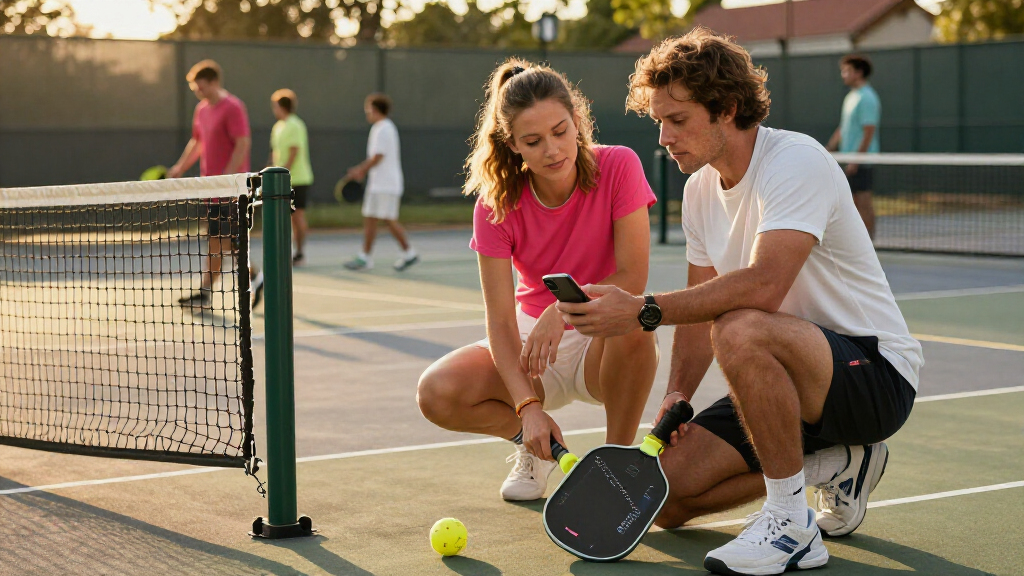
The proposed workflow is for a player or club to mount a phone at the court fence. Software would then identify individual rallies, label shot types and errors, rate rally quality and assemble a session highlight reel. It would also track skill metrics over time, with the aim of helping players understand performance changes, including movement in their DUPR ratings.
The concept addresses a familiar limitation of casual play: without recording, rallies disappear as soon as they end, and players may have little concrete feedback on practice areas such as the third-shot drop. IdeaNavigator AI frames this as an access problem, but offers no survey results or other evidence quantifying how many players want the service.
The suggested business model combines a consumer subscription with partnerships at facilities that could provide courts with mounted cameras. To test the idea, the proposal recommends deploying phones at three clubs, processing 200 sessions and measuring repeat usage and subscription conversion among club members. Those figures describe a proposed validation plan, not completed trials or established product performance.
From Casual Play to Reviewable Rallies
If it works as described, the app could make video review more convenient for recreational players who do not have a coach or a dedicated recording setup. Rally clips and shot labels could help users revisit particular points, while trends might give them a more specific account of practice than a rating number alone.
The rating feature also sets a higher bar than simply saving video. Players would need to understand what the app is measuring and how its assessments relate to actual progress. A rally-quality score is not the same as an official DUPR rating; the proposal describes metrics intended to explain rating movement, but does not establish that the app would calculate, change or validate DUPR scores.
For clubs, the model could create a service to offer members and a way to support organized play or coaching. But that depends on whether players use the clips repeatedly, accept the camera setup and are willing to pay. The proposed club test focuses on those questions rather than presenting a proven market.
As an affiliate, we earn on qualifying purchases.
The Proposed Court-Side Setup
The idea is aimed at recreational pickleball players seeking both improvement and a record of memorable rallies. Its premise is that a phone already available at a court could capture enough of a game for software to identify rallies and classify play. The proposal describes the use of vision models as an opportunity, not as a demonstrated technical capability.
Its scope is narrower than a general coaching platform: mount a phone, process a session and return clips and performance indicators. The plan places the concept in the broader racquet-sports consumer technology market and identifies clubs as potential partners. It does not provide a product name, launch schedule, pricing, participating facilities or details of any existing prototype.
As an affiliate, we earn on qualifying purchases.
Accuracy, Demand and Rating Links
Technical performance is unreported. The proposal does not show how reliably software could follow the ball and players, detect the start and end of rallies, identify shot types or distinguish an error from a difficult but successful shot. It also gives no information about phone placement, lighting, crowded courts, privacy controls or how recordings would be stored and shared.
Commercial and rating questions are open as well. There are no subscription prices, conversion figures or repeat-use results. The proposal does not explain how its skill metrics would be calculated, how they would be checked against coaching assessments, or whether any connection to DUPR data is planned. Its description of rating movement is an intended user benefit, not proof that the app can explain why a rating changed.
As an affiliate, we earn on qualifying purchases.
Three-Club Test Would Check Use
The next step set out in the proposal is a pilot at three clubs, using mounted phones to process 200 sessions. The proposed measures are whether players return to use the service and whether club members convert to paid subscriptions. No start date, club commitments or findings are supplied.
Those measures could indicate whether the basic workflow attracts users, but they would not by themselves establish that shot tags and ratings are accurate. Any fuller assessment would need to report how the system performs in real court conditions and whether players find its feedback useful over time. Until results or a product release are announced, the app remains a concept under consideration rather than an available, validated service.
Source: IdeaNavigator AI
As an affiliate, we earn on qualifying purchases.
Key Questions
Is the rally-replay app available now?
The proposal does not say that an app has launched or provide a release date. It describes a concept and a possible club pilot.
What would the app do during a session?
A phone mounted at the fence would record play. The proposed software would divide footage into rallies, tag shot types and errors, rate rally quality, create a highlight reel and track selected skill metrics.
Would it change a player’s DUPR rating?
No such function is confirmed. The concept says skill trends could help players understand rating movement, but does not describe an official DUPR integration or a method for changing ratings.
How would the idea be tested?
The suggested test is to install mounted phones at three clubs, process 200 sessions and track repeat use and subscription conversion among club members. No test results are available in the proposal.
How much would a subscription cost?
No price is provided. The proposed revenue model mentions consumer subscriptions and partnerships with facilities, without giving terms or pricing.
Source: IdeaNavigator AI
Halloween Picks
halloween
As an affiliate, we earn on qualifying purchases.