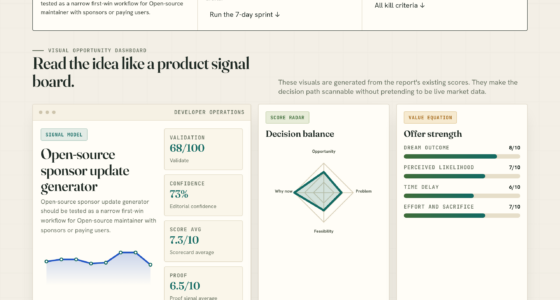

📊 Full opportunity report: Voice AI Cloning Licensing: A Smart Approach for Voice Actors on IdeaNavigator AI — validation score, market gap, and execution plan.

Get the little things that make your day delivered free — and shop member deals
- Fast, free delivery on millions of items
- Access to Prime Big Deal Days deals on October 6–7
- Prime Video, Amazon Music and more included
TL;DR
A new licensing and approval hub for voice actors’ AI voice clones is being tested. It aims to streamline licensing, enforce usage terms, and improve payment tracking, addressing industry concerns.
Developers are testing a new licensing platform designed specifically for voice actors to manage and monetize their AI voice clones. This platform aims to provide a structured workflow for licensing, approvals, and payments, addressing longstanding industry challenges amid increasing commercial use of synthetic voices.
The platform allows voice actors to create license listings outlining permitted use cases, restrictions, and per-project rates. Buyers can submit project requests, which voice actors can approve or reject with a single click. Approved uses are logged with payment terms, creating an auditable trail. The initiative is currently in a pilot phase, involving ten voice actors with existing AI clones, and aims to validate whether this workflow can facilitate real licensing deals.
According to sources involved in the testing, the platform’s goal is to simplify licensing, improve transparency, and ensure fair compensation for voice actors. The model proposes earning a percentage commission on each approved licensing transaction, providing a revenue stream for the platform while offering voice actors greater control over their AI-generated voices.
Why Structured Licensing Matters for Voice Actors
This development addresses a critical gap in the AI voice industry: the lack of a formal, enforceable licensing process for synthetic voices. As commercial use of AI voices grows, voice actors face challenges in controlling how their voices are used, tracking licensing, and receiving fair payment. Implementing a structured licensing platform could set industry standards, protect rights, and create new revenue opportunities, making it a significant step forward for talent rights management in AI voice technology.
AI voice cloning licensing platform
As an affiliate, we earn on qualifying purchases.
As an affiliate, we earn on qualifying purchases.
Industry Challenges and the Rise of AI Voice Cloning
Over recent years, AI voice cloning has transitioned from experimental tech to a commercially viable tool used across entertainment, advertising, and virtual assistants. However, licensing and rights management remain decentralized and informal, often relying on ad hoc agreements via email. This has raised concerns about consent, scope, and compensation, especially as AI-generated voices can be easily replicated and distributed without clear oversight. Recent legal and union attention has heightened the urgency for formal licensing and rights frameworks, prompting efforts like this pilot platform to establish industry best practices.
“This platform could finally give voice actors a way to control and monetize their AI voices reliably and transparently.”
— an anonymous industry source
voice actor AI voice license management
As an affiliate, we earn on qualifying purchases.
As an affiliate, we earn on qualifying purchases.
Uncertainties About Platform Effectiveness and Adoption
It remains unclear how widely this licensing approach will be adopted once testing concludes, and whether it will effectively address all licensing challenges. Questions also linger about how the platform will scale, enforce agreements, and handle disputes, especially as AI voice technology evolves rapidly and legal frameworks adapt.
AI voice rights management software
As an affiliate, we earn on qualifying purchases.
As an affiliate, we earn on qualifying purchases.
Next Steps for Licensing Platform Validation and Expansion
The pilot involves ten voice actors and five project requests to test the workflow’s practicality. If successful, developers plan to expand the platform to include more voice talent and industry partners, aiming to establish a standardized licensing process. Further, they will evaluate user feedback, refine the system, and seek industry partnerships to promote adoption.
voice actor voice cloning monetization tools
As an affiliate, we earn on qualifying purchases.
As an affiliate, we earn on qualifying purchases.
Key Questions
How does the licensing platform work for voice actors?
Voice actors create license listings specifying permitted uses, restrictions, and rates. Buyers submit project requests, which actors approve or reject. Approved uses are logged with payment terms, creating an audit trail and facilitating licensing management.
Will this platform prevent unauthorized use of AI voices?
The platform aims to provide a controlled licensing environment, but enforcement of usage restrictions outside the system depends on legal and technical measures. It is designed to improve oversight and transparency.
Is this licensing approach legally binding?
While the platform creates enforceable licensing records, legal validity will depend on jurisdiction and contractual terms. It is intended to complement existing rights management frameworks.
When will this platform be available for broader use?
The current pilot is ongoing, with no confirmed date yet for wider release. Success depends on pilot results and industry acceptance.
How will voice actors benefit financially from this system?
Voice actors can earn a percentage commission on each licensing deal approved through the platform, providing a new revenue stream and better control over their AI voice assets.
Source: IdeaNavigator AI
NFL season / tailgating Picks
team gear
As an affiliate, we earn on qualifying purchases.