
🔍 Read the full analysis: How To Review Your AI Accounts After The 178-Site Malware Incident on ThorstenMeyerAI.com

Get the little things that make your day delivered free with Prime
- Fast, free delivery on millions of items
- Prime Video, Amazon Music and more included
- Member-only deals all year
TL;DR
Security researcher Scott Helme of Report URI says malicious JavaScript reached visitors to sites associated with 178 organizations through Optimizely on November 16. Optimizely says it fixed a vulnerability and removed injected code, but the exact path to access across customer projects and the number of affected visitors remain unclear. People who visited an affected page can take precautionary steps, including reviewing account activity and updating Apple devices.
Malicious JavaScript was delivered to visitors of sites associated with 178 organizations through Optimizely’s web experimentation platform on November 16, according to security researcher Scott Helme of Report URI. Optimizely says an unauthorized party exploited a vulnerability to add code to some customer projects; the code attempted to steal information and, on some Apple devices, direct visitors to exploit kits.
Report URI says it found the code in 188 of 1,611 Optimizely snippets it checked and believes the true number may be higher. The first injection it observed was at 04:21 UTC on November 16; by 23:11 UTC, the infected Optimizely files had been cleaned, according to the researcher. Those observations indicate a roughly 19-hour window, not that every visitor or page was exposed throughout that period.
The script could attempt to replace cryptocurrency wallet addresses on pages or in a clipboard, capture card details entered into a site’s own form fields, collect cookies and screenshots, and send some iPhones and iPads toward the Coruna and DarkSword exploit kits. Report URI says cards entered into hosted payment frames such as Stripe and Adyen were outside the script’s reach. Hudson Rock characterized its findings on the iPhone stage as delivery observations, not demonstrated device compromises.
Optimizely said it had fixed the vulnerability and removed injected code from affected projects. The company also told BleepingComputer that it had ended active sessions, revoked tokens, reset access for affected user accounts, and notified affected customers. Report URI says it found the malicious code in the customer-specific Project JavaScript field, while the rest of each snippet remained unchanged.
Optimizely script attack · Nov 13 – Nov 17, 2026
How one trusted script carried malware to 178 websites
The sites were not hacked themselves. The code arrived inside a file they loaded on purpose.
The route (schematic)
Whether any iPhone was compromised has not been shown.
Timeline (UTC)
- Nov 13Earlier wave through three other providers’ scriptsKissmetrics, StorifyMe, Minute Media
- Nov 16 04:21First Optimizely injection seen
- 08:28Address-swapping payload first seen on a site
- 13:43Card skimmer added
- 17:13iPhone exploit delivery widened
- 19:24Report URI sweep: 186 of 1,611 snippets infected
- 21:52Only 1 of 188 infected snippets left
- 23:11All infected Optimizely files cleaned
- Nov 17 01:02Optimizely confirms the incident on its status page
Sources: Report URI (Scott Helme), Nov 16, 2026, timeline and update of Nov 17; Optimizely status page, Nov 17, 2026; Hudson Rock (Infostealers.com), Nov 16–17, 2026. The route is a schematic.
Graphic: Powered by Thorsten Meyer AI
Steps Visitors Can Take Now
For people who visited a listed site during the incident window, the main concern is not that every account was taken over, but that the script could observe or alter certain activity on an affected page. A wallet address replacement could redirect a transfer if a visitor copied and used the substituted address. Card exposure depended on how the site collected payment details, and cookie theft could potentially put some logged-in sessions at risk. The available reporting does not establish that these outcomes occurred for any particular visitor.
Practical precautions include checking bank and card statements for unfamiliar transactions, reviewing cryptocurrency transfers and destination addresses, and looking for unrecognized sign-ins or account changes. If a visitor entered card details directly into a site’s own form during the relevant period, contacting the card issuer to ask about monitoring or replacement is a reasonable precaution. People should change passwords if they find suspicious account activity, and use unique passwords and multifactor authentication where available. These steps reduce risk but cannot determine whether a device or account was accessed.
Apple users should install a current software update. Report URI specifically advised updating to iOS 18.7.3 or later, or iOS 26.3 or later. The source material says those releases were available before the incident. An update does not prove whether a device encountered the payload, and Hudson Rock cautions that delivery of an exploit-kit link is not evidence that an iPhone was compromised.
Products Worth Considering

BowFlex Results Series 552 SelectTech Adjustable Dumbbell
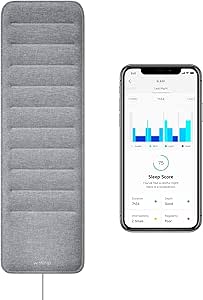
Withings Sleep Under-Mattress Sleep Tracking Pad

Withings Body Scan Smart Scale
As an affiliate, we earn on qualifying purchases.
How the Trusted Script Was Abused
Optimizely Web lets customer websites load a small JavaScript snippet to run experiments on page designs. The snippet can include an optional Project JavaScript field containing custom code that runs on pages. Report URI says the attacker inserted code into that field on customer projects, so the affected sites continued loading a file from a service they already trusted. The researcher said this was not a content delivery network cache-poisoning attack.
Report URI’s published list covers 178 organizations across several sectors, including finance, technology and retail. It includes names such as Zoom, the BBC, CNN, HSBC, Salesforce and IKEA. BleepingComputer said its own urlscan.io checks confirmed the script loaded or attempted to load on a selection of listed sites. A listing does not mean an organization’s entire website, customer base or payment system was exposed: some entries were individual subdomains or tools.
Report URI also described an earlier wave beginning November 13, involving scripts from Kissmetrics, StorifyMe and Minute Media on sites outside its list of 178. Hudson Rock reported a similar pattern. How the code reached those services remains unresolved in the cited accounts.
“An unauthorized party exploited a vulnerability in Experimentation and used it to add malicious JavaScript to some customer projects.”
— Optimizely, in a status-page update posted November 17
What the Investigation Has Not Established
Optimizely has not publicly explained, in the statements cited here, the code-level mechanics of the vulnerability or how it allowed access to multiple unrelated customer projects. Report URI said it did not know how the attacker gained write access across those projects; Hudson Rock also said the company’s disclosure did not explain the flaw’s technical mechanics.
The number of people who encountered the code, the number who entered information while it was active, and whether any accounts, payment details or devices were successfully compromised are not established in the source material. Report URI’s snippet sample is not a count of affected visitors. A site’s appearance on the list also does not establish that all its pages loaded the script. The relationship between the November 13 activity involving three other providers and the Optimizely incident has not been fully explained.
Follow-Ups for Customers and Visitors
Optimizely says it has notified affected customers and taken steps to end sessions, revoke tokens and reset access. Customers will need to establish which projects and pages were affected, whether their own forms handled sensitive information, and whether any suspicious activity followed. Visitors can monitor financial and online accounts and act on specific signs of misuse rather than assume compromise from a site listing alone.
Further updates from Optimizely and independent researchers may clarify how the signup-flow vulnerability worked, how many projects were affected, and whether investigators found evidence of successful theft or device compromise. Until those details are published, the reported exposure window and capabilities of the script should not be treated as proof that a particular visitor’s information was stolen.
Key Questions
Does a listed organization’s presence mean its whole website was affected?
No. Report URI’s list identifies organizations with affected snippets, and some entries were specific subdomains or tools. Hudson Rock said a subdomain listing does not establish exposure across an organization’s entire site or customer base.
What should I check if I visited one of the sites?
Review bank and card statements, cryptocurrency activity, and account sign-in or security notifications for unfamiliar activity. If you entered card details into a site’s own form during the incident window, ask your card issuer what monitoring or replacement steps it recommends. The reporting does not show that every visitor was compromised.
Were iPhones confirmed to be compromised?
No such confirmation appears in the source material. Report URI said the code could direct some Apple devices toward exploit kits, while Hudson Rock described its findings as delivery observations rather than demonstrated iPhone compromises. Keep the device updated.
When was the malicious code removed?
Optimizely said it fixed the vulnerability and removed injected code from affected projects. Report URI said it observed the first injection at 04:21 UTC on November 16 and that infected files had been cleaned by 23:11 UTC that day.
Source: ThorstenMeyerAI.com