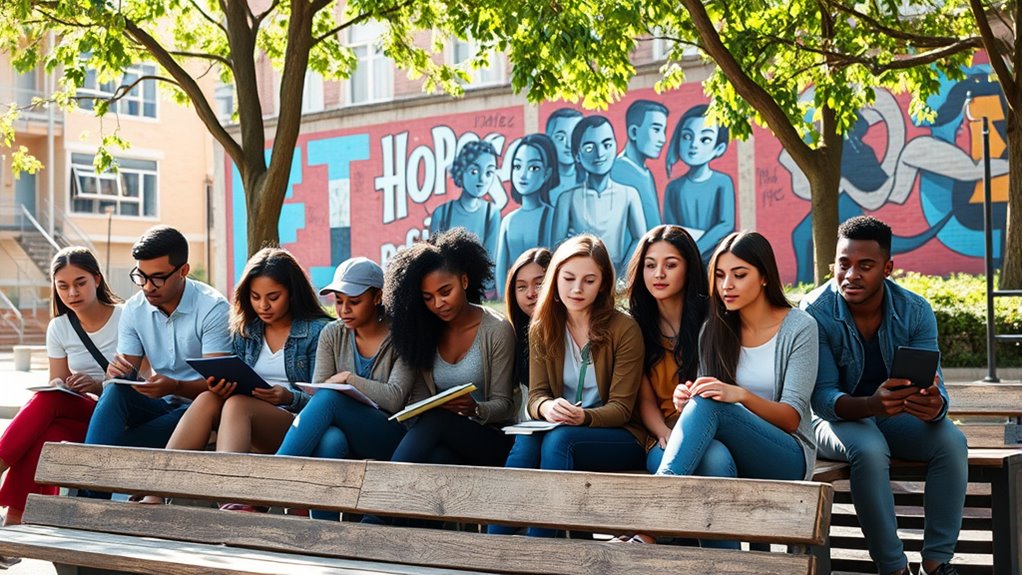

To prepare youth for uncertain futures, focus on building their resilience by strengthening emotional regulation, coping skills, and self-efficacy. Support from family, schools, and peers plays a vital role, especially in digital or hybrid learning environments that challenge social connections. Encourage activities that develop adaptability, problem-solving, and stress management. Developing these traits helps students manage setbacks and thrive amid change. Keep exploring, and you’ll discover effective strategies to boost resilience even further.
Key Takeaways
- Building emotional regulation and coping skills enhances students’ ability to manage stress and adapt to change.
- Creating supportive learning environments and strong social networks fosters resilience and emotional well-being.
- Early intervention and mental health resources help students develop problem-solving skills and mental toughness.
- Incorporating stress management techniques like mindfulness prepares youth to navigate uncertainties confidently.
- Tailoring support based on demographic and cultural backgrounds ensures resilience-building strategies are effective and inclusive.
Understanding the Foundations of Student Resilience

What exactly underpins student resilience, and how can understanding its foundations help us foster it more effectively? The core of resilience lies in your emotional regulation and coping skills. When you can manage your emotions and adapt to setbacks, you build a mental toughness that helps you bounce back from challenges. Your individual traits, like self-efficacy and problem-solving ability, play a vital role. Recognizing these elements allows educators, families, and you to target interventions that strengthen these skills early on. Although family, school, and social influences matter, your personal emotional resilience forms the foundation for overcoming stress and adversity. By focusing on developing emotional regulation and coping strategies, you lay the groundwork for long-term resilience, empowering you to navigate future uncertainties confidently. Incorporating core concepts from resilience research can further inform strategies to enhance student resilience effectively.
Demographic Factors Influencing Resilience Development

Have you ever wondered how your background and identity influence your ability to develop resilience? Your demographic factors, like gender, socioeconomic status, and cultural background, play a significant role. For example, studies show that gender differences can affect resilience levels, with some research indicating women report higher emotional regulation, while men may exhibit different coping styles. Socioeconomic status impacts access to resources and support systems, shaping resilience development. Cultural values influence how challenges are perceived and addressed, affecting your motivation and social support networks. Recognizing these factors helps you understand that resilience isn’t solely individual but shaped by your environment and identity. Additionally, understanding your creative practice can foster resilience by encouraging experimentation and learning from failures. By understanding your unique background, you can better leverage strengths and seek support tailored to your experiences.
The Impact of Digital and Hybrid Learning Environments

Digital and hybrid learning environments markedly influence student resilience by introducing both new stressors and opportunities for growth. You might find the constant connectivity overwhelming, leading to feelings of isolation or burnout. Technical issues, self-discipline challenges, and the lack of in-person support can heighten stress levels. However, these environments also foster adaptability, self-motivation, and digital literacy, which are essential resilience skills. You learn to navigate ambiguity, manage your time independently, and seek resources proactively. Hybrid setups, blending online and face-to-face learning, offer flexibility that supports diverse needs. While they can increase feelings of disconnection, they also encourage you to develop coping strategies for managing uncertainty. Monitoring learning trends and adjusting strategies accordingly can further strengthen your resilience, preparing you for unpredictable futures.
Key Individual Traits That Foster Resilience

Key individual traits play a essential role in fostering resilience among students, as they determine how effectively you can adapt to challenges and setbacks. Emotional regulation is critical; it helps you stay calm and focused during stressful situations. Coping skills enable you to manage setbacks constructively, turning failures into learning opportunities. Self-efficacy, or confidence in your abilities, encourages persistence and effort, even when facing difficulties. Optimism allows you to view challenges as manageable rather than overwhelming. Adaptability helps you adjust your strategies when circumstances change, maintaining progress toward your goals. These traits work together to strengthen your mental resilience, making it easier to recover from setbacks, stay motivated, and navigate uncertain futures with confidence. Developing these qualities is essential for long-term success and well-being. Additionally, understanding the role of contrast ratio in visual clarity can inspire confidence in your ability to adapt to new environments and tools.
The Role of Social Support and School Resources

Social support and school resources play a crucial role in developing and sustaining student resilience by providing emotional encouragement, practical assistance, and a sense of belonging. When you have trusted teachers, counselors, and peers, you feel more connected and confident to face challenges. Schools that offer mental health services, mentoring programs, and extracurricular activities create environments where students can seek help and build skills. These resources help you develop emotional regulation and problem-solving abilities, making setbacks feel more manageable. A strong support network fosters resilience by reminding you that you’re not alone and that help is available. By engaging with school resources and maintaining positive social connections, you strengthen your capacity to adapt, persist, and thrive amid uncertainties.
Benefits of Resilience for Academic and Mental Health Outcomes
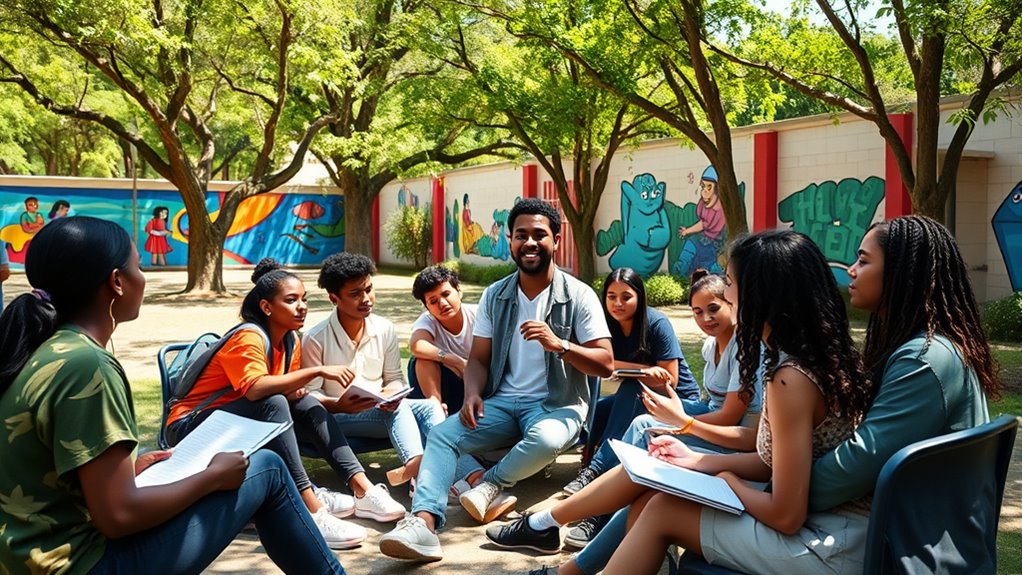
Building resilience can directly boost your academic success and mental well-being. When you’re resilient, you handle stress better and stay motivated, which leads to improved performance. Plus, resilience helps you recover faster from setbacks and maintain a positive outlook. Developing healthy habits supports resilience and contributes to overall well-being.
Improved Academic Performance
Resilience plays a crucial role in enhancing academic performance by enabling you to better manage stress and overcome setbacks. When you develop resilience, you’re more likely to stay focused and motivated, even when faced with challenges. Resilient students tend to persist through difficult tasks, demonstrating greater self-efficacy and confidence in their abilities. This mental toughness helps you adapt to new learning environments, such as hybrid or digital settings, reducing the impact of stressors that can hinder your progress. Research shows that resilient students perform better academically, with higher grades and improved retention. Additionally, cultivating resilience can improve your ability to handle stress management more effectively, leading to a more positive learning experience. By cultivating resilience, you can maintain a positive attitude toward learning, bounce back quickly from failures, and sustain your effort over time—key ingredients for academic success.
Enhanced Mental Well-being
Developing resilience not only boosts your academic success but also considerably enhances your mental well-being. When you build resilience, you become better at managing stress, reducing feelings of helplessness, and recovering from setbacks quickly. Resilient students report feeling less anxious and more confident in their abilities, which helps improve overall mood. They’re more likely to seek support when needed and practice healthy coping strategies. This mental strength fosters a positive outlook, making everyday challenges feel more manageable. As a result, your mental health improves, decreasing the risk of depression and anxiety. Resilience creates a buffer against the emotional toll of academic pressures and personal setbacks, enabling you to maintain a balanced mind and stay focused on your goals despite difficulties.
Current Trends and Challenges in Student Well-being
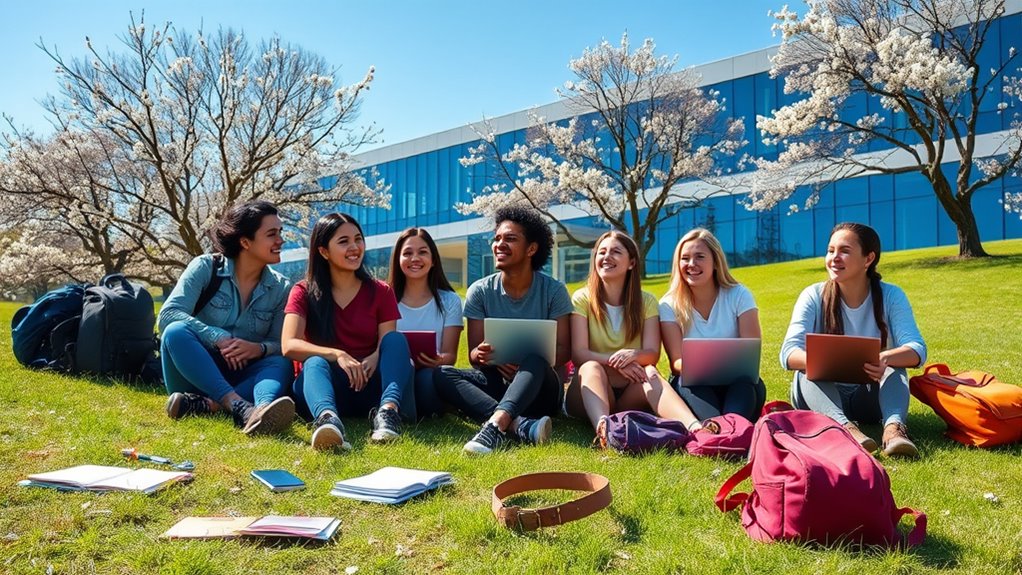
Current trends in student well-being reveal a growing awareness of mental health challenges, yet many schools still struggle to provide adequate support. You may notice increased stress, anxiety, and social disconnection among students, often exacerbated by remote and hybrid learning. Schools face obstacles like limited resources and stigma that hinder mental health initiatives. Additionally, integrating digital literacy into school curricula can help equip students with essential skills for navigating online environments safely and responsibly.
- Mental health issues are more visible and prevalent in classrooms.
- Less than half of public schools offer holistic mental health services.
- Chronic fatigue and overstimulation impair concentration and mood.
- Family dynamics and economic pressures continue to impact student resilience.
While openness about mental health is rising, systemic barriers remain. Addressing these challenges requires targeted efforts to improve access, destigmatize mental health, and foster supportive environments that help students adapt and thrive amid ongoing uncertainties.
Evidence-Based Strategies to Build Resilience

You can reinforce your resilience by practicing emotional regulation techniques that help manage stress and setbacks. Building strong support networks with friends, family, and mentors provides essential encouragement during tough times. Early intervention strategies, like recognizing mental health needs early, ensure you get the help you need before challenges escalate. Incorporating stress management techniques such as mindfulness and breathing exercises can further strengthen your capacity to adapt to uncertainty.
Emotional Regulation Techniques
Effective emotional regulation is essential for building resilience in students, enabling you to manage stress, navigate challenges, and recover quickly from setbacks. When you learn to control your emotions, you can stay focused and respond thoughtfully rather than react impulsively. Evidence-based strategies help develop these skills and include:
- Practicing mindfulness to stay present and reduce anxiety.
- Using deep breathing exercises to calm your nervous system during stressful moments.
- Reframing negative thoughts to foster a growth mindset.
- Engaging in journaling to process emotions and reflect on experiences.
- Incorporating sound design techniques can also enhance emotional awareness and regulation by creating calming or stimulating audio environments.
Strengthening Support Networks
Building strong support networks plays a vital role in enhancing student resilience by providing emotional, social, and academic resources during challenging times. You can foster these networks by encouraging open communication among students, teachers, and families. Create safe spaces where students feel comfortable sharing struggles and seeking help. Collaborate with peers through group activities or mentorship programs that promote connection and mutual support. Schools should also connect students with mental health professionals and community resources when needed. Recognize the importance of peer support in normalizing mental health conversations and reducing stigma. By strengthening these networks, you help students develop a sense of belonging and confidence to navigate setbacks. Understanding the prevalence of challenges students face can motivate schools to prioritize support systems, ensuring they are adequately equipped to assist students through adversity. Ultimately, resilient students draw strength from their relationships, enabling them to adapt and thrive amid adversity.
Early Intervention Strategies
How early intervention programs can bolster student resilience is supported by a growing body of evidence demonstrating their long-term benefits. You can implement targeted strategies that identify mental health needs early, providing support before issues escalate. These programs foster emotional regulation, coping skills, and social-emotional learning, equipping students to handle adversity. Early intervention also encourages collaboration among teachers, counselors, and families, creating a strong support network. When you act promptly, you reduce the likelihood of academic failure, mental health challenges, and dropout rates. Investing in early intervention sets students up for long-term success, helping them develop resilience that withstands future stressors and uncertainties.
- Identifying at-risk students through screening and assessment
- Providing tailored mental health and social-emotional support
- Training staff in resilience-building techniques
- Engaging families in ongoing mental health conversations
Preparing Youth for an Uncertain Future Through Resilience Building

Are today’s youth prepared to navigate an unpredictable future? Building resilience is key. You can help prepare them by teaching emotional regulation and coping skills early on. Encourage open conversations about mental health, so they learn to seek support without stigma. Schools and families should foster environments where youth feel safe to take risks, make mistakes, and learn from setbacks. Incorporate activities that develop adaptability, problem-solving, and stress management. Providing opportunities for leadership and social connection strengthens resilience, making them more confident in facing challenges. Emphasizing growth mindset and emphasizing that setbacks are part of learning helps youth develop perseverance. Ultimately, resilience isn’t just about bouncing back but thriving amid uncertainty, equipping them for whatever the future holds.
Frequently Asked Questions
How Can Parents Effectively Support Their Child’s Resilience Development at Home?
You can support your child’s resilience at home by fostering open communication, encouraging emotional expression, and modeling healthy coping strategies. Offer consistent support during setbacks and praise their effort rather than just achievements. Help them build problem-solving skills and teach stress management techniques. Creating a stable environment, setting realistic expectations, and validating their feelings build confidence and adaptability, empowering your child to navigate challenges more effectively.
What Role Does Technology Play in Fostering or Hindering Resilience Among Students?
Technology is a double-edged sword, shaping resilience in both nurturing and challenging ways. It can foster resilience by providing access to mental health resources, online support groups, and skill-building apps that help you learn emotional regulation and coping strategies. However, it can also hinder resilience when excessive screen time leads to isolation, anxiety, or overstimulation. Use technology mindfully to build strength, not as a barrier to your growth.
How Do Cultural Differences Influence Resilience Strategies in Diverse Student Populations?
You should recognize that cultural differences shape how students develop resilience strategies. In some cultures, collective support and family involvement are central, while others emphasize individual independence and self-reliance. By understanding these variations, you can tailor your approach to foster resilience effectively. Respect diverse backgrounds, encourage culturally relevant coping mechanisms, and create inclusive environments where students feel valued and supported, helping them navigate challenges with confidence.
What Are the Long-Term Effects of Early Resilience Interventions on Adult Success?
You might be surprised how early resilience interventions shape your future success. When started early, these programs boost emotional regulation, coping skills, and mental health, creating a foundation for lifelong achievement. Over time, resilient individuals tend to excel academically, sustain better mental health, and adapt more easily to life’s challenges. This early support doesn’t just influence today—it sets the stage for a confident, thriving adult life.
How Can Universities Integrate Resilience Training Into Existing Academic Programs?
You can integrate resilience training into existing academic programs by embedding emotional regulation and coping skills into coursework, offering workshops, and incorporating resilience assessments. Encourage faculty to foster supportive environments that promote mental health awareness. Use real-world challenges to teach problem-solving and stress management. By aligning these strategies with your curriculum, you help students build resilience, improve academic outcomes, and prepare them for future uncertainties.
Conclusion
Imagine resilience as a sturdy ship steering through stormy seas—you’ll face unpredictable waves, but with strong roots and support, you’ll stay afloat. By building your inner traits, seeking help when needed, and embracing change, you prepare yourself for life’s uncertainties. Remember, every challenge is like a gust of wind shaping your vessel. With resilience, you’ll sail confidently into the future, ready to face whatever storms come your way.