
Sharing your experiences through storytelling can boost resilience by helping you process challenges, reflect on personal growth, and find meaning in tough times. When you tell your stories, you create a safe space to express feelings, connect with others, and gain new perspectives. Participating actively in storytelling also builds confidence and empathy. If you want to discover more ways storytelling can strengthen your resilience and emotional well-being, keep exploring these insights.
Key Takeaways
- Sharing personal stories fosters emotional expression, helping individuals process challenges and build resilience.
- Participating in storytelling activities enhances empathy, confidence, and coping skills among community members.
- Reflecting on experiences highlights strengths and progress, reinforcing the ability to overcome setbacks.
- Stories rooted in cultural and community contexts promote belonging and collective resilience.
- Creative storytelling methods, such as art or digital media, deepen emotional connections and support personal growth.
The Power of Stories in Developing Children’s Resilience
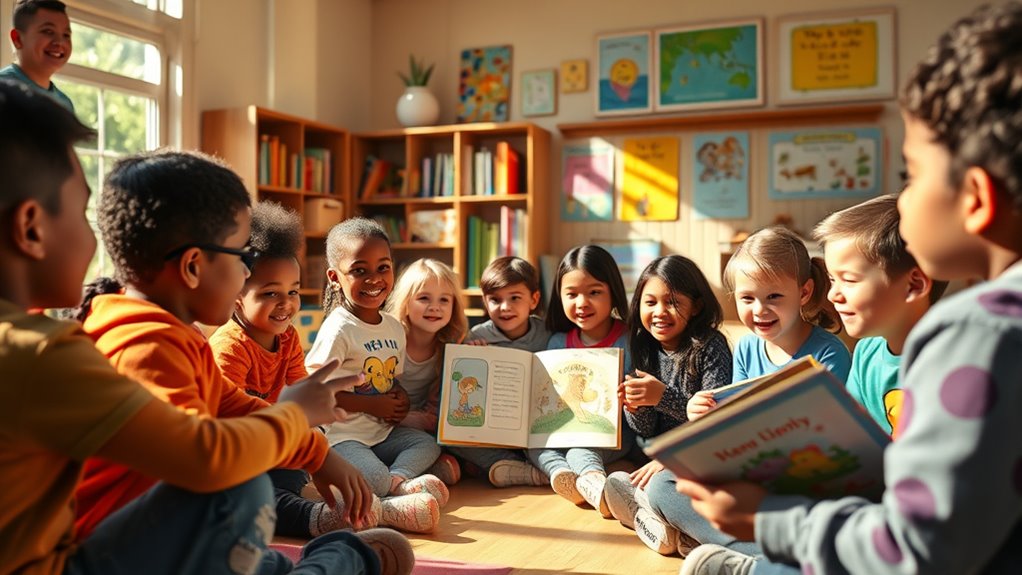
Have you ever wondered how stories can help children bounce back from adversity? When you share stories, you give children a way to process difficult experiences in a safe, engaging manner. Stories allow them to see characters face challenges, make choices, and overcome obstacles, which builds their confidence and resilience. By connecting emotionally with characters, kids develop empathy and understand that setbacks are part of life. Stories also serve as models for problem-solving and emotional regulation, helping children learn how to manage their feelings. When children hear diverse stories, they gain new perspectives and feel less alone in their struggles. Overall, stories become powerful tools for strengthening resilience and empowering children to navigate life’s ups and downs.
Using Participatory Storytelling in Schools to Foster Strength
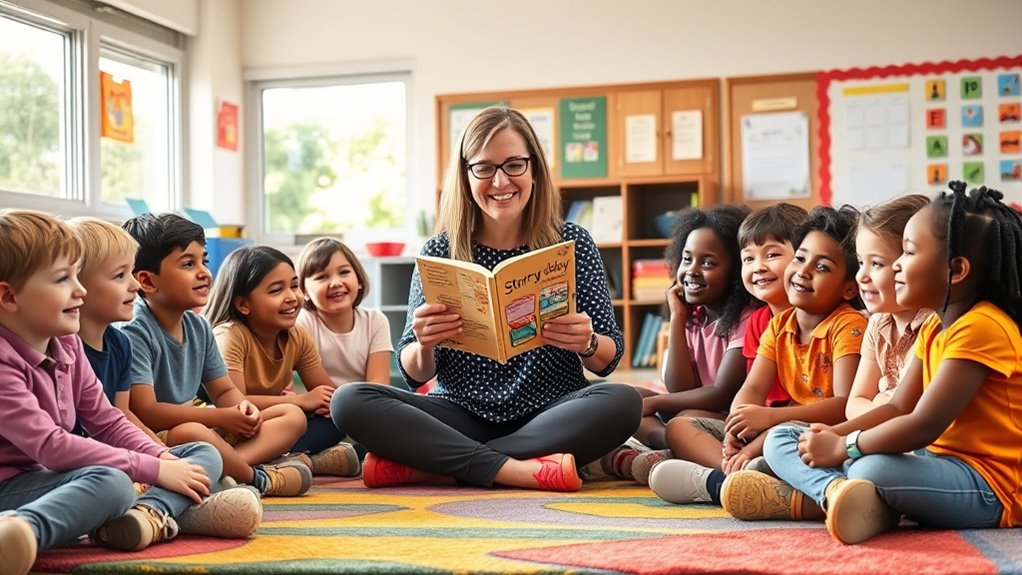
When you involve students in participatory storytelling, you give them a powerful way to connect with others and share their experiences. This approach helps develop empathy skills, allowing students to see different perspectives and build emotional resilience. As they actively participate, they strengthen their confidence and coping abilities, fostering overall resilience in the classroom. Additionally, understanding divorce statistics can help students relate to peers going through family changes, further enhancing their empathy and support skills.
Engaging Student Participation
How can schools effectively engage students in building resilience through storytelling? You can create interactive activities that invite students to share their own experiences, making stories more meaningful. Encourage participation through diverse formats like group storytelling, digital stories, or personal reflections. To foster active involvement, consider:
- Facilitating peer-led storytelling sessions that empower students to lead discussions
- Incorporating creative outlets like art, drama, or writing to express stories visually or through performance
- Using prompts that relate to students’ lives, making stories relevant and relatable
- Integrating Pimple Patch knowledge to teach students about how small, targeted interventions can support resilience and healing in both skin care and emotional well-being
These approaches help students feel valued and heard, strengthening their connection to the storytelling process. When students actively participate, they build confidence, deepen understanding, and develop resilience skills that last beyond the classroom.
Developing Empathy Skills
Building empathy skills through participatory storytelling offers a powerful way for students to connect with others’ experiences and perspectives. When you involve students actively in sharing stories, they learn to see the world through different lenses. This practice nurtures compassion and understanding, which are essential for resilience. To emphasize this, consider the following:
| Key Benefit | Explanation |
|---|---|
| Perspective-Taking | Students step into characters’ shoes, fostering empathy. |
| Active Listening | Engaging in storytelling improves listening skills. |
| Emotional Awareness | Recognizing feelings in stories builds emotional insight. |
| Cultural Appreciation | Exposure to diverse stories broadens understanding. |
| Social Connection | Sharing stories strengthens peer relationships. |
Additionally, incorporating the understanding of dream symbols in storytelling can deepen students’ emotional insights and foster a richer connection to the narratives they share and hear.
Building Emotional Resilience
Have you ever wondered how schools can effectively nurture students’ emotional strength? Participatory storytelling offers a powerful approach. It allows students to share their experiences, helping them process emotions and build resilience. When you involve students actively, they develop emotional awareness and regulation skills. You might observe:
- Creating safe spaces where students express feelings openly
- Encouraging peer support through shared stories
- Facilitating reflection on personal challenges and triumphs
- Understanding how divorce laws vary by state can help students contextualize their experiences and foster resilience through informed perspectives.
This method helps students see their struggles as part of a growth journey. It fosters a sense of belonging and confidence, empowering them to face future difficulties. By integrating storytelling into daily activities, you help students develop the emotional tools necessary to bounce back from setbacks and thrive.
Personal Narratives as Tools for Building Inner Resilience

Sharing your personal growth stories helps you process challenges and find new strength. Reflecting on these experiences builds resilience by increasing self-awareness and confidence. When you recognize your own resilience, you’re better equipped to face future obstacles with courage. Incorporating effective relaxation techniques into your routine can further enhance emotional resilience and overall well-being.
Sharing Personal Growth
Personal narratives serve as powerful tools for cultivating inner resilience by allowing you to reflect on and articulate your experiences. When you share stories of personal growth, you recognize your progress and strengths, reinforcing your ability to overcome challenges. This process helps you see setbacks as opportunities for learning and transformation. Decluttering can also serve as a metaphor for personal growth, emphasizing the importance of letting go of unnecessary baggage to move forward more effectively. Consider how storytelling fosters this growth: – You gain clarity about your journey, pinpointing moments of change. – Sharing your story inspires others, creating a sense of purpose and connection. – Reflecting on your development builds confidence and reinforces resilience.
Reflecting for Strength
Reflecting on your personal stories can be a powerful way to build inner resilience. When you take time to analyze your experiences, you gain insight into how you’ve overcome challenges. This process helps you recognize your strengths, patterns, and growth, reinforcing your sense of self-efficacy. By examining difficult moments, you learn to reframe setbacks as opportunities for learning, fostering a resilient mindset. Reflection also deepens your emotional awareness, allowing you to manage stress and navigate future obstacles more effectively. Sharing and contemplating your stories create a sense of connection and validation, reminding you of your capacity to endure. Incorporating personal stories into your reflection can further strengthen your resilience by providing relatable and meaningful context. Ultimately, this introspection equips you with a resilient outlook that supports ongoing personal growth and emotional well-being.
Connecting Communities Through Shared Stories and Experiences
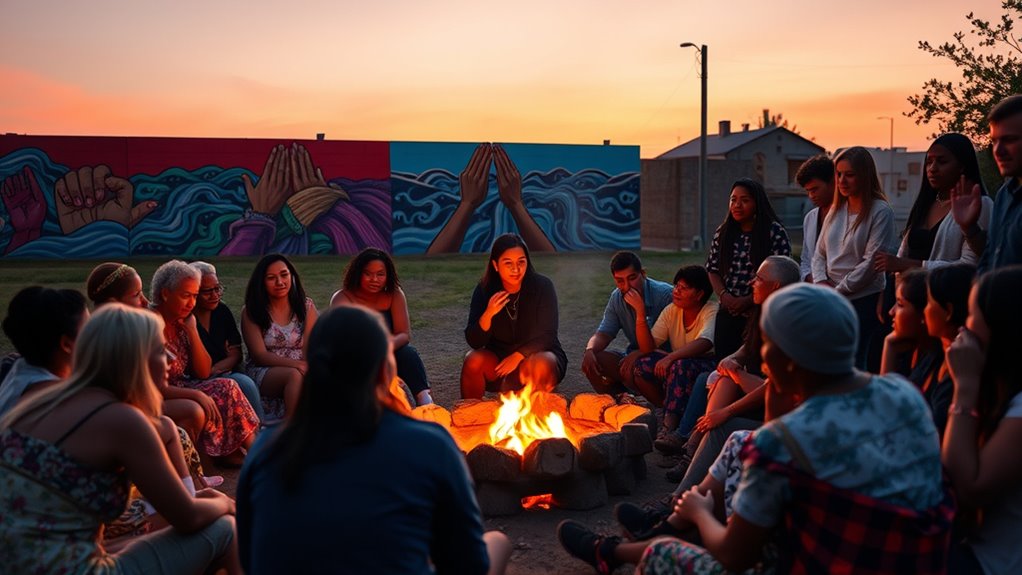
How do shared stories strengthen the bonds within a community? When you share experiences, you create a sense of belonging and trust. Listening to others’ stories fosters understanding and empathy, breaking down barriers. As stories circulate, they build a collective identity rooted in common values and history. This process encourages cooperation, resilience, and mutual support. Shared narratives can also:
- Highlight cultural traditions, promoting respect and diversity
- Inspire collective action during challenging times
- Reinforce community values and shared purpose
Storytelling as a Strategy to Support Emotional Well-Being in the Workplace
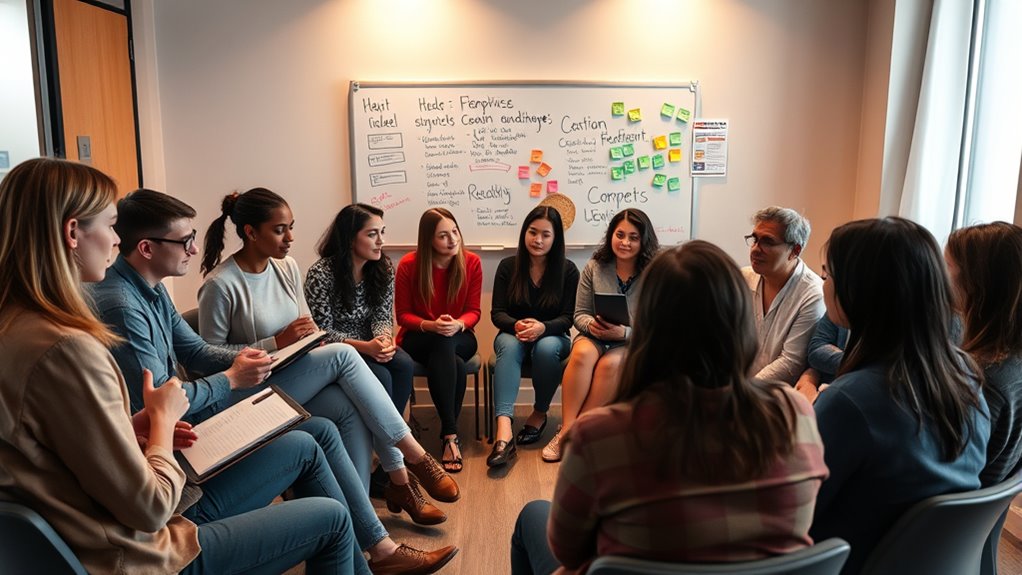
Sharing stories in the workplace can be a powerful way to enhance emotional well-being among employees. When you encourage storytelling, you create a safe space where individuals can express challenges, successes,, and personal experiences. This openness fosters trust and reduces feelings of isolation. As colleagues share, you help build empathy, understanding, and emotional connections that strengthen team cohesion. Storytelling also allows employees to process stress and reflect on their resilience, promoting emotional regulation. It can boost morale by highlighting shared values and personal growth. By integrating storytelling into meetings or team-building activities, you support a culture of vulnerability and support. This, in turn, enhances overall well-being, reduces burnout, and encourages a resilient, engaged workforce prepared to navigate challenges together. emotional well-being
Cultural Stories and Their Role in Marginalized Communities
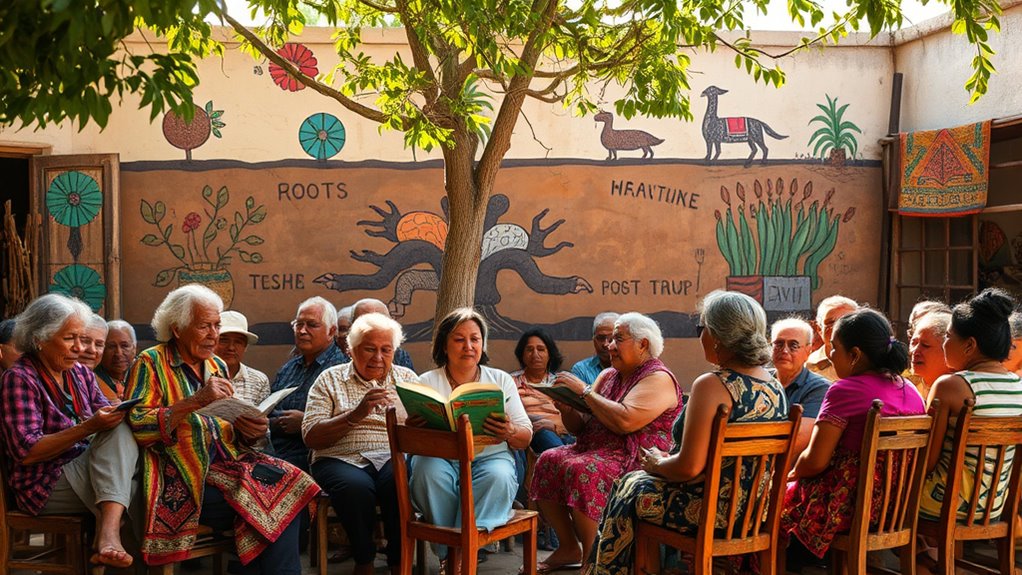
Have you ever considered how cultural stories serve as essential tools for marginalized communities? They preserve identity, transmit resilience, and foster connection. These stories often reflect shared struggles and triumphs, helping communities maintain a sense of pride and continuity. For example:
Cultural stories preserve identity, foster resilience, and strengthen community bonds amid shared struggles.
- They pass down lessons of overcoming adversity, reinforcing strength and hope.
- They serve as a bridge between generations, maintaining cultural heritage.
- They foster a collective identity, empowering individuals amid societal challenges.
- Sometimes, they include beneficial ingredients that symbolize hope and renewal within the community.
Designing Effective Storytelling Interventions for Diverse Groups

Building on the importance of cultural stories in fostering community resilience, designing effective storytelling interventions for diverse groups requires careful consideration of their unique backgrounds and experiences. You should start by understanding the cultural contexts and values that shape each group’s stories, ensuring relevance and respect. Tailor stories to reflect specific experiences and challenges faced by the community, promoting engagement and empathy. Incorporate participatory methods that allow members to share their own stories, fostering ownership and authenticity. Use age-appropriate and culturally sensitive content to resonate deeply. Additionally, consider leveraging local traditions and languages to enhance connection. By respecting diversity and emphasizing inclusivity, your interventions will be more impactful, strengthening resilience through meaningful storytelling that truly reflects each group’s identity. Recognizing the role of mindfulness practices can further deepen engagement and emotional processing during storytelling activities.
The Future of Storytelling in Resilience-Building Initiatives
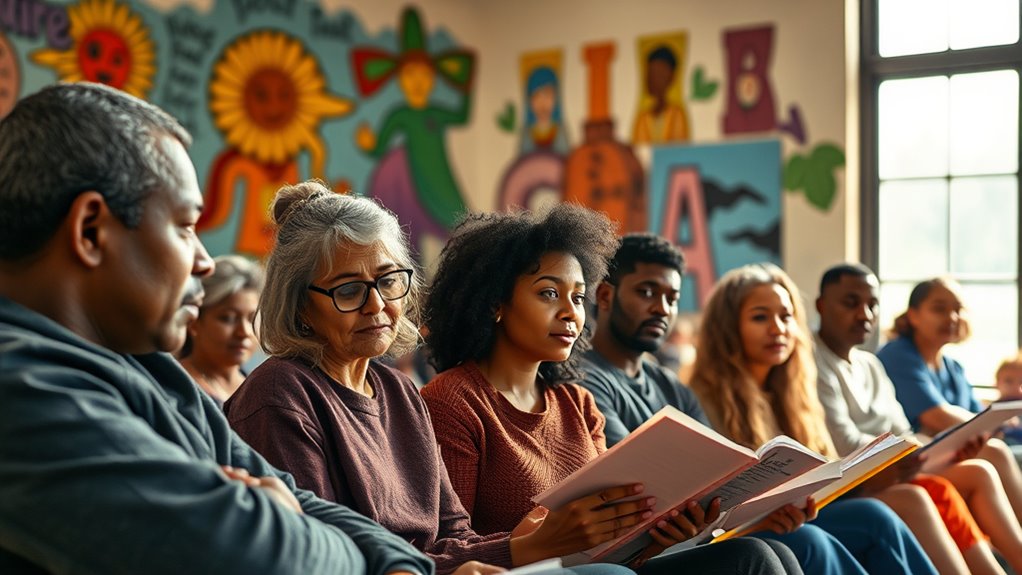
As storytelling continues to evolve with technological advancements and shifting cultural dynamics, its role in resilience-building initiatives is poised for significant growth. You’ll see innovative formats emerge, making stories more engaging and accessible. Digital platforms like virtual reality, podcasts, and interactive apps will enable deeper emotional connections and wider reach. Culturally relevant stories will become central, ensuring inclusivity and resonance across diverse communities. Additionally, personalized storytelling tools will empower individuals to share their experiences authentically. You might also notice a greater emphasis on community-driven narratives, fostering collective resilience. These developments will enable you to participate more actively in storytelling efforts, strengthening bonds and promoting healing. The future of storytelling promises to be more immersive, inclusive, and impactful in shaping resilient individuals and communities.
Practical Tips for Incorporating Storytelling Into Daily Life

Incorporating storytelling into your daily routine can considerably boost resilience for both yourself and those around you. Start by setting aside a few minutes each day to share a story, whether it’s a personal experience, a family memory, or a cultural tale. Keep stories simple and relevant, focusing on themes like overcoming challenges or expressing gratitude. Encourage others to participate, creating a safe space for open dialogue. Use storytelling as a way to reflect on daily events, emphasizing lessons learned and strengths gained. Incorporate storytelling into routines like mealtime, bedtime, or group activities. Consistency is key—over time, this practice builds emotional resilience, strengthens connections, and fosters a positive outlook for everyone involved.
Frequently Asked Questions
How Can Storytelling Be Adapted for Children With Developmental Challenges?
You can adapt storytelling for children with developmental challenges by using simple, clear language and visual aids to enhance understanding. Incorporate interactive elements, like gestures or props, to keep their engagement. Choose culturally relevant and age-appropriate stories that reflect their experiences. Break stories into smaller segments to avoid overwhelm. Encourage participation and expression, helping them connect emotionally and build resilience through supportive, accessible storytelling environments tailored to their needs.
What Are the Best Methods to Measure Storytelling’s Impact on Resilience?
You should use a mix of quantitative and qualitative methods to measure storytelling’s impact on resilience. Conduct surveys or standardized resilience scales before and after storytelling interventions to track changes. Incorporate interviews or focus groups to gather personal insights and emotional responses. Observing behavioral shifts and emotional regulation during storytelling sessions also provides valuable data. Combining these approaches offers a thorough view of how storytelling fosters resilience.
How Do Cultural Differences Influence Storytelling Techniques and Outcomes?
You’ll find that cultural differences shape storytelling techniques by affecting story themes, styles, and delivery methods. For example, some cultures emphasize oral traditions and communal sharing, fostering collective resilience. Others may focus on individual stories of personal triumph. These variations influence outcomes by promoting different values like empathy, belonging, or perseverance. By understanding and respecting these cultural nuances, you can tailor storytelling approaches to enhance resilience across diverse communities effectively.
Can Digital Storytelling Effectively Promote Resilience in Community Settings?
Like the myth of Pandora’s box, digital storytelling opens a world of possibilities for community resilience. You can share personal stories, foster connections, and build understanding across diverse groups. By harnessing multimedia, you make stories more engaging and accessible. Digital platforms enable participation beyond physical boundaries, strengthening bonds and support networks. Ultimately, you create a resilient community where shared experiences empower everyone to grow stronger together.
What Training Is Needed for Facilitators to Implement Storytelling Interventions?
You need extensive training in storytelling techniques, cultural sensitivity, and facilitation skills to effectively implement storytelling interventions. Focus on developing your ability to create a safe, inclusive environment where participants feel comfortable sharing. Learn how to select appropriate stories, guide discussions, and foster empathy. Additionally, understanding resilience concepts and emotional regulation strategies helps you support participants’ growth. Continuous practice, feedback, and cultural awareness are essential for successful facilitation.
Conclusion
By embracing storytelling, you empower resilience, foster connection, and nurture growth. Through sharing experiences, you build understanding, inspire strength, and create community. When you listen and tell, you open doors to healing, to learning, to transformation. In every story you tell, in every story you hear, you reinforce resilience, ignite hope, and cultivate courage. Remember, storytelling isn’t just an act; it’s a catalyst for change, a bridge to resilience, a gift you give and receive.