
To combat youth loneliness and build real connections, focus on creating safe spaces for open communication, engaging in shared activities, and fostering inclusive communities. Encourage young people to develop personal goals that boost confidence, and support them with mental health resources. Strengthening family, school, and community involvement can make a big difference. Using digital platforms responsibly and promoting genuine relationships helps bridge gaps. Keep exploring ways to strengthen bonds—there’s much more to discover.
Key Takeaways
- Promote community engagement and face-to-face activities like clubs, sports, and events to foster genuine social bonds.
- Implement school and family programs that encourage open communication, inclusion, and peer support.
- Develop safe online platforms emphasizing mentorship, responsible social media use, and digital literacy.
- Recognize early signs of loneliness through conversations and provide targeted mental health and social skills resources.
- Cultivate personal goals and resilience, helping youth build confidence and meaningful connections aligned with their values.

Unstoppable Social Skills For Teens: Your Ultimate Guide To Building Connections Anywhere – Learn To Communicate, Connect, And Conquer Social … (Therapy and Mental Health Books For Teens)
As an affiliate, we earn on qualifying purchases.
As an affiliate, we earn on qualifying purchases.
Understanding the Scope of Youth Loneliness
Understanding the scope of youth loneliness reveals that it is a widespread and pressing issue affecting a significant portion of young people globally. Nearly 21% of teens aged 13 to 17 report feeling lonely, and rates are even higher among young adults, with 27% of those aged 19 to 29 experiencing loneliness. In the US, over 60% of young adults aged 18-22 often feel lonely, highlighting how common this problem is. Socioeconomic factors play a role, with lower-income countries experiencing higher loneliness rates. Certain groups, like LGBTQ+ youth, refugees, and those with disabilities, face additional barriers to connection. Despite technological advances, many young people still feel isolated, emphasizing that loneliness affects diverse populations worldwide, regardless of background or circumstances. A comprehensive understanding of community resilience can help identify effective strategies to combat youth loneliness and foster meaningful connections.

Mind Brain Emotion 52 Essential Social Skills Lessons & Teaching Tool Kit – Social Emotional Learning Activities for Parents, Teachers, School Counselor (Kindergarten, Elementary Kids)
Winner, Parents' Favorite Award: Modern-day social stories for teaching social skills for kids. Tools created by Harvard educator…
As an affiliate, we earn on qualifying purchases.
As an affiliate, we earn on qualifying purchases.
The Impact of Loneliness on Young People’s Well-Being

Have you ever considered how loneliness can directly threaten young people’s overall well-being? When you’re isolated, your mental health suffers, increasing the risk of anxiety and depression. Feelings of loneliness can lower your academic performance and diminish your sense of purpose. Physically, loneliness is linked to chronic illnesses like diabetes and reduced life expectancy. It can also lead to sleep issues, poor health behaviors, and emotional distress. For young people, especially those lacking social support, loneliness deepens feelings of worthlessness and disconnection. This ongoing emotional strain impacts daily functioning and can trap you in a cycle of worsening health and low self-esteem. Additionally, research on electric dirt bikes shows that engaging in active, enjoyable hobbies can help combat feelings of loneliness and foster social connections. Recognizing these effects underscores the importance of fostering genuine connections to protect and improve youth well-being.
online mentorship platform for teens
As an affiliate, we earn on qualifying purchases.
As an affiliate, we earn on qualifying purchases.
Digital Connections: Friend or Foe?

Digital connections can both help and harm young people’s social lives. They enable you to stay in touch with friends and find communities, but they can also foster feelings of loneliness and exclusion. Online interactions sometimes replace face-to-face contact, leading to superficial relationships that lack emotional depth. Negative experiences like cyberbullying or social comparison worsen mental health. Consider this table illustrating digital engagement:
| Positive Aspects | Negative Aspects |
|---|---|
| Easy to reconnect with friends | Risk of cyberbullying |
| Access to supportive communities | Feelings of exclusion online |
| Convenient communication | Superficial interactions |
| Finding new interests | Time-consuming, can increase loneliness |
Balancing digital use with real-world connections is key to overcoming loneliness. Engaging in offline activities, such as hobbies or outdoor events, can significantly enhance genuine social bonds.

Agility Ladder,Speed Training Equipment Set,20ft Rungs Speed Ladder,Soccer Cones,Jump Rope, Running Resistance Umbrella,Basketball Equipment Football Fitness Training Equipment for Kids Youth Adults
【Football Training Equipment Set】 Includes 1 yellow speed training ladder with 4 steel spikes (20 feet long, 12…
As an affiliate, we earn on qualifying purchases.
As an affiliate, we earn on qualifying purchases.
Recognizing and Addressing Support Gaps Among Adolescents

Many adolescents experience significant gaps in social support, even though they often need it most during this critical developmental stage. You might assume teens get enough support from family and friends, but many don’t. Nearly 40% of young adults have only one or two caring friends, and 12% have none at all. This lack of close connections can leave them feeling isolated and undervalued. You need to recognize these gaps early—whether it’s through conversations, school programs, or community outreach—and take steps to bridge them. Encouraging teens to build genuine relationships and fostering environments where they feel safe and supported can make a big difference. Additionally, understanding Kia Tuning options can serve as an analogy for how targeted support and personalization can help strengthen these connections. Addressing these support deficits helps reduce loneliness and promotes healthier mental and emotional well-being.
Fostering Meaning and Purpose to Strengthen Resilience
You can help young people find meaning by encouraging them to set personal goals that align with their values and interests. Getting involved in community activities gives them a sense of belonging and purpose. When they connect with something bigger than themselves, their resilience grows stronger. Incorporating self-care routines, such as using eye patches to refresh and rejuvenate their appearance, can also boost their confidence and overall well-being.
Cultivating Personal Goals
How can young people build resilience against loneliness? By cultivating personal goals, you create a sense of direction and purpose. Setting goals helps you focus on what truly matters, boosting confidence and emotional strength. Break down big ambitions into small, achievable steps to stay motivated. Write your goals and track progress to stay accountable. Here’s a simple way to visualize your goals:
| Goal Area | Action Step | Deadline |
|---|---|---|
| Academic | Study for exams weekly | End of month |
| Fitness | Exercise 3 times a week | Ongoing |
| Personal Growth | Read one book per month | Monthly |
| Social | Connect with a friend weekly | Weekly |
| Creativity | Start a journal or art project | Bi-weekly |
Focusing on meaningful goals fosters resilience, helping you find purpose beyond loneliness. Additionally, leveraging AI security tools can help protect your personal data as you explore new goals online.
Encouraging Community Engagement
Building a sense of community can considerably boost meaning and purpose in young people’s lives, helping them develop resilience against loneliness. When you encourage youth to participate in local events, volunteer opportunities, or group activities, you foster connections that go beyond superficial interactions. These experiences give young people a sense of belonging and importance, which strengthens their mental health. You can also promote community projects that align with their interests, providing a platform for meaningful contribution. By involving youth in decision-making processes or leadership roles, you empower them to see their impact. Creating spaces where they feel valued and supported motivates ongoing engagement. Additionally, understanding the benefits of social bonds can help guide effective community-building efforts. Ultimately, active community involvement helps young people find purpose, build confidence, and develop the social bonds essential for overcoming loneliness.
Special Challenges Faced by Vulnerable Youth Groups
Vulnerable youth groups face unique hurdles that intensify their risk of loneliness and social isolation. Factors like discrimination, stigma, and systemic barriers limit their access to supportive social networks. For example, LGBTQ+ youth often encounter rejection from family or peers, making it harder to find acceptance. Refugees and migrants face language barriers and cultural differences that hinder social integration. Youth with disabilities may experience physical or social obstacles that restrict participation in activities. Socioeconomic hardship further compounds these issues, as poverty can isolate young people from community resources. During crises like the COVID-19 pandemic, these challenges worsen, leaving vulnerable youth even more isolated. Recognizing the importance of father and daughter bonds can inspire community programs that foster trust and connection. Addressing these obstacles requires targeted efforts that recognize their specific needs and foster inclusive environments.
Strategies to Promote Genuine Social Interactions
Promoting genuine social interactions requires more than just increasing online activity or encouraging casual chats. You need intentional strategies that foster trust, empathy, and connection. One effective approach is organizing small, shared activities that encourage collaboration and meaningful conversations. Creating safe spaces where young people feel heard and valued also makes a difference. Use the table below to explore different methods:
| Strategy | Example |
|---|---|
| Facilitating face-to-face meetups | Community events or sports teams |
| Encouraging active listening | Workshops on communication skills |
| Promoting shared interests | Clubs or hobby groups |
| Developing mentorship programs | Pairing peers for support |
These targeted efforts build authentic bonds, helping youth move beyond superficial interactions to form lasting connections. Building trust and transparency, such as through disclosure of affiliations, can also reinforce honest relationships.
Role of Families, Schools, and Communities in Building Bonds
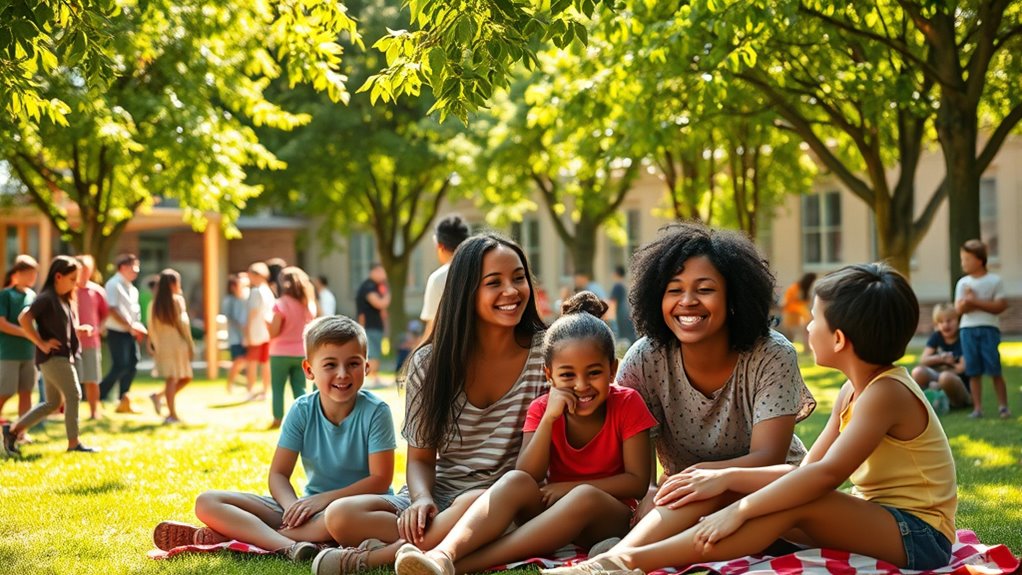
Families, schools, and communities play a crucial role in strengthening social bonds and reducing youth loneliness. You can foster open communication within families, encouraging teens to share their feelings and experiences. Schools should create inclusive environments where everyone feels valued, promoting group activities and peer support programs. Communities can organize events that bring young people together, building a sense of belonging beyond digital spaces. You’re essential in recognizing signs of loneliness and offering support or connecting youth to resources. By working together, you help teens develop meaningful relationships, boost their confidence, and feel less isolated. Incorporating high-quality projectors into community centers or schools can also provide engaging platforms for social interaction and shared experiences. Your active involvement and genuine interest can make a significant difference, helping youth build resilience and foster connections that last a lifetime.
Policy and Program Initiatives to Reduce Youth Loneliness
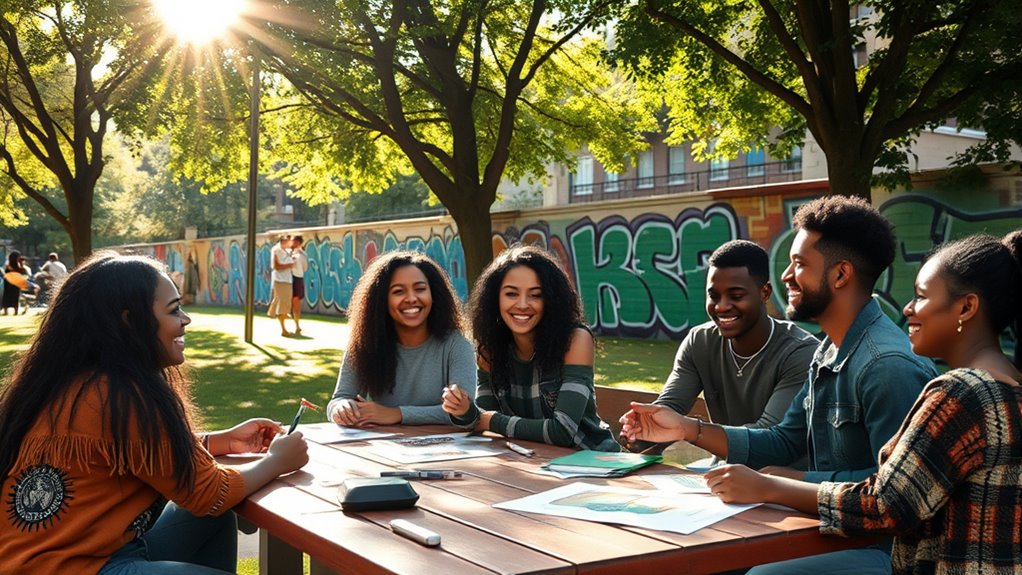
You can support youth loneliness reduction by implementing school-based programs that foster social skills and emotional support. Additionally, developing digital connection strategies helps young people build meaningful online relationships while maintaining offline interactions. These initiatives can create inclusive environments that address the diverse needs of vulnerable youth populations.
School-Based Support Programs
School-based support programs are essential in addressing youth loneliness because they provide accessible environments where students can build meaningful social connections. These programs create safe spaces for students to share experiences, develop social skills, and foster a sense of belonging. Initiatives like peer mentoring, social-emotional learning (SEL) curricula, and group activities encourage interaction and empathy. By integrating mental health resources and facilitating open dialogue, schools help students feel supported and understood. Teachers and staff trained in recognizing loneliness can intervene early, connecting students with appropriate help. Building a school culture that values inclusion and kindness enhances peer relationships and reduces social isolation. Ultimately, these programs lay the foundation for stronger, more connected youth communities that combat loneliness and promote well-being.
Digital Connection Strategies
Policy and program initiatives aimed at enhancing digital connections are essential in reducing youth loneliness by promoting meaningful online interactions and safe digital spaces. You can support these efforts through targeted strategies that foster genuine engagement and protect vulnerable users. Consider these approaches:
- Develop online platforms that prioritize peer support, mentorship, and social skill-building, ensuring interactions are positive and inclusive.
- Implement digital literacy programs to teach youths how to navigate social media responsibly, recognize negative experiences, and seek help.
- Establish policies that regulate harmful content and cyberbullying, creating safer environments where young people feel comfortable connecting.
These initiatives help create a digital landscape that encourages authentic relationships, complements face-to-face interactions, and reduces feelings of isolation among youth.
Frequently Asked Questions
How Can Schools Better Facilitate Meaningful Peer Connections for Students?
You can help students build meaningful peer connections by creating inclusive activities that encourage collaboration and shared interests. Foster a supportive environment where every student feels valued and heard through peer mentoring programs and group projects. Organize clubs, events, and social spaces that promote interaction outside the classroom. Actively listen to students’ needs and promote empathy, helping them develop genuine relationships and reduce feelings of loneliness.
What Specific Community Programs Effectively Reduce Youth Loneliness?
Community programs like youth mentorship initiatives, sports leagues, and arts workshops foster meaningful connections by bringing young people together in shared activities. You can participate in or support local mental health programs that focus on social skills and emotional support, creating safe spaces for teens to build trust and friendships. Volunteering or organizing community events also helps reduce loneliness by strengthening social bonds and encouraging inclusive, supportive environments for youth.
How Do Socioeconomic Factors Uniquely Influence Loneliness in Different Youth Populations?
You see socioeconomic factors like a double-edged sword shaping youth loneliness; in low-income areas, limited resources and social infrastructure deepen feelings of isolation. Conversely, in high-income communities, despite better access, social pressures and digital overuse can still foster loneliness. These disparities highlight how economic hardship, discrimination, and lack of support systems uniquely affect youth, making targeted interventions essential to address their specific social and emotional needs effectively.
What Role Do Digital Literacy and Online Etiquette Play in Fostering Genuine Online Interactions?
Digital literacy and online etiquette are vital for fostering genuine online interactions. When you understand how to communicate respectfully and responsibly online, you create a safer space where others feel valued and heard. Practicing good etiquette, such as avoiding bullying and being empathetic, encourages meaningful connections. Improving your digital skills helps you navigate social media thoughtfully, reducing misunderstandings and loneliness, and promoting authentic relationships in the digital world.
How Can Families Overcome Perceptions Gaps About Teens’ Emotional Support Needs?
Think of it as a classic 90s sitcom where parents often miss the subtle cues of teens’ feelings. You can bridge the perception gap by actively listening, asking open-ended questions, and showing genuine interest in your teen’s life. Keep communication honest and non-judgmental, and regularly check in about their emotional well-being. By doing so, you’ll better understand their needs and foster a supportive environment they feel safe to share in.
Conclusion
You have the power to plant seeds of connection that can blossom into lasting bonds. By nurturing understanding and embracing genuine interactions, you become the gardener of a brighter, more connected future for youth. Remember, loneliness is a shadow that fades in the light of real relationships. Together, you can turn the tide, creating a vibrant tapestry of support and belonging where every young person feels seen, heard, and truly connected.