

To manage your cognitive load and protect your mental energy, focus on reducing unnecessary information and simplifying tasks. Break complex ideas into smaller steps, use visuals to clarify concepts, and eliminate distractions. Engaging in active learning strategies like self-explanation also helps build stronger mental frameworks. Designing your environment with clear, intuitive processes minimizes effort and enhances understanding. Keep exploring how you can optimize your mental resources for better learning and efficiency.
Key Takeaways
- Break complex tasks into smaller, manageable steps to reduce intrinsic cognitive load.
- Use clear visuals and straightforward instructions to minimize extraneous mental effort.
- Apply analogies and active reflection techniques to enhance germane load and reinforce understanding.
- Simplify interfaces and environment design to prevent unnecessary distractions and mental clutter.
- Incorporate external aids and structured routines to offload mental effort and protect cognitive resources.

50PCS Autism Behaviour Communication Cards for Speech Delay Children and Adults Special Needs Visual Aid Language Learning Cue Cards Special Ed Feelings Emotions Flash Cards for Autism Communication
My Behaviour Flash Cards:Our autism behaviour communication visual aid cards set includes 50 pieces of cards,a ring to…
As an affiliate, we earn on qualifying purchases.
As an affiliate, we earn on qualifying purchases.
Understanding the Types of Cognitive Load

Understanding the types of cognitive load is essential because each type affects how you process and learn new information. Intrinsic load stems from the inherent difficulty of the task or material itself. When content is complex, it demands more mental effort, making learning harder if your prior knowledge is limited. Extraneous load results from how information is presented; poorly designed instructions or cluttered visuals increase unnecessary mental effort. Germane load involves the effort you put into organizing and integrating new knowledge into your long-term memory. Recognizing these types helps you identify what’s hindering your learning. By understanding how each load interacts, you can better manage your mental resources, ensuring that your working memory isn’t overwhelmed and that learning becomes more effective. Additionally, reducing Extraneous load through clear and concise presentation can significantly enhance overall learning efficiency.

The Little Black Book Series of Neuroinclusive Leadership Tools — Volume II: Cognitive & Temporal Regulation: Clarity, Load & Sequencing Intelligence (The … Leadership Tools Volume I–VI 2)
As an affiliate, we earn on qualifying purchases.
As an affiliate, we earn on qualifying purchases.
Strategies to Reduce Intrinsic Cognitive Load

Since intrinsic cognitive load depends on the inherent complexity of the material, you can reduce it by simplifying tasks or breaking them into smaller, manageable parts. This approach helps prevent overwhelm and makes learning more accessible. Here are three strategies:
Simplify and break down complex tasks to make learning more manageable and less overwhelming.
- Decompose complex tasks into smaller steps, so each part is easier to understand and complete.
- Use familiar concepts to build on prior knowledge, reducing the mental effort needed to grasp new information.
- Sequence learning activities logically, allowing you to progress gradually and reinforce understanding at each stage.
- Incorporate aquatic exercises or water-based activities to create a more engaging and low-impact learning environment, which can help reduce cognitive strain during complex tasks.
These methods help manage the mental effort required, making challenging content more approachable and less likely to overload your working memory.

The System Undated Project Planner, Breakdown Goals Into Tasks, Reduce Feelings of Overwhelm, Durable Cover Protects Premium Paper, 8.5” Tall x 11” Wide, 2 Years of Tracking
💆 TRANSFORM OVERWHELM INTO CLARITY – Free yourself from the mental chaos of juggling multiple projects and responsibilities….
As an affiliate, we earn on qualifying purchases.
As an affiliate, we earn on qualifying purchases.
Techniques for Minimizing Extraneous Cognitive Load

To effectively minimize extraneous cognitive load, focus on optimizing how information is presented. Use clear, simple language, and break complex ideas into manageable chunks. Avoid unnecessary details or decorative elements that don’t add value, as they can distract and overload your working memory. Incorporate visuals that complement verbal explanations rather than cluttering the space, ensuring they clarify rather than complicate. Provide straightforward instructions, avoiding ambiguity or vague directives. Minimize multitasking and interruptions—these increase mental effort and hinder focus. Remove distractions like notifications or background noise, creating a clean learning environment. Organizing information logically, guiding your attention naturally through the material, and considering sound healing science principles can further help reduce mental effort. By streamlining presentation methods, you reduce unnecessary mental effort and enhance your ability to process essential information efficiently.
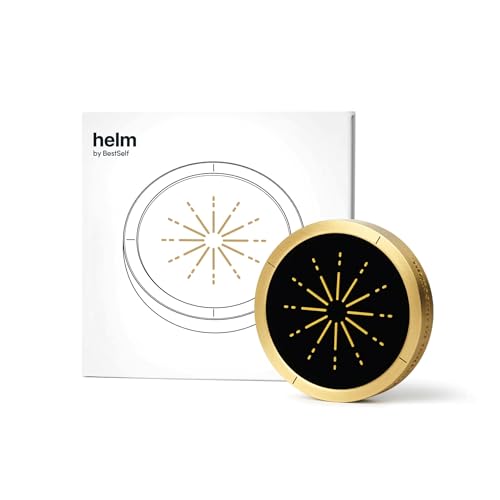
BestSelf Helm Focus Device – Premium NFC-Powered Phone Distraction Blocker Physical App Blocker Tool for Deep Work, ADHD Focus, and Screen-Free Productivity
🔒 Physical Focus, Reclaimed Power – Crafted from solid aerospace-grade brass, Helm transforms your screen time into real…
As an affiliate, we earn on qualifying purchases.
As an affiliate, we earn on qualifying purchases.
Ways to Enhance Germane Cognitive Load

To boost germane cognitive load, focus on techniques that help you build effective schemas. Engaging in activities that encourage reflection and organization makes it easier to connect new information with what you already know. Applying these strategies deepens your understanding and enhances long-term retention. Recognizing the importance of store hours can help you plan shopping trips more efficiently and avoid unnecessary trips during closed hours.
Schema Building Techniques
Building effective schemas is essential for enhancing germane cognitive load, as it helps you organize new information into meaningful patterns. To build these schemas, try these techniques:
- Use Analogies and Metaphors: Relate new concepts to familiar ideas, making connections easier to grasp and retain.
- Encourage Self-Explanation: Ask yourself to explain concepts in your own words, which reinforces understanding and schema formation.
- Implement Spaced Practice: Review information over time to strengthen mental links and solidify schemas.
Deepen Conceptual Understanding
How can you deepen your conceptual understanding and strengthen germane cognitive load? Focus on actively organizing new information into existing mental frameworks. Engage in activities like summarizing concepts in your own words or teaching others, which reinforce learning. Use analogies and examples to connect new ideas with familiar ones, creating meaningful schemas. Reflect on what you’ve learned by questioning its applications and implications, fostering deeper processing. Incorporate deliberate practice that targets weak areas, helping you integrate knowledge effectively. Providing yourself with timely feedback enables adjustments and solidifies understanding. Additionally, develop strategies to connect concepts across topics, building a cohesive mental map. Recognizing the importance of electric dirt bikes and their features can further enhance your understanding of innovative transportation technologies. These approaches enhance germane load by making learning more efficient, memorable, and applicable in real-world contexts.
Applying Cognitive Load Management in Learning Settings

You can reduce learners’ cognitive load by simplifying content structure, making information easier to process. Encourage active schema building through engaging activities that help learners organize new knowledge effectively. By combining clear organization with interactive strategies, you support more efficient learning experiences. Incorporating best practices for instructional design can further enhance understanding and retention.
Simplify Content Structure
Simplifying content structure is essential for effectively managing cognitive load in learning settings. When information is organized clearly, your brain can process and retain it more efficiently. To achieve this, focus on these strategies:
- Break complex topics into smaller, manageable chunks to reduce intrinsic load.
- Use clear headings, bullet points, and visuals to structure information logically.
- Remove unnecessary details or distractions that add extraneous load.
- Incorporate visual aids like images or diagrams to enhance understanding and retention.
Promote Active Schema Building
Promoting active schema building is essential for helping learners organize new information into meaningful structures, which enhances understanding and retention. You can encourage this by prompting learners to relate new concepts to prior knowledge, making connections that reinforce learning. Using visual aids, analogies, and real-world examples helps them develop mental frameworks or schemas. Encourage learners to ask questions, summarize key points, and teach others, as these activities deepen their understanding. Scaffold instruction by gradually increasing complexity, allowing learners to build confidence and stronger schemas over time. Providing opportunities for reflection helps solidify these mental models. Additionally, understanding the divorce process and regional legal resources can help learners contextualize information more effectively. When learners actively engage in constructing schemas, they process information more deeply, reducing cognitive load and making learning more efficient.
Designing User Experiences That Alleviate Mental Effort

Designing user experiences that alleviate mental effort requires understanding how users process information and minimizing unnecessary cognitive load. You should focus on creating interfaces that are simple, intuitive, and aligned with user expectations. Incorporating antique-inspired design elements can add character without complicating the user interface, contributing to a more inviting environment. To achieve this, consider these strategies:
- Reduce visual clutter: Use clean layouts, clear typography, and minimal design elements to help users focus on essential information.
- Build on mental models: Design interactions that match users’ prior knowledge, making tasks predictable and easier to complete.
- Offload tasks externally: Incorporate features like auto-fill, tooltips, and visual cues to lessen the mental effort needed for decision-making.
Applying these principles ensures a smoother experience that protects users’ mental energy and promotes efficient task completion.
Frequently Asked Questions
How Can I Measure My Personal Cognitive Load During Tasks?
You can measure your personal cognitive load during tasks by paying attention to your mental and physical signals. Notice if you’re feeling overwhelmed, fatigued, or distracted, which indicate high cognitive load. Use simple tools like self-assessment scales or track changes in your focus and speed. Alternatively, monitor physiological responses such as pupillary dilation or heart rate, which can reflect mental effort and cognitive load in real-time.
What Are Signs of Cognitive Overload in Daily Activities?
Imagine your mind is a busy kitchen. When too many pots boil over, you feel overwhelmed—lost in noise, forgetful, or sluggish. Signs of cognitive overload include feeling mentally exhausted, making more mistakes, struggling to concentrate, or feeling irritable. If your mental stovetop is overflowing, it’s time to pause, simplify tasks, and give your brain space to breathe, just like cleaning a cluttered kitchen.
Can Managing Cognitive Load Improve Overall Mental Health?
Managing cognitive load can substantially boost your mental health by reducing stress, preventing burnout, and improving focus. When you simplify tasks, eliminate distractions, and organize information effectively, you conserve mental energy. This helps you feel more in control, less overwhelmed, and better equipped to handle daily challenges. By protecting your mental bandwidth, you promote emotional stability and resilience, leading to a healthier, more balanced mindset over time.
How Does Sleep Affect Cognitive Load Management?
Sleep acts like a gentle reset button for your mind, helping you process and store information efficiently. When you get enough restful sleep, your working memory functions smoothly, making it easier to manage cognitive load. Skimp on sleep, and you’ll find your mental energy draining faster, increasing the chance of overload. Prioritize quality sleep to keep your mental gears turning effortlessly, easing the burden on your cognitive resources.
Are There Specific Exercises to Increase Germane Cognitive Load?
You can increase germane cognitive load by engaging in activities that promote schema formation, like problem-solving exercises, case studies, or teaching others. These exercises challenge you to organize new information into existing mental frameworks, deepening understanding. Focus on reflection, feedback, and applying concepts in real-world scenarios, which encourages active processing. Consistent practice with these activities helps strengthen your ability to integrate knowledge, enhancing long-term retention and mastery.
Conclusion
By managing your cognitive load effectively, you can boost your learning and productivity. Did you know that reducing unnecessary mental effort can improve focus by up to 30%? When you design your tasks and environments to minimize extraneous load while strengthening germane load, you protect your mental energy and enhance understanding. Take control of your mental resources—your mind will thank you, and you’ll accomplish more with less stress.