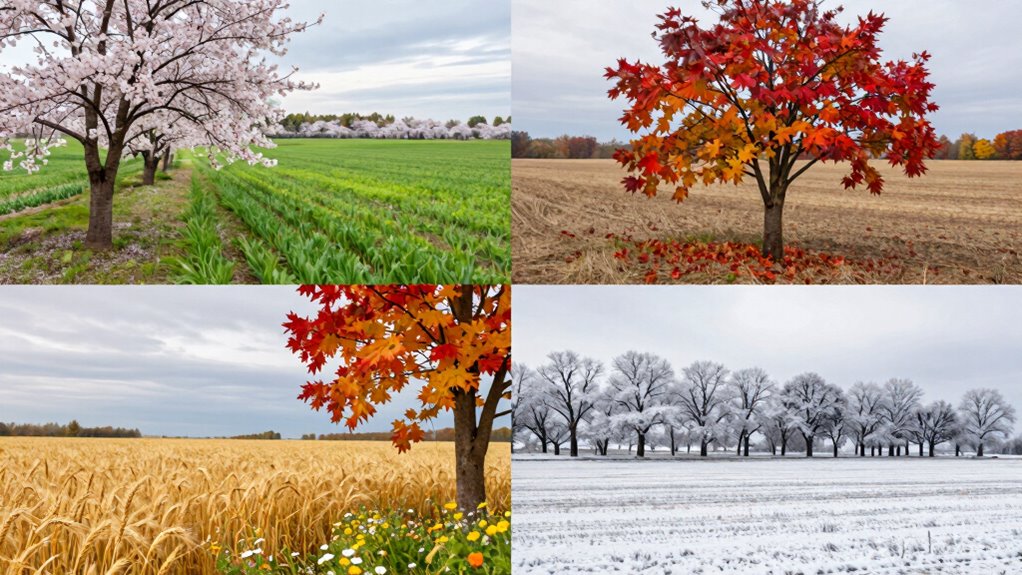
To think in seasons instead of sprints, focus on viewing your efforts as part of natural cycles—plant, nurture, harvest, and rest. Emphasize long-term planning and patience over quick results, recognizing setbacks as part of growth. Stay adaptable and reflect regularly to adjust your strategies within each phase. By embracing this mindset, you’ll develop resilience and sustainability. Keep exploring to uncover more ways to align your actions with the ebb and flow of natural cycles.
Key Takeaways
- View your goals as part of a larger cycle, focusing on planting, nurturing, harvesting, and resting phases.
- Prioritize long-term planning and consistency over immediate results to build sustainable progress.
- Regularly reflect on each phase to adapt strategies and stay aligned with natural growth rhythms.
- Embrace setbacks as natural ebbs, maintaining patience and resilience through each season.
- Use analogies like planting or landscaping to understand and visualize growth stages and their importance.
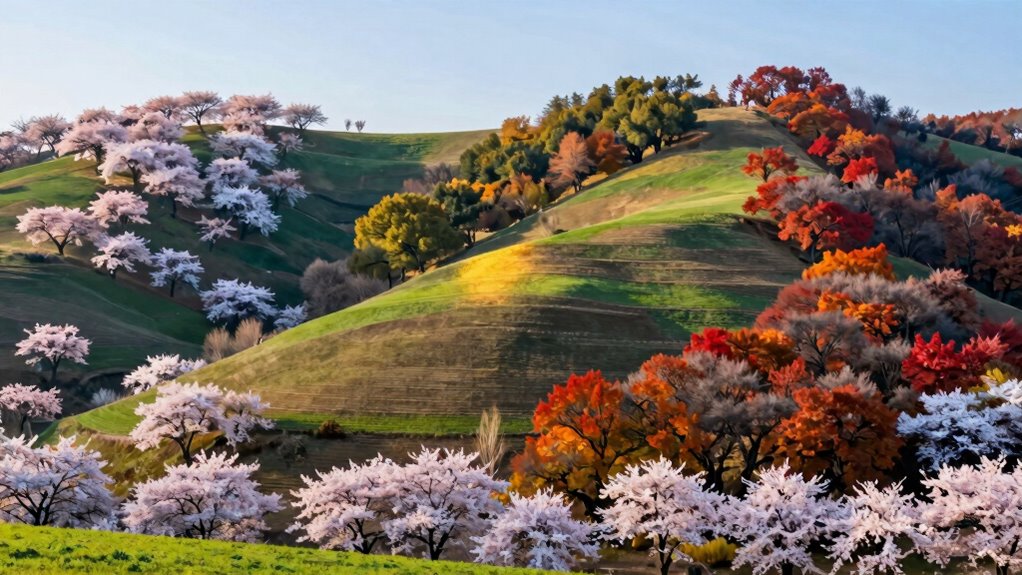
In a world that often rewards quick wins and immediate results, it’s easy to get caught up in constant sprints that leave you exhausted and disconnected from your long-term goals. Shifting your perspective to a seasonal mindset can help you break free from the cycle of short-term thinking. Instead of focusing solely on immediate gains, you start viewing your efforts as part of a larger, more sustainable cycle. This approach encourages long-term planning, allowing you to align your actions with your broader vision. When you think in seasons, you recognize that progress isn’t always linear; sometimes, you need to plant seeds, nurture growth, and wait patiently for the harvest. This mindset fosters resilience and patience, qualities often missing in sprint-driven habits.
Embrace seasonal thinking to foster resilience, patience, and sustainable growth beyond quick wins and short-term results.
To adopt this seasonal perspective, you first need to understand that every phase of your life or business has its unique rhythm. Just like nature, your goals go through periods of planting, growth, harvest, and rest. During the planting season, your focus should be on laying the groundwork—setting goals, building skills, and establishing routines. Growth seasons are about nurturing your efforts, staying consistent, and adapting as needed. When it’s harvest time, you evaluate your progress, celebrate wins, and prepare for the next cycle. Rest periods are just as crucial—they give you time to reflect, recharge, and avoid burnout. Incorporating long-term planning into this cycle allows you to anticipate challenges and opportunities, making your efforts more strategic and less reactive. Recognizing the importance of projector technology in creating an optimal home cinema setup can serve as a helpful analogy for understanding how different phases work together to produce a clear, high-quality outcome. Additionally, understanding how landscaping enhances natural beauty can inspire you to design your personal growth journey with intentionality and harmony. Moreover, understanding the role of content formats in engaging audiences can help you optimize each phase of your efforts to maximize impact. Recognizing that natural cycles influence many aspects of life can motivate you to embrace the ebb and flow of your personal development.
Thinking in seasons also helps you avoid the trap of instant gratification. Instead of seeking quick results, you learn to trust the process. You accept that meaningful progress often takes time, and by aligning your actions with the natural flow of seasons, you can sustain motivation over the long haul. This prevents you from feeling overwhelmed or discouraged when immediate results don’t materialize. Furthermore, a seasonal mindset encourages regular reflection, so you can adjust your plans based on where you are in your cycle. This way, you stay adaptable, focused, and aligned with your long-term vision, even when short-term setbacks occur.
Additionally, sound healing science can serve as a reminder that different phases of growth and recovery are essential, just as specific frequencies in sound therapy promote healing during various stages. Ultimately, shifting to a season-based approach transforms how you view success. It’s no longer about sprinting to the finish line but about understanding that growth happens in phases. By adopting a long-term planning perspective within this framework, you create a more resilient, purposeful path forward—one that recognizes patience as a crucial component of achievement.

Goal Planner | SMART Goal Setting Kit for the New You, Monthly Habits, Reflections & Vision Boards | Pastel Rainbow A5
Set, Plan & Achieve your goals with focused action plans
As an affiliate, we earn on qualifying purchases.
As an affiliate, we earn on qualifying purchases.
Frequently Asked Questions
How Do Seasons Influence Long-Term Goal Setting?
Seasons influence your long-term goal setting by encouraging seasonal planning, which aligns your goals with natural cycles of growth and change. You can adapt your strategies based on each season’s unique opportunities and challenges, helping you stay committed and flexible. By thinking in seasons, you maintain a clear long-term vision while breaking it into manageable phases, making your progress more sustainable and less overwhelming throughout the year.
Can Thinking in Seasons Improve Work-Life Balance?
Thinking in seasons can revolutionize your work-life balance, making it feel like you’ve uncovered a secret to eternal happiness. Embrace seasonal mindfulness and year-round planning to prioritize what truly matters, preventing burnout and fostering fulfillment. By focusing on one season at a time, you give yourself permission to rest, recharge, and enjoy each phase fully. This approach helps you stay grounded, balanced, and intentional all year long.
What Are Common Mistakes When Shifting to Seasonal Thinking?
A common mistake when shifting to seasonal thinking is overlooking the risk of seasonal burnout, where you push too hard during peak periods without proper rest. You might also fall into seasonal procrastination, delaying tasks until the right season, which can cause stress later. To avoid these pitfalls, plan ahead, set realistic goals for each season, and recognize the signs of burnout early, ensuring a sustainable, balanced approach.
How Do Seasons Apply to Personal Growth and Development?
Think of seasons as your personal growth roadmap. They help you embrace cyclical motivation and seasonal mindfulness, allowing you to align your efforts with natural rhythms. During spring, plant new ideas; in summer, nurture them with energy; fall is for reflection, and winter offers rest. This approach encourages patience and resilience, showing you that growth isn’t linear but a continuous cycle—like the changing seasons, your progress ebbs and flows.
How Can Seasonal Thinking Be Integrated Into Daily Routines?
You can integrate seasonal thinking into your daily routines through seasonal mindfulness, by intentionally aligning your activities with the natural ebb and flow of each season. Adapt your routines to fit the season’s energy and needs—like slowing down in winter or energizing in spring. This routine adaptation helps you stay present, reduces stress, and fosters growth, making your daily habits more meaningful and in tune with your personal and environmental rhythms.

2026 Lunar and Seasonal Planner Calendar: Northern Hemisphere
As an affiliate, we earn on qualifying purchases.
As an affiliate, we earn on qualifying purchases.
Conclusion
So, next time you’re tempted to sprint through your goals, remember: seasons are like those slow, scenic drives—less stressful, more meaningful. Embrace the ebb and flow, and enjoy the ride rather than just the finish line. After all, who needs a quick sprint when you can meander through life’s beautiful seasons? Just don’t forget to pack a sweater for the winter, or you might find yourself freezing in the wrong season altogether.

Resilience, Patience, Mindfulness: A Path to Calmness and Clarity
As an affiliate, we earn on qualifying purchases.
As an affiliate, we earn on qualifying purchases.
growth cycle visualization tools
As an affiliate, we earn on qualifying purchases.
As an affiliate, we earn on qualifying purchases.