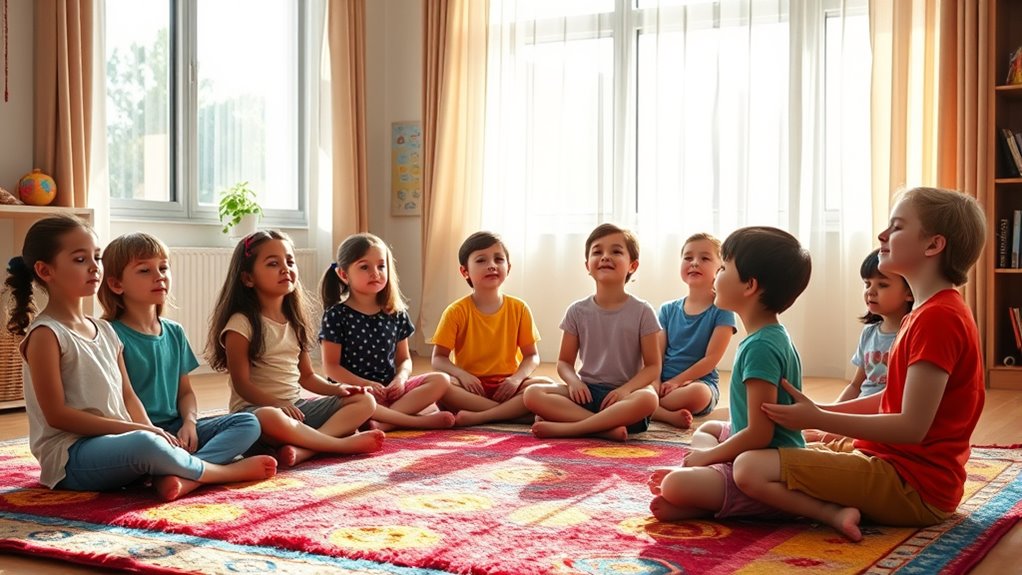

Teaching kids to be present through mindfulness helps improve their focus, emotional regulation, and social skills. It encourages them to recognize their thoughts and feelings without impulsive reactions, building resilience and inner peace. Mindfulness can be integrated into daily routines and classroom activities, benefiting their overall well-being. Supporting cultural traditions and ongoing practice enhances these benefits even further. To discover practical ways to help youth stay present, keep exploring how mindfulness can transform their development.
Key Takeaways
- Implement age-appropriate mindfulness exercises like breathing, body scans, and focused attention to help kids stay present.
- Incorporate cultural traditions and activities to deepen engagement and foster cultural awareness through mindfulness.
- Use regular practice routines in schools and at home to strengthen attention, emotional regulation, and resilience.
- Teach children to recognize early stress signals and employ calming techniques such as focused breathing.
- Provide ongoing training and resources for educators to effectively integrate mindfulness into youth development programs.

Imagine Meditation Cards for Kids – Award-Winning Mindfulness kit of XL Cards with Calming Guided Meditations for Empowerment, Focus and Relaxation. Great for Parents, Teachers and Therapists.
🌈 [AWARD-WINNING PREMIUM QUALITY Meditation kit and Mindfulness game for kids] providing a FUN and RELAXING activity for…
As an affiliate, we earn on qualifying purchases.
As an affiliate, we earn on qualifying purchases.
The Power of Mindfulness in Youth Development
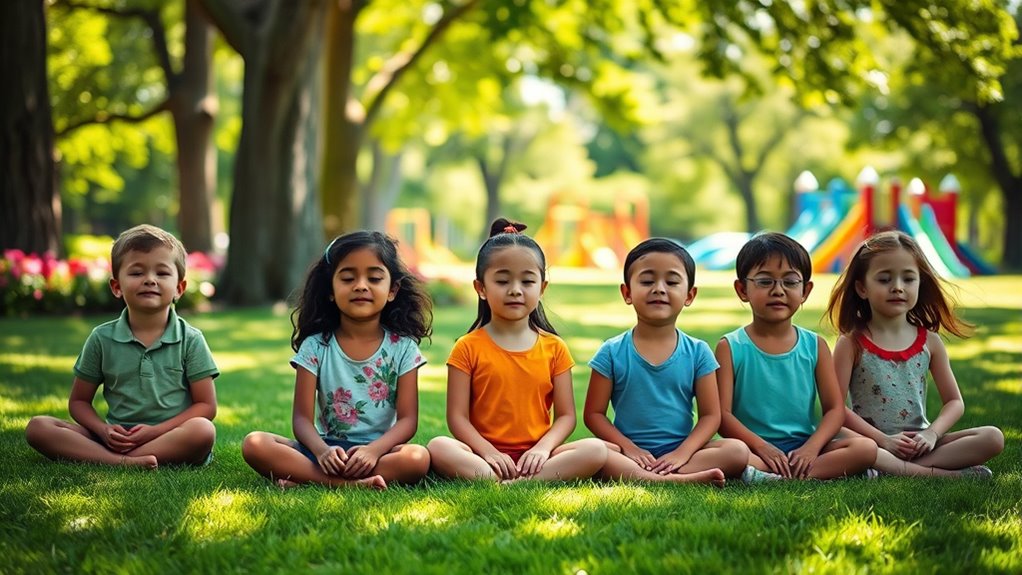
Mindfulness holds significant power to shape youth development by strengthening essential skills like attention, emotional regulation, and self-control. When you practice mindfulness, you become more aware of your thoughts and feelings without immediately reacting. This awareness helps you stay focused on tasks and reduces impulsive behaviors. It also improves emotional regulation, allowing you to manage stress and frustration more effectively. As a result, you’re better equipped to handle challenges in school, relationships, and daily life. Mindfulness encourages self-regulation, so you can pause and choose thoughtful responses instead of reacting impulsively. Developing these skills early helps build resilience, reduces negative emotions like anxiety and anger, and promotes healthier social interactions. Additionally, engaging in regular mindfulness practices can lead to a deeper sense of spiritual connection, fostering inner peace and overall well-being. Overall, mindfulness empowers you to navigate life’s complexities with greater clarity and calmness.

ARHEQI Breathing Exerciser for Kids, Sensory Toys with Whistle, Floating Blow Pipe Balls, Balloon Launcher, Autism Speech Therapy Toys for 3 4 5 6 7 Year Old Boys Girls Gifts- Green
3 in 1 Montessori Toy: This blow up toy has three ways to play: blow up a sound,…
As an affiliate, we earn on qualifying purchases.
As an affiliate, we earn on qualifying purchases.
How Mindfulness Enhances Cognitive and Emotional Skills
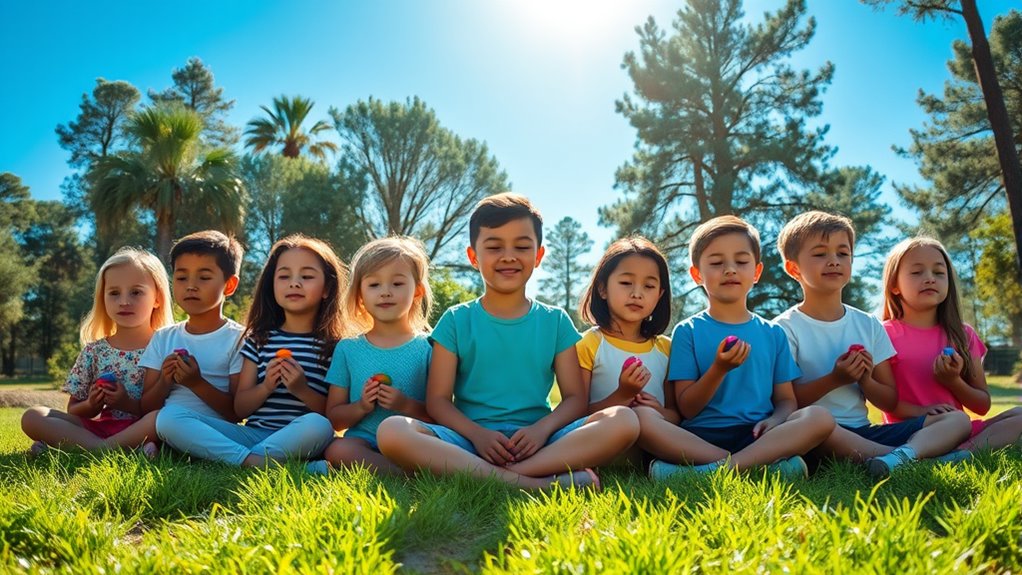
When you practice mindfulness, you sharpen your ability to focus and stay attentive, helping you better manage everyday tasks. It also teaches you to recognize and control your emotions, making it easier to respond thoughtfully instead of reacting impulsively. This combination of skills boosts your overall mental clarity and emotional resilience, supporting healthier decision-making. Additionally, cultivating mindfulness can foster a sense of community engagement, inspiring collaborative creativity and shared growth.
Boosts Attention Control
Practicing mindfulness can substantially improve your ability to focus and stay attentive, especially in demanding situations like school or work. When you pause to breathe and observe your thoughts, you strengthen your brain’s capacity to filter distractions. Mindfulness trains your attention muscles, making it easier to stay present and resist impulsive reactions. Regular practice helps you notice when your mind wanders, allowing you to gently redirect your focus back to the task at hand. This enhanced attention control not only boosts your academic performance but also reduces mistakes caused by distractibility. Over time, mindfulness cultivates a sharper, more resilient mind that can sustain focus longer and shift attention intentionally. As a result, you become more efficient, confident, and engaged in your daily activities. Incorporating techniques like mindfulness meditation can further support these cognitive benefits.
Supports Emotional Regulation
By developing awareness of your thoughts and emotions, mindfulness helps you recognize and understand your feelings in real time. This awareness allows you to pause before reacting impulsively, giving you space to choose a more thoughtful response. With practice, you can identify early signs of stress, anger, or sadness, making it easier to manage these emotions effectively. Mindfulness strengthens your ability to stay present, reducing emotional reactivity and promoting calmness during challenging situations. Over time, you learn to accept your feelings without judgment, which builds resilience and emotional stability. This skill not only improves your mental health but also enhances your relationships, as you’re better equipped to communicate and empathize with others. Ultimately, mindfulness helps you develop a balanced, healthy approach to managing your emotions. Additionally, practicing mindfulness regularly can improve your overall emotional regulation skills, making it easier to handle daily stresses and improve your well-being.

Mindful Kids: 50 Mindfulness Activities for Kindness , Focus and Calm
As an affiliate, we earn on qualifying purchases.
As an affiliate, we earn on qualifying purchases.
Benefits of School-Based Mindfulness Programs

School-based mindfulness programs offer a range of tangible benefits that can particularly enhance students’ academic and social lives. When you participate in these programs, you may notice improvements in your attention, helping you stay focused during lessons. They also support better emotion regulation, making it easier to manage feelings like anger or anxiety. As a result, you might see reductions in stress and behavioral problems, creating a calmer classroom environment. Mindfulness also fosters social-emotional skills such as empathy and cooperation, which strengthen peer relationships. These programs can boost your overall well-being, increase your sense of belonging at school, and improve sleep quality. When schools prioritize mindfulness, students gain valuable tools for resilience, self-control, and emotional health that benefit you both inside and outside the classroom. Additionally, understanding expiration of vape juice can help students make safer choices regarding their health.

Learning Resources All About Me Feelings Activity Set – Emotional Regulation Tools for Kids, Preschool Classroom Must Haves, Social Skills Activities, People Figurines, Toddler Emotions Gifts
EMOTIONAL INTELLIGENCE DEVELOPMENT – Help children identify and express their feelings with 36 colorful figurines representing 6 key…
As an affiliate, we earn on qualifying purchases.
As an affiliate, we earn on qualifying purchases.
Supporting Minoritized Youth Through Mindfulness
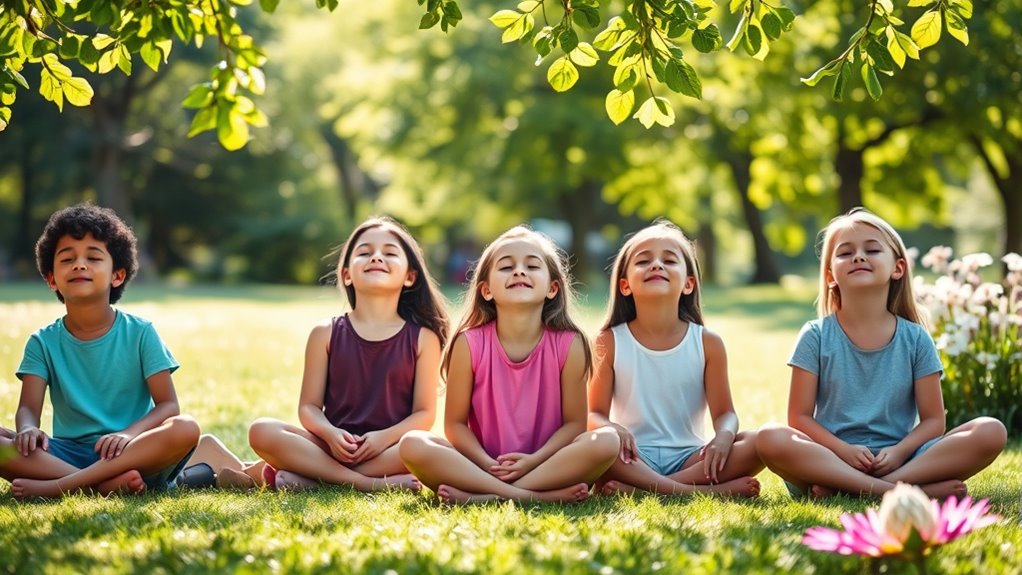
Have you ever wondered how mindfulness can support minoritized youth in steering their unique challenges? Mindfulness helps these students develop healthy coping skills and enhances their cognitive control, which is often critical in navigating social and emotional hurdles. By practicing mindfulness, they increase awareness and intentionality, allowing them to respond thoughtfully rather than react impulsively. These skills can be transferred beyond school, fostering stronger family and community interactions. When programs are intentionally designed to meet their cultural and developmental needs, minoritized youth often show improvements in behavior, resilience, and self-regulation. Additionally, mindfulness encourages peer and family engagement, creating a supportive network. This holistic approach helps address systemic disparities and empowers minoritized youth to thrive academically, socially, and emotionally. Incorporating mindfulness practices that are culturally relevant can further enhance these positive outcomes.
Overcoming Challenges in Implementing Mindfulness Education
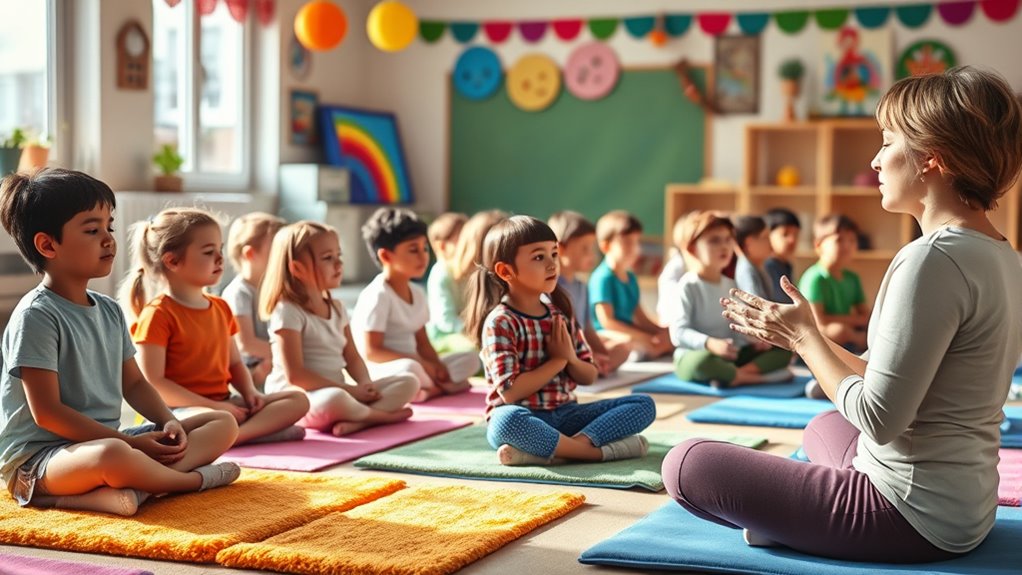
Implementing mindfulness education in schools often faces significant hurdles, primarily due to limited resources and insufficient training. Without proper support, programs may falter or fail to reach their full potential. To visualize this, consider the following:
| Challenge | Impact |
|---|---|
| Lack of trained staff | Inconsistent or ineffective practice |
| Limited time in schedules | Rushed sessions, skipping content |
| Insufficient funding | Scarcity of materials and resources |
| Resistance from staff | Reluctance to adopt new methods |
| Cultural barriers | Misunderstanding or misapplication |
Overcoming these obstacles requires targeted investment, ongoing teacher training, and integrating mindfulness seamlessly into existing curricula. You need clear commitment and adaptable strategies to ensure mindfulness becomes a sustainable part of students’ lives. Recognizing the importance of teacher training can significantly improve the effectiveness of mindfulness programs.
Mindfulness as a Tool for Promoting Mental Well-Being
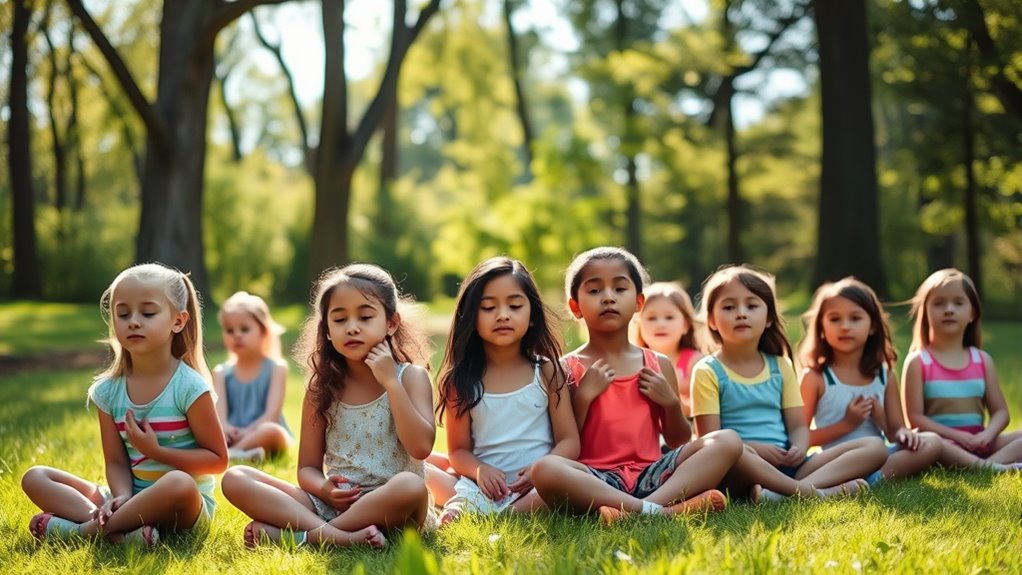
You can use mindfulness to help manage your emotions and stay calm during stressful times. Practicing it regularly reduces feelings of anxiety and helps you respond thoughtfully instead of reacting impulsively. Building social-emotional skills through mindfulness also strengthens your relationships and improves overall well-being. Engaging in cultural breakfast traditions can also be a mindful way to connect with different customs and foster cultural awareness.
Enhances Emotional Regulation
Mindfulness serves as a powerful tool for enhancing emotional regulation by helping youth become more aware of their feelings and responses. When you practice mindfulness, you learn to notice emotions as they arise, rather than reacting impulsively. This awareness allows you to pause, evaluate your feelings, and choose a thoughtful response. Regular practice strengthens your ability to manage intense emotions, reducing impulsivity and emotional outbursts. Incorporating emotional regulation strategies can further support youth in maintaining emotional balance during challenging situations.
Reduces Stress and Anxiety
Building on emotional regulation, mindfulness actively helps you manage stress and reduce anxiety by promoting awareness of bodily sensations and thoughts. When you practice mindfulness, you learn to notice stress signals early, preventing them from escalating. This awareness allows you to pause, breathe deeply, and respond thoughtfully rather than react impulsively. Regular mindfulness exercises, like focused breathing or body scans, calm your nervous system and lower cortisol levels. Over time, you develop resilience against daily worries and overwhelming feelings. This mental clarity makes it easier to handle challenging situations with a sense of calm. By cultivating present-moment awareness, you create a mental space where stress and anxiety lose their grip, supporting your overall mental well-being and emotional balance. Incorporating mindfulness techniques that include awareness of physical sensations can further enhance your ability to stay grounded during stressful moments.
Builds Social-Emotional Skills
When practiced regularly, mindfulness serves as a powerful tool for enhancing social-emotional skills in youth. It helps you develop skills like empathy, self-awareness, and emotional regulation. As you become more mindful, you learn to recognize your feelings and respond thoughtfully, rather than reacting impulsively. This improves your ability to build strong relationships and navigate social situations effectively.
Some key benefits include:
- Increased empathy and compassion for others
- Better understanding of your own emotions
- Enhanced conflict resolution skills
- Improved patience and tolerance
- Greater emotional resilience during challenges
Frequently Asked Questions
How Long Does It Take to See Benefits From Mindfulness Practice in Youth?
You might start noticing benefits from mindfulness practice in youth within a few weeks to a few months. Consistent daily practice helps improve attention, emotional regulation, and stress responses over time. Some children see quick improvements in mood and behavior, while others may take longer. Keep in mind, the key is regularity and age-appropriate approaches, as sustained effort yields the best results for developing mindfulness skills in youth.
Are There Age-Specific Mindfulness Techniques for Different Developmental Stages?
Yes, there are age-specific mindfulness techniques tailored to different developmental stages. For young children, simple activities like breathing bubbles or guided imagery work best, helping them focus and calm down. Adolescents benefit from more advanced practices like body scans or reflective journaling, which promote self-awareness and emotional regulation. You should adapt techniques to their cognitive and emotional maturity, ensuring exercises are engaging, accessible, and supportive of their unique needs.
Can Mindfulness Training Replace Traditional Behavioral or Mental Health Treatments?
Mindfulness is a gentle compass, guiding you through the stormy seas of behavioral and mental health challenges, but it’s not a lighthouse that replaces traditional ships. You can’t rely solely on it to steer through complex issues like depression or severe anxiety. Instead, it serves as a valuable anchor, supporting and enhancing existing treatments, helping youth navigate their emotional landscapes more skillfully, but not wholly substituting exhaustive mental health interventions.
What Are Effective Ways to Motivate Reluctant or Disengaged Students to Practice Mindfulness?
You can motivate reluctant students by making mindfulness engaging and relevant to their lives. Use activities that connect to their interests, like breathing exercises tied to sports or art. Incorporate peer-led sessions to foster a sense of community, and set achievable, fun goals to build confidence. Show genuine enthusiasm and explain how mindfulness helps them handle stress and improve focus, making it a practical tool they’ll want to try.
How Can Schools Ensure Cultural Relevance in Mindfulness Programs for Diverse Youth?
Imagine planting a garden where each flower reflects its unique colors—your mindfulness program should do the same. To guarantee cultural relevance, you need to listen closely to your students’ voices, integrating their traditions, languages, and stories into practices. Incorporate culturally familiar activities, honor diverse perspectives, and collaborate with community leaders. This approach nurtures trust and growth, helping every youth see themselves clearly in the mindfulness journey you cultivate together.
Conclusion
Think of mindfulness as a gentle lighthouse guiding young minds through stormy seas. When you teach kids to be present, you help them navigate challenges with calm and clarity. By planting these seeds early, you’re lighting the way toward resilient, emotionally aware individuals. Embrace mindfulness as the steady beacon that nurtures their inner compass, guiding them safely to brighter, balanced futures where they can truly thrive.