TL;DR

Get the little things that make your day delivered free — and shop member deals
- Fast, free delivery on millions of items
- Access to Prime Big Deal Days deals on October 6–7
- Prime Video, Amazon Music and more included
Recent studies indicate that consumers are increasingly trusting phone cameras to measure teeth whitening progress. This shift is due to improved camera technology and guided lighting, making at-home shade assessment more objective. The development could reshape the home whitening market.
Consumer confidence in using phone cameras for measuring teeth whitening progress is growing, driven by recent technological advances that enable objective shade assessment at home. This development could significantly impact the home whitening market, which currently relies heavily on subjective visual judgments.
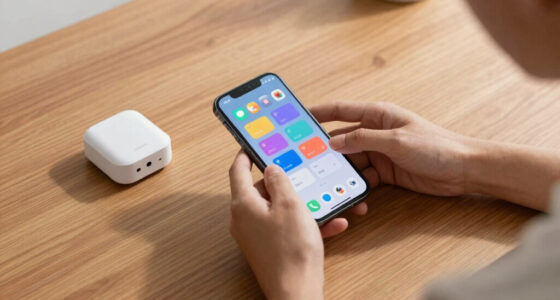
Recent efforts in oral-care technology have focused on leveraging smartphone cameras to objectively track teeth whitening progress. Researchers and companies are developing guided-lighting photo flows that capture images of teeth and compare them against calibrated shade scales, similar to professional dental assessments. These systems plot shade changes over time, providing users with data-driven feedback on their whitening efforts.
Initial validation involves benchmarking app-generated shade scores against dentist-verified VITA shade readings in studies involving approximately fifty users. Early results suggest a strong correlation, supporting the potential for these tools to reliably measure teeth shade changes. This could reduce the reliance on subjective visual assessments, which are prone to inconsistency and bias.
The market opportunity is substantial, with millions of consumers regularly purchasing whitening products such as strips, trays, and LED kits. Currently, many users cycle through products with little objective feedback, often leading to frustration and wasted expenditure. Integrating shade measurement tools into home whitening routines could enhance user experience and product efficacy, encouraging brand loyalty and new revenue streams.
Why Phone Camera Shade Measurement Matters
This development matters because it introduces an objective, accessible method for consumers to monitor teeth whitening progress. It could reduce frustration, improve results, and foster trust in home whitening products. For companies, it opens new avenues for revenue through subscription models and affiliate sales of proven products. The shift toward data-backed assessments aligns with broader trends in personalized health and beauty tech, potentially transforming the at-home oral-care landscape.
teeth whitening shade measurement app
As an affiliate, we earn on qualifying purchases.
As an affiliate, we earn on qualifying purchases.
Advances in Smartphone Tech Enable Objective Shade Tracking
The move toward phone-camera-based shade measurement builds on recent improvements in smartphone camera quality, guided lighting, and image processing algorithms. Traditionally, teeth shade assessment has relied on subjective visual comparison or professional dental tools, which are not feasible for everyday consumers. The industry has recognized the need for accessible, reliable measurement tools, prompting development efforts in this area.
Previous attempts at home shade measurement lacked accuracy or user-friendliness. Now, with calibrated lighting and AI-driven image analysis, new apps can approximate dentist-grade assessments. These innovations come at a time when the global teeth whitening market is expanding rapidly, driven by consumer demand for effective, convenient solutions.
Early validation studies are promising, but wider testing and regulatory approval are still pending. The success of these tools depends on their ability to consistently match professional readings and provide meaningful guidance for product selection and usage.
“Phone cameras combined with guided-lighting and AI analysis can now approximate the calibrated shade readings dentists use, making objective assessment accessible at home.”
— an anonymous researcher
smartphone teeth whitening progress tracker
As an affiliate, we earn on qualifying purchases.
As an affiliate, we earn on qualifying purchases.
Validation and Adoption Challenges for Phone-Based Shade Tools
While initial studies show promising correlation with professional shade measurements, larger-scale validation is ongoing. It remains unclear how well these tools perform across diverse lighting conditions, skin tones, and user behaviors. Regulatory approval processes and consumer acceptance are also still developing, making widespread adoption uncertain in the short term.
As an affiliate, we earn on qualifying purchases.
Next Steps for Market Validation and Consumer Integration
Researchers plan to conduct broader validation studies involving more diverse populations and real-world lighting scenarios. Companies are working on refining app interfaces and securing regulatory clearances. Expect upcoming product launches that incorporate these features, along with marketing campaigns to educate consumers about the benefits of objective shade measurement. Long-term, integration with professional dental assessments could further enhance credibility and accuracy.
As an affiliate, we earn on qualifying purchases.
Key Questions
How accurate are phone cameras for teeth shade measurement?
Initial validation studies suggest a strong correlation with dentist-verified shade readings, but further testing is needed to confirm reliability across diverse conditions and users.
Will this technology replace professional dental assessments?
While promising, phone-camera-based tools are intended to supplement, not replace, professional evaluations, especially for complex cases or significant whitening concerns.
How can consumers access these shade measurement apps?
Many are in development or early release phases, available through app stores or as part of whitening product kits with integrated guided-lighting features.
What are the benefits of using phone cameras over traditional visual assessment?
Objective, consistent measurements that reduce guesswork, track progress over time, and help consumers make informed decisions about their whitening products.
Are there any risks or limitations?
Current limitations include variability in lighting conditions and user technique. Validation and regulatory approval are still in progress, so reliability is not yet guaranteed for all users.
Source: IdeaNavigator AI
Fall Picks
fall essentials
As an affiliate, we earn on qualifying purchases.