To optimize your sleep and boost your energy, establish a consistent routine by going to bed and waking up at the same time daily. Create a sleep-friendly environment with a cool, dark, and quiet bedroom, and avoid screens an hour before bed. Manage your diet by limiting caffeine and heavy meals before sleep, and incorporate calming activities like gentle stretches or meditation. Staying informed about sleep research and using tracking tools can help tailor your habits for better rest and essential function.
Key Takeaways
- Maintain consistent sleep and wake times daily to regulate your circadian rhythm and improve sleep quality.
- Optimize your sleep environment with proper temperature, blackout curtains, and noise reduction for deeper rest.
- Limit screen exposure before bed and incorporate relaxing activities like reading or gentle stretches to signal readiness for sleep.
- Increase daytime light exposure, especially outdoors, to promote alertness and melatonin regulation.
- Use data tracking and personalized strategies to identify sleep disruptions and refine habits for restorative sleep.

NICETOWN Pitch Black Solid Thermal Insulated Grommet Blackout Curtains/Drapes for Bedroom Window (2 Panels, 42 inches Wide by 63 inches Long, Black)
READY MADE: Package only includes 2 blackout curtain panels, each 42" wide x 63" long when fully spread,…
As an affiliate, we earn on qualifying purchases.
As an affiliate, we earn on qualifying purchases.
Establishing a Consistent Bedtime and Wake-Up Routine

To improve your sleep quality, establishing a consistent bedtime and wake-up routine is essential. When you go to bed and wake up at the same times daily, you help stabilize your circadian rhythm, making it easier to fall asleep and wake up refreshed. Consistency aligns your internal biological clocks with environmental cues, reducing sleep latency and daytime drowsiness. Avoid large sleep schedule variations on weekends to prevent social jetlag, which can cause long-term health issues. Sticking to a routine also supports hormonal regulation, including melatonin and cortisol, both crucial for restorative sleep cycles. Additionally, maintaining a consistent sleep schedule can help reinforce your sleep hygiene practices, leading to more restful nights. By creating predictable sleep patterns, you set the stage for deeper, more restful sleep and better overall health.

Magicteam White Noise Machine with 20 Non Looping Natural Soothing Sounds Memory Function 32 Levels of Volume Powered by AC or USB and Sleep Sound Timer Therapy for Baby Kids Adults Black
❤20 Non-Looping Sleep Sounds: White noise ,Brown noise, pink noise, blue noise, fan,brook, rain, ocean,bird and Bonfire,suitable for…
As an affiliate, we earn on qualifying purchases.
As an affiliate, we earn on qualifying purchases.
Creating the Ideal Sleep Environment

Creating the ideal sleep environment can considerably boost your sleep quality by reducing disruptions and promoting relaxation. Keep your bedroom cool, between 60-67°F, to help your body settle into restful sleep. Darken the room with blackout curtains or an eye mask to prevent light from interfering with melatonin production. Minimize noise pollution by using earplugs or white noise machines, creating a peaceful setting. Invest in a supportive mattress and pillows to enhance comfort and reduce awakenings. Limit blue light exposure from screens at least an hour before bed, as it suppresses melatonin. Ensure good air quality by controlling allergens and ventilation, preventing respiratory disturbances. Proper air quality also plays a crucial role in restful sleep and overall health. These adjustments create a calming space that encourages deeper, more restorative sleep every night.

EGOHOME 8 Inch Twin Mattress, Memory Foam Mattress with Cooling Green Tea Gel, Relieve Pressure with Medium Firm Support, CertiPUR-US Certified, 75''L x 38''W, White
Pressure Relief Memory Foam: This twin mattress uses patented premium memory foam material that provides balanced support while…
As an affiliate, we earn on qualifying purchases.
As an affiliate, we earn on qualifying purchases.
Developing Effective Sleep Hygiene Practices

You can improve your sleep by establishing consistent routines, like going to bed and waking up at the same time each day. Creating a relaxing environment, free of distractions and noise, helps signal to your body that it’s time to wind down. Small changes in your habits and surroundings can make a big difference in how quickly you fall asleep and how restful your night is. Incorporating cultural awareness into your bedtime rituals can also promote a sense of comfort and familiarity, enhancing overall sleep quality.
Establish Consistent Routines
Establishing consistent routines is a fundamental step in developing effective sleep hygiene practices. You should go to bed and wake up at the same times every day, even on weekends. This helps stabilize your circadian rhythm, making it easier to fall asleep and wake feeling refreshed. When your internal clock aligns with your daily schedule, sleep becomes more restorative, and daytime alertness improves. Avoid large variations in your sleep schedule, as they can cause social jetlag and disrupt your biological rhythms. By sticking to a routine, you also support hormonal regulation, including melatonin and cortisol, which are essential for quality sleep. Consistency reduces sleep onset latency and helps you wake up feeling more energized and balanced.
Create a Relaxing Environment
Optimizing your sleep environment is essential for quality rest. Start by keeping your bedroom cool, ideally between 60-67°F, to help your body relax. Make the space dark using blackout curtains or an eye mask, and eliminate noise with earplugs or white noise machines. Invest in a comfortable mattress and supportive pillows to reduce discomfort and minimize awakenings. Limit blue light exposure from screens at least an hour before bed, as it hampers melatonin production. Keep your room well-ventilated and free of allergens to prevent respiratory issues that can disrupt sleep. A tidy, calming space signals your brain that it’s time to wind down, making it easier to fall asleep and stay asleep throughout the night. Using an eye patch can also contribute to better sleep by reducing under-eye puffiness and dark circles, helping you wake up feeling more refreshed.

Gaoye Blue Light Blocking Glasses – Fashion Square Eyeglasses, Anti UV Ray Computer Gaming Glasses Blue Blockers for Women/Men
BLUE LIGHT BLOCKING GLASSES: Our blue light glasses for women boast UV400 protection, blocking harmful blue rays from…
As an affiliate, we earn on qualifying purchases.
As an affiliate, we earn on qualifying purchases.
Managing Diet and Caffeine Intake Before Bed

Managing your diet and caffeine intake before bed is essential for falling asleep quickly and staying asleep through the night. Consuming heavy, spicy, or greasy meals close to bedtime can cause discomfort, indigestion, and disrupt your sleep cycle. Instead, opt for light, easily digestible snacks if you’re hungry. Caffeine is a stimulant that blocks sleep-inducing chemicals in your brain, so avoid coffee, tea, soda, or energy drinks at least six hours before bed. Even small amounts can interfere with your ability to fall asleep or decrease sleep quality. Be mindful of hidden caffeine in chocolate or certain medications. By managing your evening diet and caffeine intake, you set the stage for faster sleep onset and more restorative, uninterrupted sleep. Additionally, a high contrast ratio in your sleep environment—such as using blackout curtains—can further improve your sleep quality by reducing light disruptions.
Incorporating Relaxing Pre-Sleep Activities

Incorporating relaxing activities before bed can signal your body that it’s time to wind down. Gentle reading, meditation, and breathing exercises are effective ways to calm your mind and prepare for sleep. Limiting screen time helps preserve melatonin production, making it easier to fall asleep naturally. Additionally, using home decoration elements like soft lighting or calming colors can create a soothing environment conducive to restful sleep.
Gentle Reading Practices
Engaging in gentle reading before bed can substantially enhance your ability to fall asleep more quickly and enjoy deeper rest. Choose calming materials like fiction, poetry, or light non-fiction that relax your mind without overstimulating it. Keep the lighting dim to avoid suppressing melatonin production, and avoid screens, which emit blue light that can interfere with sleep signals. Set a specific time to read each night, creating a consistent pre-sleep routine that signals your body it’s time to wind down. Focus on slow, deliberate reading, and take deep breaths to deepen relaxation. This habit can reduce stress and anxiety, easing your progression into sleep. Incorporating relaxation techniques such as deep breathing or progressive muscle relaxation during your reading time can further enhance sleep quality. By making gentle reading a nightly ritual, you help establish a peaceful mental state conducive to restorative sleep.
Meditation and Breathing Techniques
After establishing a calming reading routine, adding meditation and breathing exercises can further enhance your pre-sleep wind-down. These practices help quiet your mind and relax your body, making it easier to move into restful sleep. Focus on slow, deep breaths—inhale through your nose for a count of four, hold for four, then exhale gently for four. Progressive muscle relaxation or mindfulness meditation can reduce stress and release tension accumulated during the day. Consistently practicing these techniques signals your nervous system to shift into a calm state, lowering heart rate and cortisol levels. Incorporating mindfulness techniques into your nightly routine can help you become more aware of physical sensations and mental patterns that interfere with sleep. Over time, they become powerful tools to prevent racing thoughts and bedtime anxiety, setting the stage for more restorative sleep and increased daytime energy.
Limiting Screen Time
Have you ever noticed how screens can interfere with your ability to fall asleep? The blue light emitted by phones, tablets, and computers suppresses melatonin, delaying sleep onset. To improve your sleep, set a screen curfew at least an hour before bed. Replace digital time with relaxing activities like reading, gentle stretches, or listening to calming music. Establishing these habits signals your body that it’s time to wind down. Incorporating electric bikes into your routine can also promote outdoor activity, which is beneficial for overall sleep quality.
Optimizing Daylight Exposure for Better Circadian Alignment

Optimizing daylight exposure is essential for aligning your circadian rhythm and improving sleep quality. When you get natural light during the day, especially in the morning, it signals your body to stay awake and suppresses melatonin production. This helps set your internal clock, making it easier to fall asleep at night. Aim to spend at least 30 minutes outside daily, ideally in direct sunlight. If outdoor exposure is limited, consider using a light therapy box in the mornings. Avoid prolonged exposure to bright screens in the evening, as blue light can delay melatonin release. Consistent daylight exposure reinforces your biological rhythms, boosts alertness during the day, and promotes restful sleep at night. Prioritizing natural light helps you feel more energized and sleep more soundly. Incorporating evidence‑based insights into your routine can further enhance your sleep quality and overall well-being.
Addressing Common Sleep Disorders and Medical Factors
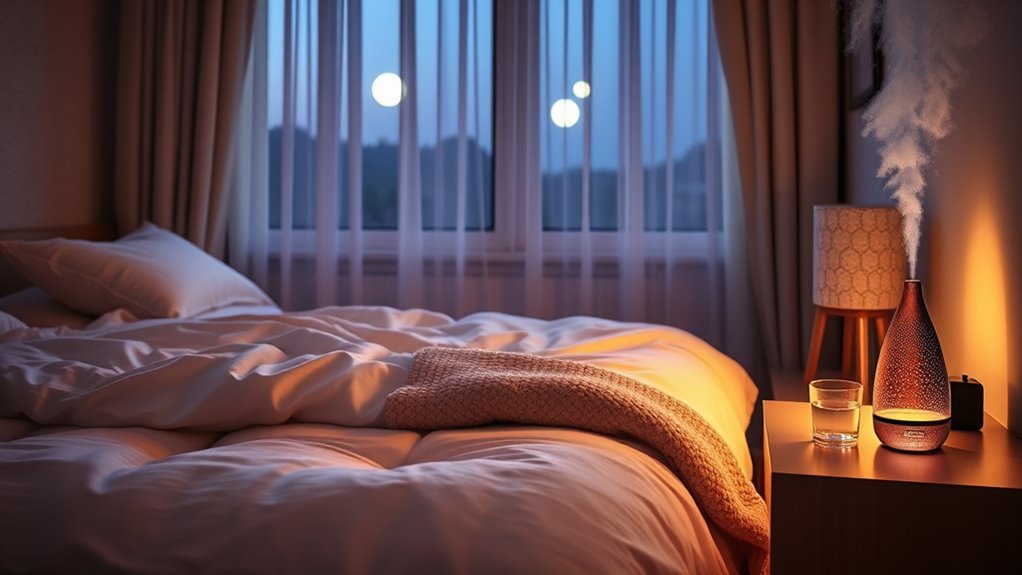
You need to recognize common sleep disorders like sleep apnea, insomnia, or restless leg syndrome to get effective treatment. Accurate diagnosis often involves advanced tools and medical evaluations, while treatment options may include medical devices or medications. Combining behavioral therapies with medical approaches can improve your sleep quality and help you manage these conditions more effectively.
Diagnosing Sleep Disorders
How can healthcare professionals accurately diagnose sleep disorders amidst a wide range of symptoms and overlapping conditions? They rely on a combination of detailed patient histories, sleep diaries, and targeted questionnaires to identify patterns and potential issues. Objective measures, like polysomnography, provide thorough data on sleep stages, breathing, and movements during sleep, helping pinpoint conditions like sleep apnea or restless leg syndrome. Actigraphy, using wearable devices, tracks sleep-wake cycles over extended periods, offering insight into irregular patterns. Healthcare providers also consider medical factors such as medications, stress levels, and comorbidities that may influence sleep. By integrating subjective reports with these diagnostic tools, they can distinguish between disorders, ensuring accurate diagnosis and tailoring appropriate interventions.
Medical Treatment Approaches
Addressing common sleep disorders and medical factors requires a targeted approach that combines both behavioral and medical interventions. If you suspect a condition like sleep apnea, early diagnosis using AI-driven tools can lead to effective treatment, such as CPAP therapy, which considerably improves sleep quality. Managing conditions like insomnia or restless leg syndrome involves personalized medical strategies tailored to your specific needs. It’s essential to work closely with healthcare professionals to identify underlying medical or psychological causes that disrupt sleep. This integrated approach not only helps resolve immediate issues but also promotes long-term sleep health. By addressing these factors directly, you can enhance your restorative sleep and overall well-being, making medical treatment a crucial component of sleep optimization.
Behavioral Therapy Integration
Integrating behavioral therapy into sleep disorder treatment can substantially enhance outcomes when medical interventions alone aren’t enough. You can learn techniques like cognitive behavioral therapy for insomnia (CBT-I), which targets negative thoughts and behaviors that interfere with sleep. CBT-I helps you establish a consistent sleep routine, reduce sleep anxiety, and challenge unhelpful beliefs about sleep. For conditions like restless leg syndrome or sleep apnea, behavioral strategies such as relaxation techniques or positional changes can improve comfort and reduce symptoms. Combining these approaches with medical treatments increases adherence and effectiveness. Behavioral therapy also addresses stress and emotional factors that disrupt sleep, especially in cases linked to mental health. By actively engaging in behavioral interventions, you empower yourself to create sustainable sleep habits and improve overall sleep quality.
Understanding the Link Between Sleep and Mental Well-Being

Sleep plays a crucial role in maintaining mental well-being, as it directly influences emotional regulation, cognitive function, and resilience to stress. When you get quality sleep, your brain processes emotions better, reducing anxiety and mood swings. Lack of sleep impairs memory, decision-making, and problem-solving skills, making everyday challenges harder to handle. Consistent rest also helps regulate stress hormones like cortisol and supports the production of melatonin, enhancing your overall mental health. The table below highlights key effects of sleep on mental well-being:
| Aspect | Impact | Benefits |
|---|---|---|
| Emotional Regulation | Better mood stability | Reduced anxiety |
| Cognitive Function | Improved memory and focus | Enhanced productivity |
| Stress Resilience | Lower stress hormone levels | Greater emotional strength |
| Mood Disorders | Decreased risk of depression and anxiety | Emotional stability |
| Brain Processing | Better processing of emotions and memories | Mental clarity |
Leveraging Technology and Wearables for Sleep Tracking

Advancements in technology and wearable devices have transformed how you monitor and improve your sleep. With these tools, you can track your sleep patterns, duration, and quality in real time, gaining insights into your sleep cycles, including REM and deep sleep stages. Many wearables automatically detect sleep onset, interruptions, and wake times, providing a detailed sleep report. Some devices even monitor environmental factors like room temperature and noise, helping you identify external influences on your sleep. By analyzing this data, you can identify patterns, detect irregularities, and make informed adjustments to your habits or environment. This personalized feedback empowers you to optimize your sleep routines, address issues proactively, and ultimately enhance your overall sleep quality and daytime energy.
Personalizing Sleep Strategies Through Data and Research

By harnessing detailed data from wearable devices and research studies, you can tailor your sleep strategies to fit your unique patterns and needs. Wearables track metrics like sleep stages, duration, and interruptions, giving you insight into your sleep quality. Combining this data with scientific research helps identify factors that influence your sleep, such as ideal bedtimes, environmental conditions, or lifestyle habits. For example, if data shows you wake frequently during the night, you might adjust your room temperature or reduce screen time before bed. Personalized sleep plans grounded in real data empower you to make informed changes that improve rest and recovery. Staying updated with research findings also helps you incorporate new insights, refining your approach for better energy and overall health.
Frequently Asked Questions
How Does Sleep Consistency Influence Long-Term Cardiovascular Health?
You can improve your long-term cardiovascular health by maintaining a consistent sleep schedule. When you go to bed and wake up at the same times daily, your circadian rhythm stays stable, reducing risks like high blood pressure and heart disease. This routine also balances hormones like cortisol and melatonin, which support healthy blood vessels and heart function. Consistent sleep helps prevent long-term health issues and keeps your cardiovascular system in ideal shape.
What Environmental Factors Most Disrupt Deep Sleep Stages?
You disrupt your deep sleep stages mainly through an environment that’s too warm, noisy, or brightly lit. Exposure to blue light from screens before bed suppresses melatonin, making it harder to enter deep sleep. Allergens and poor air quality can cause respiratory issues, fragmenting your sleep. Additionally, inconsistent room temperature or disturbances like sudden noises can wake you during deep sleep, reducing its restorative benefits. Creating a cool, dark, quiet environment helps preserve these essential sleep phases.
Which Relaxing Activities Best Promote Rapid Sleep Onset?
Imagine your mind as a gentle river, ready to flow peacefully into sleep. Engaging in relaxing activities like reading a calming book, meditating, or listening to soothing music helps quiet the whirlpools of racing thoughts. These gentle routines act as a lullaby, signaling your body it’s time to unwind. Limit screen time and caffeine, and you’ll sail smoothly into sleep, waking refreshed and energized for the day ahead.
How Can Circadian Lighting Improve Sleep Quality in Shift Workers?
You can improve your sleep quality as a shift worker by using circadian lighting that mimics natural light patterns. Bright, blue-enriched light during your work hours boosts alertness and aligns your internal clock. In contrast, dim, warm lighting before your rest period signals your body to wind down. This helps reset your circadian rhythm, reduces sleep disruption, and promotes restorative sleep, even when working irregular hours.
What Are Early Signs of Sleep Disorders Needing Medical Intervention?
Did you know that nearly 30% of adults experience some form of sleep disorder? Early signs include persistent difficulty falling asleep, staying asleep, or waking up too early despite feeling tired. You might also notice daytime fatigue, mood changes, or trouble concentrating. If these symptoms last for weeks, interfere with daily activities, or worsen over time, it’s time to seek medical help to prevent long-term health issues.
Conclusion
By embracing these restorative habits, you’ll transform your sleep into a sanctuary of renewal, much like a gentle rain refreshes the earth. Consistency and mindful choices act as your guiding stars, helping you wake up energized and ready to face each day. Remember, your sleep quality is within your control—nurture it like a precious treasure, and watch your overall well-being blossom. Sleep isn’t just rest; it’s your secret weapon for a vibrant, balanced life.