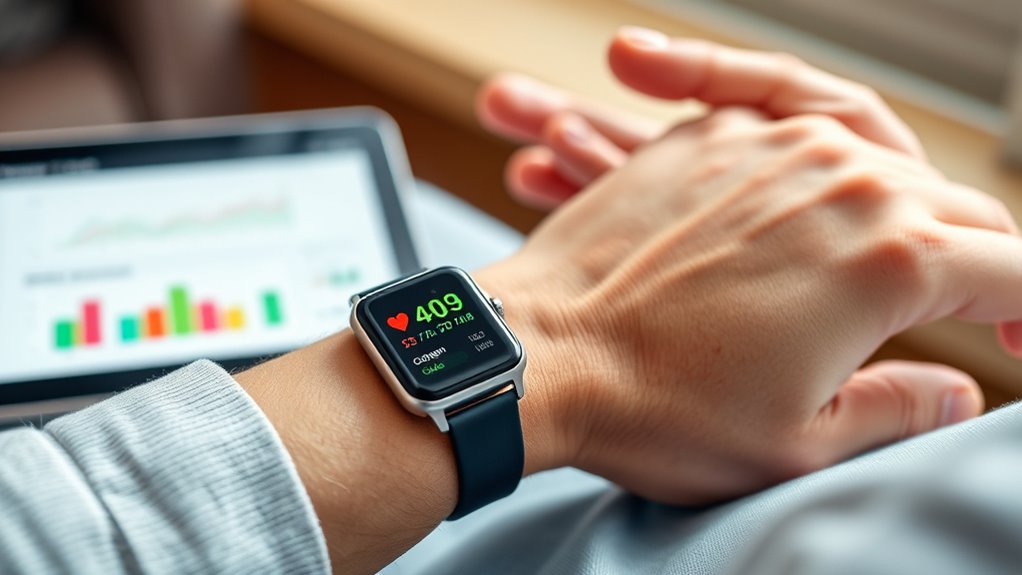

Remote patient monitoring (RPM) is changing healthcare by letting you stay connected to your care team outside the clinic. It uses sensors and devices to track your health in real time, helping detect issues early and improve chronic condition management. RPM reduces hospital visits, cuts costs, and makes care more convenient. As technology advances and adoption grows, you’ll discover how RPM can support better health and increased independence—if you continue exploring, there’s much more to learn.
Key Takeaways
- RPM enables continuous, real-time health monitoring outside clinical settings, expanding care access beyond traditional visits.
- It improves patient outcomes by early detection of health issues and supports management of chronic conditions remotely.
- RPM reduces hospitalizations and emergency visits, lowering healthcare costs and supporting value-based care models.
- Technological innovations like AI, wearables, and cloud platforms enhance data accuracy, analysis, and personalized treatment plans.
- Integration with electronic health records and ongoing policy developments facilitate seamless remote care and broader adoption.
The Growing Role of RPM in Modern Healthcare
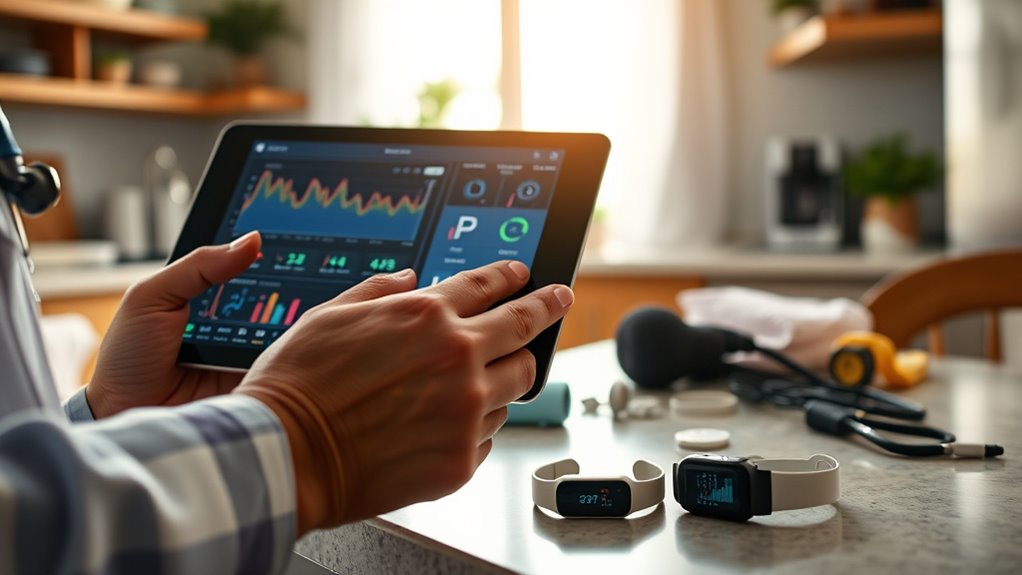
Remote Patient Monitoring (RPM) is transforming modern healthcare by enabling continuous, real-time oversight of patients outside traditional clinical settings. You’re likely noticing how RPM’s rapid adoption reflects broader shifts toward virtual care, driven by the pandemic and technological advances. Over 76% of U.S. hospitals now use telehealth tools, including RPM, to improve patient engagement and streamline care. The market is booming, projected to reach over $42 billion by 2028 and more than doubling again by 2033. As more Americans, especially seniors, embrace home-based health management, RPM’s role becomes even more crucial. It’s not just about convenience but also about creating a more proactive, efficient healthcare system that adapts to the growing demand for remote, personalized care solutions. Leveraging advanced monitoring devices and integrating home health technology can further enhance the effectiveness and reach of RPM programs.
How Remote Monitoring Improves Patient Outcomes
Remote monitoring helps you catch health issues early, often before symptoms become severe. It also supports better management of chronic conditions like diabetes and heart disease through continuous data tracking. By catching problems sooner and managing conditions more effectively, you can experience improved health outcomes and a better quality of life. Incorporating sound design techniques into health monitoring devices can enhance user experience and improve data clarity.
Early Detection of Issues
By continuously tracking essential signs and other health data, remote monitoring enables healthcare providers to identify issues earlier than traditional methods. This early detection allows for timely interventions, preventing complications and reducing hospitalizations. When you use RPM devices, you’ll benefit from real-time alerts about abnormal vitals or symptoms, prompting quick action. Here’s how RPM helps:
| Benefit | Impact |
|---|---|
| Early warning systems | Detects issues before symptoms worsen |
| Timely interventions | Reduces severity and hospital admissions |
| Continuous data flow | Provides thorough health insights |
| Preventive care | Stops problems from escalating, improving outcomes |
This proactive approach empowers you and your care team to address health concerns early, ultimately improving your overall well-being. State-specific tax laws can influence the financial planning surrounding healthcare expenses and retirement savings strategies.
Better Chronic Disease Management
Effective management of chronic diseases is considerably enhanced through remote monitoring, which provides real-time data that helps you and your healthcare team detect issues early. This ongoing insight enables you to adjust treatments promptly, preventing complications. Remote monitoring supports better disease control through:
- Continuous tracking of essential signs like blood pressure, glucose, and oxygen levels
- Early detection of exacerbations, reducing emergency visits
- Personalized alerts for abnormal readings, prompting timely intervention
- Improved medication adherence via reminders and feedback
- Enhanced patient engagement and self-management skills
- Incorporating Law of Attraction principles can foster a positive mindset that motivates consistent health monitoring and proactive behaviors.
Economic Benefits and Cost Savings of RPM

The economic advantages of RPM are substantial, as it enables healthcare providers to deliver care more efficiently and reduce overall costs. By monitoring patients remotely, you can catch health issues early, preventing costly hospitalizations and emergency visits. RPM also lowers readmission rates, saving money for hospitals and payers. It shifts healthcare spending toward cost-effective virtual care, with estimates showing up to $250 billion could be redirected through these models. Medicare payments for RPM have already surpassed $500 million, reflecting growing reimbursement support. Additionally, RPM helps manage chronic conditions at home, reducing the need for expensive in-person visits. This approach cuts non-hospitalization expenses and supports value-based care, ultimately making healthcare more affordable for both providers and patients. Understanding healthcare costs can further enhance the effectiveness of remote monitoring programs by targeting areas where savings are most impactful.
Technological Advancements Driving RPM Innovation
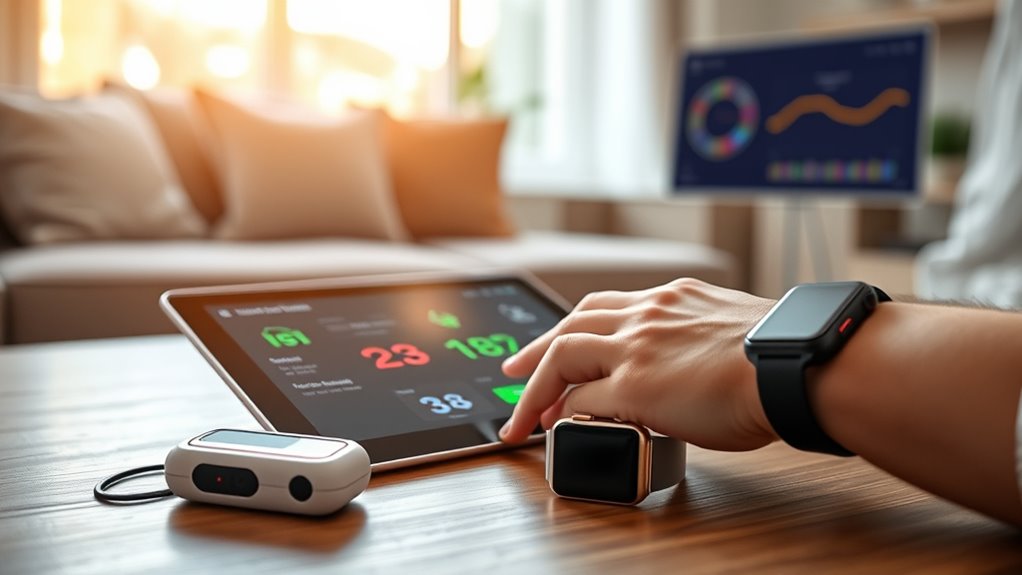
Technological advancements like AI-driven decision support are transforming how RPM systems analyze patient data and guide care. Wearables and sensors now seamlessly integrate with mobile and cloud platforms, enabling continuous, real-time monitoring. These innovations empower both patients and providers to make more informed, proactive health decisions. Ensuring the accuracy of data collected is crucial for effective remote monitoring outcomes.
AI-Driven Decision Support
AI-driven decision support is revolutionizing remote patient monitoring by enabling systems to analyze vast amounts of real-time data and provide actionable insights. You can leverage AI algorithms to identify patterns, predict health risks, and recommend interventions before issues escalate. This technology enhances clinical accuracy and speeds up decision-making, leading to better patient outcomes. Dog names can also inspire personalized naming options for pet health records and monitoring devices, adding a touch of personality to healthcare technology. – Continuous analysis of patient data for early warning signs – Personalized treatment suggestions based on individual health trends – Automated alerts for abnormal vitals or potential complications – Integration with electronic health records for thorough insights – Support for clinicians in prioritizing patient care tasks
Wearables and Sensors Integration
Advancements in wearables and sensors are transforming remote patient monitoring by enabling continuous, real-time health data collection outside clinical settings. These devices, including smartwatches, patches, and specialized biosensors, provide immediate insights into essential signs like heart rate, blood pressure, glucose levels, and oxygen saturation. Integration with RPM platforms allows for seamless data transmission, giving you a holistic view of patient health without frequent clinic visits. Wearables are becoming more accurate, comfortable, and discreet, encouraging consistent use. They also support early detection of health issues, prompting timely interventions. As technology advances, sensors are increasingly capable of monitoring complex parameters, facilitating personalized care plans. This integration not only improves health outcomes but also enhances patient engagement and provider decision-making. Promoting digital literacy among patients ensures they can effectively use these innovative tools and understand their health data.
Mobile and Cloud Connectivity
How are mobile and cloud connectivity transforming remote patient monitoring? They enable real-time data transfer, improved accessibility, and seamless integration across devices. You can now monitor health metrics anytime, anywhere, without delays. Cloud platforms securely store vast amounts of patient data, allowing clinicians to access information instantly and make timely decisions. Mobile apps facilitate patient engagement through alerts, reminders, and communication channels. This connectivity supports continuous care, reduces hospital visits, and enhances personalized treatment plans. Additionally, understanding store hours can help optimize scheduling for remote consultations and device maintenance.
Patient Perspectives and Preferences in Remote Care
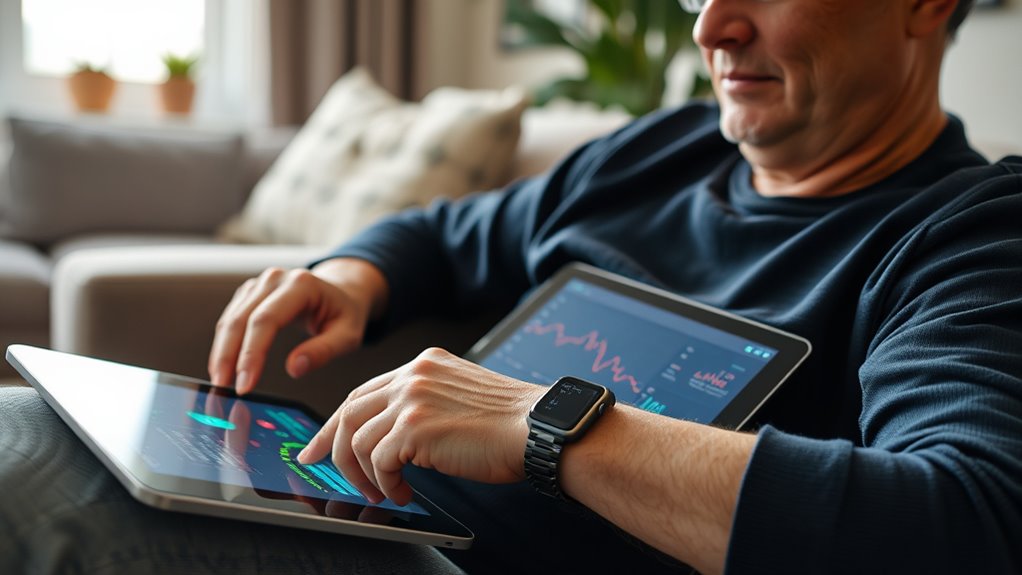
Patients increasingly value remote care options because they offer greater convenience and flexibility. You appreciate not having to travel to appointments or wait in busy clinics, making healthcare more manageable around your daily life. Many seniors prefer aging in place, and remote monitoring helps you stay independent longer. You also like receiving real-time feedback from your healthcare team, which keeps you engaged and motivated. The ability to track your health data from home makes you feel more in control of your condition. You trust that constant communication and easy access to your providers enhance safety and adherence. Additionally, the availability of affordable technology makes remote monitoring accessible for more patients. Overall, remote care aligns with your desire for comfort, autonomy, and timely support, shaping your preferences for ongoing health management beyond traditional in-person visits.
Adoption Trends and Market Segmentation Insights
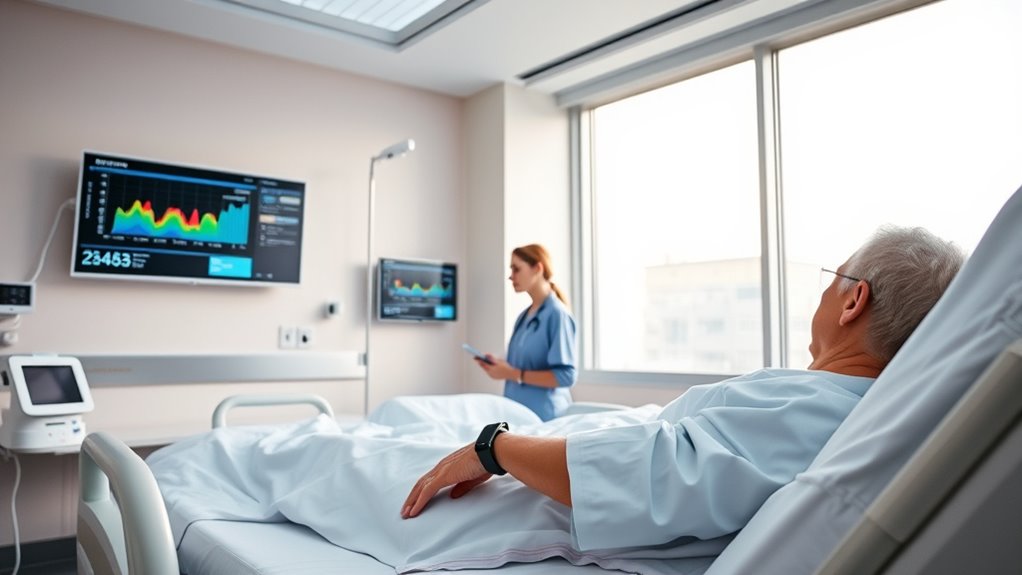
The adoption of remote patient monitoring (RPM) is accelerating across healthcare settings, driven by technological advancements and the push toward value-based care. You’ll notice a rapid rise in usage, with over 26% of Americans expected to use RPM by 2025, and the market projected to hit $42 billion by 2028. Key trends include:
- Over 76% of U.S. hospitals adopting telehealth, including RPM.
- Market growth from $14-$22 billion in 2023-2024 to over $110 billion by 2033.
- Global RPM users expected to reach 115 million by 2027.
- The U.S. hospital segment dominating with 60%+ of end users.
- Diabetes as the leading application, accounting for over 13% of market share.
These insights highlight expanding adoption and diverse market segmentation across regions and clinical areas.
Future Opportunities and Challenges in Remote Patient Monitoring
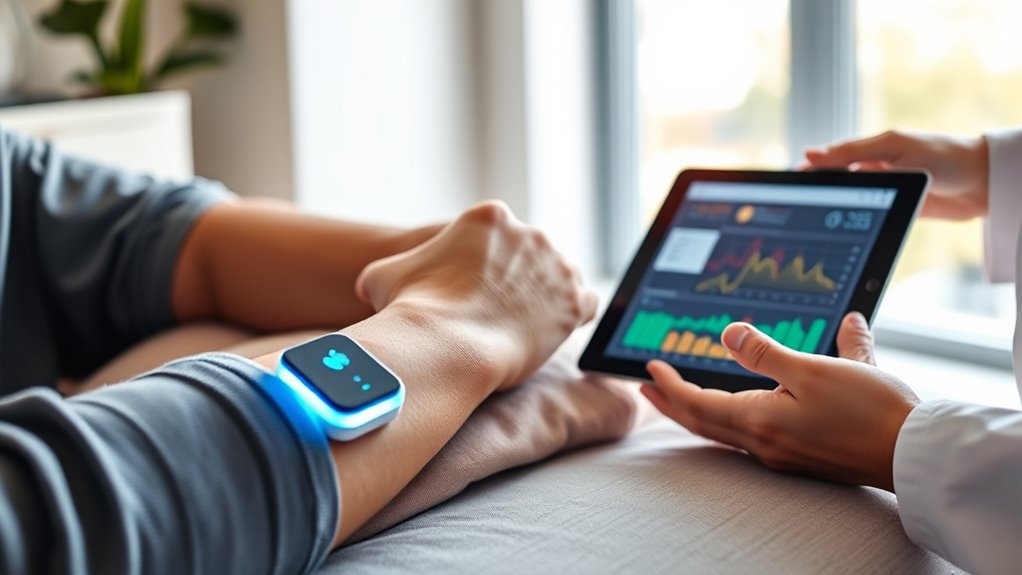
Emerging technologies and evolving healthcare policies present significant opportunities to expand the capabilities of remote patient monitoring (RPM). You can leverage artificial intelligence, machine learning, and advanced analytics to enhance decision support, personalize care, and predict health trends more accurately. As policies adapt to support telehealth, reimbursement frameworks will likely become more extensive, encouraging wider adoption. However, challenges remain, including data privacy concerns, interoperability issues, and disparities in access to digital tools. Ensuring equitable access for underserved populations is essential. Additionally, integrating RPM seamlessly into existing clinical workflows requires ongoing training and infrastructure investment. Balancing innovation with patient safety and regulatory compliance will be vital for sustaining growth and maximizing RPM’s potential to transform healthcare beyond traditional settings.
Frequently Asked Questions
How Is Data Privacy Maintained in Remote Patient Monitoring Systems?
You guarantee data privacy in RPM systems by using encryption protocols that protect data during transmission and storage. You also implement strict access controls, requiring secure logins and multi-factor authentication. Regular security audits help identify vulnerabilities, while compliance with regulations like HIPAA guides your practices. Additionally, you educate patients and staff on data security, fostering a culture of confidentiality and trust in the digital health environment.
What Are the Main Barriers to RPM Adoption in Rural Areas?
You face barriers like limited internet connectivity, which hampers real-time data transmission essential for RPM. Additionally, you might encounter a lack of technological infrastructure and device affordability, making it harder to implement RPM solutions. Healthcare providers may also struggle with insufficient training and resources to support remote monitoring. These challenges slow down adoption, especially in rural areas where infrastructure and financial support are often less developed.
How Does RPM Support Mental Health and Behavioral Health Care?
Think of RPM as a lifeline, continuously pulling mental health support into your everyday life. It offers remote therapy sessions, mood tracking, and real-time alerts, helping you stay connected with providers. For example, patients using RPM for depression saw improved engagement and early intervention. This technology reduces barriers like travel and stigma, making mental health care more accessible, timely, and personalized—supporting your well-being where you are.
What Training Is Needed for Healthcare Providers to Use RPM Effectively?
You need training in device operation, data interpretation, and digital communication skills to use RPM effectively. Focus on understanding how to set up and troubleshoot monitoring devices, analyze real-time patient data, and respond promptly to alerts. Additionally, develop skills in patient engagement and education to guarantee adherence. Keeping up with evolving technology and integrating clinical decision support tools will also enhance your ability to deliver ideal remote care.
How Does RPM Integration Differ Across Various Healthcare IT Platforms?
You’ll find that RPM integration varies greatly across healthcare IT platforms, transforming care delivery like a chameleon changing colors. Some platforms seamlessly embed RPM data into electronic health records (EHRs), enabling real-time insights, while others require complex customization or third-party tools. You need to understand each system’s architecture, data standards, and interoperability capabilities to guarantee smooth, efficient integration that supports proactive patient management and enhances clinical workflows.
Conclusion
As you embrace remote patient monitoring, think of it as opening a window to a brighter, healthier future. It’s like planting seeds of innovation that grow stronger with each heartbeat, offering care beyond walls and clocks. By harnessing technology’s light, you illuminate pathways to better outcomes and savings. Embrace this journey, for in the garden of healthcare, RPM is the steady rain nurturing a flourishing, patient-centered landscape that’s here to stay.