By syncing your workouts with your hormonal cycle, you can boost energy, improve performance, and reduce fatigue. During the follicular phase, focus on high-intensity activities like lifting and cardio, while gentler workouts suit the luteal phase. Timing your exercise with hormone fluctuations helps optimize recovery and prevent overexertion. Keep in mind, individual responses vary, so exploring these strategies further can help you find what works best for your body.
Key Takeaways
- Align high-intensity workouts with high-estrogen phases (follicular and ovulatory) for optimal performance and recovery.
- Reduce workout intensity during low-energy phases like menstruation and late luteal to prevent fatigue and injury.
- Use cycle tracking to plan strength, cardio, and recovery activities according to hormonal fluctuations.
- Incorporate nourishing foods and hydration tailored to each phase to support energy and muscle repair.
- Be aware of individual variability and adapt training plans based on personal energy levels and cycle symptoms.

Not just 'A' Period: A Holistic Cycle-Based Planner with 7+ Tools to Sync Productivity, Nutrition, Workouts & Sleep by Your FLOW – Thrive on Your Terms
As an affiliate, we earn on qualifying purchases.
As an affiliate, we earn on qualifying purchases.
Understanding Your Hormonal Cycle and Exercise Performance

Understanding your hormonal cycle is key to optimizing your exercise performance, as fluctuating hormone levels directly influence how your body responds to physical activity. During the follicular phase, rising estrogen levels boost energy, enhance muscle growth, and may improve recovery. This increase in estrogen also supports mindfulness practices that can help you tune into your body’s signals and improve workout effectiveness. This is when your body tends to tolerate moderate to high-intensity workouts better. In contrast, the luteal phase features increased progesterone, which can promote a catabolic state, making you feel more fatigued and potentially slowing muscle repair. While research shows that performance differences across cycle phases are generally small, knowing how hormones fluctuate helps you tailor your workouts. Being aware of these hormonal shifts allows you to optimize training, avoid overexertion during low-energy times, and support consistent progress.

Hormone & Cycle Tracker for Women: Track Your Period, Mood, Energy & Hormonal Changes Throughout Every Phase
As an affiliate, we earn on qualifying purchases.
As an affiliate, we earn on qualifying purchases.
Benefits of Aligning Workouts With Your Cycle Phases
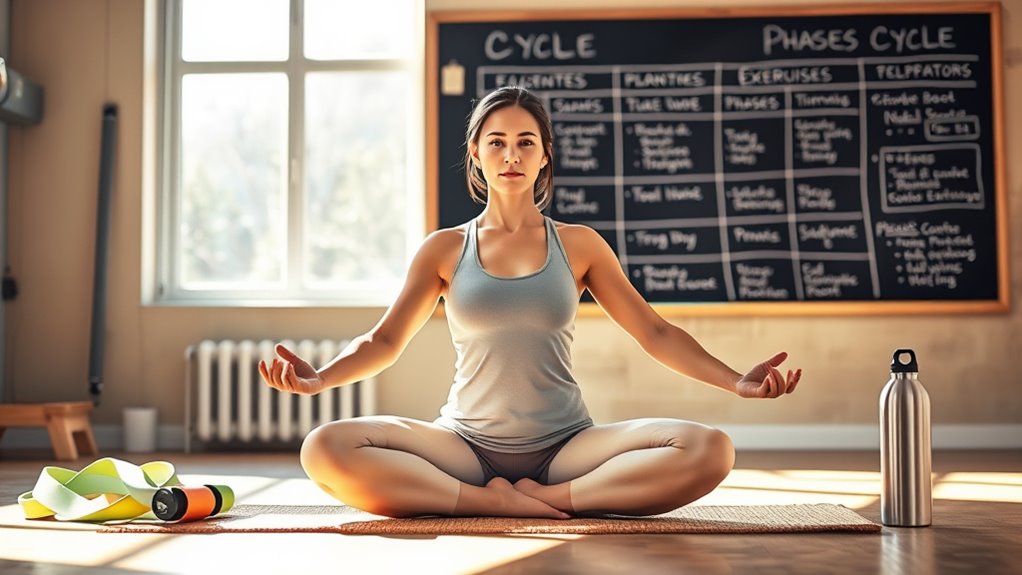
Aligning your workouts with your cycle phases can maximize the benefits of your efforts by syncing exercise intensity and type with hormonal fluctuations. During the follicular phase, when estrogen rises, you’ll likely notice increased energy and muscle strength, making it a great time for higher-intensity activities like weightlifting or cardio. As you enter the ovulatory phase, your peak estrogen levels support peak performance, so pushing yourself with HIIT or circuit training can be effective. In the luteal phase, when progesterone increases, your energy may dip, so switching to lower-intensity workouts like yoga or walking helps prevent fatigue and injury. This strategic alignment can enhance recovery, reduce discomfort, and support consistent progress, making your exercise routine more supportive of your body’s natural rhythms. Additionally, understanding your hormonal fluctuations can help you tailor your fitness approach for better results and overall well-being.
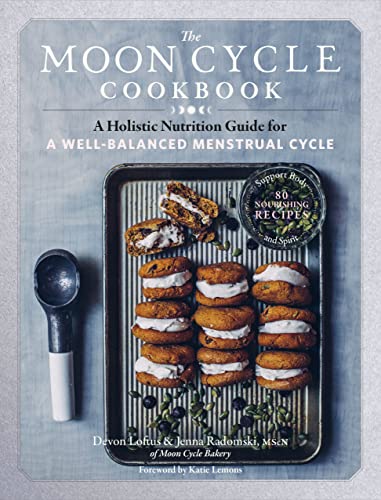
The Moon Cycle Cookbook: A Holistic Nutrition Guide for a Well-Balanced Menstrual Cycle
As an affiliate, we earn on qualifying purchases.
As an affiliate, we earn on qualifying purchases.
Customized Exercise Strategies for Each Menstrual Stage
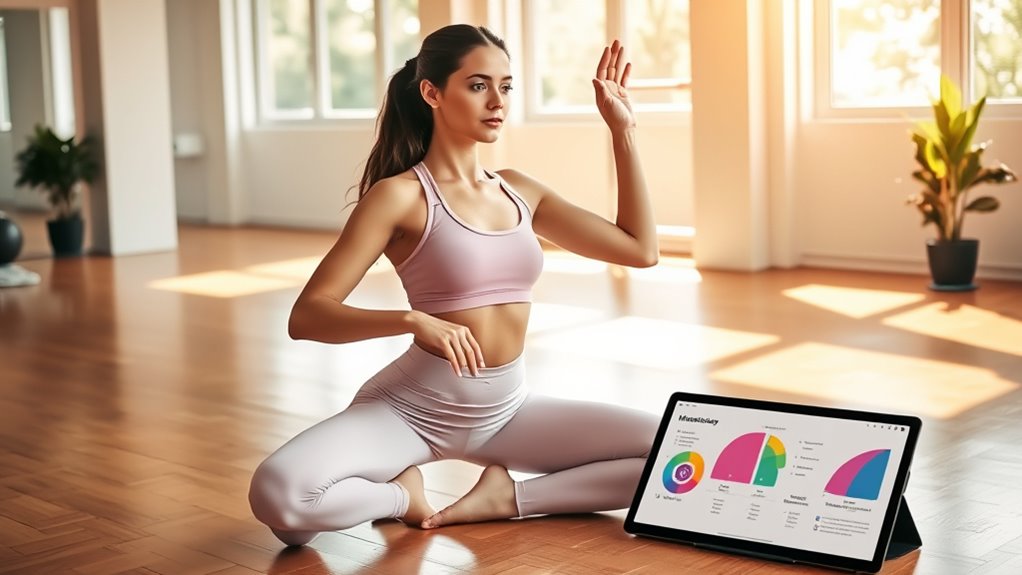
Each menstrual stage presents unique opportunities to tailor your exercise routine for ideal results and comfort. During your period, opt for gentle activities like yoga or walking to ease cramps and conserve energy. In the follicular phase, you can handle more intense workouts such as weightlifting or cardio, thanks to rising estrogen levels. As you approach ovulation, this is the best time for high-intensity sessions like HIIT or circuit training, when energy peaks. In the luteal phase, especially late, switch to lower-impact workouts like Pilates or hiking to prevent fatigue. Adjusting your intensity and volume accordingly helps you stay consistent and minimizes discomfort. Here’s how to adapt:
- Focus on gentle stretching during menstruation
- Increase strength training during follicular phase
- Maximize HIIT at ovulation
- Shift to moderate workouts in early luteal
- Reduce intensity in late luteal
- Monitoring hormonal fluctuations can help you better plan your exercise intensity and timing.

ProsourceFit Exercise Balance Pad – Non-Slip Cushioned Foam Mat & Knee Pad for Fitness and Stability Training, Yoga, Physical Therapy 15.5”x12.75”, Purple
IMPROVE BALANCE & STRENGTH – Foam creates unstable surface for working on balance & core strength, which also…
As an affiliate, we earn on qualifying purchases.
As an affiliate, we earn on qualifying purchases.
Nutritional Support to Enhance Cycle-Based Training

Optimizing your nutrition can considerably enhance your cycle-based training by supporting hormonal fluctuations and energy demands. During the follicular phase, focus on fueling with complex carbs, healthy fats, and proteins to boost estrogen and energy levels, which support muscle growth and recovery. In the luteal phase, prioritize nutrient-dense foods that stabilize blood sugar and reduce fatigue, such as high-fiber carbs and anti-inflammatory foods like ginger and berries. Maintaining balanced macronutrients across all phases helps prevent energy deficits and supports hormone balance. Stay well-hydrated, especially around active days, and incorporate foods rich in magnesium and omega-3s to mitigate menstrual discomfort. Additionally, understanding how eye patch benefits can aid in recovery and relaxation may complement your overall wellness routine. Tailoring your nutrition to your cycle ensures you maintain ideal performance, recover faster, and experience fewer PMS symptoms, making cycle syncing more effective.
Scientific Insights and Limitations of Cycle Syncing
While some studies suggest cycle syncing offers benefits, the scientific evidence remains limited and often inconsistent. You might find subjective improvements in mood and energy, but research hasn’t definitively confirmed these effects. More large-scale, rigorous research is necessary to validate the specific timing and hormonal influences behind cycle-based exercise strategies. Additionally, understanding the role of fatherhood in shaping character and confidence underscores the importance of personalized approaches to health and well-being.
Evidence Gaps and Challenges
Although cycle syncing shows promise for improving exercise outcomes and overall well-being, scientific research on its effectiveness remains limited and inconclusive. You should be aware of several key challenges:
- Small sample sizes make it hard to draw definitive conclusions.
- Variations in study designs lead to inconsistent results.
- Many studies rely on self-reported data, which can be biased.
- Lack of standardized protocols hampers comparison across research.
- Long-term effects and safety are still largely unstudied.
- Additionally, differences in projector technology can influence the reliability of visual data, highlighting the need for standardized assessment methods in related fields.
These limitations mean you should interpret current claims cautiously. While anecdotal reports are encouraging, scientific validation is still evolving. More rigorous, large-scale studies are needed to establish clear guidelines for cycle syncing’s efficacy and best practices.
Subjective Benefits and Limitations
Subjective benefits of cycle syncing often include improved mood, increased energy, and reduced PMS symptoms, which many women report after aligning their activities with their cycle phases. You might notice better sleep, less bloating, or more motivation during certain phases. However, these benefits vary widely and lack strong scientific backing. Some women find that following cycle phases helps them feel more in tune with their body, but others see minimal change. Additionally, individual differences in dog breeds, such as the Golden Dachshund, can influence activity preferences and energy levels, which may be relevant when tailoring exercise routines.
Practical Tips for Implementing Cycle-Aligned Fitness Routines

To get the most out of cycle syncing, start by timing your workouts to match your hormonal fluctuations. Be ready to adjust your intensity and volume as your cycle progresses, focusing on different goals during each phase. This approach can help you optimize performance and reduce fatigue, making your fitness routine more effective and sustainable. Incorporating awareness of your hormonal rhythm can further enhance your results and overall well-being.
Sync Workouts With Cycle Phases
Synchronizing your workouts with your menstrual cycle can help optimize performance, support recovery, and reduce fatigue. To do this effectively, tailor your exercise routines to each phase’s hormonal shifts. During the follicular phase, focus on moderate to high-intensity cardio and strength training, leveraging higher estrogen levels. In the ovulatory phase, push for high-intensity interval training and weightlifting when energy peaks. In the early luteal phase, maintain moderate workouts to match rising progesterone, and as you approach the late luteal phase, switch to gentler activities like yoga or walking to prevent overexertion.
- Schedule high-intensity workouts during peak estrogen
- Reduce volume and intensity during low-energy phases
- Listen to your body and adapt as needed
- Prioritize recovery during the luteal phase
- Use your cycle as a guide, not a strict rulebook
Adjust Intensity and Volume
Adjusting the intensity and volume of your workouts based on your menstrual cycle can help you optimize performance and prevent overtraining. During the follicular phase, when estrogen rises, increase workout intensity and volume to take advantage of higher energy levels and muscle repair. In the luteal phase, especially the late luteal, reduce intensity to prevent fatigue and support recovery. Listening to your body is key—don’t push through exhaustion. Use this table to guide your adjustments:
| Cycle Phase | Recommended Workout Approach |
|---|---|
| Menstrual & Late Luteal | Lower intensity, focus on recovery activities |
| Follicular & Ovulatory | Higher intensity, strength, and cardio sessions |
Frequently Asked Questions
Can Cycle Syncing Improve Athletic Performance for Competitive Athletes?
Cycle syncing can potentially enhance your athletic performance, especially during the ovulatory phase when estrogen peaks, boosting strength and endurance. By aligning your training with hormonal fluctuations, you may experience improved recovery, reduced inflammation, and greater motivation. However, individual responses vary, and scientific evidence is limited. It’s best to listen to your body and consult with coaches or healthcare professionals to optimize your training plan around your cycle.
How Do Hormonal Birth Control Methods Affect Cycle-Based Exercise Planning?
Hormonal birth control can substantially impact your exercise planning by stabilizing hormone levels, which may eliminate natural fluctuations. About 50% of women report changes in energy, mood, and recovery when on birth control. This means you might not experience the typical cycle phases that influence performance and recovery. As a result, focusing on consistent training routines rather than phase-specific adjustments could be more effective while on hormonal contraception.
Is It Safe to Adjust Workout Intensity During Hormonal Fluctuations?
Yes, it’s safe to modify your workout intensity during hormonal fluctuations. You should listen to your body and adjust your routine accordingly, especially during low-energy phases like menstruation or the luteal phase. Reducing intensity can prevent overtraining and injuries, while increasing it during high-energy phases can boost performance and motivation. Always consult with a healthcare professional to ensure your adjustments align with your individual health needs.
How Long Does It Take to See Benefits From Cycle-Synced Training?
You may start noticing benefits from cycle-synced training within a few weeks to a couple of months. Consistency is key, as aligning your workouts with your hormonal phases can boost mood, energy, and recovery over time. While some improvements, like reduced PMS symptoms or better sleep, may appear sooner, significant gains in strength, endurance, or mood often take several cycles to become evident.
Can Cycle Syncing Help With Managing Menstrual Pain and PMS Symptoms?
Yes, cycle syncing can help manage menstrual pain and PMS symptoms. By adjusting your exercise intensity and type throughout your cycle, you may reduce cramps, bloating, and mood swings. For example, low-impact activities during your period and more gentle workouts during the luteal phase support comfort and recovery. This tailored approach may improve your overall well-being, boost mood, and lessen PMS discomfort, making your cycle easier to manage.
Conclusion
Think of your cycle as a symphony, each phase a unique movement with its own rhythm and melody. When you tune into this music, your workouts become harmonious, supporting your body’s natural flow. Embrace this dance, adjusting your steps with intention and awareness. As you navigate each phase, you’ll find your energy and strength ebb and flow, creating a masterpiece of balance. Synchronize with your cycle, and let your fitness journey flourish in perfect harmony.