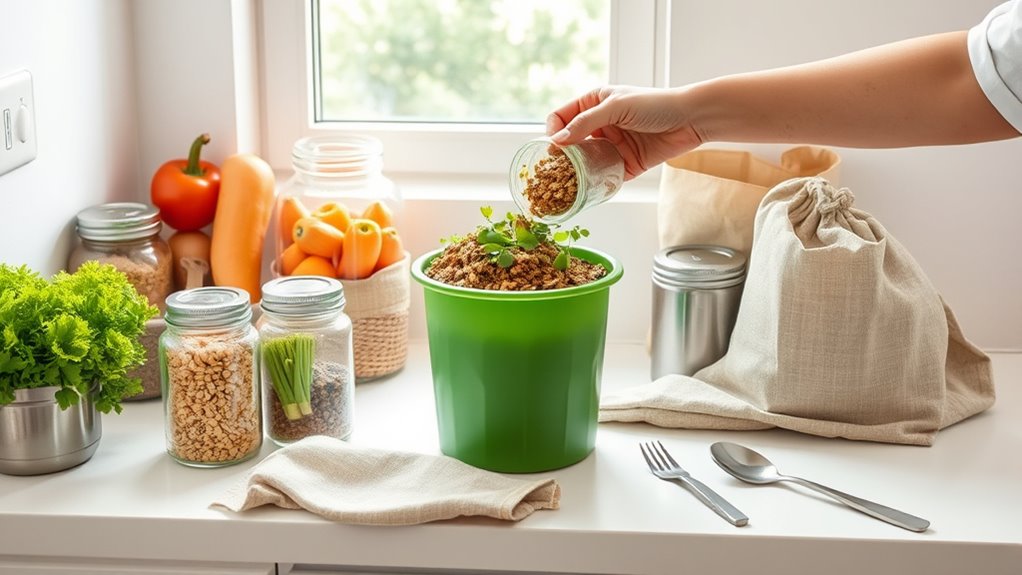

To reduce waste in daily life, focus on cutting single-use items by switching to reusable products like bottles, bags, and containers. Sort and recycle properly, avoiding contamination, and consider composting food scraps to minimize landfill bulk. Support sustainable brands and eco-friendly packaging. Engage with your community and set realistic goals to gradually minimize your waste footprint. Continuing with these efforts can help you make meaningful changes for a healthier planet.
Key Takeaways
- Embrace reusable products like bags, bottles, and containers to minimize single-use plastics.
- Properly sort, recycle, and compost waste to reduce landfill contribution and environmental contamination.
- Identify major waste items such as packaging or electronics to target specific reduction strategies.
- Support sustainable brands and policies that promote eco-friendly materials and resource efficiency.
- Engage in community initiatives like clean-up events and education to foster zero waste habits.
Understanding the Impact of Waste on the Environment

Waste profoundly harms the environment by polluting land, water, and air. When you throw away items, they often end up in landfills, where they release harmful chemicals and gases, contaminating soil and groundwater. Plastic waste, in particular, takes centuries to decompose, choking wildlife and polluting oceans. Electronic waste releases toxic substances like lead and mercury, risking human health and ecosystems. Open dumping of waste increases environmental risks, especially in regions lacking proper waste management. This pollution harms plant and animal life, disrupts ecosystems, and contributes to climate change through greenhouse gas emissions. Your waste habits directly impact this cycle. Reducing waste helps prevent pollution, protect natural resources, and support healthier ecosystems for future generations. Additionally, Plastic waste persists in the environment for hundreds of years, exacerbating pollution problems and threatening biodiversity.
Assessing Your Current Waste Footprint
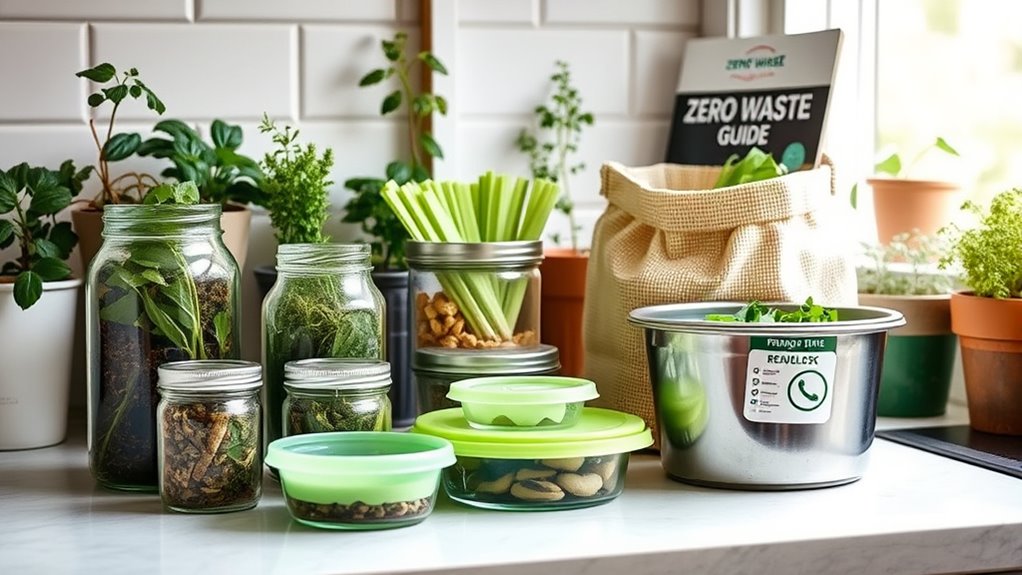
Start by tracking where most of your waste comes from, such as packaging, food scraps, or electronics. Then, calculate how much waste you dispose of each month to see your overall impact. Identifying your biggest waste types helps you target areas for reduction and better management. Considering grocery savings strategies can help reduce packaging waste and overall expenses.
Track Your Waste Sources
To effectively reduce your environmental impact, it’s vital to understand where your waste comes from. Start by tracking your waste sources over a week. Keep a simple journal or use a smartphone app to record every item you throw away, noting its category—plastic, food, paper, electronics, or others. Pay attention to patterns: which items are most frequent? Where do they originate? Are they from shopping, meals, or household activities? This process reveals your main waste contributors and helps identify unnecessary or excessive disposables. Additionally, understanding the waste stream can help you implement targeted reduction strategies. Tracking your waste sources transforms abstract numbers into actionable insights, setting the foundation for meaningful waste reduction in your daily life.
Calculate Monthly Disposal
Have you ever wondered how much material you dispose of each month? To get a clear picture, start tracking your waste. Gather your trash and recycling bins, and note how much you throw away weekly. Use a scale or estimate weights for different waste types—plastic, paper, food scraps, electronics, and other materials. Keep a log for at least a month to identify patterns and high-volume items. This process helps you understand where most waste originates and highlights areas to reduce. Be honest about your habits and avoid underestimating. Once you calculate your monthly disposal, you’ll see your waste footprint clearly, providing a foundation for setting realistic goals to minimize your impact and move toward a zero waste lifestyle. Additionally, understanding the composition of your waste can help target specific areas for reduction.
Identify Major Waste Types
Knowing what types of waste you generate is key to reducing your overall footprint. Start by tracking your waste over a week. Break it down into categories: plastics, food scraps, paper, electronics, and textiles. Notice which items you throw away most often. Are you disposing of a lot of plastic packaging or food waste? Do you generate electronic waste from broken gadgets? Identifying these major waste streams helps you target areas for reduction. For example, if plastic dominates, consider switching to reusable containers and bags. If food waste is high, plan meals better or compost. Recognizing your key waste types gives you a clearer picture of where to focus your efforts, making your journey toward zero waste more effective and manageable. Additionally, understanding the types of waste you produce can help you adopt more sustainable practices and reduce environmental impact.
Strategies for Reducing Single-Use Items

Reducing single-use items requires a combination of conscious consumer choices, innovative product design, and supportive policies. You can start by opting for reusable alternatives whenever possible, such as cloth bags, metal straws, and glass containers. Supporting companies that prioritize sustainable packaging encourages industry change. Advocating for policies that ban or tax single-use plastics can further reduce waste. Additionally, you can:
- Carry your own reusable shopping and produce bags
- Use refillable water bottles instead of disposable plastic bottles
- Choose products with minimal or biodegradable packaging
- Reduce reliance on single-use cutlery by bringing your own set
- Support local businesses that promote zero waste practices
- Utilize reusable alternatives for everyday items to minimize environmental impact.
Embracing Reusable Products and Packaging

Switching to reusable products and packaging helps you cut down on waste and save money over time. When you choose eco-friendly options, you reduce the demand for single-use items and lessen environmental impact. Simple tips like carrying your own containers and cleaning them regularly make these habits easy to stick with. Using safe heated mattress pads can also improve your sleep quality without additional waste from disposable bedding accessories.
Benefits of Reusable Items
Reusable items offer a practical way to cut down waste and lessen environmental impact. By choosing reusable products, you reduce the demand for single-use items that often end up in landfills or pollute ecosystems. They help conserve resources, lower carbon emissions, and decrease pollution associated with manufacturing and disposal. Plus, reusable items often last longer, saving you money over time. They also promote mindful consumption and foster sustainable habits. Using Pimple Patches as a targeted skincare solution exemplifies the benefits of reusable and effective approaches to personal care.
- Minimize plastic waste and landfill overflow
- Save money with long-lasting products
- Reduce energy consumption in manufacturing
- Lower greenhouse gas emissions
- Support a circular economy by reusing materials
Switching to reusable items isn’t just good for the planet; it’s an empowering step toward a zero-waste lifestyle.
Choosing Eco-Friendly Packaging
Choosing eco-friendly packaging is a critical step in minimizing environmental impact, especially as single-use plastics and disposables dominate many industries. By opting for reusable containers, bags, and wraps, you reduce the amount of waste sent to landfills and oceans. Switch to products made from sustainable materials like glass, metal, or biodegradable plastics, which can often be reused multiple times. When shopping, carry your own bags and containers instead of accepting disposable ones. Look for brands that prioritize minimal packaging or use recycled materials. This simple shift not only cuts waste but also encourages companies to adopt greener practices. Remember, every time you choose reusable and sustainable packaging, you help decrease plastic pollution and support a circular economy. Your choices truly make a difference. Additionally, being aware of store hours can help plan your shopping trips to avoid unnecessary trips and reduce carbon emissions.
Practical Usage Tips
Ever wondered how small everyday actions can substantially reduce waste? Embracing reusable products and packaging is a simple yet powerful step. By switching to items like reusable bags, bottles, and containers, you cut down on single-use plastics that often end up in landfills or oceans. Keep these tips in mind:
- Use stainless steel or glass water bottles instead of disposable plastic bottles.
- Carry reusable shopping bags for groceries and errands.
- Replace plastic wraps with beeswax wraps or silicone covers.
- Opt for refillable coffee cups and travel mugs.
- Choose products with minimal or biodegradable packaging.
- Incorporate zero waste principles into your routine to further enhance your waste reduction efforts.
These choices not only minimize waste but also promote a sustainable lifestyle. Incorporating reusable options into your daily routine helps you contribute to systemic change while reducing your environmental footprint. Small, consistent actions lead to meaningful impact.
Proper Sorting and Recycling Techniques

To guarantee recycling efforts are effective, proper sorting is essential. You need to separate recyclables correctly to prevent contamination and ensure they’re processed properly. First, rinse items like containers and cans to remove food residue. Use designated bins for different materials: paper, plastics, metals, and glass. Check local guidelines, as some items may need special handling. When in doubt, leave it out rather than risking contamination. Here’s a quick guide:
| Material | Recycle? | Tips |
|---|---|---|
| Plastic bottles | Yes | Rinse and flatten |
| Food-soiled paper | No | Compost or trash |
| Aluminum cans | Yes | Rinse and crush |
Sorting properly reduces waste sent to landfills and boosts recycling efficiency.
Composting and Food Waste Management

Composting offers a practical way to reduce food waste and turn organic materials into valuable soil amendments. By composting, you divert food scraps from landfills, decrease methane emissions, and enrich your garden naturally. To get started, consider these key practices:
- Maintain a balanced mix of greens (kitchen scraps) and browns (leaves, paper).
- Turn the compost regularly to aerate and speed up decomposition.
- Avoid adding meat, dairy, or oily foods that can attract pests.
- Keep the compost moist but not soggy for ideal microbial activity.
- Use a compost thermometer to monitor temperature and ensure proper breakdown.
Mastering these techniques helps minimize waste, supports soil health, and fosters a sustainable lifestyle. Composting not only reduces your ecological footprint but also empowers you to contribute meaningfully to waste reduction efforts.
Supporting Sustainable and Circular Economy Practices

Supporting sustainable and circular economy practices involves rethinking how products are designed, used, and disposed of to maximize resource efficiency and minimize waste. You can choose products made with durable, recyclable materials and support brands committed to eco-friendly design. Prioritize purchasing items that can be reused, repaired, or repurposed instead of single-use products. Participating in extended producer responsibility programs encourages manufacturers to design for easier recycling and less waste. Implementing circular practices means keeping materials in use longer, reducing the need for virgin resources and lowering environmental impact. You can also advocate for policies that promote reuse, recycling, and innovative product lifecycle management. By making conscious choices, you help shift the economy towards sustainability, reducing waste and conserving resources for future generations.
Inspiring Community Engagement and Advocacy
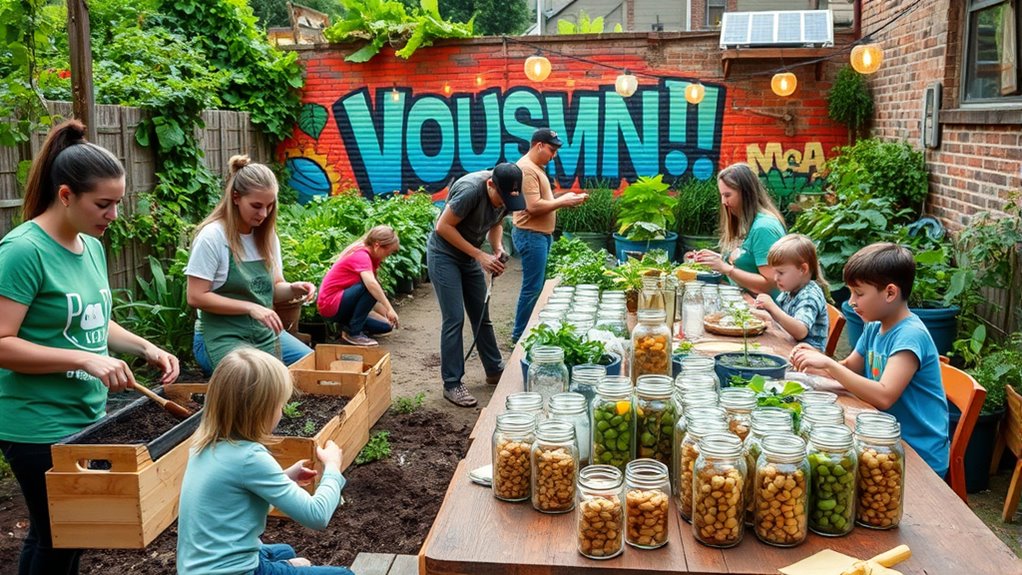
Community engagement and advocacy are essential for driving meaningful change in waste reduction efforts. When you involve others, you amplify your impact and foster a collective sense of responsibility. To inspire action, consider these strategies:
- Organize local clean-up events to raise awareness and build community spirit
- Partner with schools, businesses, and organizations to promote zero waste initiatives
- Advocate for policies that support recycling, composting, and waste reduction
- Share success stories and educational content on social media to motivate others
- Support or establish community recycling and reuse programs to reduce landfill waste
Setting Realistic Goals for a Zero Waste Lifestyle

Adopting a zero waste lifestyle is a commendable goal, but it’s important to set realistic and achievable targets to maintain motivation and avoid burnout. Start small by focusing on one area, like reducing plastic use or composting food scraps. Break your larger goal into manageable steps—swap single-use bags for reusable ones or buy in bulk to cut packaging waste. Celebrate progress along the way to stay inspired. Remember, zero waste isn’t about perfection but continuous improvement. Be patient with yourself, and don’t get discouraged by setbacks. Adjust your goals as you learn what works best for your lifestyle. Setting practical, incremental targets helps you build sustainable habits and maintains your momentum toward a greener, less wasteful life.
Frequently Asked Questions
How Can I Reduce Hidden Waste in My Household Habits?
You can reduce hidden waste in your household habits by scrutinizing product packaging and choosing items with minimal or recyclable packaging. Opt for reusable containers, bags, and utensils instead of single-use ones. Repair instead of replace broken items, and compost food scraps to cut down on waste. Be mindful of energy and water use, and buy in bulk to reduce packaging waste. Small, intentional changes add up to a significant impact over time.
What Are Effective Ways to Encourage Others to Adopt Zero Waste Lifestyles?
You can inspire others by showing them that adopting a zero waste lifestyle isn’t just a good idea—it’s a game-changer for the planet! Share your success stories, demonstrate simple swaps, and make it fun. Offer hands-on help, host community events, or start challenges. When you lead by example, your enthusiasm becomes contagious, turning skeptics into passionate recyclers and waste warriors, transforming your entire community into eco-heroes.
How Do I Find Genuinely Sustainable Products and Brands?
You can find genuinely sustainable products by researching brands committed to transparency and eco-friendly practices. Look for certifications like Fair Trade, USDA Organic, or B Corp, which verify sustainability standards. Read reviews and company reports to assess their environmental impact. Support local, small-scale producers who prioritize ethical sourcing. Avoid greenwashing by questioning claims and prioritizing products with minimal packaging and a clear sustainability mission.
What Are the Best Practices for Managing E-Waste Safely?
You should always recycle electronics through certified e-waste recycling programs or authorized collection points. Avoid discarding devices in regular trash to prevent environmental contamination. Before recycling, wipe personal data and, if possible, donate working electronics. Stay informed about local regulations and take advantage of take-back programs from manufacturers. Proper disposal minimizes toxic waste, conserves resources, and guarantees hazardous materials don’t harm communities or ecosystems.
How Can I Track My Progress Toward Zero Waste Goals Accurately?
Are you measuring your waste reduction efforts effectively? To track progress accurately, keep detailed records of your waste output and recycling habits. Use apps or journals to log quantities and types of waste you generate. Set clear, measurable goals and review them regularly. Are you noticing a decline in waste over time? Consistent tracking helps identify areas for improvement and keeps you motivated on your zero waste journey.
Conclusion
By embracing zero waste living, you’re planting seeds for a healthier planet, one small action at a time. Every reusable bag, composted peel, or recycled bottle is like a drop in the ocean—powerful when combined. Remember, progress is a journey, not a sprint. As you reduce waste, you create ripples of change that can inspire others, turning your daily habits into waves of positive environmental impact. Your efforts truly make a difference.