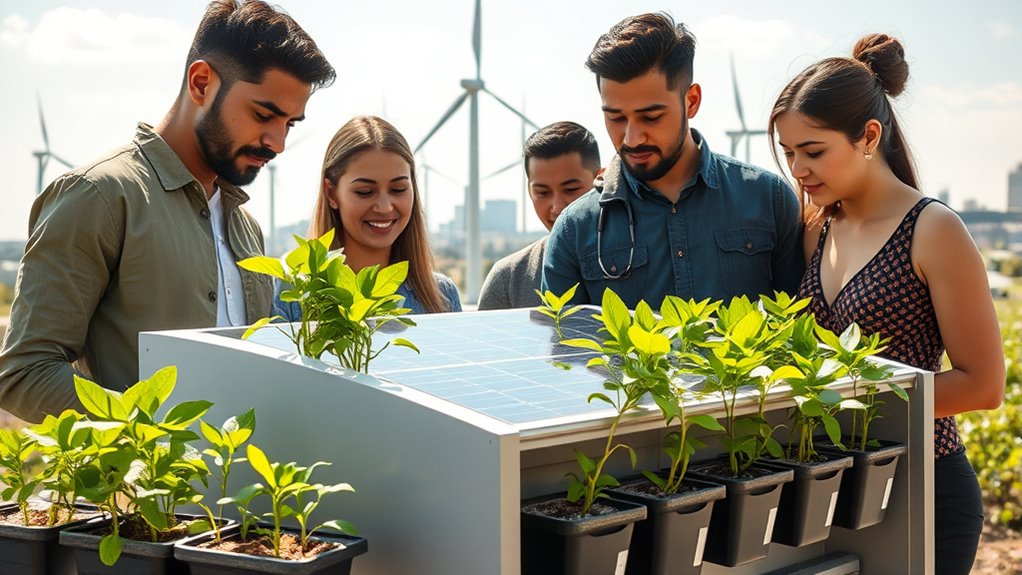

Green startups are tackling urgent environmental issues by developing innovative solutions across sectors like renewable energy, carbon capture, and sustainable materials. They operate globally, creating breakthroughs in clean tech, circular economies, and eco-friendly products. Despite policy and funding hurdles, collaborations and strategic partnerships are accelerating their impact. Successful examples like Climeworks and BETA Technologies show how tech-savvy entrepreneurs are transforming industries. If you want to discover how these ventures are shaping a greener future, keep exploring further.
Key Takeaways
- Green startups develop innovative solutions in renewable energy, carbon capture, sustainable materials, and circular economy models.
- They operate globally, utilizing AI, aerospace, and eco-friendly technologies to address environmental challenges.
- Collaboration with public and private sectors accelerates technology deployment and scales impactful green solutions.
- Policy support, incentives, and funding are crucial to overcoming barriers and fostering green startup growth.
- Successful examples like Climeworks and BETA Technologies demonstrate profitable, impactful innovations in environmental sustainability.
The Growing Impact of GreenTech Companies Worldwide
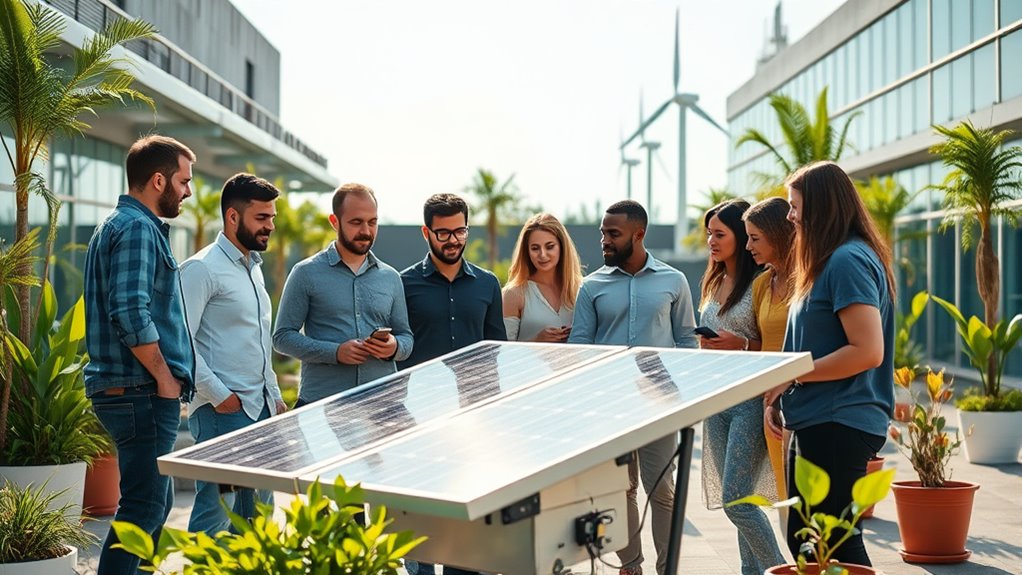
GreenTech companies are making a significant global impact by developing innovative solutions to combat climate change and promote sustainability. You’ll find them across more than 30 countries and six continents, pushing the boundaries of technology and environmental protection. Leading firms like BETA Technologies in the US are creating battery-powered aircraft, while Switzerland’s Climeworks captures large volumes of CO2 at its Mammoth facility, serving major clients like Microsoft and Lego. These companies harness AI, aerospace, carbon capture, and other advanced approaches to address urgent environmental issues. Their innovations not only deliver positive ecological outcomes but also demonstrate strong financial performance. As the green tech sector expands at nearly 9% annually, it reflects a global shift toward sustainable development, making a tangible difference on a planetary scale. Emphasizing the importance of high-quality equipment and effective sound recording techniques, these innovations often rely on cutting-edge technology to monitor and improve environmental impact.
How Climate Startups Are Shaping Sustainable Development
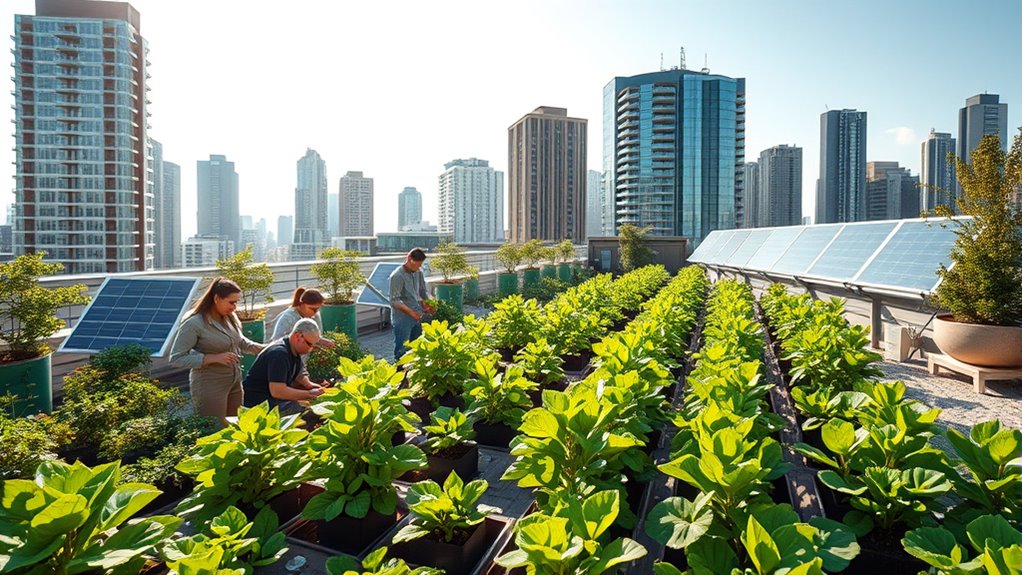
Climate startups play a vital role in advancing sustainable development by developing innovative solutions that address pressing environmental challenges. You can see their impact through various approaches:
- Creating renewable energy technologies like advanced solar and wind systems
- Developing carbon capture and storage to reduce greenhouse gases
- Innovating sustainable materials to replace plastics and reduce waste
- Promoting circular economy models to extend product lifecycles
These startups push the boundaries of technology and business models, enabling industries to lower their environmental footprint. By collaborating with governments, investors, and corporations, they accelerate the transition toward sustainability. Their innovations not only tackle climate change but also create economic opportunities and jobs, proving that environmental and economic goals can align. Incorporating personalized care plans and technologies that enhance quality of life, much like in senior care, can also support community resilience and well-being. Their efforts shape a more resilient, sustainable future for everyone.
Key Sectors Driving Innovation and Investment
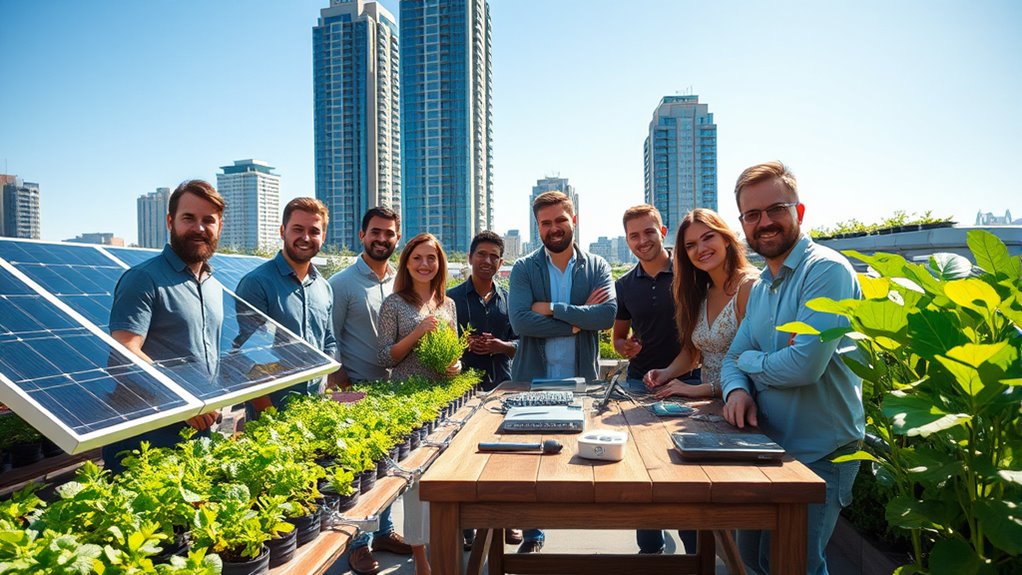
Which sectors are currently leading the charge in driving innovation and attracting investment? Renewable energy, carbon capture, sustainable materials, and circular economy solutions top the list. These sectors draw significant funding and foster breakthrough technologies. The table below highlights key areas:
| Sector | Focus Areas |
|---|---|
| Renewable Energy | Solar, wind, bioenergy |
| Carbon Capture | Direct air capture, storage |
| Sustainable Materials | Bioplastics, eco-friendly products |
| Circular Economy | Recycling, product lifecycle |
These sectors are essential because they directly address climate challenges while offering growth opportunities. Investment in these areas accelerates technology deployment and expands the green economy. Furthermore, understanding the environmental impact of these innovations helps investors and entrepreneurs prioritize efforts that promote sustainability. As you explore green startups, focus on these sectors to understand where innovation and funding are converging most rapidly.
Overcoming Barriers: Policy and Financing Challenges

You’ll find that policy gaps often slow down green startup growth by creating uncertain regulatory environments. Limited funding options make it hard for innovators to scale their solutions and stay competitive. Addressing these barriers is essential to unseal the full potential of green technologies and accelerate climate action. Enhancing projector technology and understanding its impact can also serve as a metaphor for the importance of innovation in overcoming systemic challenges.
Policy Gaps Hindering Growth
Policy gaps considerably impede the growth of green startups by creating uncertain regulatory environments and limiting access to necessary funding. Without clear policies, startups struggle to navigate compliance, secure investments, and scale their solutions. These gaps often result in inconsistent standards, delayed approvals, and unpredictable incentives, discouraging innovation. To address these challenges, you should focus on:
- Establishing clear, consistent regulations that support green innovations
- Offering targeted incentives and tax breaks for sustainable ventures
- Streamlining approval processes to reduce delays
- Building public-private partnerships to foster policy alignment and funding opportunities
- Recognizing that attention and dedicated effort can help entrepreneurs overcome these barriers and foster innovative solutions.
Funding Scarcity Limiting Innovation
Funding scarcity remains a major obstacle for green startups seeking to innovate and scale their solutions. Without sufficient capital, you struggle to develop new technologies, expand operations, or reach markets. Traditional investors often see green innovations as risky or long-term, making it harder to secure early-stage funding. Government grants and subsidies can help, but they’re limited and competitive. You may face hurdles in attracting venture capital, especially if your project requires substantial upfront investment or has uncertain returns. This financial gap hampers your ability to push breakthrough ideas forward. Overcoming this barrier requires creative financing strategies, such as blended finance, impact investing, or corporate partnerships. Incorporating natural materials into your projects can sometimes attract additional support or appeal to environmentally conscious investors. Without adequate funding, even the most promising green solutions risk stalling before making a meaningful environmental impact.
The Role of Collaboration in Accelerating Green Solutions
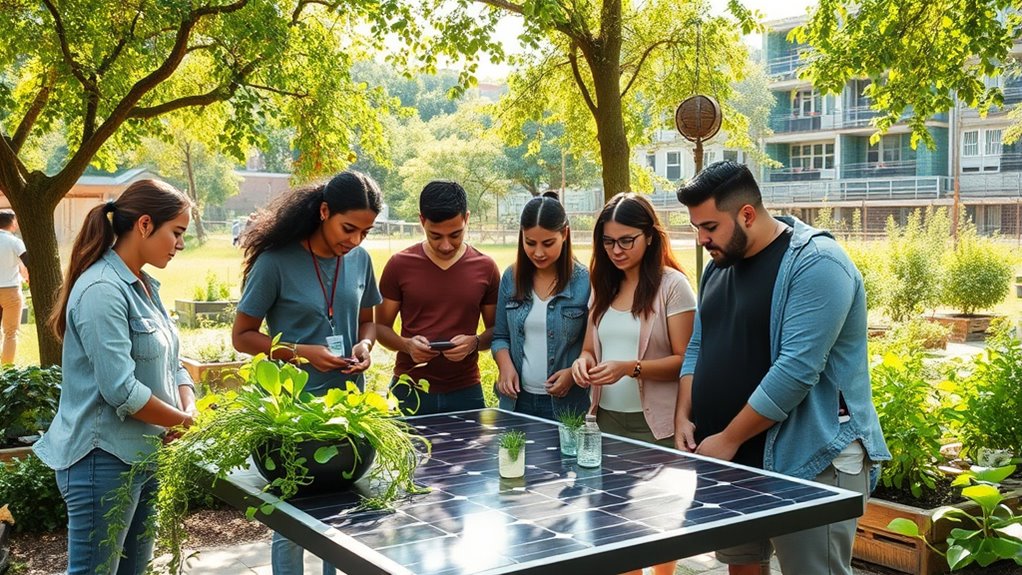
You can accelerate green solutions by fostering strong public-private partnerships that combine resources and expertise. Cross-sector innovation networks enable different industries to share ideas and develop scalable technologies faster. When policy and funding work together, they create a supportive environment that drives startup growth and environmental impact. Additionally, establishing clear affiliate disclosures and ensuring transparency can encourage investor trust and stakeholder engagement in green initiatives.
Fostering Public-Private Partnerships
Public-private partnerships are crucial for accelerating green solutions by combining the strengths of governments, businesses, and civil society. These collaborations unlock resources, expertise, and innovation essential for tackling complex environmental challenges. As an entrepreneur or stakeholder, you can leverage these partnerships to scale your green solutions more effectively. They provide access to funding, regulatory support, and industry networks that accelerate development and deployment. Key aspects include:
- Sharing knowledge and best practices across sectors
- Securing funding and investment opportunities
- Influencing policy to create a conducive environment
- Building consumer trust through credible partnerships
- Incorporating body awareness techniques can enhance stakeholder engagement and resilience in collaborative efforts.
Cross-Sector Innovation Networks
Cross-sector innovation networks play a vital role in speeding up green solutions by fostering collaboration among diverse stakeholders. When governments, startups, academia, and private companies work together, they share knowledge, resources, and expertise, which accelerates development and deployment of sustainable technologies. These networks break down silos, allowing for more flexible innovation pathways and faster problem-solving. For instance, partnerships between tech firms and environmental organizations can optimize carbon capture projects or renewable energy systems. You can see how such collaborations create synergies, amplify impact, and attract investment. By connecting different sectors, you help guarantee that innovative ideas move from concept to market more efficiently, ultimately driving the adoption of scalable, effective environmental solutions. Collaboration truly amplifies the reach and speed of green innovation. Incorporating antique pieces into project spaces can inspire creativity and add a sense of history to the innovation environment, fostering a unique and motivating atmosphere.
Policy and Funding Synergies
Collaboration between policymakers, investors, and innovators is essential for creating effective policy and funding synergies that accelerate green solutions. When these groups work together, they can remove barriers, boost innovation, and channel resources more efficiently. This partnership helps startups access critical funding, navigate regulations, and scale their technologies faster. This coordinated effort also fosters effective communication, which is vital for understanding diverse perspectives and aligning goals. You benefit by seeing how coordinated efforts enable:
- Streamlined funding pathways through public-private partnerships
- Policy frameworks that incentivize green innovation
- Access to industry mentorship and expert networks
- Increased investor confidence driven by supportive regulations
Success Stories Transforming Environmental Industries
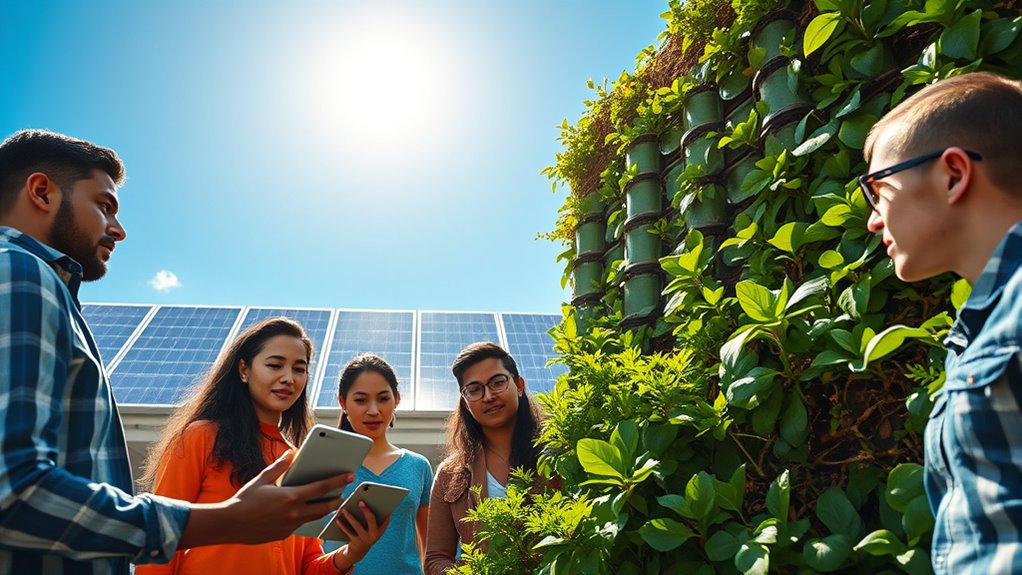
Success stories in green technology demonstrate how innovative startups are revolutionizing environmental industries and driving meaningful change. These ventures prove that sustainable solutions can be profitable and impactful. For example, Climeworks’ carbon capture tech removes 36,000 tons of CO₂ annually, serving giants like Microsoft and Lego. BETA Technologies’ electric aircraft is transforming transportation, while mealworm farms replace traditional protein sources. These successes inspire new entrepreneurs and attract investments.
| Startup | Innovation |
|---|---|
| Climeworks | Carbon capture and storage |
| BETA Technologies | Battery-powered aircraft |
| AeroFarms | Vertical farming with sustainable methods |
| WormsUp | Insect-based protein for feed |
Your role in supporting these breakthroughs fuels the evolution of greener industries.
Future Trends and Opportunities in Green Entrepreneurship
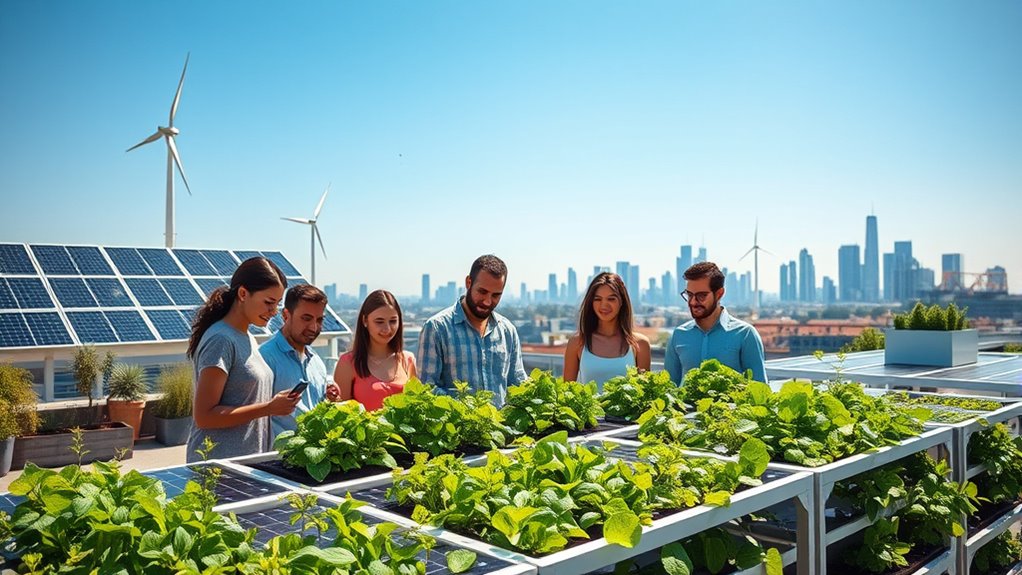
Emerging trends in green entrepreneurship reveal a dynamic landscape full of opportunities driven by technological innovation and shifting policy priorities. You’ll see rapid advancements in renewable energy, carbon capture, and sustainable materials, opening new avenues for startups. Policy support is also strengthening, with governments offering incentives, grants, and partnerships to accelerate green solutions. Market demand continues to grow, especially in sectors like clean transportation and circular economy models. To capitalize on these trends, focus on:
Green entrepreneurship thrives with innovations in renewable energy, policy support, and market growth in clean transportation and circular economies.
- Developing scalable clean tech solutions with AI and IoT integration
- Building strategic partnerships across public and private sectors
- Leveraging venture capital and government funding for R&D
- Addressing urgent environmental issues like water scarcity and deforestation through innovative approaches
Staying adaptable and innovative will position you to seize emerging opportunities in green entrepreneurship.
Frequently Asked Questions
How Do Green Startups Measure Their Environmental Impact Effectively?
You measure your environmental impact by tracking key metrics like CO2 reduction, resource savings, and waste minimization. You set clear goals, use standardized tools like life cycle assessments, and gather data regularly. Engaging in third-party audits and certifications guarantees transparency and credibility. Comparing your results with industry benchmarks helps you understand your progress and identify areas for improvement, making your impact both measurable and meaningful.
What Incentives Exist for Investors to Fund Green Technology Ventures?
You have several incentives to fund green technology ventures. Investors seek strong financial returns, as the green sector is growing rapidly, with the market projected to reach €12 trillion by 2030. They also aim to support sustainability goals, reduce climate risks, and align with ESG commitments. Additionally, government incentives, subsidies, and favorable policies make investing in green startups more attractive, offering both environmental impact and potential for lucrative, long-term gains.
How Do Regulations Influence the Growth of Green Startups Globally?
Regulations can substantially boost your green startup by creating clear standards and incentives, making it easier to attract funding and partnerships. When governments implement supportive policies, like tax credits or streamlined permitting, you find it easier to scale your innovations. Conversely, strict or unpredictable regulations can hinder growth, forcing you to navigate complex compliance. Overall, well-designed policies foster innovation, provide stability, and open markets, helping your green startup thrive globally.
What Are the Best Strategies for Green Entrepreneurs to Scale Their Innovations?
To scale your green innovation, focus on building strategic partnerships with government agencies, private sector players, and research institutions. Secure diverse funding sources, including grants, venture capital, and impact investors. Prioritize strong marketing to attract customers and showcase your environmental benefits. Invest in R&D to improve your technology and adapt quickly to market feedback. Finally, stay informed on policies and regulations that can support or hinder your growth, and advocate for supportive policies.
How Can Public-Private Partnerships Enhance Green Technology Development?
Public-private partnerships can substantially boost green tech development by combining resources, expertise, and networks from both sectors. You should actively seek collaborations that provide funding, mentorship, and access to markets, helping your innovations scale faster. Engaging with government agencies and private companies fosters regulatory support, accelerates R&D, and opens doors for pilot projects. Emphasize shared goals and transparent communication to maximize the impact of these partnerships on your sustainability solutions.
Conclusion
As you explore the world of green startups, remember they’re the seeds of change planting hope in a challenging landscape. Your support and innovation can turn these small sparks into blazing trails for a sustainable future. Embrace collaboration and creativity, because together, you’ll weather the storm and nurture a greener planet. The path ahead is a canvas waiting for your bold strokes—your actions can truly make the difference.