

Eco-anxiety can considerably drain your daily motivation by making you feel helpless and overwhelmed about climate issues. These feelings may cause you to avoid engaging with environmental actions or lose energy for positive change. You might find it harder to stick to eco-friendly habits or see small wins as meaningful. Recognizing how eco-anxiety affects you is key. If you keep exploring, you’ll discover how to turn that anxiety into actionable steps and boost your resilience.

Get the little things that make your day delivered free with Prime
- Fast, free delivery on millions of items
- Prime Video, Amazon Music and more included
- Member-only deals all year
Key Takeaways
- Eco-anxiety can lead to feelings of helplessness, reducing motivation to take action.
- Overwhelm from climate concerns may cause avoidance of eco-friendly behaviors.
- Anxiety drains energy, making it harder to engage in proactive climate efforts.
- Feelings of despair can diminish confidence in the impact of individual actions.
- Recognizing eco-anxiety helps develop coping strategies that sustain daily motivation.
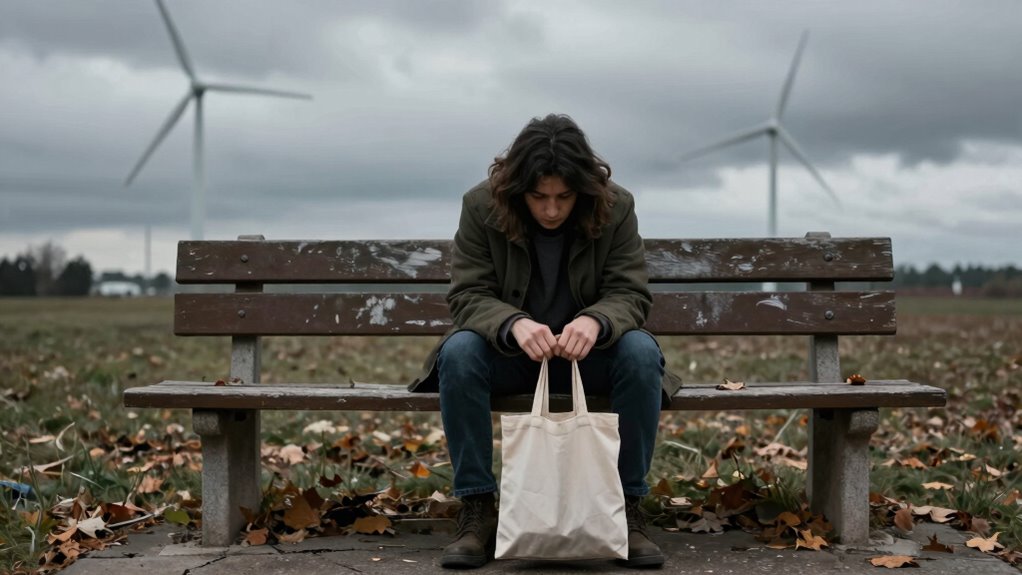
Eco-anxiety is becoming increasingly common as concerns about climate change grow, but instead of letting it drain your motivation, you can channel that worry into positive action. When you feel overwhelmed by the state of the planet, it’s easy to think that your efforts won’t make a difference. However, cultivating a sense of climate hope can transform that anxious energy into meaningful change. Instead of succumbing to despair, focus on building green habits—small, consistent actions that contribute to a healthier environment. These habits can reinforce your sense of agency and remind you that progress is possible, even if it’s gradual.
Your daily routine offers countless opportunities to foster green habits that reinforce your motivation. Whether it’s reducing plastic waste, conserving energy, or choosing sustainable transportation, each action adds up. When you see your efforts making a tangible difference, your motivation naturally increases. Climate hope isn’t about ignoring the severity of the crisis; it’s about believing that positive change can happen and that your actions matter. This mindset fuels your resilience and keeps you committed, even on days when eco-anxiety feels overwhelming. Recognizing the importance of evidence-based insights and research can help you stay informed and inspired to take meaningful steps toward sustainability. Being aware of how eco-anxiety impacts mental health can further empower you to develop effective coping strategies.
It’s important to recognize that eco-anxiety can often lead to feelings of helplessness, which directly impacts your daily motivation. When you’re consumed by worry, you might find yourself avoiding climate-related issues altogether, thinking that it’s too late or too difficult to make a difference. To counter this, focus on what’s within your power. Small, achievable goals—like switching to reusable bags or planting a garden—can provide a sense of accomplishment that boosts your confidence and motivation. These victories create positive feedback loops that reinforce your green habits and deepen your belief in climate hope. Additionally, understanding sustainable home design can inspire creative ways to incorporate eco-friendly choices into your living space, further motivating eco-conscious behavior. Recognizing that psychological resilience plays a crucial role can help you develop strategies to maintain motivation despite setbacks.
eco-friendly reusable shopping bags
As an affiliate, we earn on qualifying purchases.
As an affiliate, we earn on qualifying purchases.
Frequently Asked Questions
Can Eco-Anxiety Lead to Positive Environmental Actions?
Yes, eco-anxiety can lead to positive environmental actions. When you feel overwhelmed by climate concerns, it may motivate you to pursue behavior change, like reducing waste or conserving energy. Eco-anxiety often sparks environmental activism, inspiring you to participate in community efforts or advocate for policy changes. While it can be challenging, channeling these feelings into proactive steps helps you make a tangible difference for the planet.
How Do Different Age Groups Experience Eco-Anxiety?
You’ll find that eco-anxiety varies across generations—about 70% of young adults feel overwhelmed by climate concerns, compared to 50% of older adults. Younger generations often experience intense emotional responses like fear and frustration, while older groups may feel worry or helplessness. These generational differences shape how each age group processes eco-anxiety, influencing their motivation to act or stay disengaged from environmental issues.
What Coping Strategies Help Manage Eco-Anxiety?
To manage eco-anxiety, you can practice mindful strategies like meditation or deep breathing to stay present and reduce overwhelm. Engaging with community support helps you share feelings and gain encouragement, reminding you you’re not alone. Limit exposure to distressing news, focus on actionable steps, and celebrate small wins. These coping strategies empower you to regain motivation, turning anxiety into positive action for both yourself and the planet.
Is Eco-Anxiety More Common in Certain Regions?
Eco-anxiety is more common in regions experiencing severe climate impacts or environmental crises, highlighting regional disparities. Cultural influences also shape how people perceive and respond to eco-anxiety; some societies prioritize environmental activism, increasing awareness, while others may downplay concerns. You might notice higher anxiety levels in areas with visible climate effects or active environmental movements, emphasizing how local circumstances and cultural attitudes influence eco-anxiety’s prevalence and intensity across different regions.
How Does Eco-Anxiety Affect Mental Health Long-Term?
You might find that eco-anxiety leads to climate depression over time, impacting your long-term mental health. Persistent worries about the environment can wear down your emotional resilience, making it harder to cope with daily stress. If left unaddressed, these feelings may deepen, causing feelings of hopelessness. Building emotional resilience through self-care, community support, and mindfulness can help you manage eco-anxiety and protect your mental health in the long run.
sustainable home energy conservation devices
As an affiliate, we earn on qualifying purchases.
As an affiliate, we earn on qualifying purchases.
Conclusion
Feeling overwhelmed by eco-anxiety can feel like trying to hold back a tidal wave, but remember, even small waves can carve canyons over time. Your daily actions, no matter how tiny, are like drops in the ocean—powerful enough to create change. Don’t let fear drown your motivation. Instead, let it be the wind that stirs your sails, propelling you forward. Together, your efforts can turn hope into a powerful current for a better planet.
As an affiliate, we earn on qualifying purchases.
As an affiliate, we earn on qualifying purchases.
NFL season / tailgating Picks
team gear
As an affiliate, we earn on qualifying purchases.