
TL;DR

Get the little things that make your day delivered free with Prime
- Fast, free delivery on millions of items
- Prime Video, Amazon Music and more included
- Member-only deals all year
Ergonomic backpacks for students are designed to distribute weight evenly, reduce strain, and improve posture. Prioritize adjustable features, lightweight materials, and proper fit to ensure comfort and health.
Ever carried a backpack that felt like a brick on your shoulders? It’s no surprise many students end up with back pain by the end of the day. But the right ergonomic backpack can change that game entirely.
In this article, you’ll see how these backpacks are built to support healthy posture, what features make a difference, and how to pick one that actually works for your child. It’s not just about style — it’s about health and comfort, every single day.
Prioritize adjustable straps, padded support, and lightweight materials when choosing a backpack.
Keep the backpack’s weight below 10-15% of your child’s body weight to prevent back pain.
Proper fit — high on the back, just above the hips — is crucial for comfort and health.
Smart features can enhance ergonomics but should complement, not replace, good fit and weight management.
Watch for signs of discomfort; early adjustments can prevent long-term issues.
What makes an ergonomic backpack really support your child’s back?
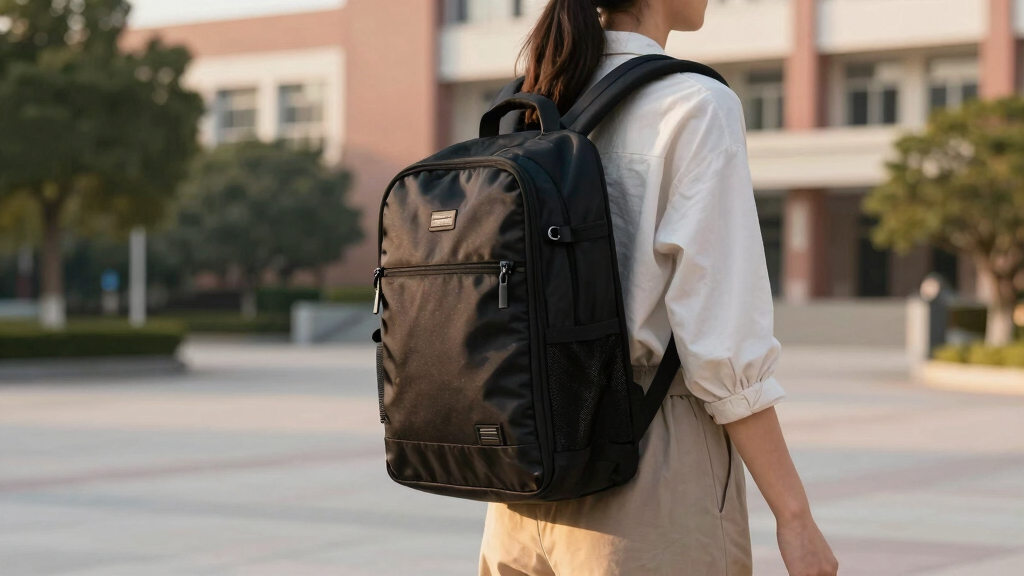
Think of an ergonomic backpack as a custom-fit tool that keeps your child’s spine in line. It features padded, adjustable straps that distribute weight evenly across the shoulders. The back panel is contoured to fit the natural curve of the spine, reducing pressure points.
For example, a student carrying 15 pounds of books benefits from a backpack with padded shoulder straps, a padded back panel, and chest straps that stabilize weight. This prevents the load from pulling on one side or slipping off.
According to ergonomic experts, the key is proper weight distribution. If the backpack is too stiff or poorly shaped, it can cause discomfort rather than prevent it. So, look for backpacks with adjustable straps, a padded lumbar area, and a design that conforms to the body’s natural shape.
Deeply understanding these features helps you recognize that the goal isn’t just comfort but also to prevent musculoskeletal strain. A poorly designed backpack might seem convenient but can cause uneven pressure on the spine, leading to long-term issues like scoliosis or chronic back pain. The right design takes into account the body’s biomechanics, ensuring that the load is supported evenly, reducing fatigue and the risk of injury.
As an affiliate, we earn on qualifying purchases.
How to pick the perfect fit for your student — 3 simple steps
- Measure your child’s torso length — from the top of their shoulder to the top of their hips. This helps determine the right backpack size.
- Choose a backpack with adjustable straps that can be fine-tuned to snugly fit their body. Ensure the straps are padded and wide for comfort.
- Check that the backpack’s bottom sits between their waist and hips, not below or above. It should sit high on the back, not sag.
Imagine a 12-year-old girl with a torso length of 14 inches. Her ideal backpack should have adjustable straps to keep the pack high on her back, with the bottom sitting just above her hips. This positioning minimizes strain and keeps her posture healthy during long school days.
Proper fit isn’t just comfort — it’s health. A backpack that hangs too low pulls on the shoulders, leading to neck and back pain over time. Conversely, a pack that rides too high can restrict movement and cause discomfort. Achieving the correct fit ensures even weight distribution, reduces strain on the neck and shoulders, and promotes proper spinal alignment, which is vital for growing children. The tradeoff is that a poorly fitted pack might seem convenient initially but can cause discomfort and long-term health issues, emphasizing the importance of precise measurement and adjustment.
adjustable padded backpack for teens
As an affiliate, we earn on qualifying purchases.
As an affiliate, we earn on qualifying purchases.
Compare top features of ergonomic backpacks — what really matters
| Feature | Why it matters | Best options |
|---|---|---|
| Weight of the backpack | Lightweight materials lessen the load students carry daily, reducing strain on developing spines and muscles. Heavier backpacks can cause fatigue and poor posture over time, especially if carried daily. | Ripstop nylon, recycled polyester |
| Adjustability | Custom fit for different body sizes and growth spurts is crucial because children’s bodies change rapidly. Proper adjustability allows the backpack to grow with them, maintaining ergonomic support and preventing slouching or uneven weight distribution. | Multiple adjustable straps, sternum straps |
| Padding and support | Reduces pressure points and increases comfort, which encourages proper posture. Well-padded straps and back panels distribute weight more evenly, preventing localized stress on shoulders and back muscles, which can lead to soreness or injury. | Memory foam shoulder straps, padded back panels |
| Compartments and organization | Helps distribute weight evenly and keeps items accessible, which minimizes the need for children to overstuff or carry unnecessary weight. Multiple compartments also prevent items from shifting, maintaining balance and stability during movement. | Multiple zippered sections, side pockets |
| Sustainability features | Eco-friendly materials support health of the planet and users, reducing exposure to potentially harmful chemicals. They often also offer durability, which extends the lifespan of the backpack, reducing waste and repeated purchases. | Sustainable fabrics, biodegradable zippers |
For example, a student might prefer a backpack with a built-in USB port for charging their device, but the core ergonomic features like proper weight distribution and adjustability should always come first. The key is understanding that while tech features add convenience, they should not compromise the fundamental ergonomic principles necessary for healthy carrying habits. Prioritizing these core features ensures your child’s backpack supports their health as they grow and move through their school years.
lightweight ergonomic school backpack
As an affiliate, we earn on qualifying purchases.
As an affiliate, we earn on qualifying purchases.
Smart backpacks: tech innovations that boost comfort and safety
Smart backpacks are changing the game. They incorporate features like built-in USB charging ports, GPS trackers, and even sensors that monitor weight or posture. Imagine a backpack that not only carries your books but also nudges you to straighten up when you slouch.
For instance, some models now include a sensor that alerts your child if they’re carrying more than the recommended 10-15% of their body weight. Others have solar panels to charge devices on the go, perfect for busy students on the move.
While these innovations are exciting, they’re most effective when combined with good ergonomic design. The tech adds an extra layer of support and safety but doesn’t replace the basics of proper fit and weight management. Relying solely on tech can give a false sense of security, leading to neglect of fundamental ergonomic principles. The tradeoff is that tech features often come with higher costs and added weight, which can counteract their benefits if not chosen carefully. Therefore, selecting high-tech backpacks requires balancing advanced features with core ergonomic support for optimal health benefits.
back support backpack for students
As an affiliate, we earn on qualifying purchases.
As an affiliate, we earn on qualifying purchases.
Sustainable and durable: eco-friendly backpacks that last
Sustainable materials are no longer just a trend — they’re a necessity. Look for backpacks made from recycled fabrics or biodegradable components. These materials often have the same durability as traditional ones but are kinder to the planet.
For example, brands are now using ripstop nylon made from recycled ocean plastics. These backpacks withstand daily wear and tear, while also reducing environmental impact. Imagine a backpack that’s tough enough for a whole school year but also helps clean the oceans.
Plus, eco-friendly backpacks tend to be lighter, which complements ergonomic design. Every ounce saved reduces the total weight your child carries, making a real difference in daily comfort. However, it’s essential to balance sustainability with durability — some eco-friendly materials may sacrifice longevity if not properly manufactured. The tradeoff can be cost or weight, so it’s important to choose brands that prioritize both eco-friendliness and durability, ensuring your child’s backpack remains supportive throughout the year.
Signs your child’s backpack is causing discomfort — and what to do about it
Feeling constant shoulder or neck pain? The backpack might be the culprit. Signs include straps digging into the shoulders, the pack sagging below the hips, or your child leaning forward to compensate.
If discomfort persists after adjusting the straps or switching bags, it’s time to reassess. A poorly fitting backpack can lead to long-term posture issues and back pain. Ignoring early signs can result in chronic musculoskeletal problems, which may require medical intervention later on. Addressing discomfort promptly helps prevent these issues from becoming persistent or worsening.
Encourage your child to carry only what’s necessary, and choose a backpack with padded straps and proper weight distribution. Regularly check that the pack fits well and isn’t overloaded. Ensuring the backpack fits correctly and isn’t overloaded reduces strain on the spine and muscles, fostering healthy posture habits. Remember, early intervention and proper adjustment are key to maintaining your child’s musculoskeletal health over time.
Remember, discomfort is a warning. Address it early before it turns into a bigger health problem.
Frequently Asked Questions
How do I know if a backpack is the right size for my child?
Have your child stand upright, and measure from the top of their shoulders to their hips. The backpack should sit high on the back, with the bottom sitting between the waist and hips. Adjust straps so the pack feels snug but comfortable.
What features should I look for in an ergonomic backpack?
Focus on adjustable padded straps, a padded back panel, a waist or chest strap, lightweight durable materials, and multiple compartments for even weight distribution. These features support good posture and comfort.
Are ergonomic backpacks really worth the extra cost?
Yes. They reduce strain, improve posture, and can prevent back pain in the long run. Investing in a good ergonomic backpack supports your child’s health daily, making it a smart choice over cheaper, less supportive options.
Can a high-tech backpack truly improve ergonomics?
High-tech backpacks can add features like posture sensors and weight monitors, which help reinforce healthy habits. But they work best when paired with proper fit and load management; tech alone won’t solve ergonomic issues.
How often should I replace my child’s backpack?
Inspect the backpack regularly — at least once a year or after noticeable wear. If straps fray, zippers break, or it no longer fits properly, it’s time for a new one. Regular updates ensure ongoing support and comfort.
Conclusion
Choosing an ergonomic backpack isn’t just about style — it’s about protecting your child’s health. A well-fitting, supportive pack can make all the difference during those long school days.
Remember, the best backpack is one that molds to your child’s body, not the other way around. Invest in their comfort now, and you’re helping prevent back pain tomorrow.
Fall Picks
fall essentials
As an affiliate, we earn on qualifying purchases.