TL;DR
Ergonomic backpacks for students are designed to evenly distribute weight, reduce strain, and improve posture. Modern features like adjustable straps, lumbar support, and lightweight materials make a big difference in comfort and health.
Ever notice how heavy your child’s backpack feels after a day at school? That weight isn’t just uncomfortable — it can actually cause real health issues over time. An ergonomic backpack isn’t just a trend; it’s a tool to protect your child’s back and posture. Today, you’ll learn what makes these backpacks different, what features truly matter, and how recent innovations are changing the game.
If you want your kid to carry a bag that supports their growing body, understanding the key aspects and latest developments can save them from future pain. Ready to find a backpack that’s as smart as your student?
Choose backpacks with adjustable straps, padded back panels, and lumbar support for a better fit.
Keep weight within 10-15% of your child’s body weight to prevent health issues.
Modern backpacks feature smart tech, eco-friendly fabrics, and enhanced airflow, boosting comfort and sustainability.
Teach kids to pack smart—lighter loads, organized compartments, and correct strap adjustments matter.
Prioritize quality features over brand to ensure proper support and durability.
How to Pick a Backpack That Won’t Hurt Their Back
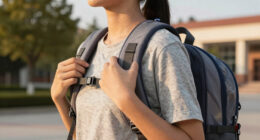
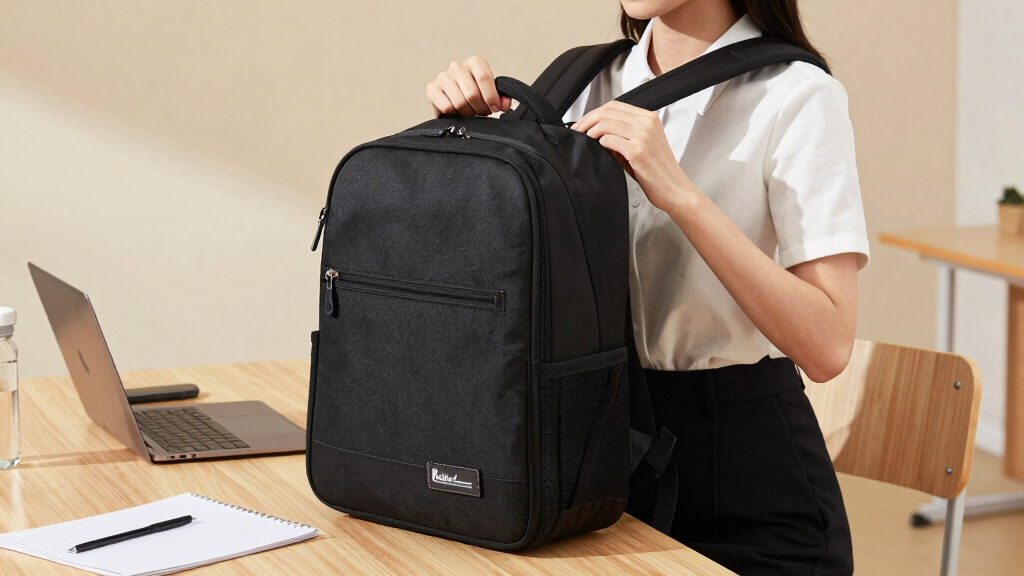
Choosing an ergonomic backpack starts with understanding how it fits and supports your child’s body. Look for models with adjustable straps and padded shoulder straps. These features let you customize the fit, reducing pressure on shoulders and neck. Think of it like tailoring a suit — the right fit makes all the difference.
For example, a backpack that sits comfortably just above the hips and allows your child to move freely will prevent unnecessary strain. Contoured back panels that mold to the back’s natural curve also make a big difference. They act like a gentle hug, supporting the spine while still allowing airflow to keep things cool.
Here’s a quick checklist:
- Adjustable straps for a personalized fit
- Padded shoulder straps to reduce pressure points
- Contoured, padded back panels for comfort and support
- Proper size matching your child’s height and weight
Choosing the right fit means your child’s backpack will distribute weight more evenly, lessen the likelihood of postural issues, and reduce discomfort during long school days. The tradeoff, however, is that overly padded or stiff materials can sometimes restrict movement or add unnecessary bulk, so balance comfort with flexibility.
ergonomic student backpack with lumbar support
As an affiliate, we earn on qualifying purchases.
As an affiliate, we earn on qualifying purchases.
The Top Features That Make a Backpack Truly Ergonomic
What features should you look for beyond just fit? Ergonomic backpacks excel in weight distribution, ease of organization, and safety. They include:
- Multiple compartments: Keeps weight balanced and distributes load evenly. This prevents uneven stress on one side of the body, which can cause asymmetrical posture issues over time. Proper compartmentalization also helps your child organize essentials, reducing the need to dig through the bag and shift weight awkwardly.
- Lightweight materials: Reduces the overall weight of the bag itself, so your kid isn’t hauling extra bulk. However, lightweight materials sometimes compromise durability, so it’s essential to find a balance between lightness and sturdiness to ensure longevity without unnecessary weight.
- Chest and waist straps: Stabilize the load and prevent the bag from shifting during movement. Properly secured straps help maintain proper posture by keeping the backpack close to the body, reducing the tendency to lean or slouch. The tradeoff is that poorly adjusted straps can cause discomfort or restrict movement if not fitted properly.
- Reflective elements: Boost visibility during early mornings or late afternoons, enhancing safety — an often overlooked ergonomic and safety feature combined. While primarily for safety, they also contribute to a sense of security, encouraging children to carry backpacks confidently.
- Laptop compartments with padding: Protect electronics without adding bulk. Padded compartments absorb shocks and prevent damage, but if placed improperly or too bulky, they can shift weight distribution and cause discomfort. The key is well-designed padding that protects without compromising balance.
For instance, a student carrying a 15-pound backpack that’s well-organized with balanced compartments and secure straps can maintain better posture and reduce fatigue. These features work together to turn a simple bag into a health-supporting tool that minimizes long-term musculoskeletal risks. It’s important to weigh the benefits of each feature against potential tradeoffs like added weight or decreased flexibility, ensuring you choose a backpack that supports health without sacrificing comfort or practicality.
adjustable straps ergonomic backpack for teens
As an affiliate, we earn on qualifying purchases.
As an affiliate, we earn on qualifying purchases.
Why Recent Backpack Innovations Make a Difference
Backpacks are evolving fast. Recent innovations blend technology, sustainability, and smarter ergonomics. For example, smart backpacks now include USB charging ports and anti-theft locks, offering convenience and security. These features address modern needs, making daily commutes more seamless and less stressful for students.
Eco-friendly materials, like recycled fabrics, are now common. They protect the planet while giving your child a sturdy, lightweight bag. This sustainability aspect isn’t just good for the environment; it often means a lighter, more durable product that supports healthier carrying habits. Plus, advanced back panel designs with better airflow and lumbar support help keep your kid cool and comfortable throughout the day, reducing sweating and discomfort that can lead to postural adjustments and fatigue.
Modular compartments and lightweight materials further reduce weight, making daily carrying easier. According to recent studies, these innovations have increased the popularity of ergonomic backpacks by over 30% in the past three years, indicating a significant shift toward healthier, smarter choices that prioritize both comfort and sustainability. These innovations are not just about adding features—they represent a deeper understanding of how design impacts health and daily usability, encouraging more parents and students to opt for ergonomic solutions that truly support long-term well-being.
lightweight ergonomic school backpack
As an affiliate, we earn on qualifying purchases.
As an affiliate, we earn on qualifying purchases.
How to Keep Your Backpack Light and Healthy
Even the best ergonomic backpack won’t help if it’s overloaded. Here’s how to keep it within healthy weight limits:
- Teach your child to pack only essentials. Leave behind unnecessary books or supplies. Excess weight not only strains muscles but can also shift the center of gravity, increasing the risk of poor posture and discomfort. Overloading can also cause the backpack to become unwieldy or tear prematurely, reducing its lifespan.
- Choose a lightweight backpack frame and materials. Heavier frames defeat the purpose of ergonomic design, adding unnecessary weight that amplifies strain. But be cautious—ultralight materials sometimes compromise durability, so selecting high-quality, lightweight fabrics ensures longevity without sacrificing health benefits.
- Encourage packing heavier items close to the back and higher up. This placement ensures better weight distribution and reduces the tendency to lean forward or slouch. Improper packing can negate ergonomic benefits, leading to uneven load and postural stress.
- Regularly check the weight, aiming to keep it below 10-15% of your child’s body weight. This threshold is critical because exceeding it can lead to musculoskeletal issues like back pain, shoulder strain, and poor posture development over time. Ignoring this guideline often results in cumulative strain, which can cause long-term health problems.
- Adjust straps each morning for a snug fit, avoiding slouching or uneven weight distribution. Proper adjustment ensures the backpack sits correctly, preventing uneven load and postural compensation that can cause pain. Failing to adjust straps properly can lead to discomfort and postural issues, especially during long school days.
For example, a sixth-grader weighing 80 pounds should carry no more than 12 pounds. Using a lightweight bag with proper organization makes this easier, preventing back pain or posture issues over time. Developing these habits not only prevents immediate discomfort but also fosters lifelong awareness of healthy carrying practices, reducing the risk of chronic musculoskeletal problems later in life.
back support backpack for students
As an affiliate, we earn on qualifying purchases.
As an affiliate, we earn on qualifying purchases.
Real-World Examples of Kids Benefiting from Ergonomic Backpacks
Meet Lily, a 12-year-old who struggled with backaches at the end of her school day. Her parents switched her to a backpack with adjustable straps, lumbar support, and multiple compartments. Within weeks, her posture improved, and she no longer complained about pain. This change not only alleviated her discomfort but also encouraged healthier habits that can prevent long-term issues.
Or take Alex, who uses a smart backpack with built-in USB ports. He charges his tablet on the go, avoiding cumbersome cords and extra bags. Both kids show how the right backpack can transform daily school life by making it more comfortable, organized, and health-conscious.
These real examples demonstrate that ergonomic features aren’t just fancy add-ons—they directly impact daily comfort, posture, and overall health. Making informed choices can lead to tangible improvements in students’ well-being and confidence.
Frequently Asked Questions
How do I know if a backpack fits my child’s body properly?
Look for adjustable straps and a snug fit that sits just above the hips. The backpack shouldn’t hang low or be too tight. Have your child try it on, and ensure they can move comfortably without feeling strain or slouching.
Are ergonomic backpacks worth the extra cost?
Yes, because they help prevent back pain, improve posture, and last longer due to better support and materials. Investing in a good ergonomic backpack can save your child from future health issues and discomfort.
How often should my child replace their backpack?
Every 1-2 years or when it shows signs of wear. Regularly check for frayed straps, broken zippers, or loss of support features. A fresh, supportive backpack keeps the benefits consistent.
Can ergonomic backpacks carry laptops and heavy books?
Absolutely, as long as they have padded compartments and proper weight distribution. Remember, always pack only what’s necessary to avoid overloading.
Are there specific brands known for ergonomic design?
Brands like SwissGear, Ergobag, and High Sierra focus on ergonomic features. But the best choice depends on fit, comfort, and your child’s needs, not just brand name.
Conclusion
Picking the right ergonomic backpack isn’t just about style — it’s a step toward protecting your child’s health. Focus on fit, features, and smart design choices. A well-chosen backpack supports their growth and keeps them comfortable day after day.
Imagine a backpack that feels like a gentle hug, evenly distributing weight and breathing with your child’s movements. That’s what the right ergonomic design offers — peace of mind and a healthier future. So, when shopping, think support first, and your child’s back will thank you for it.