

To eat with impact, embrace sustainable choices like local, seasonal, and plant-based foods. Support innovations in eco-friendly packaging and regenerative farming practices to reduce waste and rebuild ecosystems. Buying transparent, ethically sourced ingredients and reducing food waste play key roles. As consumer demand grows, the market is shifting toward responsible eating. To discover how these trends can shape your future meals and influence global change, explore more insights below.
Key Takeaways
- Embracing local, seasonal, and plant-based foods reduces environmental impact and aligns with sustainable food culture.
- Innovative packaging and circular economy practices minimize waste and support eco-friendly consumption habits.
- Consumer willingness to pay more for ethical products drives industry shifts toward responsible sourcing and transparency.
- Regenerative agriculture improves soil health, sequesters carbon, and promotes sustainable food systems.
- Technology like AI and food waste reduction strategies enhance safety, nutrition, and environmental sustainability in diets.
![[100% Eco-Friendly] 34 oz Disposable Food Containers with Lids – Sugarcane Pulp Take Out Containers, Biodegradable Lunch Box, Compostable and Microwave Safe To-Go Boxes for Meal Prep – Pack of 50](https://m.media-amazon.com/images/I/41+puIBBAoL._SL500_.jpg)
[100% Eco-Friendly] 34 oz Disposable Food Containers with Lids – Sugarcane Pulp Take Out Containers, Biodegradable Lunch Box, Compostable and Microwave Safe To-Go Boxes for Meal Prep – Pack of 50
Eco-Friendly & Biodegradable Crafted from sugarcane pulp, our eco-friendly food containers are 100% compostable and plastic-free. These biodegradable…
As an affiliate, we earn on qualifying purchases.
As an affiliate, we earn on qualifying purchases.
Embracing Sustainable Food Choices in Modern Culture

Have you ever wondered how modern culture is shaping the way we eat sustainably? Today, more people are making conscious choices that prioritize environmental impact. You might seek out locally sourced ingredients to reduce your carbon footprint, knowing it supports fresher, seasonal produce. Zero-waste practices are becoming common, encouraging you to repurpose food scraps and minimize waste. Transparency in sourcing is also key, so you can trust where your food comes from and how it’s produced. As awareness grows, you’re likely to choose brands that emphasize sustainable packaging—biodegradable or reusable options—further supporting circular economies. Additionally, understanding the cost of home security systems can help you better allocate your budget towards ethical food choices. This cultural shift is about aligning your eating habits with values that protect the planet while enjoying delicious, ethically sourced food every day.

Orgain Organic Vegan Protein Powder, Vanilla Bean – 21g Plant Protein, 6g Prebiotic Fiber, No Lactose Ingredients, No Added Sugar, Non-GMO, For Shakes & Smoothies, 2.03 lb (Packaging May Vary)
CLEANER INGREDIENTS: 21g of Organic plant based protein and 1g sugar. Our protein blend contains Organic peas, brown…
As an affiliate, we earn on qualifying purchases.
As an affiliate, we earn on qualifying purchases.
The Rise of Plant-Based and Alternative Proteins

You’re increasingly aware that plant-based and alternative proteins offer significant environmental benefits by reducing greenhouse gas emissions and conserving resources. Innovations like seaweed-derived and fungi-based meats are expanding options, making these choices more appealing and diverse. As consumer acceptance grows, these alternatives are reshaping the future of sustainable eating. Using sizing and load-planning tools, consumers can better understand how to incorporate these proteins into their diets without overburdening their resources.
Environmental Benefits of Plants
As awareness of environmental issues grows, plant-based and alternative proteins have become key solutions for reducing the ecological footprint of our food system. These foods require markedly less land, water, and energy compared to traditional animal agriculture. They produce fewer greenhouse gases, helping slow climate change. By choosing plant-based proteins, you lower deforestation risks and conserve biodiversity, since less natural habitat is needed. These options also diminish water pollution and reduce methane emissions from livestock. As you shift toward plant-based diets, you contribute directly to a more sustainable future. The rise of innovative ingredients like fungi, seaweed, and cultivated meats further enhances these benefits. Overall, embracing plant-based and alternative proteins is a practical way to eat responsibly and lessen environmental harm.
Innovations in Protein Sources
Recent innovations in protein sources are transforming the food industry by expanding the options beyond traditional animal products. You now have access to plant-based meats made from ingredients like peas, soy, and mushrooms, which mimic the texture and flavor of real meat. Companies are also developing alternative proteins from fungi, seaweed, and lab-grown meat, offering sustainable options that require fewer resources and produce fewer greenhouse gases. These innovations help you reduce your environmental footprint while enjoying familiar flavors and dishes. As technology advances, the variety and quality of plant-based and alternative proteins continue to improve, making them more appealing and accessible. Embracing these options allows you to support sustainability efforts without sacrificing taste or nutrition. Incorporating natural materials such as wood and linen in packaging and production processes further enhances the eco-friendly nature of these innovations.
Consumer Acceptance Trends
Are consumers truly embracing plant-based and alternative proteins, or is resistance still holding back widespread adoption? Many are open to these options, especially as environmental concerns grow and healthier lifestyles become priorities. Surveys show that about 72% of consumers are willing to pay more for sustainable products, indicating strong market potential. Younger generations, in particular, are leading the shift, seeking foods that align with their values. However, some still hesitate due to taste, texture, and perceived naturalness. While plant-based meats and dairy alternatives gain popularity, mainstream acceptance depends on improving sensory qualities and affordability. Overall, consumer acceptance is increasing, but overcoming lingering skepticism remains key to achieving broader adoption of these sustainable protein sources.
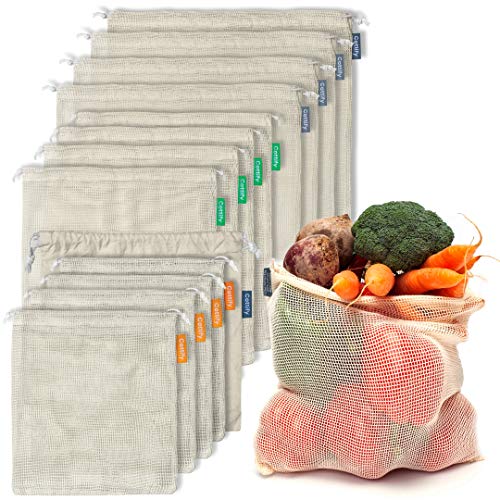
12+1 Reusable Produce Bags Grocery Washable, Organic Cotton Mesh Produce Bags, Double-Stitched & Tare Weigh, Mesh bags for vegetables, Cotton Produce Bags Reusable Washable, Produce bag 4xS, 4xM, 4xL
🍏 LIGHTWEIGHT AND STRONG: The weight of these reusable vegetable bags for refrigerator is among the lowest on…
As an affiliate, we earn on qualifying purchases.
As an affiliate, we earn on qualifying purchases.
Innovations in Food Packaging and Circularity
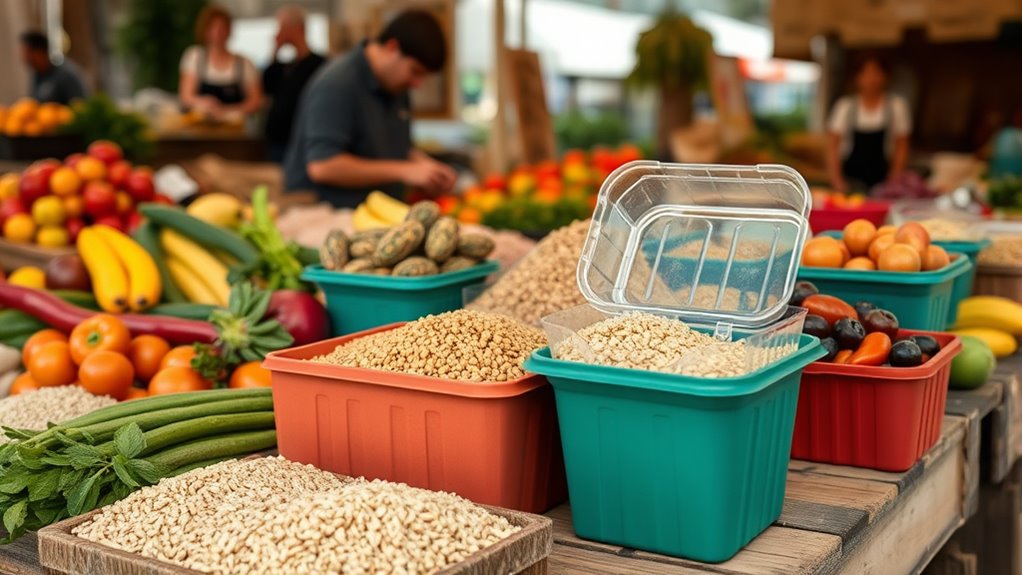
You can decrease your environmental impact by choosing biodegradable packaging that disintegrates naturally. Reusable containers are gaining popularity, helping cut down on single-use waste. Embracing circular economy strategies ensures materials are reused and recycled, keeping resources in use longer. Additionally, adopting dynamic communication exercises within communities can foster greater awareness and collaboration for sustainable practices.
Biodegradable Packaging Materials
Biodegradable packaging materials are transforming the food industry’s approach to sustainability by offering eco-friendly alternatives that break down naturally without harming the environment. These materials, made from plant-based fibers, starches, and bioplastics, reduce reliance on traditional plastics that persist in landfills and oceans. By choosing biodegradable options, you help lessen pollution and support circular economies, where packaging returns to the earth safely. Innovations like compostable trays, wraps, and containers are gaining popularity among food producers and consumers alike. They promote responsible disposal and waste reduction, aligning with zero-waste goals. As you buy food packaged in biodegradable materials, you contribute to reducing your ecological footprint and fostering a more sustainable food system, one that values environmental health and resource conservation. Additionally, understanding how contrast ratio affects image quality can be crucial when selecting visual displays for sustainable awareness campaigns.
Reusable Container Initiatives
How can reusable container initiatives transform the future of food packaging and promote circularity? By replacing single-use plastics, you reduce waste and extend the lifespan of packaging materials. These initiatives encourage you to return, refill, or exchange containers, creating a closed-loop system that minimizes landfill contributions. You’ll find reusable options at grocery stores, cafes, and meal delivery services, making sustainable choices convenient. This shift not only cuts down on resource consumption but also raises awareness of your environmental impact. When you choose reusable containers, you support businesses committed to circular economy principles, reducing reliance on virgin materials. Embracing these initiatives helps establish a culture of reuse, fostering innovation in packaging design and promoting long-term sustainability. Incorporating environmentally friendly materials into packaging can further enhance the positive impact of these efforts.
Circular Economy Strategies
Innovations in food packaging are driving the shift toward a circular economy by designing materials that can be reused, recycled, or composted repeatedly. You’ll find biodegradable plastics, plant-based packaging, and compostable films replacing traditional single-use options. Reusable containers and refill stations reduce waste and encourage consumers to minimize their environmental footprint. Companies are developing closed-loop systems where packaging is collected, cleaned, and reused, creating a sustainable cycle. Innovations also include packaging made from recycled content, which lessens reliance on virgin resources. Incorporating sustainable materials into packaging further enhances environmental benefits. By supporting these advancements, you help close the loop in food systems, reducing waste and pollution. Circularity in packaging not only benefits the environment but also aligns with responsible consumption, making your choices more sustainable and impactful.

Honeycomb Packing Paper,12 inch x 200 ft Bubble Cushioning Wrap for Packing Moving,Products Gifts Wrapping Paper,Recyclable and Biodegradable Shipping Packing Materials with 20 Fragile Sticker Labels
Environmental Friendly Packing Shipping Supplies :Eco friendly 100% biodegradable kraft paper, green alternative to plastic packaging materials .After…
As an affiliate, we earn on qualifying purchases.
As an affiliate, we earn on qualifying purchases.
The Role of Regenerative Agriculture in Shaping Food Systems
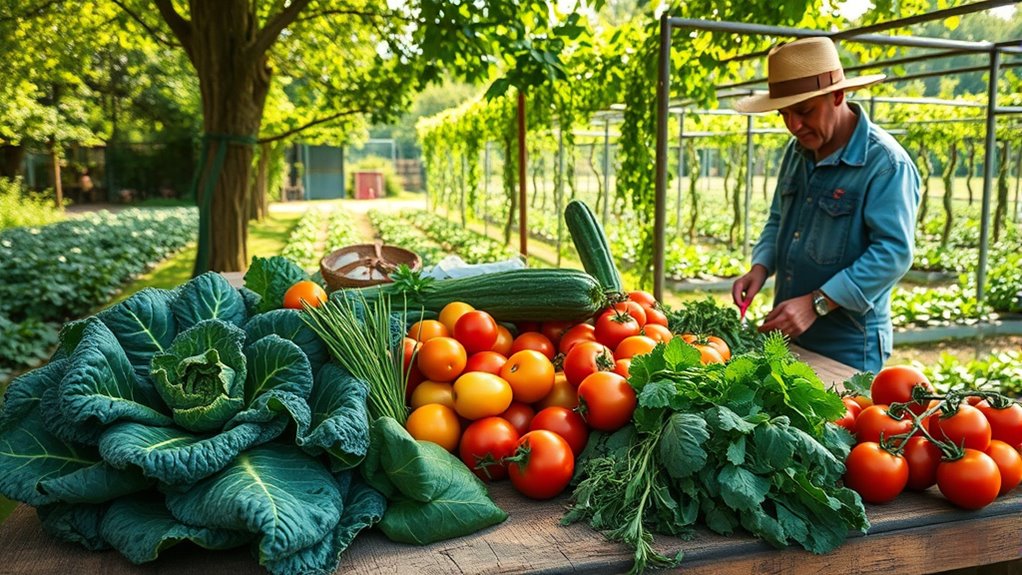
Regenerative agriculture plays a pivotal role in transforming food systems by actively restoring soil health, increasing biodiversity, and capturing carbon. When you support farms that use practices like cover cropping, crop rotation, and no-till farming, you help rebuild nutrient-rich soils that sustain healthy crops naturally. These methods reduce the need for chemical inputs, lower greenhouse gas emissions, and promote diverse ecosystems. By choosing products from regenerative farms, you contribute to carbon sequestration, mitigating climate change. This approach also enhances resilience against droughts and pests, ensuring consistent food supply. As a consumer, your demand for regeneratively farmed products encourages more farmers to adopt sustainable practices, shaping a food system that’s healthier, more resilient, and better for the planet.
Tackling Food Waste: From Policy to Plate
Building on the importance of sustainable farming practices, addressing food waste becomes a vital step toward creating a more efficient food system. You can start by supporting policies that reduce waste at every stage—farm, retailer, and consumer. Legislation like food rescue programs and landfill bans help redirect surplus food to those in need, cutting down waste. At home, plan meals carefully, store food properly, and embrace zero-waste cooking to minimize leftovers. Educational campaigns raise awareness and change habits around consumption and disposal. Restaurants and grocery stores can adopt practices like portion control and donation programs. Additionally, implementing effective water filtration systems can help ensure that the water used in food preparation and cleaning is clean and safe, supporting overall sustainability. By actively participating in these efforts, you contribute to lowering food waste, reducing environmental impact, and making our food system more sustainable from policy to plate.
Technology’s Influence on Personalized and Safe Nutrition

Have you ever wondered how technology is transforming the way you approach personalized and safe nutrition? Advances like AI and biometrics now analyze your genetic makeup, health data, and lifestyle to create tailored diet plans. This integration of wearable devices enables more precise and real-time adjustments to your nutritional needs. This means you get nutrition recommendations that optimize your well-being while minimizing waste and environmental impact. Food safety improves through real-time monitoring with sensors and blockchain, ensuring transparency and reducing contamination risks. Innovations like gene-editing and fermentation produce sustainable ingredients, while 3D food printing allows for customized, efficient meal production. Machine learning helps track carbon footprints and supply chains, making sustainable choices easier. By harnessing these technologies, you can eat smarter, safer, and more responsibly, aligning your health goals with broader sustainability efforts.
Transparency and Traceability in Food Sourcing
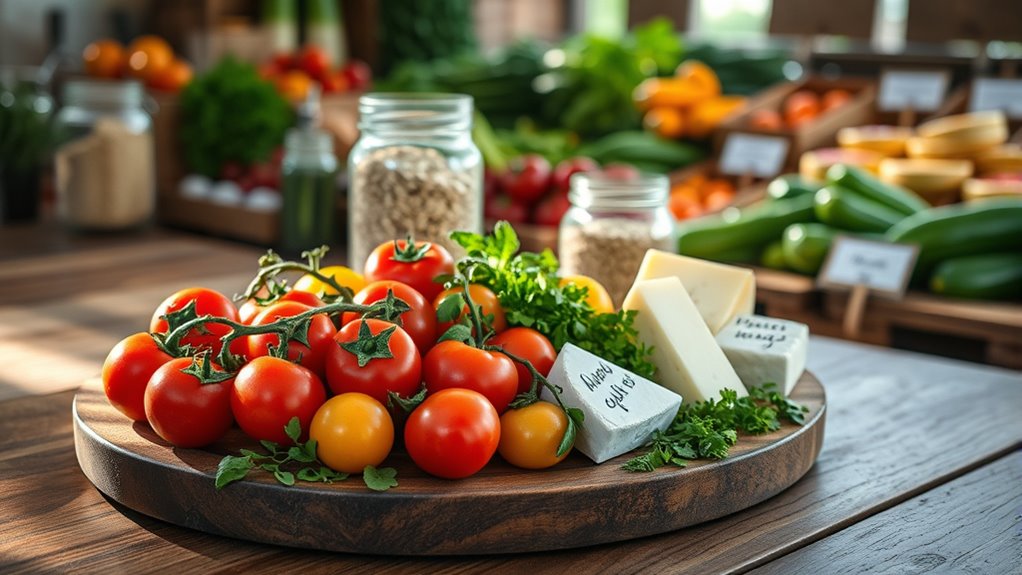
Ever wonder how you can be sure your food is ethically and sustainably sourced? Transparency and traceability give you that confidence. When producers share detailed information about where and how your food is made, you can verify its origins and sustainability practices. Look for labels or digital tools that show a product’s journey from farm to fork. This transparency helps prevent fraud, supports ethical farming, and encourages responsible sourcing. It also allows you to make informed decisions aligned with your values. By choosing foods with clear traceability, you’re promoting better environmental practices and supporting farms committed to sustainability. Ultimately, transparency empowers you as a consumer, ensuring your choices contribute to a more ethical, sustainable food system. Incorporating personal development techniques like mindfulness and goal setting can further enhance your ability to make conscious food choices aligned with your values.
Consumer Attitudes and Market Trends Toward Sustainability
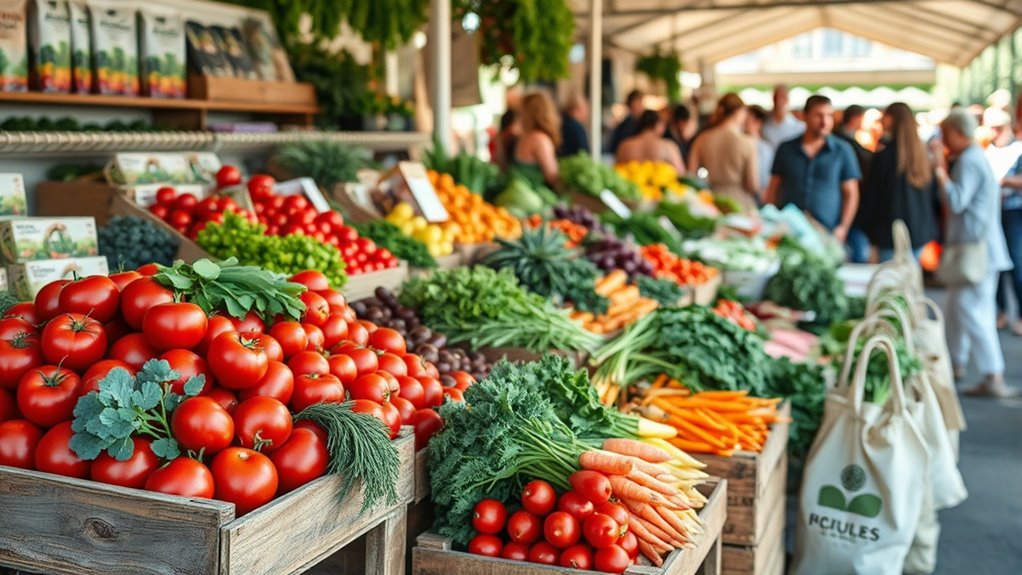
Consumers are increasingly shaping the food market by prioritizing sustainability in their purchasing decisions. You can see this shift in several ways:
- A growing number of people are willing to pay more for eco-friendly products.
- Many actively seek out foods with transparent sourcing and sustainable labels.
- Reducing food waste is becoming a household priority, with efforts to compost and donate excess food.
- There’s rising demand for plant-based and alternative proteins as eco-conscious choices.
This trend shows that consumers value environmental impact, health, and ethical production. Your choices influence brands to adopt sustainable practices. Market trends reflect this, with companies innovating in packaging, sourcing, and product development to meet these expectations. Your awareness drives change across the food industry.
Building a Future of Responsible Eating and Cultural Shift
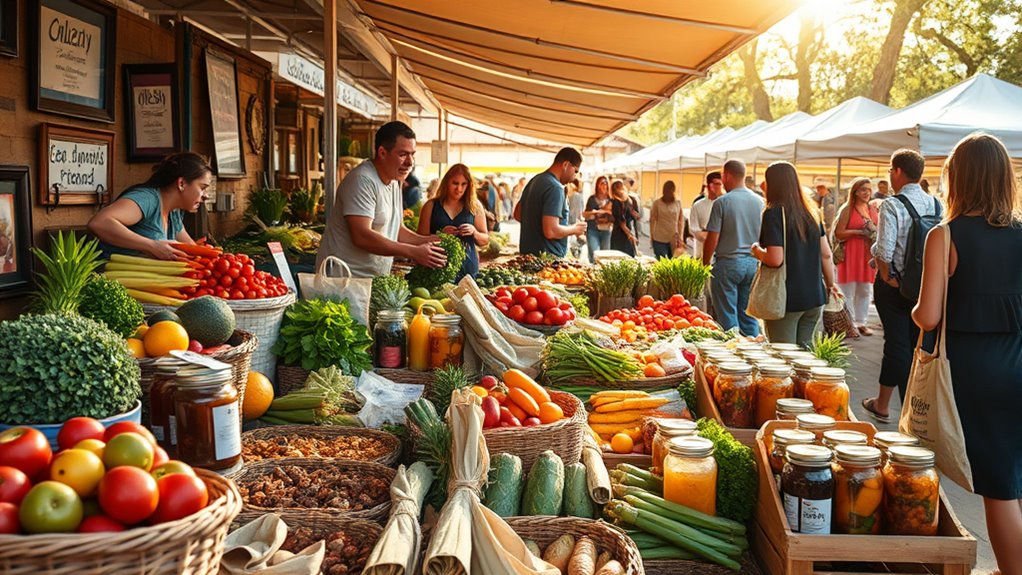
Building a future of responsible eating requires a cultural shift that prioritizes sustainability, ethical sourcing, and environmental consciousness at every level. You can contribute by choosing local and seasonal foods, supporting regenerative agriculture, and reducing waste through mindful shopping and composting. Embrace plant-based options and innovative proteins to lower your carbon footprint. Advocate for transparency in food sourcing, demanding brands and restaurants share their practices. Education plays a crucial role—stay informed and spread awareness about sustainable practices. Encourage policies that promote responsible farming and waste reduction. Your daily choices influence industry standards and cultural norms, helping to normalize sustainable eating habits. Together, these efforts can create a societal shift toward more ethical, eco-friendly food systems. Responsible eating becomes not just an individual act but a collective movement shaping the future.
Frequently Asked Questions
How Can Consumers Verify the Sustainability Claims of Food Brands?
You can verify sustainability claims by checking for credible certifications like USDA Organic, Fair Trade, or Rainforest Alliance, which guarantee standards are met. Look for transparent sourcing information on labels or company websites, and research their sustainability initiatives. Additionally, consult third-party reviews, sustainability reports, or watchdog organizations to confirm the brand’s claims. Staying informed helps you make responsible choices aligned with your values and supports genuinely sustainable practices.
What Are the Challenges of Scaling Regenerative Agriculture Practices Globally?
You’ll face challenges like varying climate conditions, soil types, and local regulations that can hinder implementing regenerative practices globally. Limited access to knowledge, technology, and funding also pose barriers, especially in developing regions. Additionally, shifting farmers need time and incentives to adopt new methods. You must navigate these complexities, promote education, and support policies that encourage widespread adoption to successfully scale regenerative agriculture worldwide.
How Does Lab-Grown Meat Compare Nutritionally to Traditional Meat?
You’ll find lab-grown meat largely matches traditional meat in nutrients, offering comparable protein, iron, and B vitamins. It’s designed to deliver similar dietary benefits while reducing environmental impact. However, some differences in fat profiles or micronutrients might exist depending on production methods. As technology advances, lab-grown meat aims to mimic natural nutrients perfectly, providing a sustainable, safe, and satisfying substitute that supports both your health and the planet’s health.
What Incentives Encourage Businesses to Adopt Zero-Waste Packaging Solutions?
You’re encouraged to adopt zero-waste packaging solutions because they can lower your environmental impact, reduce costs, and appeal to eco-conscious consumers. Governments and organizations often offer incentives like tax credits, grants, and recognition programs to support sustainable practices. Plus, adopting eco-friendly packaging can boost your brand reputation, meet regulatory requirements, and differentiate your business in a competitive market. Ultimately, these incentives align your business goals with environmental responsibility.
How Are Cultural Food Traditions Adapting to Sustainability Trends?
You see cultural food traditions adapting by embracing sustainable practices like using local ingredients to reduce carbon footprints, incorporating zero-waste cooking methods, and adopting eco-friendly packaging. You might notice communities reviving traditional preservation techniques or modern chefs blending heritage recipes with plant-based ingredients. These changes help preserve cultural identity while meeting sustainability goals, allowing you to enjoy authentic flavors responsibly and support environmentally conscious food choices that honor your heritage.
Conclusion
As you navigate today’s food landscape, remember that your choices echo through time, much like guiding a ship through uncharted waters. Embrace sustainable options, support innovative solutions, and demand transparency. Every meal becomes a stand for our planet’s future—think of it as planting seeds for tomorrow’s harvest. Together, you can forge a cultural shift toward responsible eating, ensuring that future generations inherit a world as rich and vibrant as the stories told around a campfire.