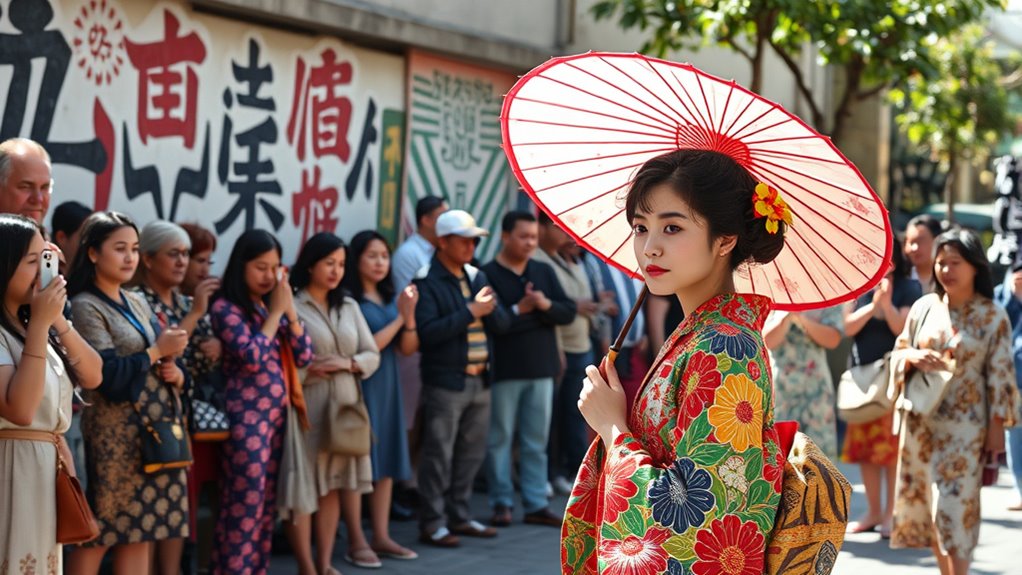

To find a respectful balance between cultural appreciation and appropriation, it’s important to understand the difference: appreciation involves learning with respect and permission, while appropriation tends to exploit or misrepresent cultures. You can honor traditions by supporting authentic voices, seeking permission, and educating yourself about their significance. Remember, respectful engagement builds trust and understanding. If you want to explore how to navigate these boundaries thoughtfully, continue exploring these core concepts and practices.
Key Takeaways
- Understand the difference between respectful appreciation, which involves consent and learning, and harmful appropriation, which exploits or misrepresents cultures.
- Engage with cultures by supporting authentic creators, seeking permission, and educating oneself about their significance.
- Be mindful of power dynamics to avoid tokenism, stereotypes, or commodification of cultural symbols.
- Participate in cultural events respectfully, honoring traditions and avoiding superficial or stereotypical portrayals.
- Amplify marginalized voices and ensure that cultural sharing benefits the community, maintaining cultural sovereignty and integrity.

The Story Inside My Lunchbox: Celebrating cultural diversity, with kindness, respect, and love.
As an affiliate, we earn on qualifying purchases.
As an affiliate, we earn on qualifying purchases.
Understanding the Core Differences Between Appreciation and Appropriation
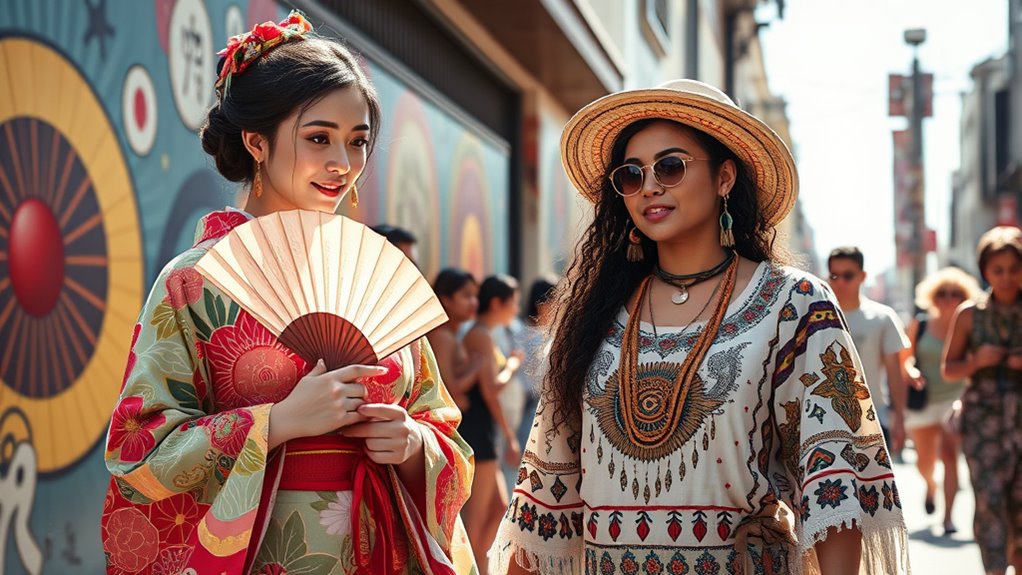
Understanding the core differences between appreciation and appropriation is essential to engaging respectfully with other cultures. Appreciation involves respectful learning, genuine interest, and obtaining permission when engaging with cultural elements. You seek to understand and honor the significance behind traditions, symbols, and practices, often collaborating with members of that culture. Appropriation, on the other hand, occurs when you take cultural elements out of context without consent, often for personal gain or aesthetic appeal. It exploits marginalized communities by commodifying their heritage without proper acknowledgment or benefit. The key difference lies in intent and respect: appreciation fosters connection and understanding, while appropriation perpetuates stereotypes and disrespect. Recognizing these distinctions helps you navigate cultural interactions thoughtfully and ethically, promoting mutual respect and cultural integrity. Additionally, exploring the concept of cultural sensitivity can guide more respectful and informed engagement across diverse communities.

Scribbles Star of David Wood Decorations, Jewish Arts and Crafts Jewish Craft Kits Jewish Symbols 4 Inches, Pack of 12, Natural Plywood (Star of David, 4")
Decorative Accents: This set of 12 wooden Star of David shapes adds a touch of Jewish symbolism and…
As an affiliate, we earn on qualifying purchases.
As an affiliate, we earn on qualifying purchases.
Recognizing Examples of Cultural Appropriation and Their Impact
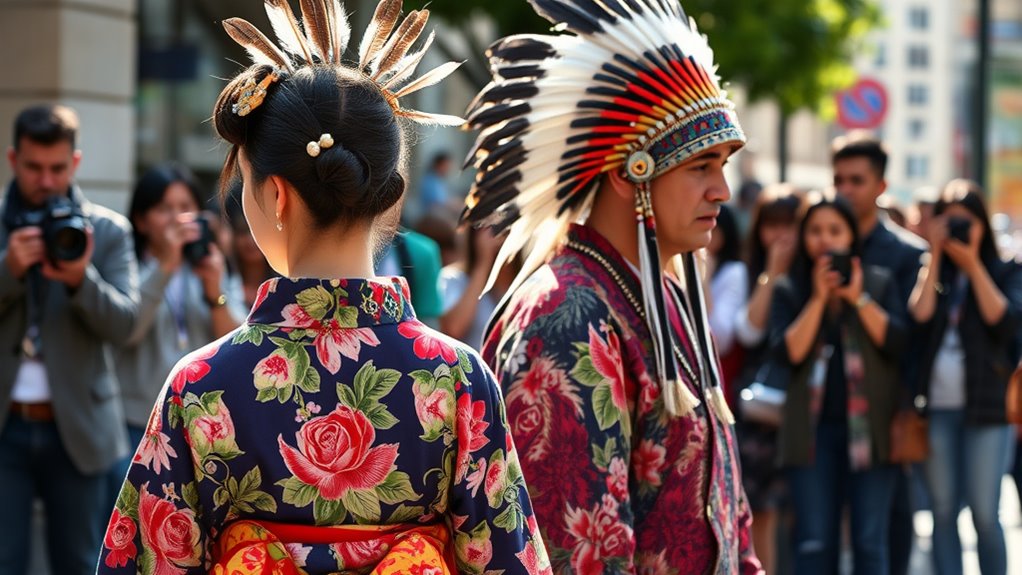
Recognizing examples of cultural appropriation is essential because they often involve taking cultural elements without permission, which can cause real harm. When you see this happening, it’s important to understand the impact. Here are some common instances:
Understanding cultural appropriation helps prevent harm and promotes respectful appreciation of diverse traditions.
- Wearing sacred clothing or symbols as costumes or fashion without understanding their significance.
- Using cultural rituals or spiritual practices solely for social media appeal without respecting their meaning.
- Commercializing cultural items—like jewelry or clothing—without benefiting or crediting the original community.
- Mocking accents or stereotypes in media or entertainment, perpetuating harmful caricatures.
- Overlooking the importance of respecting cultural traditions and their significance to communities, which can lead to misunderstandings and disrespect.
These actions can reinforce stereotypes, diminish cultural richness, and cause emotional damage. Recognizing these examples helps you see how appropriation harms marginalized groups and why respectful engagement matters.

Culturally Responsive Teaching: Theory, Research, and Practice (Multicultural Education Series)
As an affiliate, we earn on qualifying purchases.
As an affiliate, we earn on qualifying purchases.
Celebrating Cultural Appreciation Through Respectful Engagement
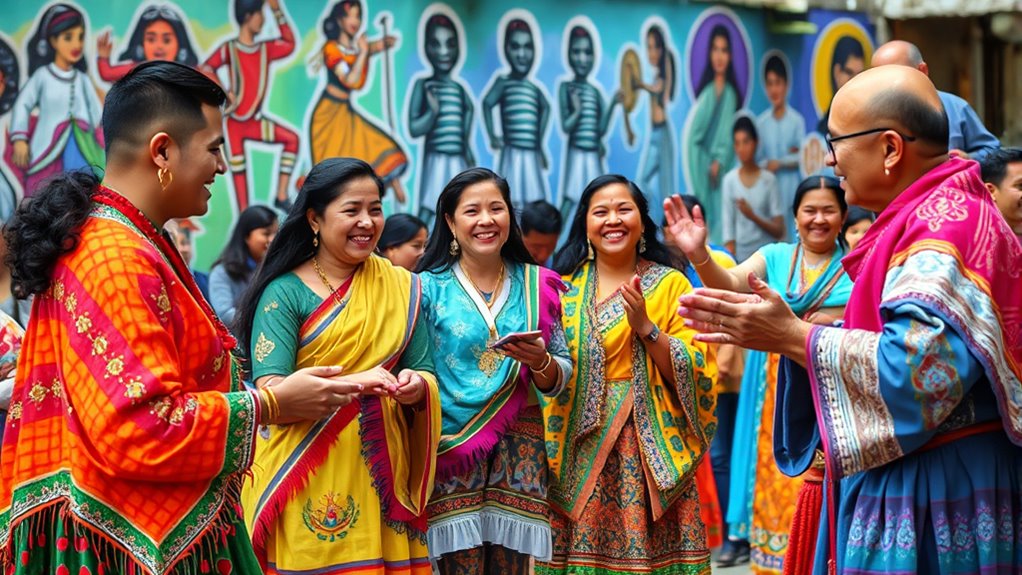
Celebrating cultural appreciation through respectful engagement involves actively learning about and honoring the traditions, values, and significance behind cultural elements. You can do this by participating in cultural events with permission, attending festivals, or sharing traditional foods in ways that respect their origins. Supporting artists and creators from the culture guarantees fair recognition and benefits for the community. When you learn about a culture’s history and beliefs, you foster genuine understanding and connection. It’s important to approach these experiences with humility and openness, avoiding stereotypes or superficial consumption. Respectful engagement also means supporting cultural initiatives that empower communities rather than commodify them. Understanding the cultural context behind traditions helps ensure respectful appreciation and prevents misinterpretation. By genuinely valuing and respecting cultural practices, you help build bridges that promote diversity, inclusion, and mutual appreciation.

Roylco Around The World Paper – 96 Sheets of Assorted Cultural Craft Paper, 48 Global Patterns for Art, Collage, Multicultural Projects, Classroom & Creative Crafts
GLOBAL CRAFT PAPER PACK – Includes 96 sheets of decorative craft paper featuring 48 different world-inspired designs for…
As an affiliate, we earn on qualifying purchases.
As an affiliate, we earn on qualifying purchases.
Navigating Power Dynamics and Cultural Sensitivity
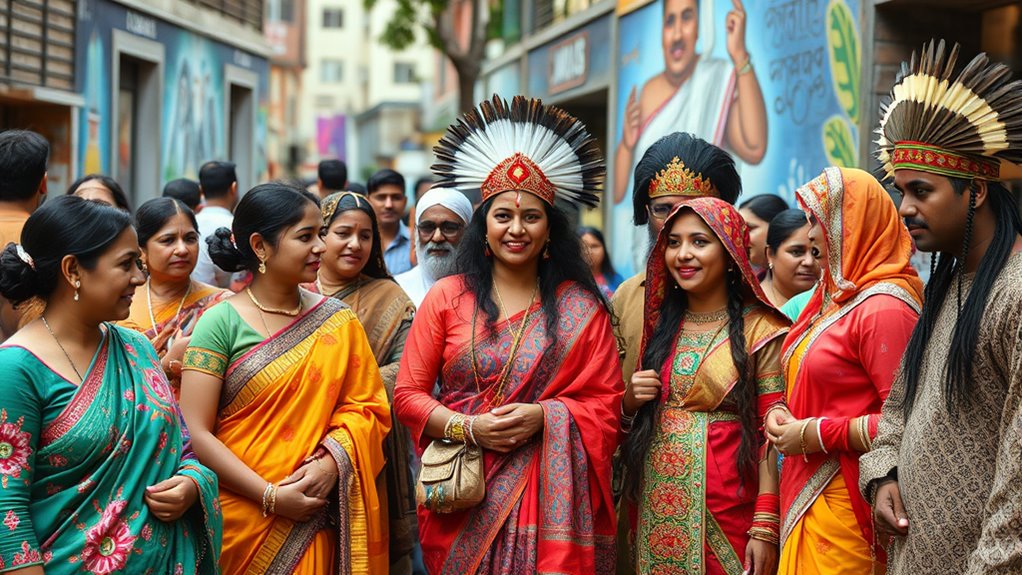
You need to recognize how historical power imbalances have shaped who controls cultural narratives and access. Respecting cultural sovereignty means understanding when permission is necessary and honoring the origins of traditions. By amplifying marginalized voices, you help create space for authentic representation and challenge exploitative dynamics. Recognizing the significance of cultural identity preservation is essential in fostering respectful appreciation.
Historical Power Imbalances
Power dynamics deeply influence how cultural exchanges occur, often privileging dominant groups while marginalizing minority communities. These imbalances shape who has the authority to share, interpret, or profit from cultural elements. When you engage across cultures, consider these key points:
- Recognize that historical exploitation creates unequal power relations.
- Understand that marginalized groups often lack control over how their culture is used or represented.
- Acknowledge that dominant groups may unconsciously perpetuate stereotypes or commodify cultures.
- Respect that some cultural expressions hold sacred or significant meanings, and misuse can cause harm.
- Be aware that the way cultural elements are displayed in spaces like Bedroom decor can reflect broader cultural sensitivities.
Being aware of these imbalances helps you navigate interactions more ethically. It encourages you to approach cultural exchanges with humility and sensitivity, ensuring you’re not perpetuating historical injustices.
Respecting Cultural Sovereignty
Respecting cultural sovereignty requires recognizing that cultures have the right to control how their traditions, symbols, and practices are shared and represented. You should approach cultural elements with humility, understanding that they carry deep meaning and history. Always seek permission or guidance from community members before engaging with sacred or significant practices. Be aware of existing power imbalances; avoid exploiting or commodifying cultural symbols for personal gain. Respect the context and significance behind cultural expressions, refraining from using them superficially or as fashion statements. Supporting authentic voices and ensuring fair representation helps protect cultural sovereignty. By prioritizing consent, understanding, and respect, you contribute to a more equitable and culturally sensitive environment, fostering genuine cross-cultural appreciation rather than harmful appropriation. Recognizing cultural boundaries and adhering to respectful engagement practices are essential in this process.
Amplifying Marginalized Voices
How can allies and cultural consumers effectively amplify marginalized voices without overshadowing or exploiting them? First, listen actively and prioritize their perspectives. Second, support platforms and creators from the community, ensuring they control their narratives. Third, educate yourself on the community’s history and issues before sharing or advocating. Fourth, recognize existing power imbalances and avoid speaking over or tokenizing members. By doing so, you foster genuine support rooted in respect and understanding. Amplifying marginalized voices isn’t just about sharing messages; it’s about creating space for authentic expression and empowering communities to tell their stories themselves. Respectful engagement builds trust, promotes equity, and helps challenge systemic inequalities. Understanding the importance of cultural sensitivity and respecting boundaries is essential in this process. Your role is to uplift, not dominate, the conversation around their experiences.
Practical Guidelines for Respectful Cultural Participation
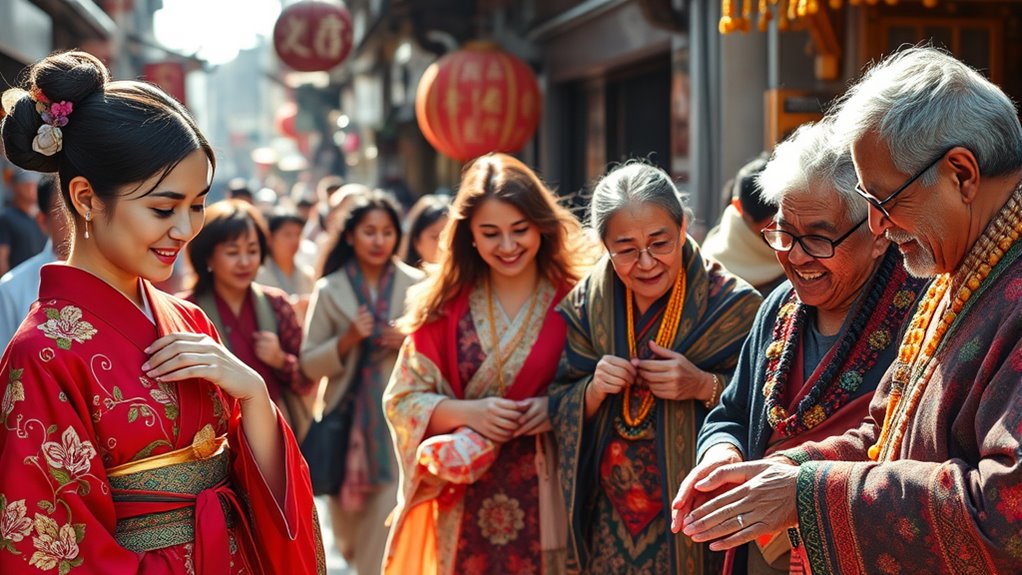
Practicing respectful cultural participation requires intentional steps to guarantee that your engagement is genuine and considerate. First, seek permission or guidance before adopting cultural symbols, especially sacred ones. Educate yourself on the history and significance behind practices or items to avoid misrepresentation. Support and credit members of the culture when sharing their work; this fosters respect and fairness. Be aware of power dynamics, ensuring you’re not exploiting or commodifying cultural elements. Use the following table to guide your actions:
| Action | Approach | Outcome |
|---|---|---|
| Seek permission | Ask elders or community leaders | Respectful engagement |
| Learn cultural meaning | Study and listen to authentic sources | Informed participation |
| Support creators | Purchase from or promote community members | Fair compensation and recognition |
| Avoid stereotypes | Challenge harmful representations | Cultural integrity |
| Reflect on impact | Consider effects on marginalized groups | Ethical involvement |
Additionally, understanding the Resale value of cultural items can help ensure that their significance is preserved and respected over time.
Fostering Inclusive Conversations and Ethical Cultural Sharing
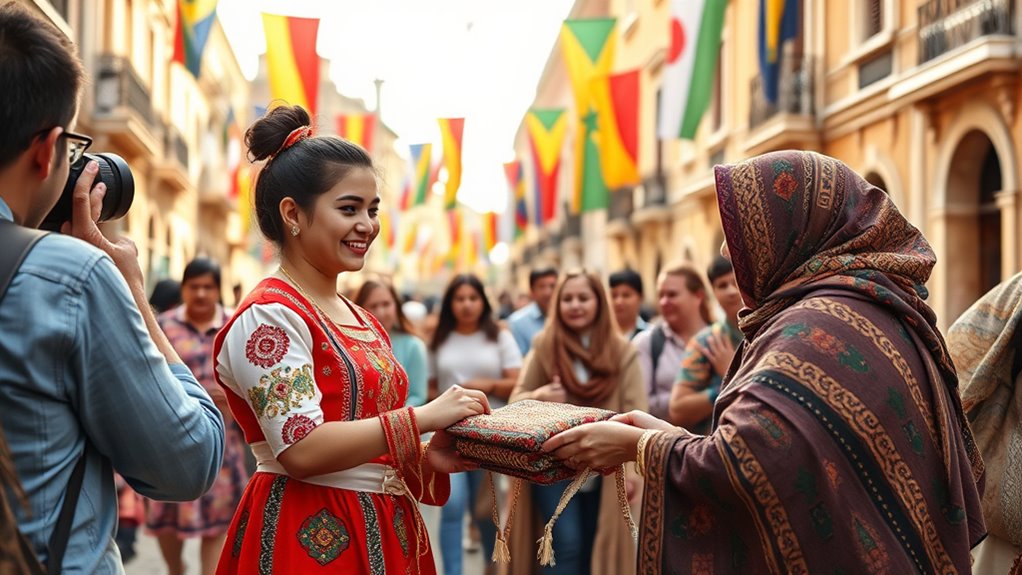
You can foster inclusive conversations by practicing respectful dialogue and actively listening to diverse perspectives. Amplifying marginalized voices helps create understanding and guarantees their stories aren’t overlooked. Cultivating cultural sensitivity means approaching sharing with awareness, empathy, and a commitment to ethical engagement. Developing vetted knowledge about different cultures also ensures that exchanges are grounded in respect and accuracy.
Respectful Dialogue Practices
Respectful dialogue practices are essential for fostering inclusive conversations and ensuring ethical cultural sharing. You should prioritize listening and learning from others’ perspectives, especially marginalized voices. To do this effectively: 1. Ask permission before discussing or sharing cultural elements, respecting boundaries. 2. Educate yourself about the culture’s history and significance to avoid misrepresentation. 3. Avoid stereotypes by refraining from mocking accents or superficial portrayals. 4. Credit and support cultural creators when sharing their work or traditions. Additionally, practicing mindful decluttering of our assumptions and biases can help create a more respectful and understanding environment.
Amplifying Marginalized Voices
Amplifying marginalized voices plays a vital role in creating truly inclusive conversations and promoting ethical cultural sharing. When you elevate these perspectives, you help challenge dominant narratives and foster understanding. Supporting authentic storytelling ensures marginalized communities are credited and empowered, rather than exploited. To deepen this, consider the following:
| Action | Impact | Example |
|---|---|---|
| Listen actively | Builds trust and respect | Attending cultural events with permission |
| Share their stories | Raises awareness | Amplifying voices on social media |
| Support community-led initiatives | Encourages empowerment | Funding cultural projects |
| Respect cultural boundaries | Prevents harm and misrepresentation | Avoiding stereotypes in media |
Cultivating Cultural Sensitivity
Cultivating cultural sensitivity is essential for fostering inclusive conversations and ensuring ethical cultural sharing. It involves actively listening, respecting boundaries, and understanding the deeper significance behind cultural practices. To do this effectively, keep these points in mind:
- Seek permission or guidance before engaging with cultural elements.
- Educate yourself about the history and meaning behind traditions or symbols.
- Support authentic voices from the culture, giving credit and recognition.
- Be aware of power dynamics, avoiding exploitation or tokenism.
Frequently Asked Questions
How Can I Tell if My Cultural Actions Are Respectful or Appropriative?
To tell if your cultural actions are respectful or appropriative, ask yourself if you’ve gained permission or understanding of the culture’s significance. Are you sharing with respect, credit, and without stereotypes? Do you avoid using sacred symbols for aesthetics or profit? If you’re learning about the culture’s history and engaging genuinely, you’re likely being respectful. If you’re taking without acknowledgment or perpetuating stereotypes, it’s probably appropriative.
What Are Common Signs of Cultural Misappropriation in Media and Fashion?
You might notice signs of cultural misappropriation when media or fashion use cultural symbols without understanding or respecting their meaning. For example, they often reduce sacred elements to trendy accessories or costumes, ignoring the community’s connection. Stereotypes or exaggerated accents can also signal insensitivity. When creators profit from cultural elements without credit or benefit to the originating community, it’s a clear sign they’re crossing into misappropriation.
How Do Power Imbalances Influence Cultural Exchange and Respect?
Power imbalances shape cultural exchange by often allowing dominant groups to take, profit from, or misrepresent minority cultures without permission or understanding. You might find that marginalized communities aren’t included or credited, which perpetuates stereotypes and exploitation. To respect this dynamic, you should seek permission, learn the cultural context, and support fair representation. Recognizing these imbalances helps ensure your interactions foster respect rather than harm.
When Should I Seek Permission Before Engaging With Cultural Elements?
Think back to a time before social media, and you’d still want permission before engaging with cultural elements. You should always seek permission when an element holds spiritual, sacred, or community significance. If you’re unsure, ask respectful questions or learn from trusted community members. Respectful engagement involves understanding the meaning behind cultural symbols and practices, ensuring you’re not exploiting or disrespecting the culture. Always prioritize consent and context.
How Can Organizations Promote Ethical Cultural Appreciation and Avoid Appropriation?
You can promote ethical cultural appreciation by fostering education and awareness within your organization. Encourage staff to learn about different cultures’ significance and seek permission from cultural representatives before engaging with their traditions. Support diverse voices and collaborate with community members to ensure respectful representation. Avoid using cultural elements for aesthetic or commercial gain without understanding their meaning. Create policies that prioritize consent, honor origins, and promote inclusive, respectful cultural exchanges.
Conclusion
Understanding the difference between cultural appreciation and appropriation helps you engage respectfully and thoughtfully. Remember, studies show that 62% of people feel cultural sharing can promote understanding when done ethically. By staying aware of power dynamics and practicing empathy, you can celebrate diverse cultures without causing harm. Embrace respectful participation, foster inclusive conversations, and guarantee your actions honor the communities behind the cultures you admire. That’s how meaningful cultural exchange truly thrives.