🔍 Read the full analysis: Making An AI Horror-Comedy Overnight: What Hollow House Taught Us on ThorstenMeyerAI.com

Get the little things that make your day delivered free with Prime
- Fast, free delivery on millions of items
- Prime Video, Amazon Music and more included
- Member-only deals all year
TL;DR
Hollow House, a 97-second horror-comedy made with AI-generated characters, voices and sets, was produced overnight across three versions, according to its creator, Thorsten Meyer. His account says the key improvement came from changing the production approach and tightening the edit, not simply generating better-looking images.
Creator Thorsten Meyer says he made Hollow House, a 97-second AI-generated horror-comedy, overnight in three versions, spending 2,220 Higgsfield credits across the attempts. His October 28 account says the first cut looked polished but felt boring, and that the final version worked after the production shifted to shorter segments and a faster rhythm.
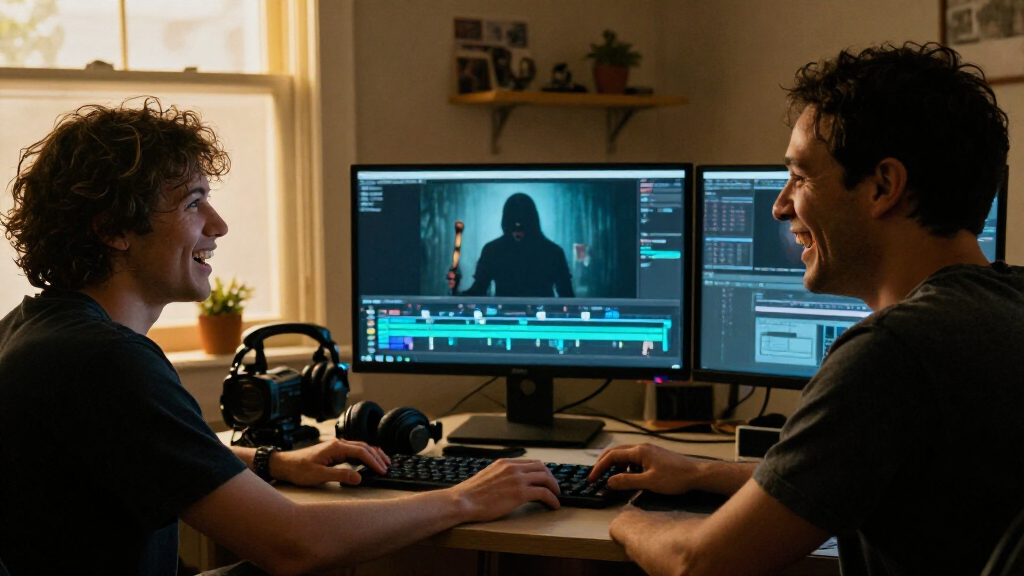
The short imagines a ghost joining the staff of an extreme haunted attraction, where employees treat the supernatural intrusion as a workplace problem. A guest says the attraction’s safe word, “cotton candy,” but the scare does not stop. The staff then try to handle the situation, including an attempted exorcism, before the ghost is put to work at the door the next night. Meyer says the characters, voices and sets were generated with AI; the film itself runs one minute and 37 seconds.
Meyer describes three production attempts. The first used 20 single shots and ran 2 minutes 15 seconds. The second used 66 faster cuts and ran 2 minutes 21 seconds. The third was assembled from three roughly 30-second segments generated with one model supplied with references for the whole cast. Meyer says only that third approach produced a version he considered successful.
The creator reports spending 2,220 Higgsfield credits across the three versions, which he estimates at about $95 at his plan’s pricing, plus roughly 2,100 ElevenLabs characters for music and sound effects. He says he created eight character reference images before generating video, using them to help keep faces and costumes consistent. These costs and workflow details come from Meyer’s account; no independent production records are included in the material provided.
Behind the scenes · October 28, 2026
Making an AI Horror-Comedy Overnight
Hollow House took three versions, a haunted attraction, and one decisive edit. Creator Thorsten Meyer says the images were never the problem. The rhythm was.
01 / The development
Three attempts.
One working rhythm.
Meyer’s account traces a shift from long generated shots to shorter segments and a faster edit. Only the third approach produced a version he considered successful.
Attempt 01 · Long takes
Polished, but slow
20 single shots. Meyer said the result looked good but felt boring and amateurish.
Attempt 02 · Faster cuts
More cuts, still long
66 faster cuts changed the pace, but this version ran longer than the first.
Attempt 03 · Final approach
Three linked segments
Roughly 30-second segments, one model, cast references, a tighter edit, and final colour grading.
The production moved toward shorter generated segments and a quicker editorial rhythm. The account credits those choices—not simply more attractive images—with making the comedy work.
02 / The edit
Comedy needs room
to move—and land.
The first cut’s average shot length was about three times the comparison short’s estimated pace, according to Meyer’s own measurements.
Meyer says the first version held each shot for about 5.6 seconds. In his estimate, the short that inspired the project used about 74 cuts across 2 minutes 14 seconds—roughly 1.8 seconds per image.
That comparison helped explain why attractive frames alone did not deliver the timing he wanted. Faster cuts gave the jokes more momentum, while post-production decisions shaped the final feel.
The comparison is Meyer’s measurement, not an independently verified benchmark.
Estimated average image duration
The estimate describes pacing in two specific works. It does not establish a universal rule for comedy editing.
03 / The workflow
From character sheets
to the final cut.
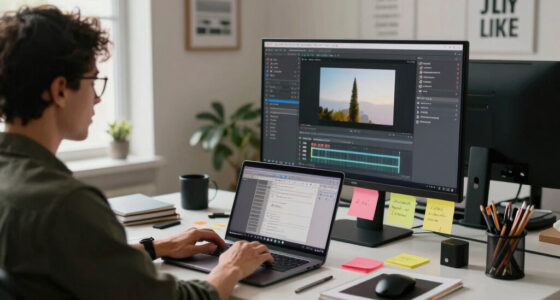
Meyer used references to guide consistency, reviewed generated speech against the script, and adjusted scenes when a requested performance did not come through.
Prepare
Build the cast
Eight character reference images created with Nano Banana 2 through Higgsfield helped guide faces and costumes.
Generate
Make the scenes
The first version paired 20 generated start frames with Veo 3.1 fast clips, including generated speech and sound.
Review
Check the lines
Whisper speech recognition helped compare generated dialogue with the script and catch a shouted line rendered as spoken letters.
Refine
Shape the finish
Retakes, a still image replacing a difficult head turn, sound effects, faster editing, and a final colour grade shaped the short.
04 / The story engine
A ghost becomes
a workplace issue.
The short’s comic premise turns supernatural terror into an employee-management problem at an extreme haunted attraction.
Premise
Unexpected hire
A ghost joins the attraction’s staff, and the employees treat the intrusion as an operational problem.
Escalation
Safe word: “cotton candy”
A guest uses the attraction’s safe word, but the scare does not stop. Staff try to respond, including with an attempted exorcism.
Punchline
Back on the schedule
By the next night, the ghost is put to work at the door. The supernatural becomes one more shift to cover.
05 / Creator’s notes
The lesson, in his words.
Meyer describes the central challenge as an editing problem, alongside practical limits in generated performance and consistency.
“The first version looked great, and when I watched it I called it what it was: terribly boring and amateurish.”
Thorsten Meyer · on the first cut
“The pictures were never the problem. The rhythm was.”
Thorsten Meyer · on the production’s central problem
“What if something in the house doesn’t care about the safe word?”
Thorsten Meyer · describing the premise
06 / Key questions
What the account says.
A compact guide to the film, its reported production window, and the limits of the available cost and workflow details.
What is Hollow House?
A 97-second horror-comedy about a ghost working at an extreme haunted attraction. Meyer says its characters, voices, and sets were AI-generated.
How long did it take?
Meyer says production ran from early evening on October 27 until about 1:30 a.m. the next morning. He published the account on October 28, 2026.
What did it cost?
He reports 2,220 Higgsfield credits across three versions, estimating about $95 at his plan’s pricing, plus roughly 2,100 ElevenLabs characters for music and sound effects.
What changed in the final version?
The final 97-second cut used three roughly 30-second segments generated with cast references, alongside a faster edit and final colour grade.
What was the main lesson?
Meyer says pacing was the main problem. The first version’s longer shots weakened the comedy’s timing.
What happens next?
The account announces no sequel, release schedule, or further production plans.
Evidence & limits
Production figures, workflow details, and editing comparisons come from Meyer’s own account. The material provided includes no independent production records. The estimated $95 reflects the plan price he cites, not necessarily the full cost of tools or labour. The account does not fully specify editing, sound mixing, colour grading, model settings, or whether others contributed, so the process cannot be reproduced exactly from these details.
Why the Faster Cut Worked
Meyer’s account points to a practical distinction for small AI video projects: generating appealing images does not automatically produce an engaging film. He says the first version had consistent faces, costumes and lighting, but its shots averaged 5.6 seconds each, leaving the jokes without the pace he wanted.
For comparison, Meyer estimates that the short that inspired the project had about 74 cuts in 2 minutes 14 seconds, or an average of roughly 1.8 seconds per image. That comparison is his measurement, not an independently verified benchmark. Still, it explains the production change he emphasizes: editing rhythm and human judgment mattered more to the final result than adding more attractive frames.
The process also illustrates the limits Meyer encountered while using generative tools. He says speech recognition helped catch a line that the video model rendered as spoken letters, while some requested movements did not come through as intended. For readers following AI filmmaking, the account offers a specific case study in how reference images, retakes and post-production decisions can shape a short work, while not establishing that the same approach will work consistently for other creators.
Products Worth Considering

Philips Sonicare DiamondClean 9500 Electric Toothbrush with 3 Brush Heads – Black

Garmin Forerunner 165 GPS Running Smartwatch, 43 mm, Black

BowFlex SelectTech 840 Adjustable Kettlebell
As an affiliate, we earn on qualifying purchases.
From Character Sheets to Three Cuts
Before generating video, Meyer made one reference image for each of eight characters with Google’s Nano Banana 2 image model through Higgsfield. He says the images took less than two minutes to produce and cost two credits each at 2K resolution. In his workflow, those images served as a visual guide for later frames and clips, helping address the tendency of AI video models to change a character’s hair, clothing or appearance between shots.
The initial version paired 20 generated start frames with clips made in Google’s Veo 3.1 fast mode. Meyer says the model generated speech and sound alongside the images. He then reviewed the output and used Whisper speech recognition to compare the spoken lines with the script. His account describes several retakes and workarounds: for example, he changed a written all-caps shout because the model spoke the letters individually, and replaced a difficult head-turn action with a still image and a sound effect.
Meyer says the story’s structure was inspired by an AI horror-comedy short shared on X, while the script, characters and jokes were his own. The source account does not identify the original short, so its influence cannot be assessed further from the information available.
“The first version looked great, and when I watched it I called it what it was: terribly boring and amateurish.”
— Thorsten Meyer, creator of Hollow House
What the Production Account Leaves Open
The available material is Meyer’s own production account and does not include independent verification of the credit total, estimated dollar cost, model settings or editing comparisons. The reported $95 figure reflects the plan price he cites, not necessarily the full cost of the tools or labor involved.
It is also unclear how much work beyond the described AI generation went into editing, sound mixing and final colour grading, or whether the short was made by Meyer alone. His account identifies the final colour grade as one of the decisive human choices but gives no further detail. The source says the final cut used three segments from one model with references for the cast; it does not specify all technical settings or provide enough information to reproduce the workflow exactly.
The Short and Its Process
Meyer published the short and its behind-the-scenes account on October 28, 2026. The account includes character references, start frames, failed attempts and a contact sheet of the final cut. It does not announce a sequel, a release schedule or further production plans. Any next development would depend on Meyer or the project publishing additional material; none is specified in the source account.
Key Questions
What is Hollow House?
Hollow House is a 97-second horror-comedy short about a ghost working at an extreme haunted attraction. Meyer says its characters, voices and sets were AI-generated.
How long did it take to make?
Meyer says production ran from early evening on October 27 to about 1:30 a.m. the next morning, with the account published October 28, 2026.
How much did the production cost?
Meyer reports using 2,220 Higgsfield credits across three versions, which he estimates at about $95 at his plan price. He also reports using about 2,100 ElevenLabs characters for music and sound effects. The account does not provide an independently verified full budget.
What changed between the first and final versions?
The first version used 20 longer shots and ran 2 minutes 15 seconds. Meyer says the final 97-second cut was made from three roughly 30-second segments generated with references for the cast, with a faster edit and a final colour grade.
What did Meyer say was the main lesson?
He said the pacing was the main problem, not the images. His account describes changing the edit after finding that the first version’s longer shots weakened the comedy’s timing.
Source: ThorstenMeyerAI.com