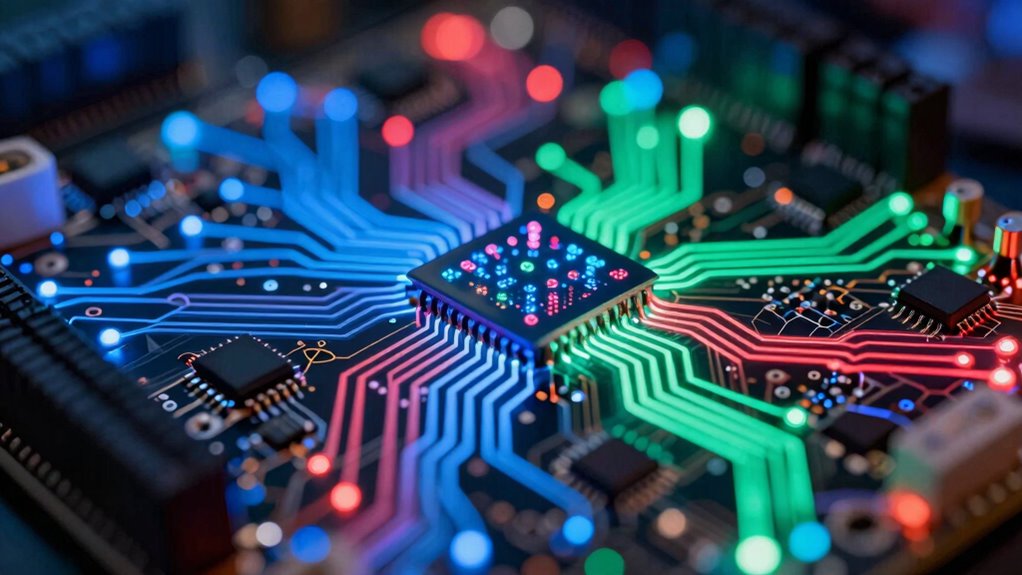

Your personal data reveals how your digital activities use energy, from social media to online shopping. By understanding what data you generate and share, you can learn to manage it better and reduce unnecessary energy consumption. Data about your habits helps optimize home devices like thermostats and lights, making your energy use more efficient. Keep exploring how your data can guide smarter choices and create a more sustainable digital lifestyle.

Get the little things that make your day delivered free with Prime
- Fast, free delivery on millions of items
- Prime Video, Amazon Music and more included
- Member-only deals all year
Key Takeaways
- Managing personal data efficiently can reduce digital energy consumption, similar to conserving physical energy at home.
- Data insights from habits help optimize energy use in smart devices and household systems.
- Protecting privacy minimizes unnecessary energy spent on security measures and data handling.
- Awareness of data flow and storage fosters responsible digital habits that lower overall energy impact.
- Recognizing data as an energy resource encourages mindful digital consumption and sustainable practices.
In today’s digital age, your personal data has become an invisible energy that powers countless aspects of your life, from social media to online banking. It’s a vital resource that, when managed well, can teach you a lot about energy efficiency and how to protect your data privacy. Think of your data as a form of energy—valuable, powerful, and needing careful handling. Just as energy consumption impacts your household bills and environmental footprint, the way you manage your data influences your digital security and overall efficiency online.
When you understand how your data circulates and is used by various platforms, you gain insight into energy efficiency—both digital and real-world. For instance, every time you log in, stream a video, or share information, data centers process your activity. These data centers consume massive amounts of energy, often without you realizing it. Being aware of this connection helps you make smarter choices—like lowering your data footprint by deleting unnecessary files or reducing high-bandwidth activities. Additionally, data center energy use is a significant factor in the overall environmental impact of digital technology, emphasizing the importance of mindful data management. Recognizing the digital energy footprint behind your online actions can motivate you to adopt more sustainable habits, reducing unnecessary data processing and energy consumption.
However, understanding data privacy is equally crucial. When you share personal details, you might unknowingly expose yourself to risks, and the energy spent on maintaining your privacy can be significant. Encrypting your data, using strong passwords, and limiting the information you share are ways to conserve your digital energy. Protecting your data privacy is like insulating your home; it reduces waste and prevents unnecessary energy drain—except here, the “energy” is your personal security and peace of mind.
Your personal data also reveals your habits, preferences, and routines, which can be leveraged to optimize energy use in your daily life. For example, smart home devices learn from your data to adjust heating, cooling, or lighting—maximizing energy efficiency. The more you understand what data your devices collect, the better you can control these systems to save energy and reduce costs. This kind of data-driven insight empowers you to create more sustainable living habits.
In essence, your personal data isn’t just about privacy or convenience; it’s a resource that can teach you valuable lessons in energy efficiency. By learning how your data flows and where it’s stored, you gain control over both your digital footprint and your real-world energy consumption. Managing your data wisely can lead to smarter use of resources, a safer online presence, and a more sustainable lifestyle—all connected through the understanding of data privacy and energy efficiency. Additionally, recognizing the invisible energy behind your data can help you develop a more mindful approach to digital consumption and resource management.
As an affiliate, we earn on qualifying purchases.
Frequently Asked Questions
How Does Personal Data Influence Energy Consumption Patterns?
Your personal data shapes your energy consumption patterns by revealing your behavior patterns, such as peak usage times and appliance habits. When data is accurate, it helps you identify inefficiencies and optimize energy use. By understanding these patterns, you can make smarter choices, like adjusting your routines or upgrading to energy-efficient devices, ultimately reducing costs and environmental impact. Accurate data empowers you to take control of your energy habits effectively.
Can Personal Data Predict Future Energy Needs Accurately?
Predictive modeling can pretty accurately predict future energy needs, especially when paired with data anonymization to protect privacy. You can leverage historical data, patterns, and preferences to project upcoming demands. While predictions aren’t perfect, they’re precise enough to optimize resources and avoid outages. You, as a user, benefit from smarter energy management, making your consumption cleaner, more efficient, and tailored to your lifestyle, all while respecting your privacy.
What Privacy Concerns Arise From Analyzing Energy-Related Personal Data?
When analyzing your energy-related personal data, privacy concerns like data breaches and lack of informed consent come up. You risk your sensitive information being accessed or misused if security measures fail. Without clear consent, your data might be shared or sold without your approval, compromising your privacy. It’s vital to guarantee organizations handling your data prioritize security and transparency to protect your personal information.
How Can Personal Data Improve Energy Efficiency in Households?
You can improve your energy efficiency by leveraging smart meters and data analytics. Smart meters provide real-time insights into your energy usage, allowing you to identify patterns and areas for improvement. Data analytics helps interpret this information, guiding you to optimize appliance use and reduce waste. By actively monitoring your consumption, you can make smarter choices, save money, and lower your environmental impact.
Are There Ethical Issues in Collecting Energy Usage Data?
Think of collecting energy usage data as harvesting a delicate garden; it’s essential to respect its integrity. Ethical issues arise if you don’t obtain informed consent or fail to implement data anonymization, risking privacy breaches. Without transparency, you risk eroding trust. You must balance the benefits of energy insights with respecting individual privacy, ensuring your approach is ethical, responsible, and transparent, like tending a garden with care and respect for its delicate balance.
energy-efficient smart thermostat
As an affiliate, we earn on qualifying purchases.
As an affiliate, we earn on qualifying purchases.
Conclusion
By analyzing your personal data, you can uncover surprising insights about your energy habits. Did you know that tracking your daily routines can boost your energy efficiency by up to 30%? When you understand your patterns, you can make smarter choices to save energy and improve your well-being. Embrace your data—it’s a powerful tool to take control of your energy use and lead a more balanced, sustainable life.
privacy-focused data encryption software
As an affiliate, we earn on qualifying purchases.
As an affiliate, we earn on qualifying purchases.
smart lighting system for energy saving
As an affiliate, we earn on qualifying purchases.
As an affiliate, we earn on qualifying purchases.
Halloween Picks
halloween
As an affiliate, we earn on qualifying purchases.