
📊 Full opportunity report: The Memory Squeeze: Why Your RAM Bill Doubled on ThorstenMeyerAI.com — validation score, market gap, and execution plan.
TL;DR
RAM prices have doubled or more in 2026, with the main cause being a deliberate reallocation of manufacturing capacity toward AI hardware. This shift has led to a persistent shortage and higher costs for consumers, as discussed in Apple Wants Blacklisted Chinese RAM — And That Tells You How Bad The Squeeze Got.
Memory prices have surged sharply in 2026, with the cost of 32GB DDR5 kits rising from about $80-$120 in 2025 to over $370 in June 2026, according to Tom’s Hardware’s daily tracker. This represents a doubling or more of previous lows, marking a significant shift in the RAM market that directly impacts consumers and PC builders.
The primary driver behind this price increase is a strategic reallocation of the world’s DRAM manufacturing capacity. The three dominant producers — Samsung, SK Hynix, and Micron — are prioritizing high-margin, AI-related memory modules such as High Bandwidth Memory (HBM) over consumer DDR5 RAM. HBM modules now sell for $60-$100 each, compared to $5-$10 for standard DDR5, making them far more profitable for manufacturers.
This shift is compounded by the physics of wafer usage: HBM consumes roughly three to four times the wafer area of DDR5 per bit, meaning that each wafer dedicated to HBM effectively reduces the supply of consumer RAM by three or four times. As a result, HBM now accounts for about 23% of total DRAM wafer output, up from 19% in 2025, with AI expected to absorb roughly 20% of all DRAM capacity in 2026.
Unlike past shortages, which eased after capacity expansion, this one is driven by a deliberate industry choice to focus on higher-margin products. The expansion of new fabs is years away, with significant capacity not expected until 2027 or later. Industry insiders indicate that suppliers are managing scarcity through disciplined capacity restraint, not rushing to increase supply, partly due to the profitability of AI memory modules and existing contractual commitments with large buyers.
Why your RAM bill doubled
“Doubled” is the polite version — consumer DRAM is running 3–6× its 2024 lows. The boom-bust cycle that always brought cheap RAM back isn’t coming this time, because the factories that make your RAM now make something far more profitable instead.
HBM
This is the quiet tax on the whole AI era. Relief isn’t forecast before 2028, and even then prices may settle 30–50% above pre-crisis levels. Buy what you genuinely need now; don’t panic-buy capacity you won’t use. You can’t out-wait the fab math — but, as this series will show, you can shrink what you need. Next: HBM Ate the Fab.
Impact of AI-Driven Memory Reallocation on Consumers
The reallocation of DRAM manufacturing capacity toward AI hardware has led to persistent shortages and soaring prices for consumer RAM, affecting PC builders, enterprises, and consumers alike. As a result, many PC components are now more expensive, and supply constraints have led to delays, reduced availability, and increased prevalence of counterfeit modules. This shift signals a fundamental change in the memory market, with long-term implications for pricing and supply dynamics.

Crucial 32GB DDR5 RAM Kit (2x16GB), 5600MHz (or 5200MHz or 4800MHz) Laptop Memory 262-Pin SODIMM, Compatible with Intel Core and AMD Ryzen 7000, Black – CT2K16G56C46S5
- Memory Capacity: 32GB DDR5 RAM Kit (2x16GB)
- Memory Speed: 5600MHz, 5200MHz, or 4800MHz
- Performance Boost: Enhances multitasking and responsiveness
As an affiliate, we earn on qualifying purchases.
As an affiliate, we earn on qualifying purchases.
2026 Memory Market Shift and Industry Strategy
Historically, memory shortages have been temporary, resolved by building more fabs and flooding the market. However, in 2026, the dominant memory manufacturers—Samsung, SK Hynix, and Micron—are prioritizing high-margin AI memory modules over consumer RAM, motivated by profitability rather than supply expansion. This reallocation is driven by the higher revenue potential of HBM and other AI-focused memory, which are physically less efficient but far more profitable per wafer.
While the industry has faced supply constraints before, this time the shortage is a result of strategic capacity management. The manufacturers have not increased supply significantly, despite rising demand, and are managing scarcity through disciplined restraint, rather than supply glut. The result is a sustained imbalance that is unlikely to resolve quickly or through traditional capacity expansion.
“Our focus is on meeting the demands of enterprise AI customers, which means less emphasis on consumer memory supply at this time.”
— A representative from Micron
high-performance HBM memory modules
As an affiliate, we earn on qualifying purchases.
As an affiliate, we earn on qualifying purchases.
Unresolved Questions About Market Dynamics
It remains unclear whether the current high prices and shortages will persist beyond 2026 or if new capacity expansions will eventually alleviate the supply constraints. The long-term impact of the industry’s strategic focus on high-margin AI memory modules and potential regulatory scrutiny over market concentration also remain uncertain.
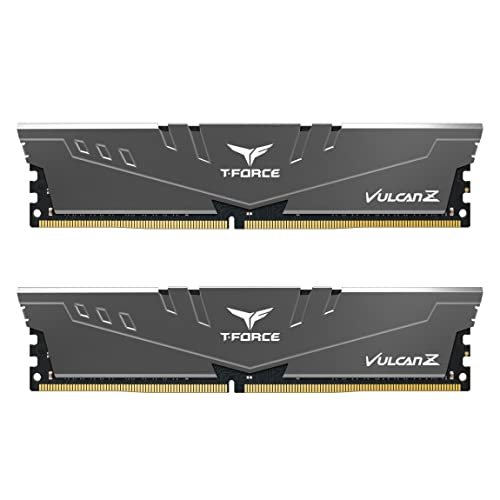
TEAMGROUP T-Force Vulcan Z DDR4 DRAM 16GB Kit (2x8GB) 3200MHz Desktop Memory Module (PC4-25600) CL16 Ram (Gray) – TLZGD416G3200HC16FDC01
- Design: Simple design with cooling protection
- Compatibility: Supports Intel and AMD motherboards
- Quality: High-quality IC selection
As an affiliate, we earn on qualifying purchases.
As an affiliate, we earn on qualifying purchases.
Future Developments in Memory Supply and Pricing
Manufacturers are expected to continue managing capacity restraint through 2027, with significant new fabs not coming online until then. Consumers and PC builders should anticipate ongoing high prices, potential delays, and increased use of counterfeit modules until supply chain adjustments or capacity expansions occur. Industry analysts will monitor capacity expansion plans and regulatory developments for signs of market correction.

128GB 8X16GB DDR5 5600MHZ PC5-44800 1Rx8 1.1V CL46 288-PIN ECC Registered RDIMM KIT NEMIX RAM Server Memory Compatible with ASRock WRX90 WS EVO Motherboard
- Exact-Match DDR5 Upgrade: 128GB (8x16GB) DDR5-5600 ECC RAM
- Wide Compatibility: Fits various server motherboards
- Enterprise Stability: ECC error correction and registered design
As an affiliate, we earn on qualifying purchases.
As an affiliate, we earn on qualifying purchases.
Key Questions
Will RAM prices go back down in the near future?
It is uncertain. Prices are currently driven by strategic capacity reallocation toward AI hardware, and supply expansions are years away. Prices may stabilize but are unlikely to decrease significantly until new capacity is built.
Why are manufacturers prioritizing AI memory modules over consumer RAM?
High-bandwidth memory modules like HBM are far more profitable per wafer, despite being physically less efficient, making them a more attractive business focus for manufacturers.
Could this shortage affect the overall PC market?
Yes. Higher RAM prices and shortages can increase overall PC build costs, lead to delays, and reduce availability of certain components, impacting consumers and manufacturers.
Are there alternatives for consumers facing high RAM prices?
Options include using older DDR4 modules, though they are becoming scarce and expensive as well, or waiting for supply to stabilize, which may take several years.
Source: ThorstenMeyerAI.com