

To learn faster by explaining what you know, actively teach or describe concepts aloud, which boosts understanding and solidifies memory. Break complex ideas into manageable parts, focusing on one key point at a time to prevent overload. Use analogies or real-life examples to make ideas relatable and easier to grasp. Explaining reveals gaps in your knowledge, so revisit weak areas. Keep refining your explanations, and you’ll strengthen your grasp. Continue exploring these strategies to reveal even more effective ways to learn.
Key Takeaways
- Explaining concepts actively engages multiple brain regions, boosting retention and understanding.
- Break down complex topics into smaller parts to reduce cognitive load during explanations.
- Use analogies or real-life examples to make abstract ideas more relatable and easier to grasp.
- Practice retrieval by teaching or describing topics aloud to reinforce neural pathways.
- Repeat explanations over time with spaced intervals to enhance long-term memory retention.

When you teach or explain what you’ve just learned, you can actually accelerate your understanding and retention. This technique taps into the power of active learning, making it easier for you to remember information later. When you articulate ideas aloud or to someone else, you’re engaging multiple parts of your brain, which boosts your memory retention. Instead of passively reviewing notes or rereading material, explaining what you know forces you to organize your thoughts clearly and coherently. This process helps reinforce neural pathways associated with the topic, making it more likely you’ll recall the information when you need it. Additionally, using content formats effectively can enhance how you structure your explanations, making complex ideas easier to convey and understand.
Explaining what you’ve learned strengthens memory and clarifies understanding through active engagement.
However, when you’re explaining new concepts, it’s *vital* to be mindful of your cognitive load. Cognitive load refers to the amount of mental effort you’re exerting at any given moment. If you try to explain complex topics all at once, your brain might become overwhelmed, which hampers learning and makes it harder to retain the information. To avoid this, break down the material into smaller, manageable chunks before explaining. Focus on one key idea at a time, ensuring you understand each part thoroughly before moving on. This way, you minimize unnecessary mental strain, allowing your brain to process and store information more effectively. Recognizing the importance of cognitive load can help you optimize your learning process and prevent mental fatigue. Incorporating learning strategies like spaced repetition can further enhance retention by distributing your review sessions over time.
Furthermore, understanding how different projector technologies impact image quality can help you better grasp visual concepts, making your explanations more precise and comprehensive.
As you get better at explaining what you know, you’ll likely notice that your understanding deepens. When you attempt to teach a concept, you quickly identify gaps or areas where your knowledge is shaky. This awareness prompts you to revisit those sections, further solidifying your grasp. Plus, by explaining out loud, you engage in active recall—a powerful way to strengthen memory retention. The more you retrieve information from memory, the more durable it becomes, making future recall easier and faster.
Another tip is to use analogies or relate concepts to real-life experiences. This makes abstract ideas more concrete and relatable, easing the cognitive load. When your explanations connect to familiar contexts, it’s easier for your brain to integrate new information without feeling overwhelmed. Additionally, if you can teach others or even imagine explaining to an imaginary audience, you create a social and motivational element that enhances engagement and retention.
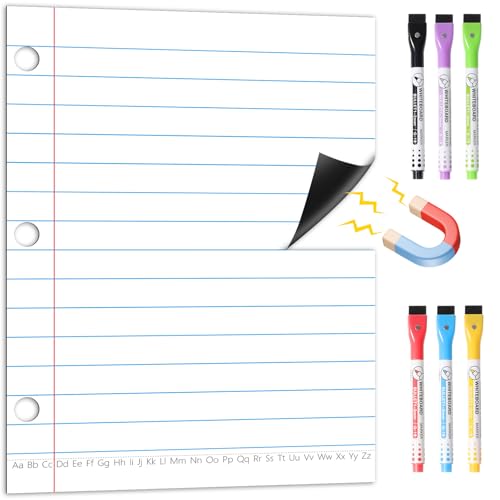
KIKIGOAL 21.5"x17" Magnetic Notebook Paper, Handwriting Lined for Classroom Whiteboard Accessories, Dry Erase Notebook Teaching Aids Homeschool Teaching Supplies
- Easy Handwriting Demonstration: Show writing techniques to the whole class
- Versatile Teaching Tool: Suitable for classroom, home, and office use
- Large Dry Erase Surface: Measures 17×22 inches with clear spacing
As an affiliate, we earn on qualifying purchases.
As an affiliate, we earn on qualifying purchases.
Frequently Asked Questions
Can Explaining Improve Retention for All Types of Learners?
Yes, explaining can improve retention for all learning styles because it actively engages your brain and helps reduce cognitive load. When you articulate concepts, you process information more deeply, regardless of whether you’re a visual, auditory, or kinesthetic learner. Explaining also highlights gaps in your understanding, making it easier to focus on weak areas. This method enhances memory retention across diverse learning preferences by promoting active involvement.
How Much Time Should I Spend Explaining to Maximize Learning?
You should spend as much time explaining as it takes to turn your understanding into a mental fortress—sometimes hours, sometimes just minutes. But be cautious: over-explaining can overload your cognitive load, hindering memory retention. Aim for focused, quality explanations rather than endless repetition. Break down complex ideas into digestible chunks, and make certain you’re actively engaging. This balance maximizes your long-term memory retention without overwhelming your brain.
Does Teaching Others Help Even if I Make Mistakes?
Yes, teaching others helps, even if you make mistakes. When you explain concepts to peers, you gain valuable feedback that highlights areas for improvement. This peer feedback boosts your confidence and deepens your understanding. Mistakes aren’t setbacks; they’re opportunities for growth. By teaching actively, you reinforce your knowledge and build confidence, making learning faster and more effective. Embrace errors as part of the learning process and trust that sharing helps solidify what you know.
Are There Specific Topics Better Suited for This Method?
You can tackle advanced topics and abstract concepts with this method, as teaching helps clarify complex ideas. Challenging subjects like quantum physics or philosophy benefit from explaining them aloud, making the intangible tangible. It’s like turning a mountain into manageable steps. When you teach, you identify gaps in your understanding, making even the most abstract topics more approachable and easier to master, speeding up your learning process.
How Can I Stay Motivated to Keep Explaining Regularly?
To stay motivated to keep explaining regularly, incorporate your explaining sessions into your study routines, making them a consistent habit. Use motivation strategies like setting small goals, rewarding yourself, or reminding yourself of the benefits, such as improved understanding. Keep your explanations engaging and varied to prevent boredom. When you see progress, your motivation naturally increases, encouraging you to maintain this effective learning method over time.
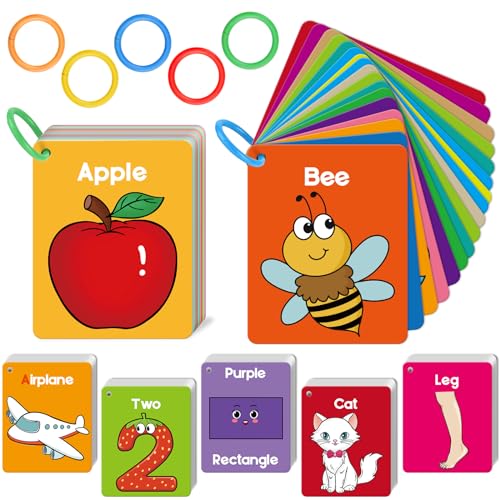
Torlam Toddler Flash Cards Baby Cognitive Flashcards for Kids, Learning Alphabet, Numbers, Shapes & Colors, Animals, First Words, Body Parts, Foods, Preschool Kindergarten Activities Educational Toys
- Includes 60 Double-Sided Cards: Covers alphabet, numbers, shapes, and more
- Vibrant, Child-Friendly Illustrations: Engages children with colorful images and fonts
- Supports Early Learning Skills: Enhances vocabulary, memory, focus, and recognition
As an affiliate, we earn on qualifying purchases.
As an affiliate, we earn on qualifying purchases.
Conclusion
By explaining what you know, you turn your mind into a shining mirror, reflecting your understanding clearly and brightly. This practice isn’t just about sharing knowledge; it’s about carving deep channels in your brain, making learning smoother and faster. When you teach others or even yourself, you solidify ideas like a sculptor chiseling away doubts. Keep explaining, and watch your learning journey flourish like a garden in full bloom—vivid, vibrant, and ever-growing.
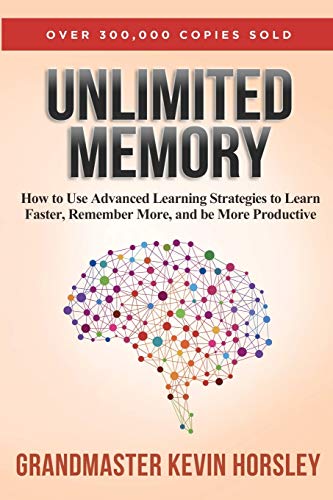
Unlimited Memory: How to Use Advanced Learning Strategies to Learn Faster, Remember More and be More Productive
As an affiliate, we earn on qualifying purchases.
As an affiliate, we earn on qualifying purchases.

The Impactful Special Education Teacher: Empowering Students Through Executive Functioning
As an affiliate, we earn on qualifying purchases.
As an affiliate, we earn on qualifying purchases.