
Citizen science engages communities like yours in environmental monitoring by empowering you to collect and interpret data on water quality, biodiversity, and pollution. Through standardized protocols and technology, your efforts support official efforts and promote awareness. Proper training and data validation establish trustworthy results, while legal considerations safeguard your participation. By continuing, you’ll discover how technology, education, and community-driven actions come together to make a meaningful environmental impact.

Get the little things that make your day delivered free with Prime
- Fast, free delivery on millions of items
- Prime Video, Amazon Music and more included
- Member-only deals all year
Key Takeaways
- Citizen science democratizes environmental monitoring by involving communities in data collection, analysis, and decision-making processes.
- Community participation enhances data coverage, helping identify pollution sources, biodiversity hotspots, and ecosystem health trends.
- Training, standardized protocols, and technology tools ensure data quality and reliability in citizen-led environmental projects.
- Sharing findings fosters awareness, empowers communities, and promotes responsible resource management and conservation actions.
- Future advancements in mobile apps and online platforms will further increase community engagement and the impact of citizen science initiatives.
water quality testing kits for citizen science
As an affiliate, we earn on qualifying purchases.
As an affiliate, we earn on qualifying purchases.
Understanding Citizen Science in Environmental Contexts
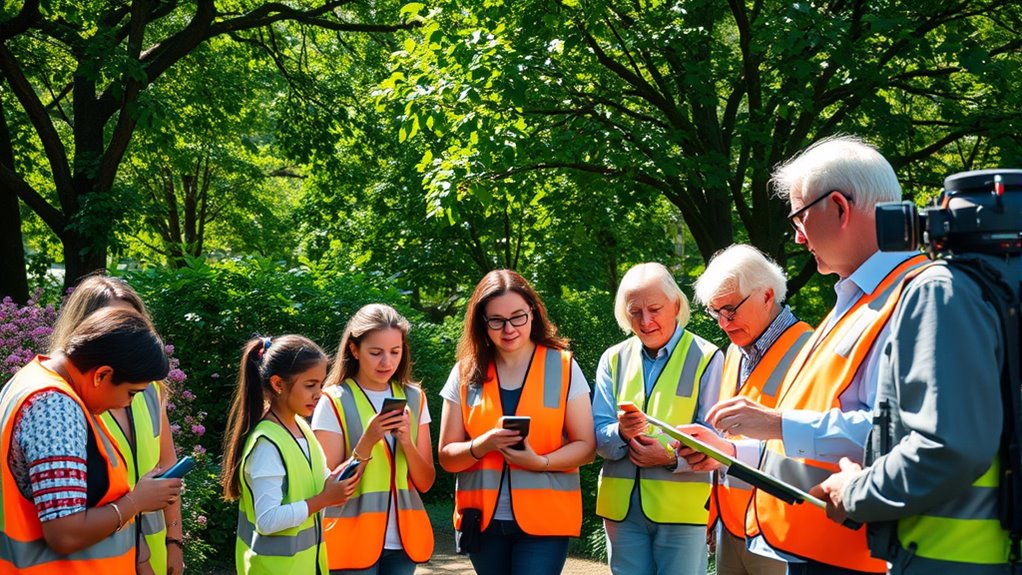
Citizen science plays a pivotal role in environmental contexts by actively involving non-professionals in scientific research. You become part of a broader effort to collect, analyze, and share data about your local environment. This approach democratizes science, making it accessible and relevant to communities. Your participation might include monitoring water quality, tracking biodiversity, or observing pollution levels. It goes beyond just gathering data—you’re helping define research questions and interpret results, giving you a voice in environmental decisions. Citizen science spans individuals and organized groups, working at local to regional scales. By engaging in these activities, you contribute essential information that complements official monitoring efforts, empowering communities to understand and protect their environment more effectively. Integrating multiple filtration methods can enhance data collection related to air quality, ensuring more comprehensive environmental insights.
biodiversity observation mobile apps
As an affiliate, we earn on qualifying purchases.
As an affiliate, we earn on qualifying purchases.
How Citizens Contribute to Water Quality Monitoring
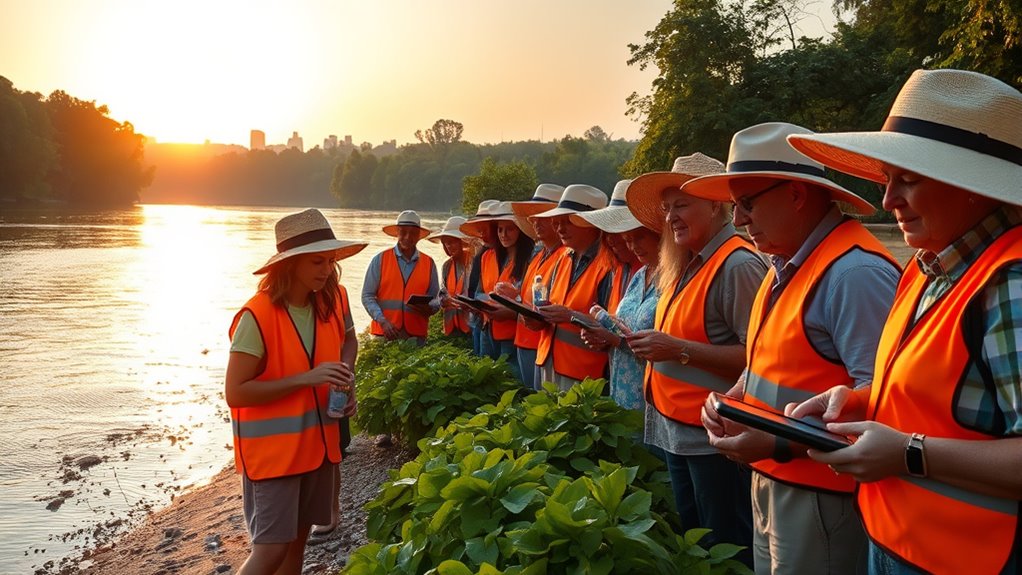
Have you ever wondered how everyday people help keep our water safe and clean? Citizen scientists play a crucial role by collecting water samples, testing for pollutants, and recording data on water clarity, temperature, and pH levels. Using simple testing kits or mobile apps, you can monitor local streams, lakes, or rivers regularly. Your data can help identify pollution sources, track changes over time, and alert authorities to contamination events. By participating, you contribute to a larger dataset that supports water management policies and protects ecosystems. Your observations also raise awareness about water issues within your community, encouraging responsible behavior and stewardship. In this way, your involvement directly impacts water quality assessment and the health of local water resources. Kia Tuning
pollution detection sensors for community monitoring
As an affiliate, we earn on qualifying purchases.
As an affiliate, we earn on qualifying purchases.
Expanding Biodiversity Data Through Community Efforts
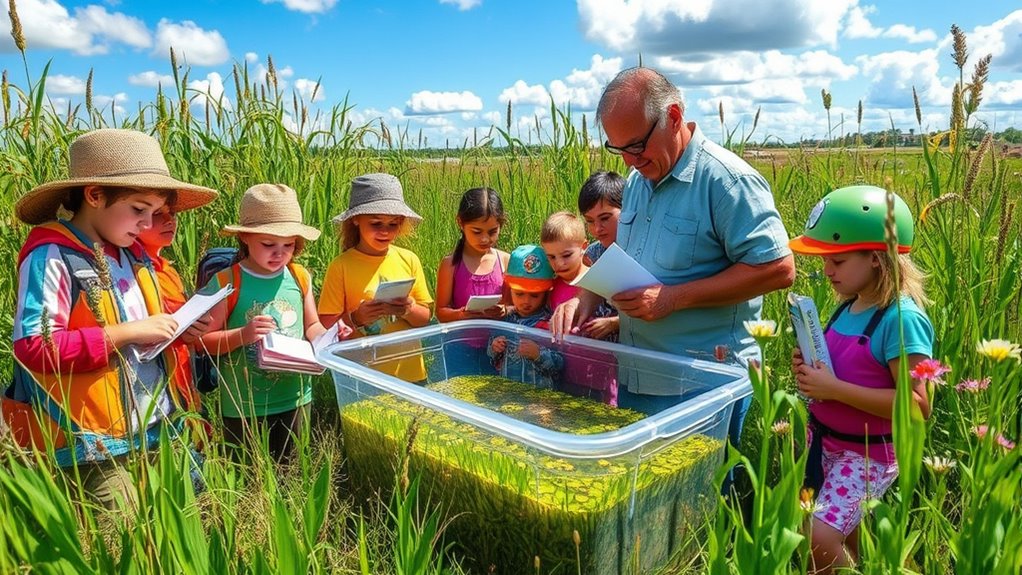
Community efforts substantially expand biodiversity data by enabling large-scale, frequent observations that professional scientists alone cannot achieve. When you participate in citizen science projects, you help document species presence, abundance, and distribution over wider areas and longer periods. This increased coverage allows for more accurate assessments of ecosystem health and species trends. This collective data also helps identify biodiversity hotspots and areas most in need of conservation efforts. Your observations contribute valuable information for conservation planning and policy decisions. By involving local communities, these efforts generate a richer dataset that reveals patterns and changes that might otherwise go unnoticed. additionally, your involvement promotes a sense of ownership and responsibility for local biodiversity. As more people contribute, the collective data becomes a powerful tool for understanding and protecting ecosystems at regional and national levels.
environmental data collection tools
As an affiliate, we earn on qualifying purchases.
As an affiliate, we earn on qualifying purchases.
Building Environmental Awareness and Engagement
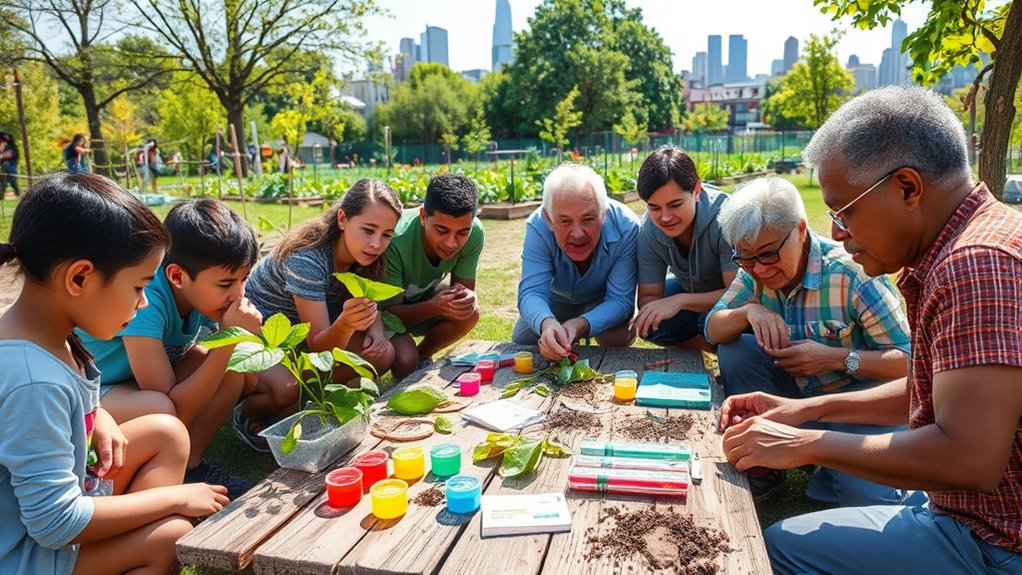
When you participate in citizen science, you help empower your community to take an active role in environmental issues. These projects also boost environmental education, making complex topics accessible and engaging for everyone. By getting involved, you contribute to a stronger, more informed network of environmental stewards. Engaging with vetted resources ensures the information shared is reliable and supports effective action.
Empowering Local Communities
Empowering local communities through citizen science initiatives plays a pivotal role in building environmental awareness and fostering active engagement. When you participate in these projects, you directly contribute to understanding your environment, making issues more tangible and urgent. This hands-on involvement helps you grasp the importance of clean water, healthy ecosystems, and pollution prevention. As you collect and analyze data, you develop a sense of ownership and responsibility for your surroundings. Sharing your findings with neighbors, local leaders, and policymakers amplifies your voice, encouraging positive change. Citizen science transforms passive observers into active stewards, inspiring others to get involved. This collective effort not only raises awareness but also cultivates a community united by a common goal: protecting and improving the environment you depend on every day. Active listening and empathy further enhance collaboration and ensure diverse community voices are heard.
Enhancing Environmental Education
Building environmental awareness and engagement through citizen science transforms passive observers into active learners. When you participate in monitoring water quality or tracking biodiversity, you gain firsthand experience of environmental issues. This active involvement helps you understand the importance of protecting natural resources and recognizes your role in conservation. Citizen science projects in schools or communities foster curiosity, encouraging you to ask questions and seek solutions. Sharing your findings with others amplifies awareness and motivates collective action. As you learn to interpret data and recognize environmental trends, your confidence grows in advocating for policies that improve local ecosystems. This hands-on approach makes environmental education practical, relevant, and inspiring, empowering you to become a proactive steward of your environment. Additionally, understanding the role of projectors in education can enhance presentations and community outreach efforts, further supporting environmental initiatives.
Ensuring Data Quality and Reliability in Citizen Projects
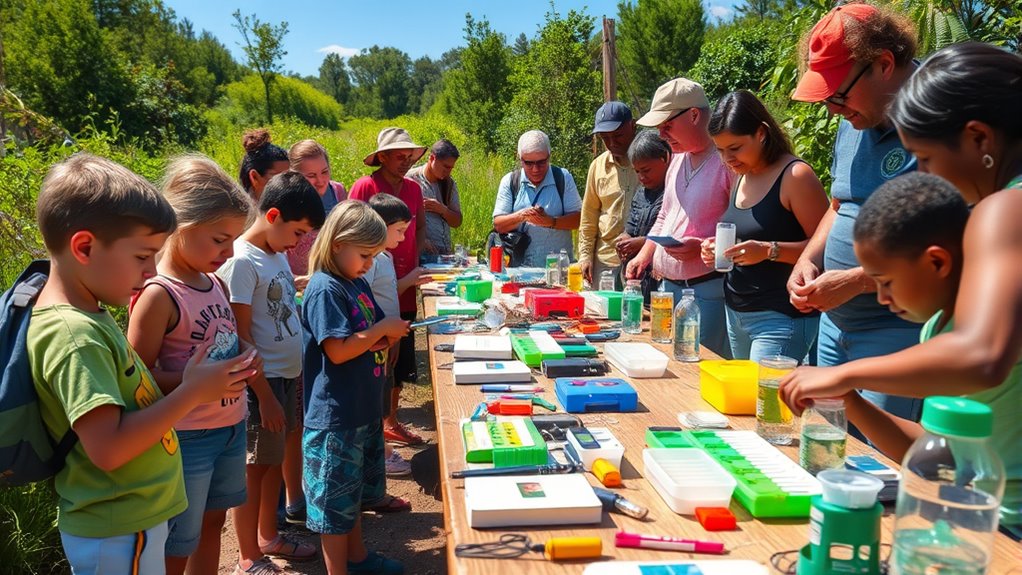
To guarantee the data you collect is trustworthy, effective training and skill development are essential for your volunteers. Implementing standardized protocols helps maintain consistency across different participants and projects. Additionally, establishing data validation processes is vital for catching errors and confirming accuracy before your findings inform decisions. Regular review of procedures ensures ongoing data accuracy and helps adapt methods to new challenges.
Training and Skill Development
Ensuring data quality and reliability in citizen science projects hinges on effective training and skill development. You need to provide clear instructions and practical demonstrations to guarantee participants understand sampling techniques, data recording, and use of tools. Hands-on workshops, online tutorials, and easy-to-follow guidelines help build confidence and competence. Regular feedback and refresher sessions keep skills sharp and address challenges. It’s vital to emphasize the importance of accuracy and consistency, fostering a sense of responsibility. By investing in training, you enable volunteers to collect high-quality, reliable data that can be confidently used for environmental assessments. Well-trained participants are more engaged, motivated, and better equipped to contribute meaningful insights, strengthening the overall integrity and impact of your citizen science efforts. Developing analytical thinking skills is also crucial for interpreting data correctly and making informed conclusions.
Standardized Protocols Implementation
Implementing standardized protocols in citizen science projects is essential for collecting high-quality, reliable data. Clear guidelines guarantee consistency across participants, making data comparable and useful. To achieve this, you should focus on: 1. Providing detailed instructions for sample collection and measurement techniques. 2. Training volunteers to follow protocols accurately through workshops or digital tutorials. 3. Using standardized tools and instruments to minimize variability. 4. Regularly reviewing data submissions and offering feedback to correct errors. Consistent application of Honda Tuning principles ensures that data collected across different locations remains accurate and meaningful.
Data Validation Processes
Validating data in citizen science projects is essential for maintaining accuracy and trustworthiness. You need clear protocols and training to minimize errors during data collection. Incorporate validation steps like cross-checking submissions, flagging inconsistent data, and using automated quality controls in digital tools. Expert review plays a crucial role; professionals can verify and calibrate citizen-generated data, ensuring it meets scientific standards. Regular feedback and retraining help participants improve their methods over time. Establishing standardized procedures allows for consistent data quality across different projects and regions. Technology, like mobile apps with built-in validation features, simplifies this process. Additionally, understanding the signs of spoilage in collected data can further improve its reliability. Ultimately, rigorous validation boosts data reliability, making citizen science findings credible and useful for informing environmental decisions and policy.
Legal and Policy Considerations for Citizen-Collected Data
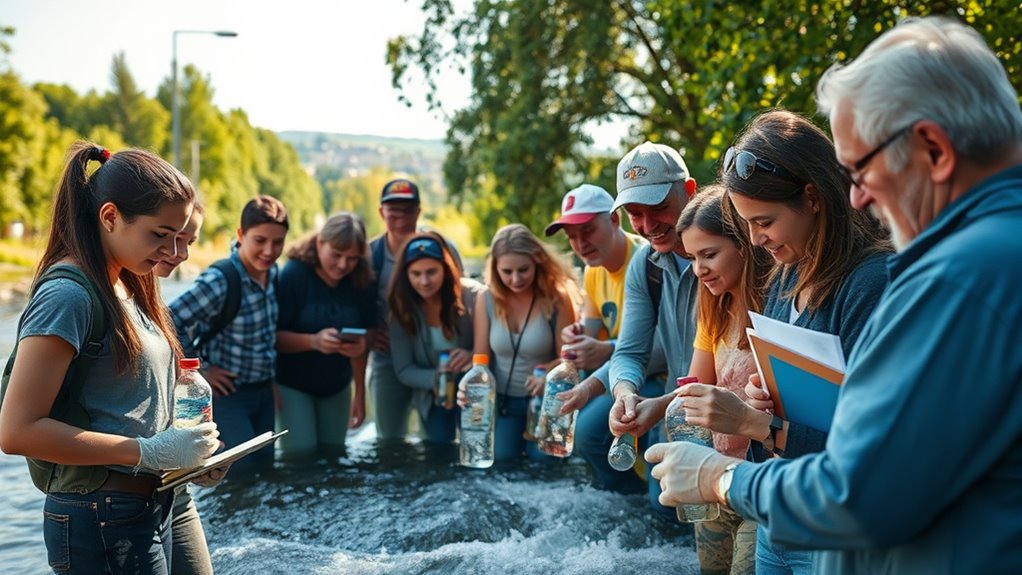
Legal and policy considerations play a crucial role in determining how citizen-collected data can be used for environmental monitoring and decision-making. You need to understand the regulations that govern data collection, ownership, and sharing to guarantee your efforts are compliant. Here are four key points to think about:
- Data Privacy and Consent — Protect participant information and obtain necessary permissions.
- Data Ownership — Clarify who owns the data and how it can be shared or published.
- Regulatory Standards — Follow local, national, and international laws affecting environmental data use.
- Legal Validity — Ensure your data meets quality standards for official reporting or policy influence.
Being aware of these factors helps you contribute effectively while safeguarding legal interests and maximizing your impact.
Leveraging Technology to Support Citizen Science Initiatives
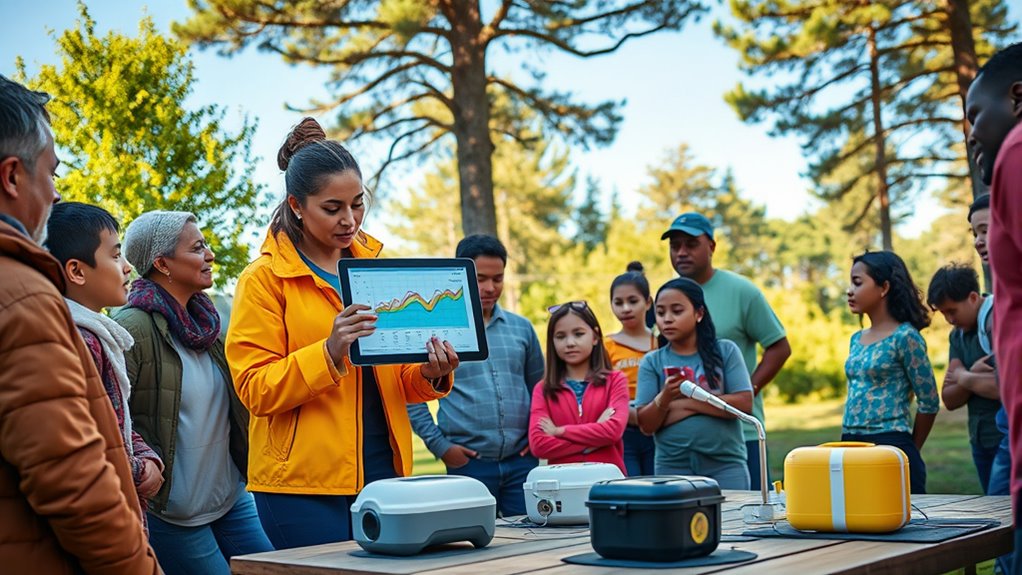
Technological tools have become essential in enhancing the effectiveness and reach of citizen science projects. You can now use smartphones, tablets, and portable sensors to collect high-quality environmental data easily. Mobile apps streamline data entry, guaranteeing consistency and reducing errors, while GPS features help precisely record locations. Online platforms enable real-time data sharing and collaboration among participants and professionals. Social media and community forums foster engagement, encouraging knowledge exchange and motivation. Data visualization tools transform raw data into accessible maps and charts, making results understandable and actionable. Cloud storage guarantees secure data management and broad accessibility. These technologies break down barriers, allowing you to participate more effectively, contribute to large datasets, and influence environmental policies through timely, accurate information.
Strengthening Community-Driven Conservation Actions
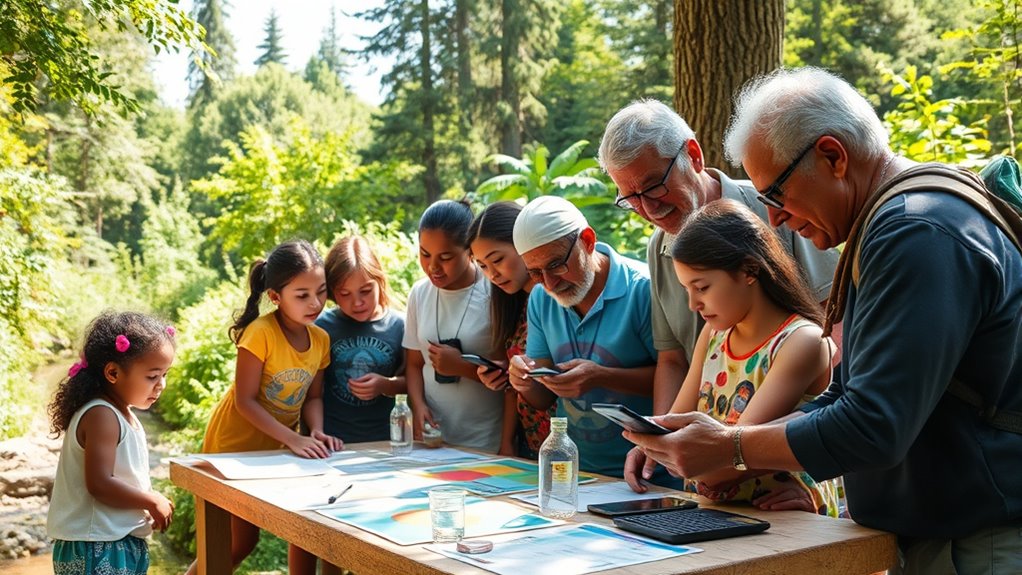
Community-driven conservation actions gain strength when local residents actively participate in identifying environmental issues, implementing solutions, and monitoring progress. Your involvement helps guarantee efforts address real local challenges and foster a sense of ownership. To boost these actions, consider:
- Educating community members about local environmental concerns and best practices.
- Facilitating workshops that develop skills in data collection, analysis, and advocacy.
- Supporting local leadership to champion conservation initiatives.
- Creating accessible platforms for sharing results and coordinating efforts.
Future Perspectives and Opportunities in Citizen Science

The future of citizen science holds significant promise for enhancing environmental monitoring and fostering more inclusive governance. Advances in technology, such as smartphones, sensors, and data platforms, will make participation easier and more widespread. You’ll see increased integration of citizen-collected data into official policies, improving transparency and accountability. Additionally, global collaborations will expand, allowing communities worldwide to share insights and address common challenges. Opportunities also lie in tailored educational programs that build skills and trust. As you participate, your contributions will become more precise and impactful. The table below highlights key future prospects:
| Innovation | Impact | Example |
|---|---|---|
| Mobile Apps | Increased accessibility | Real-time water quality alerts |
| Data Platforms | Better data sharing | Global biodiversity databases |
| Education Programs | Skill development | School-based citizen science |
Frequently Asked Questions
How Can I Start a Citizen Science Project in My Community?
To start a citizen science project in your community, first identify an environmental issue you’re passionate about, like water quality or biodiversity. Gather interested neighbors, schools, or local groups to form a team. Develop clear goals and simple protocols for data collection, and use digital tools or apps to facilitate sharing. Reach out to local organizations or experts for support, and promote your project through community events or social media to boost participation.
What Training Is Needed for Accurate Environmental Data Collection?
You need to provide clear training on proper data collection methods, safety protocols, and use of tools or apps. Teach participants how to record accurate measurements, identify environmental indicators, and follow standardized procedures. Offer hands-on practice sessions, visual guides, and ongoing support to guarantee consistency. Emphasize the importance of data quality, proper documentation, and understanding the purpose behind their efforts to gather reliable, useful environmental information.
How Is Citizen Science Data Used in Official Environmental Policies?
You’ll see citizen science data used in policy when it’s collected reliably and validated through proper protocols. Authorities incorporate this data to monitor compliance, identify pollution hotspots, and assess ecosystem health. Your community’s contributions can influence regulations, support enforcement actions, and shape environmental decisions. By sharing accurate, well-documented information, you help policymakers make informed choices, ensuring environmental protections are based on thorough, real-world data gathered directly from those impacted.
What Tools or Technologies Are Most Effective for Citizen Monitoring?
The most effective tools for citizen monitoring are smartphones, mobile apps, and online platforms—these are your superpowers! They turn everyday devices into precision instruments for data collection, making monitoring easier, faster, and more accurate than ever. With real-time uploads and built-in validation features, you can spot pollution, track species, and report issues instantly. These technologies empower you to become a frontline defender of the environment with just a few taps.
How Can Diverse Communities Be Encouraged to Participate in Citizen Science?
You can encourage diverse communities to participate in citizen science by making projects accessible and inclusive. Use simple tools and technology, offer training, and communicate the benefits clearly. Engage local leaders and organizations to build trust and relevance. Show how their involvement directly impacts their environment. Provide incentives and create fun, community-based activities. By respecting cultural differences and addressing barriers, you foster a sense of ownership and motivate ongoing participation.
Conclusion
By stepping into the world of citizen science, you become a essential brushstroke in the vibrant canvas of environmental preservation. Your efforts turn individual actions into a powerful tide that shapes policy, safeguards ecosystems, and sparks awareness. Embrace the opportunity to be a guardian of nature’s stories, because when communities unite, their collective voice becomes a mighty river, carving lasting change and nurturing a greener, healthier planet for generations to come.
NFL season / tailgating Picks
team gear
As an affiliate, we earn on qualifying purchases.