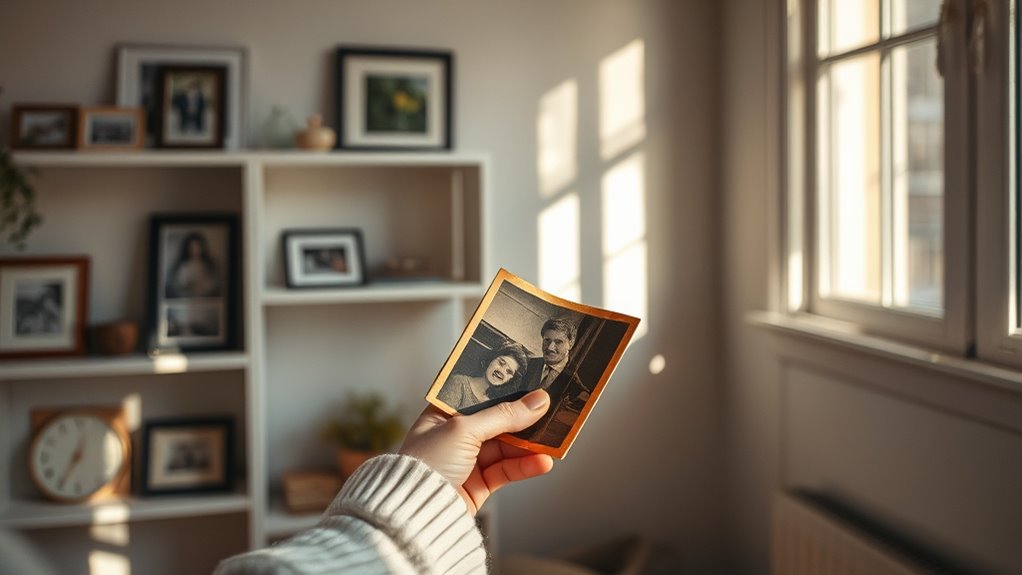

Letting go of sentimental clutter is about preserving your memories without holding onto unnecessary stuff. Focus on what truly brings joy or meaning today, and find creative ways to display or store these items. Visualize your space free of excess, making room for current passions and growth. Recognize that memories reside in your mind, not just objects. To learn practical strategies for balancing memory keeping with decluttering, explore further guidance that’s available.

Get the little things that make your day delivered free with Prime
- Fast, free delivery on millions of items
- Prime Video, Amazon Music and more included
- Member-only deals all year
Key Takeaways
- Assess emotional value to distinguish keepsakes worth preserving from items to let go.
- Use digital methods like scanning photos to preserve memories without physical clutter.
- Create meaningful displays or memory zones to honor important keepsakes while maintaining organization.
- Focus on current interests and values to select items that truly reflect your present self.
- Practice mindful decision-making and visualize the benefits of decluttering for emotional relief and space.
Understanding the Emotional Ties to Sentimental Items

Understanding why you hold onto sentimental items requires recognizing the emotional connections they represent. These possessions often symbolize memories, milestones, or loved ones, making them feel essential to your identity. You might cling to a childhood toy or an old gift because it reminds you of happier times or important relationships. Holding onto these items provides comfort and continuity amid life’s changes. Additionally, many sentimental objects serve as tangible memory anchors that help preserve your personal history. However, these attachments can also make it hard to declutter, as you associate the objects with feelings of love, nostalgia, or guilt. Recognizing that these emotions are tied to the memories, not the physical items themselves can help you detach meaningfully. By understanding this connection, you take the first step toward preserving your memories without being overwhelmed by unnecessary possessions.
Recognizing the Psychological Impact of Clutter on Well-Being

Clutter doesn’t just clutter your space; it also takes a toll on your mental health and overall well-being. When your environment is overwhelmed with possessions, it can increase your stress, heighten anxiety, and make it harder to focus. You might notice that your sleep suffers or that you feel constantly overwhelmed, even if you’re not aware of it. Visualize:
- A chaotic room where your eyes dart from one item to another, feeling trapped.
- A cluttered desk that hinders your ability to concentrate or get work done.
- A home filled with piles of unused belongings, creating emotional weight and frustration.
These signs indicate how clutter impacts your mood and mental clarity. Recognizing this connection is the first step toward creating a healthier, more peaceful space that supports your well-being. Engaging in mindful decluttering can also help you prevent clutter buildup and maintain a more organized environment over time.
The Role of Age and Life Transitions in Clutter Perception

As you age, your attachment to possessions often shifts, influencing how you perceive clutter. Older adults may see clutter as part of their identity, making it less disruptive, while younger people find it more stressful. Understanding these differences can help you approach decluttering in a way that respects your changing relationship with your belongings. Recognizing the role of color accuracy and how it impacts visual perception can also influence how you organize and present your space to feel more inviting and manageable.
Changing Attachment to Possessions
As people age and experience different life changes, their attachment to possessions often shifts, shaping how they perceive and manage clutter. You might find that what once held deep sentimental value now feels less essential. Life events, like retirement or children moving out, can alter your connection to belongings, making it easier to let go. Imagine:
- Revisiting childhood belongings and feeling more nostalgic than attached
- Downsizing after retirement, focusing on meaningful items rather than quantity
- Recognizing that possessions represent memories rather than defining your identity
- Understanding the importance of emotional attachment in how you relate to your possessions
These changes often help you see clutter differently, prioritizing emotional well-being over accumulation. Your evolving perspective allows you to preserve memories without holding onto unnecessary stuff, fostering a sense of freedom and peace in your home.
Aging and Clutter Tolerance
With age, many people find their perspective on possessions shifts, influencing how they handle clutter. As you grow older, you may see clutter less as a problem and more as a part of your identity or life story. Life shifts, like retirement or downsizing, often change what you value and how much space you need. Older adults tend to experience greater satisfaction and a sense of psychological home despite clutter, because possessions become symbols of memories and self-identity. You might tolerate more clutter because it reflects your experiences and history. Recognizing how age influences your perception can help you approach decluttering with compassion and tailored strategies that respect your evolving relationship with possessions. Additionally, understanding the role of life transitions can provide insight into why your clutter tolerance may increase over time.
Strategies for Differentiating Memories From Unnecessary Items

To start separating meaningful memories from unnecessary items, you need to assess their emotional value honestly. Setting clear criteria for what to keep helps you make confident decisions, avoiding clutter buildup. Creating designated memory displays allows you to honor important keepsakes without feeling overwhelmed by possessions. Incorporating mindfulness practices can also enhance your ability to recognize the significance of each item and foster mental clarity.
Assess Emotional Value
Evaluating the emotional value of your possessions is essential when deciding what to keep or discard. You need to ask yourself whether an item genuinely brings joy, comfort, or meaningful memories. Consider how often you interact with it and if it truly represents a special moment. Using goal setting techniques can also help clarify which possessions align with your personal growth and well-being. To help visualize, think about:
- A worn but treasured childhood blanket that sparks warm memories every time you see it
- An unopened gift from a loved one that reminds you of their kindness
- A collection of souvenirs from trips that no longer inspire feelings but clutter your space
Focus on whether these items serve a purpose beyond nostalgia. If they do, keep them. If not, gently let go to create a more intentional, clutter-free environment.
Set Clear Criteria
Establishing clear criteria helps you distinguish between meaningful memories and unnecessary clutter. Decide what items genuinely evoke emotion or tell your story. Use a consistent standard to evaluate each possession, making the decision process easier and less overwhelming. Consider factors like frequency of use, sentimental significance, and relevance to your current life. The table below illustrates common criteria:
| Keep | Discard |
|---|---|
| Items used regularly | Items seldom or never used |
| Items with strong emotional meaning | Items with weak or no sentimental value |
| Items that reflect current interests | Outdated or irrelevant items |
| Items easily stored/displayed | Bulky or difficult-to-keep items |
| Items that contribute positively to your space | Items that create clutter or stress |
Setting these criteria streamlines decluttering and helps preserve what truly matters. Hackathons can serve as creative outlets for repurposing or transforming sentimental items into meaningful projects.
Create Memory Displays
Creating memory displays allows you to celebrate meaningful moments while minimizing clutter. Instead of keeping every keepsake, choose a few special items to showcase. This helps you honor your memories without overwhelming your space. Incorporating vintage decor elements can add a nostalgic touch to your displays, enhancing their sentimental value. You might create a framed collage of photos from a favorite trip, turning scattered prints into a single visual story. Or, display a carefully curated shelf with meaningful mementos, like a cherished souvenir or a handwritten note. Consider using a shadow box to preserve and highlight small treasures, such as a lock of hair or a medal. These displays transform clutter into intentional, beautiful reminders of your life’s milestones.
Practical Tips for Mindful Decluttering of Sentimental Belongings

When decluttering sentimental belongings, approaching the process mindfully can make a significant difference in how you handle emotionally charged items. Start by setting clear intentions, focusing on what truly matters. Create a sorting system: keep, donate, or discard. Ask yourself if each item sparks joy or serves a meaningful purpose. Limit decision time to prevent overwhelm. Use a designated space for sentimental items to review later. Take photos of items before letting them go to preserve memories digitally. Remember, it’s about keeping memories, not stuff. Being aware of electric bike capabilities can inspire you to choose meaningful ways to preserve memories through experiences rather than material possessions.
Overcoming Emotional Barriers to Letting Go

Letting go of sentimental belongings can be emotionally challenging because these items often symbolize memories, identity, or unfinished stories. You might fear losing a connection to the past or worry that discarding items means forgetting meaningful moments. To overcome these barriers, recognize that memories live in your mind, not just objects. Visualize letting go as clearing space for new experiences and growth.
- Imagine a box of old letters transforming into a digital photo album, preserving memories without clutter.
- Picture your favorite keepsakes displayed meaningfully, rather than hidden away in drawers or boxes.
- Feel the relief and freedom of decluttering, making room for present joys and future adventures.
Creating a Space That Reflects Your Current Self

As you work through letting go of sentimental belongings, it’s important to contemplate how your space can better reflect who you are now. Your environment should support your current interests, values, and goals, rather than holding onto items that no longer serve you. Start by removing clutter and creating designated areas for things that genuinely bring you joy or purpose today. Use colors, furniture, and décor that resonate with your personality and current lifestyle. This process helps you feel more grounded and authentic in your space. Remember, your environment influences your mood and productivity, so shaping it to mirror your present self fosters growth, clarity, and well-being. Let your space be a reflection of who you are today, not who you were yesterday.
Sustaining a Clutter-Free Environment While Honoring Memories

Balancing the desire to keep meaningful memories with the goal of maintaining a clutter-free space requires intentional strategies. First, create designated memory zones, like a small photo wall or a keepsake box, to contain sentimental items. Second, digitize memories—scan photos, record stories, or save digital albums—reducing physical clutter while preserving emotional connections. Third, regularly review and reassess your collection, asking if each item truly holds significance. Visualize a cozy corner with framed photos, a neatly organized scrapbook, or a minimalist display of cherished objects. These approaches help you honor your memories without overwhelming your space. By intentionally curating your sentimental belongings, you maintain a peaceful, clutter-free environment that still reflects your meaningful experiences.
Frequently Asked Questions
How Can I Honor Memories Without Keeping Physical Items?
You can honor memories by creating a digital scrapbook or photo album, capturing stories behind each item. Share stories with loved ones or record voice messages reminiscing about special moments. Display meaningful items temporarily or transform them into art or keepsakes like quilts. Write letters or journal about your feelings and memories. This way, you preserve the emotional significance without cluttering your space, making memories accessible and cherished.
What Are Signs I’m Emotionally Attached to Clutter?
You’re emotionally attached to clutter when you struggle to discard items despite knowing they no longer serve a purpose. If you feel guilt, sadness, or anxiety when thinking about letting go, that’s a sign. You might also hold onto things out of fear of forgetting memories or because you believe their loss diminishes your past. These feelings indicate a deep emotional connection, making it harder to declutter without addressing these attachments.
How Does Clutter Affect My Mental Health Long-Term?
Clutter can harm your mental health long-term by increasing stress, anxiety, and feelings of being overwhelmed. It can disrupt your sleep, reduce focus, and make you feel less in control of your environment. Over time, this can lead to mood disorders, lower life satisfaction, and social isolation. Maintaining clutter might seem harmless, but it gradually wears down your emotional well-being, making it harder to feel relaxed and happy at home.
When Is It Time to Let Go of Sentimental Belongings?
You’ll know it’s time to let go of sentimental belongings when they no longer spark joy or serve a meaningful purpose in your life. If holding onto certain items feels more like a burden than comfort, and they clutter your space or mind, it’s a sign to release. Remember, preserving memories doesn’t mean keeping everything; it’s about cherishing what truly enriches your life now.
How Can I Prevent Clutter From Reaccumulating After Decluttering?
To prevent clutter from reaccumulating, set clear boundaries for new items and regularly review what you own. Make it a habit to declutter periodically, and be mindful of purchases—ask yourself if each item truly adds value. Use storage solutions that keep things organized and accessible. Staying disciplined with these routines helps you maintain a clutter-free space and keeps your home feeling calm and manageable.
Conclusion
By letting go of clutter, you create space for new memories and growth. It’s about cherishing the essence of your past without being weighed down by every keepsake. While letting go can stir emotions, freeing yourself from unnecessary items allows you to embrace the present fully. Remember, true memories live in your heart, not in piles of stuff. You’re not losing your past—you’re making room for your future.
Halloween Picks
halloween
As an affiliate, we earn on qualifying purchases.