
TL;DR

Get the little things that make your day delivered free with Prime
- Fast, free delivery on millions of items
- Prime Video, Amazon Music and more included
- Member-only deals all year
Marc and Angel Hack Life published an essay on Nov. 8, 2026, addressing moments when people feel they are not “good enough.” It shares a parable about a leaking bucket that waters flowers along a path, framing perceived flaws as something readers may judge differently; the essay offers personal reflection, not clinical guidance or research findings.
Marc and Angel Hack Life published an essay on Nov. 8 for readers who sometimes feel “not good enough,” pairing a reader’s account of low self-confidence with a parable about a bucket whose leaks water flowers along a path. The authors present the story as a prompt to reconsider perceived flaws, rather than as a report of research or a clinical treatment.
The essay opens with an excerpt from an email sent by a new reader, shared with that person’s permission, according to the authors. The email writer describes going through difficult times, struggling with confidence despite being “a reasonably successful person,” and feeling that personal flaws made them undesirable. The article does not identify the reader or provide details about their circumstances.
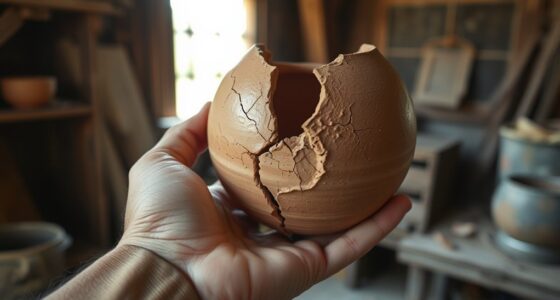
Marc and Angel then tell a story about an elderly woman who carries two buckets from a river to her cottage. One bucket is intact; the other has cracks and loses about a third of its water on the way. The cracked bucket apologizes and offers to be replaced. The woman says she knew about the leaks and planted flowers along the route, which the leaking water has helped grow.
The authors use the parable to argue that people can reconsider how they interpret their imperfections. They write that feeling good enough depends in part on “how we personally judge the cracks in our own bucket.” The article also points to pressure around jobs, relationships, homes and age-based expectations as possible sources of self-doubt, and says building a sense of worth takes practice.
Reframing Perceived Personal Flaws
The essay addresses a familiar form of self-doubt: interpreting difficulty or imperfection as proof of personal inadequacy. Its parable offers a simple alternative perspective, suggesting that traits people see as shortcomings may also have effects they do not recognize. That is an invitation to reflect, not evidence that every painful experience has a positive outcome.
For readers facing social pressure to reach particular milestones, the article’s message is that a person’s worth should not be measured only against expectations about work, relationships or possessions. The authors describe self-confidence as something that takes practice. They do not provide a specific exercise, assessment or promise that changing one’s perspective will resolve distress.
Products Worth Considering

Oral-B iO Series 3 Rechargeable Electric Toothbrush for Adults, Black, 3 Modes, 2 Brush Heads and Travel Case

Bowflex SelectTech 840 Adjustable Kettlebell

Philips Sonicare ProtectiveClean 5300 Rechargeable Electric Toothbrush with 3 Brush Heads, Black
As an affiliate, we earn on qualifying purchases.
A Reader’s Note Becomes a Parable
The authors say they are sharing the email excerpt with permission and describe having heard similar concerns from readers, clients and people attending their live events over 16 years. That history is presented as their own account; the article supplies no survey or other data measuring how common these feelings are.
The piece follows a personal-growth essay format: it begins with an individual’s words, develops a moral story and closes by asking readers to reflect and comment. Marc and Angel also invite readers to sign up for their free newsletter. The published material does not identify a new program, policy, study or service arising from the essay.
“I just don’t feel good enough. I feel flawed.”
— The reader whose email excerpt appears in the essay
Limits of the Essay’s Advice
The article is a personal-growth essay, and the source material provides no study, expert assessment or evidence that the parable changes readers’ self-confidence. The authors do not explain how to distinguish a useful change in perspective from circumstances that may need practical support or professional care.
The reader’s identity and situation remain private, and the authors give no further details about the difficult period described in the email. It is also unclear how readers responded to the essay; the source asks for comments but includes no reader feedback or outcome data.
Reader Responses and Future Essays
The essay invites readers to leave comments about the story and offers a free newsletter for updates. The source material does not announce a follow-up article, event or other scheduled development, so any next steps beyond those invitations are unknown.
Readers can take the parable as a prompt to notice how they judge their own perceived flaws, while recognizing that the essay is not a substitute for individualized mental-health support. Marc and Angel do not claim that the story will resolve persistent or severe distress.
Key Questions
What did Marc and Angel publish?
They published a personal-growth essay on Nov. 8, 2026, about feeling “not good enough.” It combines an email excerpt shared with permission and a parable about a cracked, leaking bucket.
What is the cracked-bucket story about?
A bucket leaks water on the path from a river to a cottage. The owner explains that the water has helped flowers grow along the route, giving the bucket a different way to understand its imperfection.
Does the article offer scientific evidence or therapy?
No. The piece is a personal-growth essay using a parable and advice from its authors. The supplied material does not cite research or describe a clinical treatment.
What pressures does the essay connect with self-doubt?
The authors mention expectations from peers, family, work and society, including ideas about having the “right” job, relationship or home by a particular age. These are examples offered in the essay, not findings from a study.
What happens after publication?
The authors invite readers to comment and sign up for their free newsletter. The source does not specify a follow-up article or other scheduled event.
Source: marcandangel.com