🔍 Read the full analysis: A Week Of AI Lab News: 10 Moves To Catch Up On on ThorstenMeyerAI.com

Get the little things that make your day delivered free with Prime
- Fast, free delivery on millions of items
- Prime Video, Amazon Music and more included
- Member-only deals all year
TL;DR
A Nov. 2–8 roundup from ThorstenMeyerAI.com describes ten developments across seven AI labs, including agent memory research, science and coding tools, model-weight releases and changes to ChatGPT usage limits. Many performance figures come from the companies’ own tests, and the source says three initially considered items were excluded after checks did not substantiate them.
The roundup’s central theme is AI agents that retain information across sessions. It describes work from Anthropic, Meta and SpaceXSI, identified in the source as formerly xAI. Anthropic’s Nov. 6 engineering post outlined a memory system with transcripts, model-written notes, larger linked structures such as wikis, and a compact block loaded at the start of a session. The post also describes a review process called “dreaming” that revisits older logs and updates memory.
Anthropic reported that memory raised Opus 5.5’s mean reward from 0.655 to 0.838 on one database task. Those are results from the company’s own test, not an independent benchmark. The source says Claude Code’s memory file is limited to its first 200 lines or 25 KB, illustrating that persistent memory also involves decisions about what information fits and remains accurate.
Other items in the supplied material concern research and access. Anthropic described using Claude in a project investigating bacterial vault particles, while also listing errors researchers had to catch. Cognition introduced SWE-2 Flash but said its weights would not initially be public, citing potential security risks. Moonshot AI published Kimi K3.1 Pro’s weights on Hugging Face under its own license. The roundup also says Google’s video model produces 15-second clips at $0.07 per second, OpenAI’s image model can create animated GIFs, and ChatGPT and Codex will share an allowance on Plus, Pro and Business plans starting in December.
A week of AI lab news 10 moves to catch up on
A Nov. 2–8 roundup tracks developments in agent memory, research, coding tools, model access and product rules. Its figures are largely company-reported, not independently verified.
Memory across sessions
Persistent memory may help agents carry project context forward, while requiring people to review what gets saved.
Anthropic described transcripts, notes and linked structures such as wikis.
A smaller memory block is brought into a new session.
A process called “dreaming” revisits older logs and updates memory.
Access comes with conditions
Model weights and research tools differ in availability, terms and safeguards.
- SWE-2 Flash weights are not public yet.
- The company cited security concerns and described trusted-partner access as in development.
- Kimi K3.1 Pro weights were published on Hugging Face.
- They are offered under the company’s own license.
Product changes affect planning
Pricing and usage rules can shape budgets and everyday workflows.
Google model clips
The roundup reports 15-second clips at $0.07 per second.
Animated GIFs
OpenAI’s image model can create animated GIFs.
One shared allowance
ChatGPT and Codex allowances for Plus, Pro and Business plans are set to be shared starting in December.
Read the evidence carefully
The roundup says it checked included items against lab posts, documentation or code, but checks do not make company results independent evidence.
- Anthropic reported memory-task reward rising from 0.655 to 0.838 in its own test.
- The vault-particle preprint was not yet public; the account also describes errors researchers caught.
- Three initially considered items were excluded after checks did not substantiate them.
- Full protocols and independent replication were not provided for the reported figures.
Memory, Access and Usage Rules
Taken together, the items point to product decisions that affect how people use AI, not just model performance. Persistent memory could make assistants more useful across ongoing projects, but it also creates a need to review stored information and correct mistakes. The source’s account of Anthropic’s lab work similarly stresses that researchers checked AI-assisted steps and caught errors.
The model releases show that “open” can describe different levels of access. Cognition’s model is built on an open-weight model but its own weights are being withheld for now; Moonshot’s weights are available under a company-specific license. For developers and businesses, the practical questions include whether weights can be downloaded, what the terms permit, and what safeguards apply.
Changes to video pricing and shared product allowances also affect budgeting and workflow planning. But the supplied report does not establish independent cost comparisons or broad real-world performance. Its figures are best read as lab-reported signals, not proof that the same outcomes will hold for every user.
Products Worth Considering

Garmin Forerunner 165 GPS Running Smartwatch, 43 mm, Black
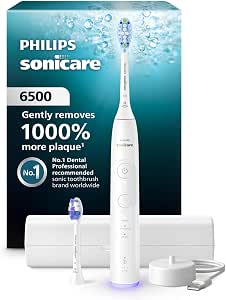
Philips Sonicare 6500 Series Rechargeable Electric Toothbrush with 2 Brush Heads, White

Philips Sonicare ProtectiveClean 5300 Rechargeable Electric Toothbrush with 3 Brush Heads, Black
As an affiliate, we earn on qualifying purchases.
What the Weekly Roundup Checked
The roundup covers activity dated Nov. 2–8, 2026, and says each included item was checked against a primary source such as a lab announcement, documentation or code. It identifies Anthropic and OpenAI among the companies covered and states that neither reviewed nor sponsored the report.
The source also says three items on its initial list did not survive its verification process. It does not identify those three items in the supplied material, so their claims cannot be assessed here. The described Anthropic science project remains preliminary: its preprint had been submitted but was not yet public, according to the roundup.
Some of the most specific figures in the report are attributed to the companies themselves. These include model benchmark scores, memory results, pricing and reported scientific outcomes. Such figures can describe what a lab says happened under its test conditions, but the supplied material does not provide independent replication or enough detail to compare every result directly.
““Read one at a time, each looks like a product update. Read together, they show where the labs are heading.””
— ThorstenMeyerAI.com, in its Nov. 8 roundup
What the Company Tests Cannot Show
The supplied material does not include independent verification of the companies’ reported benchmarks, prices or performance claims. It also does not give the full test protocols needed to judge how comparable the results are across labs. The roundup itself cautions that figures such as memory scores and time saved come from company-run tests.
Several details remain open. Anthropic’s vault-particle preprint was not yet public, and the source says researchers identified a protocol error and a map that blended with its mirror image. Cognition’s trusted-partner access program was still being built, with no further terms provided. The roundup does not specify the full conditions for the December shared ChatGPT and Codex allowance, including how the common meter will work for individual plans.
The supplied source material is also incomplete: it ends partway through its discussion of Moonshot’s release and does not provide full descriptions of all ten moves. It names some additional developments but not enough detail to report each as a fully sourced item. No unsupported specifics about the missing announcements are included here.
The Next Checks for Users
Readers can look for Anthropic’s public preprint and any follow-up explaining the lab’s methods and corrections. Cognition’s next stated step is a trusted-partner program for SWE-2 Flash weights; its eligibility rules and timing were not given in the supplied report.
Moonshot’s model card and license are the immediate references for developers considering Kimi K3.1 Pro. Users of ChatGPT and Codex will need to check plan documentation as the shared allowance takes effect in December. Further independent testing will be needed to determine how the reported scores, pricing and capabilities translate into real-world use.
Key Questions
What does the roundup cover?
It summarizes 10 AI lab developments from Nov. 2–8, 2026, including agent memory, scientific research, coding tools, model weights, video and product usage rules.
Are the reported benchmark results independently verified?
Not in the supplied material. The roundup says many figures come from the companies’ own tests and should be treated as self-reported results, not independent confirmation.
What is the difference between Cognition and Moonshot’s weight releases?
Cognition said it was withholding SWE-2 Flash’s weights from the public for security reasons while working on trusted-partner access. Moonshot published Kimi K3.1 Pro’s weights under its own license, rather than a standard open-source license.
When will ChatGPT and Codex share an allowance?
The roundup says the shared allowance for Plus, Pro and Business plans starts in December 2026. It does not give the full usage rules or meter details.
Source: ThorstenMeyerAI.com