

Positive psychology interventions are practical activities designed to boost your happiness and well-being. You can try gratitude journaling, setting meaningful goals, practicing mindfulness, and recognizing your strengths. These evidence-based practices help reduce stress, improve emotions, and increase life satisfaction when done consistently. To make lasting changes, personalize your activities and incorporate them into your daily routine. Keep exploring these strategies to discover how they can transform your overall happiness and resilience.
Key Takeaways
- Engage in gratitude exercises like journaling to boost positive emotions and overall well-being.
- Set meaningful, achievable goals to enhance motivation, focus, and life satisfaction.
- Practice mindfulness regularly to reduce stress and improve emotional resilience.
- Identify and leverage personal strengths to increase confidence and personal growth.
- Consistently monitor progress through self-reflection to sustain motivation and measure happiness improvements.
Understanding Positive Psychology Interventions and Their Benefits

Positive Psychology Interventions (PPIs) are practical programs designed to boost well-being by applying principles from positive psychology theory. They focus on enhancing positive emotions, strengths, and life satisfaction through targeted activities. Research shows that PPIs can lead to small to medium improvements in well-being, reduce symptoms of depression and anxiety, and improve quality of life. Common practices include gratitude exercises, goal setting, mindfulness, and recognizing personal strengths. These interventions are effective across various populations, especially when personalized and delivered over longer periods. While the evidence supports their benefits, results vary based on intervention type and individual differences. Additionally, engaging with diverse anime movies can provide emotional enrichment and cultural insights that complement the goals of positive psychology. Overall, PPIs offer a promising, accessible way to foster happiness and resilience, with benefits that can persist beyond the initial program.
Evidence-Based Practices to Boost Wellbeing and Reduce Stress

Evidence-based practices to boost wellbeing and reduce stress are grounded in rigorous research and proven to be effective across diverse populations. You can incorporate exercises like gratitude journaling, which has shown medium-to-large effects in increasing purpose, hope, and positive emotions. Mindfulness practices, such as meditation, help you manage stress and enhance emotional regulation. Goal-setting and strengths identification foster a sense of achievement and resilience, lowering anxiety and depressive symptoms. Personalizing these activities to your preferences increases their impact. Longer and more intensive interventions tend to yield better results. Consistently practicing these strategies can lead to sustained improvements in mood and stress levels. Remember, combining multiple practices and tailoring them to your needs maximizes their effectiveness, helping you build resilience and experience lasting wellbeing. Understanding the importance of asset division in stressful situations can also provide a sense of control and clarity, further supporting emotional wellbeing.
Key Activities That Promote Happiness and Personal Growth

Engaging in key activities such as gratitude exercises, goal-setting, mindfulness, and strengths identification can substantially boost your happiness and support personal growth. Gratitude practices, like journaling what you’re thankful for, increase feelings of purpose, hope, and overall well-being. Setting meaningful goals helps you focus on progress and achievement, fostering motivation and self-efficacy. Mindfulness encourages present-moment awareness, reducing stress and enhancing emotional resilience. Identifying your strengths allows you to leverage your natural talents, boosting confidence and satisfaction. Incorporating positive psychology interventions into your routine can further amplify these benefits and promote lasting happiness. Combining these activities creates a powerful synergy that promotes positive emotions and personal development. Personalizing these practices to your preferences guarantees higher engagement and sustained benefits, making your journey toward happiness more effective and fulfilling.
Measuring Success: How to Track Your Happiness Progress

Tracking your happiness progress is vital to understanding how well your efforts with activities like gratitude, goal-setting, and mindfulness are working. Using reliable measures helps you see what’s effective and where adjustments are needed. The most straightforward way is self-reporting, focusing on life satisfaction, which reflects your overall adaptation and well-being. To deepen your understanding, consider this table:
| Practice | Measurable Outcome | Timeframe |
|---|---|---|
| Gratitude Exercise | Increased hope, purpose | Weekly |
| Goal-Setting | Progress toward goals | Monthly |
| Mindfulness | Reduced stress levels | Daily |
| Reflective Journaling | Clarity in emotions | Bi-weekly |
Consistently tracking these indicators helps you stay motivated and refine your approach for lasting happiness. Additionally, understanding how AI detection methods evaluate content authenticity can enhance your awareness of external influences on well-being.
Tips for Incorporating PPIS Into Daily Life for Lasting Impact
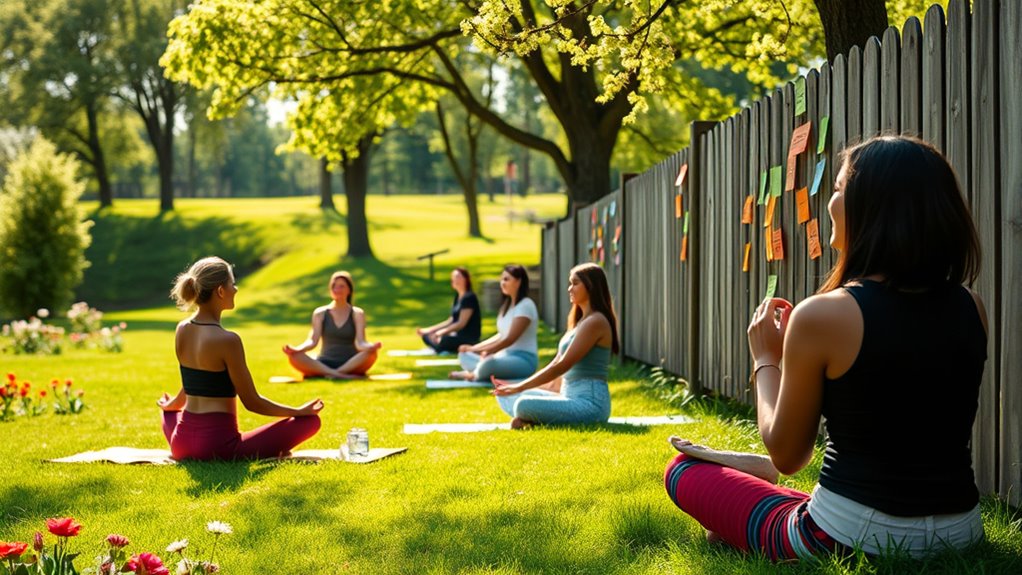
Integrating Positive Psychology Interventions (PPIs) into your daily routine can create lasting improvements in well-being, but consistency is key. Start small by choosing one or two practices, like keeping a gratitude journal or setting daily goals. Schedule these activities at the same time each day to build habits. Personalize your interventions to fit your preferences and lifestyle, which boosts engagement and effectiveness. Use reminders or cues, such as a phone alert or a specific location, to reinforce the habit. Track your progress with simple measures like life satisfaction or mood ratings to stay motivated. Remember, ongoing practice matters more than intensity; even brief daily efforts can accumulate into meaningful, lasting change over time. Incorporating goal setting techniques can further enhance your progress and help maintain focus on your personal growth journey.
Frequently Asked Questions
Can PPIS Be Customized for Different Cultural Backgrounds?
Yes, you can customize PPIs for different cultural backgrounds. Personalizing practices like gratitude exercises, goal-setting, or mindfulness to align with cultural values and traditions heightens their relevance and effectiveness. By considering individual preferences and cultural norms, you engage participants more meaningfully, boosting outcomes. Tailoring interventions ensures they resonate better, promote engagement, and yield more significant improvements in wellbeing, especially when adapting practices to diverse cultural contexts.
Are Digital Platforms Effective for Delivering Positive Psychology Practices?
Digital platforms can be effective for delivering positive psychology practices, especially when tailored to individual needs. They offer accessible, scalable options that can reach diverse populations. You can engage in exercises like gratitude or goal-setting online, which often lead to improvements in wellbeing and life satisfaction. However, the success depends on thoughtful design, user engagement, and combining digital tools with personalized support to maximize benefits.
What Are the Long-Term Effects of Regular PPI Practice?
You’ll find that regular PPI practice can lead to lasting benefits, with some studies showing improvements maintained for up to three months or more. Approximately 48% of participants report sustained increases in wellbeing after consistent engagement. By making these practices a routine—like gratitude or goal-setting—you’re more likely to see meaningful, long-term boosts in life satisfaction and mental health, helping you build resilience and a positive outlook over time.
How Do PPIS Compare With Traditional Therapy for Mental Health Issues?
Compared to traditional therapy, PPIs offer smaller, often inconsistent benefits for mental health issues. You might find PPIs helpful for boosting wellbeing and reducing symptoms, but they typically aren’t as thorough or intensive as traditional therapy. While PPIs can complement treatment, especially with personalized approaches, for more severe or persistent issues, engaging in traditional therapy remains more effective. Combining both strategies could provide the best overall support.
Is There a Risk of Negative Effects From Engaging in PPIS?
You might experience some negative effects from engaging in PPIs, especially if certain practices feel forced or misaligned with your needs. For example, excessive focus on positive thinking could lead to feelings of guilt or frustration if you struggle to maintain optimism. It’s important to personalize interventions, set realistic expectations, and seek support if you notice any adverse emotional reactions, ensuring that your wellbeing remains prioritized.
Conclusion
By weaving positive psychology interventions into your daily routine, you’re planting seeds of happiness that bloom over time. Think of these practices as guiding stars, illuminating your path to a brighter, more fulfilled life. As you nurture these habits, watch your well-being flourish like a vibrant garden. Embrace the journey, and let each small step become a building block toward lasting joy and personal growth. Your happiness story is waiting to be written—start today.