

To turn loose notes into actionable plans, start by organizing your ideas visually, such as with a mind map that reveals connections and priorities. Break broad goals into smaller, manageable tasks and use prioritization techniques like the Eisenhower Matrix to focus on what’s urgent and important. Review and update your plan regularly, assigning specific deadlines to keep yourself accountable. If you want practical steps to make your ideas work, continue exploring effective strategies here.
Key Takeaways
- Use mind mapping to visually organize ideas and identify key actions from loose notes.
- Prioritize tasks with frameworks like Eisenhower Matrix to focus on urgent and important items.
- Break broad ideas into smaller, specific tasks to make them manageable and actionable.
- Regularly review and update your notes to stay aligned with evolving goals and progress.
- Convert tasks into schedules or checklists with deadlines to ensure commitment and follow-through.

When you jot down ideas quickly, it’s easy for notes to become scattered and hard to act on. Your brain might generate a flood of thoughts, but without a clear system, those notes risk becoming jumbled. To transform these loose notes into actionable plans, you need a method that brings order and clarity. One effective approach is using mind mapping. With mind mapping, you visually organize your ideas by placing a central concept in the middle and branching out related thoughts, tasks, or sub-projects. This technique helps you see the bigger picture and identify connections you might overlook when reviewing linear notes. It also makes it easier to prioritize tasks by highlighting key actions and grouping similar ideas together, so you can focus on what matters most. Incorporating digital content management strategies can further streamline your workflow and help keep your ideas organized over time.
Using mind mapping organizes ideas visually, revealing connections and priorities to turn scattered notes into clear, actionable plans.
Once you’ve mapped out your ideas, it’s crucial to apply prioritization techniques. Not every task is equally urgent or important, so sorting your list helps you avoid wasting time on low-impact activities. Techniques like the Eisenhower Matrix or ABC prioritization can guide you in distinguishing between what needs immediate attention and what can wait. For example, with the Eisenhower Matrix, you categorize tasks into four quadrants: urgent and important, important but not urgent, urgent but not important, and neither urgent nor important. This visual framework clarifies where to focus first and what to delegate or postpone. When combined with your mind map, these prioritization strategies turn abstract ideas into concrete steps, reducing overwhelm.
As you proceed, break down larger tasks into smaller, manageable actions. Your notes might contain broad goals, but to make progress, you need to specify clear, actionable steps. For instance, instead of writing “start marketing campaign,” specify tasks like “draft email copy,” “design social media graphics,” and “schedule posts.” Each small step becomes part of your plan, making it less intimidating and easier to track. Regularly review and update your mind map and prioritization list, as your projects evolve. This ongoing process keeps your plans fresh and aligned with your goals.
Finally, turn your organized notes into a schedule or checklist. Use digital tools or paper planners to set deadlines and assign specific dates to each task. This transforms your intentions into commitments, giving you a clear pathway from ideas to results. By consistently applying mind mapping and prioritization techniques, you create a structured approach that helps you turn loose notes into actionable, achievable plans, ultimately boosting your productivity and confidence.

Digital Mind Mapping: Leveraging Technology for Better Thinking: A guide to using digital mind mapping tools to enhance your thinking processes and productivity – Micro Book – A3
As an affiliate, we earn on qualifying purchases.
As an affiliate, we earn on qualifying purchases.
Frequently Asked Questions
How Do I Prioritize Tasks From My Loose Notes?
To prioritize tasks from your loose notes, start with mind mapping to visually organize ideas and identify key priorities. Then, use task batching to group similar tasks, making them easier to tackle efficiently. Focus on high-impact activities first, and assign deadlines to keep yourself accountable. This approach helps you see what’s urgent versus important, streamlining your workflow and ensuring you stay focused on your most critical tasks.
What Tools Are Best for Organizing Notes Into Plans?
You should choose tools that support your preferred note-taking methods and digital organization. Apps like Evernote or Notion excel at capturing loose notes and converting them into structured plans, offering tagging, categorization, and task management features. These tools help you keep notes organized, searchable, and actionable. By integrating your notes with project management features, you can seamlessly turn ideas into steps, making your planning more efficient and effective.
How Can I Ensure Follow-Through on My Action Plans?
Think of your goals as a garden that needs regular watering. To guarantee follow-through, use motivational strategies like visualizing success and setting small milestones. Enlist accountability partners—they’re your garden guards, reminding you to stay on track. Keep a consistent schedule, celebrate progress, and review your plans regularly. These steps transform loose notes into a thriving, fruitful plan, making your goals unavoidable and inevitable to achieve.
What Common Mistakes Should I Avoid When Planning?
Avoid common planning mistakes by using effective brainstorming techniques to generate ideas and note-taking strategies to organize them clearly. Don’t rush the process or skip prioritization, as it leads to overwhelm and confusion. Stay focused on your goals, and make sure your notes are actionable, specific, and realistic. Regularly review and refine your plans to stay aligned and avoid overlooked details that could derail progress.
How Often Should I Review and Update My Plans?
You should review and update your plans regularly, ideally every few weeks, to keep your time management on track and guarantee your goals stay relevant. Frequent check-ins help you catch any drift from your original intentions and make necessary adjustments. By setting aside dedicated moments for review, you keep your plans aligned with your evolving priorities, transforming loose notes into a dynamic, action-oriented roadmap you can confidently follow.
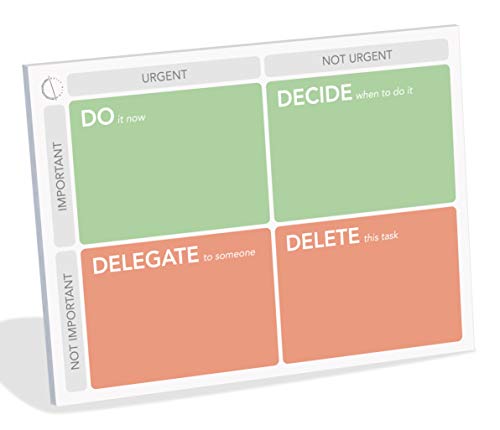
Large Eisenhower Matrix Sticky Notes, 50 pages, 8×6” by DAILY RITMO
✅ PRODUCT: Do you sometimes feel like you spend all your time managing chaos? Yes? Then you are…
As an affiliate, we earn on qualifying purchases.
As an affiliate, we earn on qualifying purchases.
Conclusion
Now that you know how to transform your loose notes into clear, actionable plans, don’t let them sit forgotten. Take the time to organize, prioritize, and set specific steps. Remember, a plan without action is just a wish—so why not turn your notes into real progress today? What’s the first step you’ll take to make your ideas come to life? Start now, and watch your goals become achievable.

Task Planner & Activity Log Notepad – 60 Page Undated Daily & Hourly Planning Pad, To-Do List, Checklist, Track Time & Tasks, ADHD Tracker – Organize Workday, Boost Productivity – 8.5 x 11 Tear Sheets
All-in-One Task Planner & Activity Log Book. This dual-purpose notepad features a structured to-do list (Top Priority, Follow-Up,…
As an affiliate, we earn on qualifying purchases.
As an affiliate, we earn on qualifying purchases.

Taja Meeting Notebook for Work Organization – Work Planner Notebook with Action Items, Agenda Planner for Note Taking, 160 Pages (6.9" X 9.9") Project Organizer for Men & Women – Black 1
Enhanced Organization And Efficiency – The thoughtfully designed layout of the meeting notebook helps you stay organized during…
As an affiliate, we earn on qualifying purchases.
As an affiliate, we earn on qualifying purchases.