

By assigning specific themes to each day, you streamline your routines and cut down on daily decision-making. Prepare outfits, meals, or workouts in advance, so you don’t waste energy choosing them each day. These routines help you develop habits over time, making tasks feel automatic and less effortful. This approach also boosts your organization and reduces stress, so your days feel more manageable. Keep exploring how to make theme days work best for you, and you’ll see even greater benefits.

Get the little things that make your day delivered free with Prime
- Fast, free delivery on millions of items
- Prime Video, Amazon Music and more included
- Member-only deals all year
Key Takeaways
- Assign specific days for recurring activities to create predictable routines and minimize daily decision-making.
- Prepare in advance by planning outfits, meals, or tasks for each theme day.
- Keep activities simple and consistent to turn them into automatic habits over time.
- Use theme days to prioritize important tasks and reduce mental clutter surrounding daily choices.
- Track and adjust your schedule to ensure theme days support your goals and maintain balance.
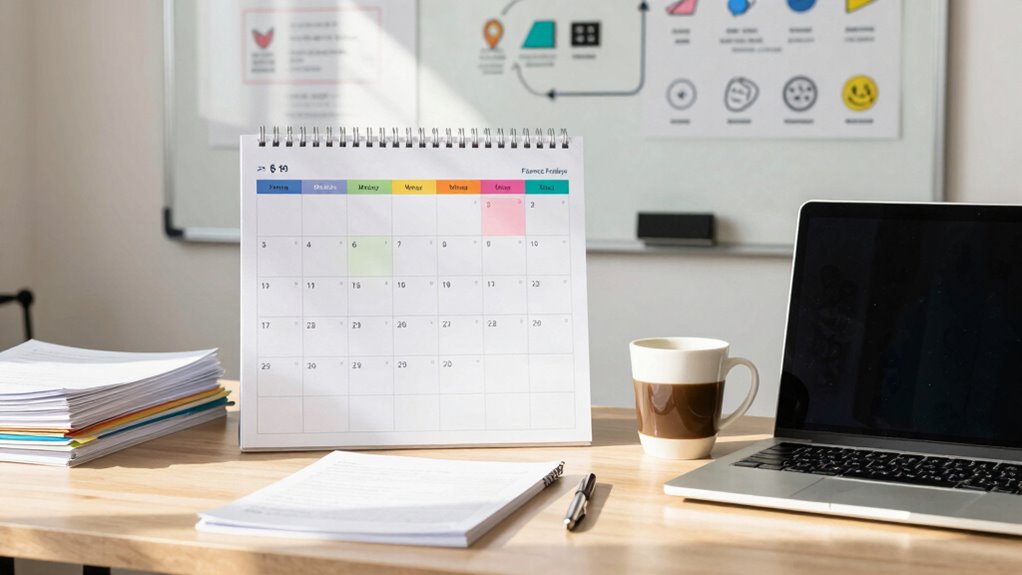
Deciding what to wear, eat, or do each day can quickly become overwhelming, draining your mental energy and causing decision fatigue. When every choice requires deliberate thought, your brain tires easily, leaving you less capable of making good decisions later. One effective way to combat this is by using theme days, which streamline your daily routines and reduce the mental load. By assigning specific themes to different days, you create a predictable structure that minimizes the need to decide from scratch every morning.
Using theme days reduces decision fatigue by creating predictable routines and simplifying daily choices.
For example, you might designate Mondays for meal planning, where you focus solely on preparing your week’s meals. This helps you avoid daily food decisions, saving mental space for other tasks. On this day, you can plan your grocery shopping, choose your recipes, and prep ingredients, making mealtime less stressful all week. Similarly, you can allocate a day for wardrobe organization, where you select outfits for the upcoming days or even the entire week. This eliminates the daily dilemma of what to wear, especially if you keep your wardrobe organized by theme or color, making it easier to put together outfits quickly.
The beauty of theme days is that they turn complex, decision-heavy tasks into routine activities. When you know that Tuesdays are for exercise, you automatically prepare your workout gear the night before. Wednesdays could be dedicated to personal development, where you read or learn something new. By following this pattern, your brain becomes accustomed to certain tasks on specific days, reducing the energy needed to plan or initiate these activities. This consistency helps you conserve mental resources for more important or unexpected decisions that inevitably arise. Incorporating structured routines can also help you stay aligned with your goals and priorities more effectively, especially when they are supported by understanding your decision-making patterns. Additionally, establishing these routines can help you develop habit formation, making these activities feel more automatic over time.
Implementing theme days also promotes better organization overall. When you focus on a particular task or area, like wardrobe organization, you can declutter and arrange your closet more efficiently, making daily dressing faster and more enjoyable. Similarly, with meal planning, you can experiment with new recipes or prep ingredients in advance, freeing up time and reducing last-minute cooking stress. Over time, these themed routines become second nature, further decreasing your decision load. Additionally, establishing these routines can support your overall burnout prevention efforts by reducing daily stressors and conserving your mental energy.
In the end, using theme days offers a simple yet powerful strategy to simplify your life. It transforms chaos into order, giving you a clearer mind and more energy for what truly matters. With consistent routines for meal planning and wardrobe organization, you’ll find yourself making fewer everyday decisions, feeling less overwhelmed, and having more mental clarity to focus on other priorities.
As an affiliate, we earn on qualifying purchases.
Frequently Asked Questions
Can Theme Days Be Customized for Individual Preferences?
Yes, theme days can be customized for your individual preferences. You can incorporate personalization options to tailor themes to your interests and routines. Flexibility strategies allow you to adjust themes as needed, ensuring they stay relevant and motivating. By customizing your theme days, you make the system more engaging and effective, helping you reduce decision fatigue while maintaining a structure that fits your lifestyle perfectly.
How Many Theme Days Should I Implement per Week?
Think of your week as a canvas, and theme days as your palette of personalization options. Implementing three to five theme days strikes a balance, offering enough structure without stifling flexibility strategies. This range allows you to infuse variety while keeping decisions manageable. Adjust the number based on your routine’s rhythm, ensuring each day maintains a purposeful focus, reducing decision fatigue, and enhancing your overall productivity and well-being.
What if My Schedule Varies Weekly?
If your schedule varies weekly, embrace flexible scheduling to adapt your theme days accordingly. You can create personalized routines that shift based on your commitments, ensuring consistency without rigidity. This approach allows you to maintain the benefits of themed days—like reducing decision fatigue—while accommodating unpredictable plans. Adjust your themes as needed, and remember that flexibility helps you stay productive and organized without feeling constrained.
Are Theme Days Suitable for All Types of Work?
Theme days work well for many types of work, offering flexibility and structure. They suit roles with predictable tasks but may need personalization options to adapt to changing priorities. If your work varies, you can customize theme days or incorporate flexible elements, ensuring you maintain work flexibility. This approach helps you stay organized without feeling restricted, making theme days a versatile tool for different work styles and responsibilities.
How Do I Handle Unexpected Tasks on Theme Days?
When unexpected tasks come up on theme days, you should quickly assess their urgency and importance through task prioritization. Use flexibility strategies by adjusting your schedule or temporarily shifting other tasks. Stay adaptable by setting aside buffer time, so you can handle surprises without disrupting your overall theme day plan. This proactive approach helps you maintain focus, reduces stress, and guarantees critical tasks get addressed efficiently.
As an affiliate, we earn on qualifying purchases.
Conclusion
By embracing theme days, you create a steady rhythm in your week, like a well-orchestrated symphony that keeps chaos at bay. This simple shift transforms countless daily decisions into predictable patterns, freeing your mind for what truly matters. Think of it as planting seeds of consistency that grow into a lush garden of efficiency and peace. With each theme day, you’re cultivating clarity and reducing mental clutter, making your week not just manageable, but truly harmonious.
As an affiliate, we earn on qualifying purchases.
As an affiliate, we earn on qualifying purchases.
Fall Picks
fall essentials
As an affiliate, we earn on qualifying purchases.