📊 Full opportunity report: Reduce Filing Friction With Document Scanning For Small Offices on IdeaNavigator AI — validation score, market gap, and execution plan.
TL;DR
IdeaNavigator AI describes an early-stage product concept for small offices: a phone-based scanner that uses optical character recognition to name, classify and file documents as searchable PDFs. The proposal calls for a one-week pilot at five offices, but no pilot results, accuracy figures or customer commitments are reported.
IdeaNavigator AI has proposed a phone-based document-scanning app that would automatically classify, name and file paperwork for small nonprofits, clinics and law offices. The concept is framed as an early product opportunity, not a launched service: its accuracy, customer demand and willingness to pay have not yet been demonstrated.
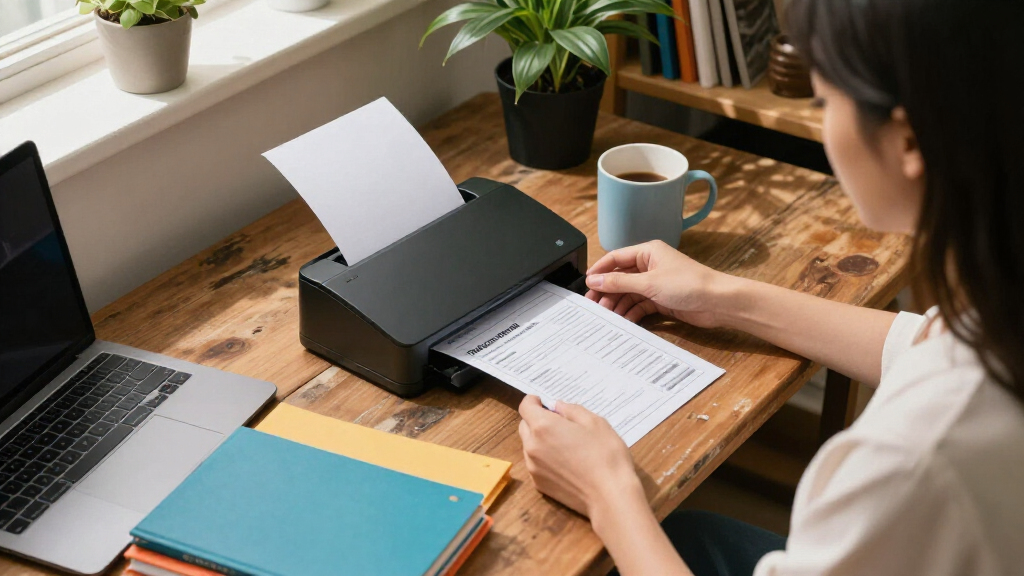
The proposed app would let an office worker photograph a stack of paper documents on a phone. It would then use optical character recognition (OCR) and document-layout analysis to read each page, suggest a document category and create a descriptive filename. An invoice, for example, might be labeled with its type, date and vendor. The resulting files would be searchable PDFs saved to a shared folder.
The intended customers are small, paper-heavy offices that lack dedicated IT staff. The concept identifies intake forms, invoices and records as common backlogs, and argues that generic scanning tools can leave users with unsorted images and little useful naming or extracted information. No specific app, operating business, customer, or commercial launch is identified.
The suggested business model is a per-seat monthly subscription, with a page-volume cap and extra charges for use above that limit. To test the idea, the proposal recommends a one-week pilot involving five small offices, each scanning a real backlog of 200 documents. The evaluation would track correct auto-classification and whether offices would pay per seat; no outcomes from that test are reported.
A Test for Small-Office Filing
If the product can reliably turn paper into searchable, consistently named records, it could reduce the manual work involved in sorting and retrieving routine office documents. That may matter particularly to small organizations, where filing often falls to staff who also handle reception, administration or client services. The proposal, however, describes a possible benefit rather than a measured result.
For prospective users, the central question is not simply whether a phone can scan pages. It is whether the system can correctly recognize varied documents, apply useful names and place files in the right shared location without creating a new review burden. Incorrect classifications could make records harder to find or require staff to redo the filing. The suggested pilot would put that accuracy and usability question ahead of broader claims about efficiency.
The subscription approach also makes pricing and volume relevant. A page cap could make costs more predictable for offices with steady workloads, while overage fees could affect organizations that process irregular bursts of paperwork. The proposal offers no price, page allowance or evidence of what customers would accept.
document scanner app for small offices
As an affiliate, we earn on qualifying purchases.
As an affiliate, we earn on qualifying purchases.
From Paper Backlogs to Searchable Files
The concept responds to a specific workflow: smaller organizations may keep physical records and receive paper forms or invoices, while basic scanning tools produce digital copies that still need to be named, categorized and filed. The proposed product combines those steps rather than treating scanning as the end of the task.
IdeaNavigator AI presents on-device and API-based OCR, along with layout-aware models, as technologies that may make automated recognition more accessible to organizations without dedicated technical teams. That is the proposal’s rationale for exploring the idea. It does not provide independent performance benchmarks, cost comparisons or evidence that the technology works reliably across the document types and conditions found in the target offices.
The recommended test is deliberately narrow: a week of use at five offices, with 200 backlog documents per site. That design would produce practical feedback on a defined workload, but the proposal does not specify how accuracy would be scored, what level would count as acceptable or whether records would be reviewed by staff before filing.
As an affiliate, we earn on qualifying purchases.
Accuracy, Privacy and Pricing
No pilot has been reported, so the proposed classifier’s performance on real office paperwork remains unknown. The concept provides no accuracy rate, error breakdown or information about how it would handle low-quality images, handwritten entries, duplicate pages or documents that fit more than one category.
Data handling is also unspecified. The proposal does not say whether OCR would run on a phone or through an external service for a given workflow, how files would be protected, who could access the shared folder, or how long document images and extracted text would be retained. Those questions may be especially relevant for clinics and law offices handling sensitive records. No privacy, security or compliance claims are provided.
Commercial details remain open as well. There is no announced product name, subscription price, page cap, overage rate, integration list or launch schedule. The proposed pilot measures willingness to pay, but that measure has not yet been collected.
searchable PDF scanner for business
As an affiliate, we earn on qualifying purchases.
As an affiliate, we earn on qualifying purchases.
Pilot Results Would Test Demand
The next step described in the proposal is a one-week test with five offices, using 200 real backlog documents at each location. The stated measures are correct auto-classification and willingness to pay per seat. No start date, participating organizations or completed test has been announced.
If such a pilot proceeds, useful reporting would include how classification accuracy is calculated, how often staff must correct names or categories, and whether files are easy to retrieve afterward. Pricing feedback and details on secure storage would also help offices judge whether the proposed subscription fits their workload. Until those results are available, the scanner remains a product concept rather than a verified filing solution.
Source: IdeaNavigator AI
office document organization tools
As an affiliate, we earn on qualifying purchases.
As an affiliate, we earn on qualifying purchases.
Key Questions
Has the document-scanning app launched?
No launch is reported. IdeaNavigator AI describes a proposed product and a plan to test it; no product name, release date or customer rollout is provided.
How would the proposed app work?
Users would photograph documents with a phone. The system would use OCR to read the pages, suggest a category and filename, then save them as searchable PDFs in a shared folder.
Who is the product intended for?
The concept targets small nonprofits, clinics and law offices with substantial paper filing and no dedicated IT team.
What would the proposed pilot measure?
The suggested one-week pilot would involve five offices scanning 200 backlog documents each. It would measure correct auto-classification and willingness to pay per seat; no results are available.
What is known about pricing and document privacy?
The suggested model is a monthly per-seat subscription with a page cap and overage pricing, but no rates are given. Data storage, access controls and retention practices are also unspecified.
Source: IdeaNavigator AI