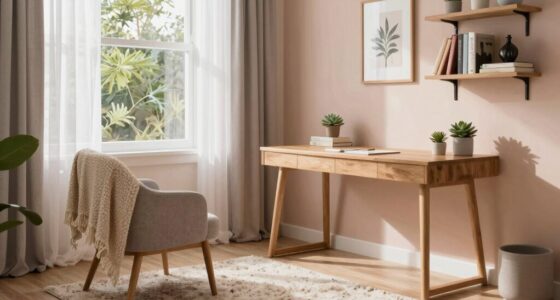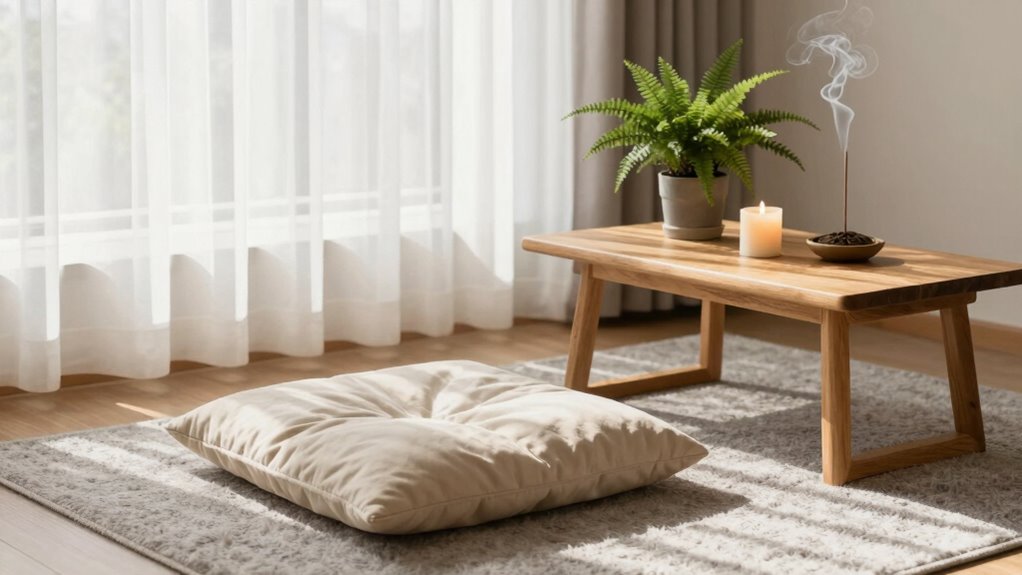

To build a simpler meditation habit, focus on small, manageable steps you can easily fit into your routine. Pick a specific, quiet time in the morning or during quick breaks, and keep your practice brief—just a few minutes focused on your breath. Use a dedicated space or gentle cues to remind yourself. Keep it straightforward and consistent, letting the habit grow naturally over time. Exploring more ways to make it sustainable awaits as you continue this journey.

Get the little things that make your day delivered free with Prime
- Fast, free delivery on millions of items
- Prime Video, Amazon Music and more included
- Member-only deals all year
Key Takeaways
- Start with short, daily sessions focused on breathing to keep the practice manageable.
- Choose a consistent, quiet time, like right after waking, to reinforce routine.
- Incorporate mindfulness into existing routines instead of creating new, lengthy sessions.
- Keep the environment simple, calming, and visually inviting to encourage regular practice.
- Treat meditation as a non-negotiable daily habit, like brushing teeth, to build sustainability.
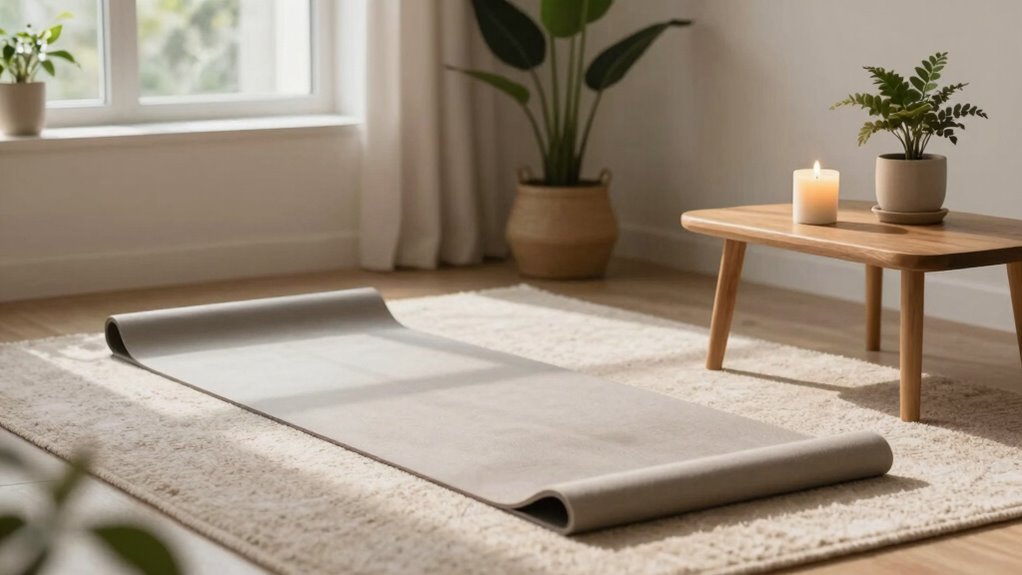
Starting a meditation practice can feel overwhelming, but simplifying your approach makes it more achievable. Instead of trying to overhaul your entire day or commit to lengthy sessions, focus on integrating small, manageable steps. One effective way to do this is by incorporating mindfulness techniques into your morning routines. By doing so, you set a calming tone for the day ahead and gradually build a sustainable habit. You don’t need to meditate for hours or find a perfect environment—short, intentional moments are enough to make a difference.
To start, choose a specific time in the morning when you’re least likely to be interrupted. It could be right after waking up or during a quick break before starting your day. Keep your meditation simple: sit comfortably, close your eyes, and focus on your breath. When your mind wanders, gently bring your attention back to your breathing. This practice reinforces mindfulness techniques that promote awareness of the present moment, helping you develop a calmer, more centered mindset over time. The key is consistency, not duration, so even five minutes daily can yield noticeable benefits.
Incorporate this habit into your morning routines by setting a gentle reminder or placing your meditation cushion or chair in a visible spot. Think of it as a non-negotiable part of your day—like brushing your teeth. As you get used to this routine, you may find it easier to extend your practice or experiment with different mindfulness techniques, such as body scans or guided visualizations. But the goal remains the same: keep it simple and approachable. The more straightforward you keep your meditation, the less likely you are to skip it or feel overwhelmed. Additionally, creating a dedicated space can help utilize landscaping to enhance your environment and make your practice more inviting. Understanding the importance of color accuracy and how it impacts your visual environment can also make your meditation space more calming and visually appealing.
As an affiliate, we earn on qualifying purchases.
Frequently Asked Questions
What Is the Best Time of Day to Meditate?
The best time of day to meditate is whenever you can maintain a consistent practice, often early morning or evening. Find a quiet moment with an ideal meditation timing that suits your schedule. Sit in a comfortable meditation posture, whether cross-legged or on a chair, and focus on your breath. This consistency helps your mind adapt, making meditation a natural part of your daily routine.
How Long Should My Meditation Sessions Be?
You should aim for a meditation session duration that feels manageable, starting with just 5 to 10 minutes. Focus on maintaining a comfortable meditation posture, which helps you stay relaxed and attentive. As you become more comfortable, gradually increase your session duration by a few minutes. Consistency matters more than length, so regular practice with a proper posture will help you build a sustainable meditation habit.
Can I Meditate Lying Down or Should I Sit?
You can absolutely meditate lying down if it feels like drifting on a cloud—comfort is your guiding star. Posture preferences vary; sitting upright helps keep your mind alert, but lying down offers deep relaxation. Consider your comfort considerations: if lying down makes you too sleepy, sitting might be better. Ultimately, choose a position that feels natural, so meditation becomes a gentle voyage rather than a chore.
What if My Mind Keeps Wandering During Meditation?
If your mind keeps wandering during meditation, don’t get discouraged. Gently acknowledge the distraction and guide your meditation focus back to your breath or chosen object. Remember, mind wandering is natural; it’s part of the process. Each time your thoughts drift, calmly bring them back. Over time, this practice strengthens your concentration, making it easier to maintain your meditation focus and enjoy deeper calm and clarity.
Do I Need to Use Guided Meditations or Can I Meditate Alone?
You don’t have to use guided meditations if you prefer solo practice. Many find personalized guidance helpful initially, but once you’re comfortable, meditating alone strengthens your focus and self-awareness. Start with simple breathing exercises, then gradually develop your own routine. Whether guided or solo, consistency matters most. Trust your instincts, and over time, you’ll discover what works best for you in building a meaningful meditation habit.
As an affiliate, we earn on qualifying purchases.
Conclusion
By weaving meditation into your daily routine, you create a gentle river of calm flowing through your busy life. Keep it simple and consistent, like planting seeds that bloom over time. Remember, the journey to a calmer mind isn’t a mountain to climb but a path to walk step by step. Embrace each moment of stillness, and watch how your mind’s garden flourishes, offering peace like a quiet, steady stream beneath the chaos.
As an affiliate, we earn on qualifying purchases.
As an affiliate, we earn on qualifying purchases.
NFL season / tailgating Picks
team gear
As an affiliate, we earn on qualifying purchases.