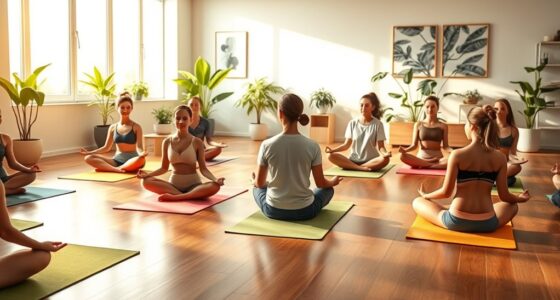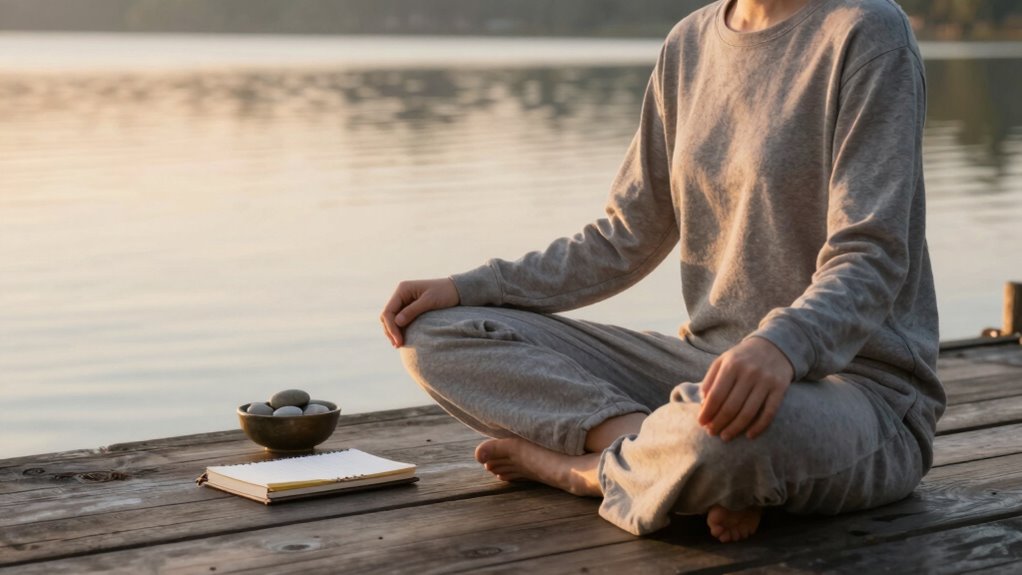

Mindfulness works best when it feels practical because it fits naturally into your daily routines, making it easier to stick with. When you integrate small mindful habits like breathing pauses, sensory focus, or gratitude moments, they become part of your normal activities. This approach reduces stress, sharpens emotional resilience, and boosts overall well-being. If you keep exploring, you’ll discover how these simple practices can lead to lasting calm and clarity in everyday life.

Get the little things that make your day delivered free with Prime
- Fast, free delivery on millions of items
- Prime Video, Amazon Music and more included
- Member-only deals all year
Key Takeaways
- Practical mindfulness integrates seamlessly into daily routines, making it easier to maintain consistency and long-term habits.
- Applying mindfulness during small, everyday moments reduces stress effectively without requiring extra time.
- When mindfulness feels relevant, it encourages active engagement, leading to stronger emotional resilience and clarity.
- Adapting mindfulness to individual schedules makes it more accessible and sustainable, enhancing its overall effectiveness.
- Practical mindfulness improves environmental awareness and well-being, reinforcing positive habits through real-life application.

Mindfulness can transform your daily life, but it works best when you apply it practically. Instead of viewing it as a lofty concept or a distant practice, think of mindfulness as a tool you can use in real moments. When you make mindfulness part of your everyday routine, it becomes more than just a meditation session—it’s about how you handle stress and bounce back from setbacks. By integrating simple mindful habits into your daily activities, you’ll notice a genuine shift in your ability to stay calm and centered amid chaos.
Practicing mindfulness in a practical way helps you reduce stress more effectively. When life feels overwhelming, taking a moment to pause and observe your breath or your surroundings can immediately lower your stress levels. You don’t need to carve out hours for meditation; just a few mindful breaths during a hectic day can make a big difference. This approach makes relaxation accessible at any moment, turning mindfulness into an on-the-spot stress reduction technique. Over time, these small, practical acts accumulate, leading to a calmer state of mind and less reactive behavior.
Moreover, applying mindfulness practically enhances your emotional resilience. Instead of reacting impulsively to frustration or disappointment, you learn to observe your emotions without judgment. When you notice your feelings as they arise—whether anger, anxiety, or sadness—you give yourself space to respond thoughtfully rather than react automatically. This ongoing practice builds emotional resilience, so setbacks and challenges don’t knock you off balance as easily. It’s about creating a mental buffer that allows you to handle difficulties with greater clarity and patience. Recognizing the importance of practical application helps reinforce how mindfulness can become an effective tool for managing everyday stressors. Additionally, understanding how various skincare ingredients can support your well-being can motivate you to incorporate healthier routines that complement your mindfulness practice. Embracing mindfulness techniques that fit into your routine makes it easier to stay consistent and see long-term benefits.
Another key aspect of making mindfulness practical is its flexibility. You can adapt it to fit your schedule and preferences. Whether it’s a mindful walk during your lunch break, a few moments of gratitude before bed, or simply paying close attention to your senses while washing dishes, these small acts keep mindfulness rooted in your daily life. When you see it as something you do in real-time, it becomes less of a chore and more of a natural response to life’s demands.
Additionally, understanding the importance of contrast ratio in visual quality can help you better appreciate how clear and vibrant your environment becomes when you apply mindfulness to your daily routines. When you see the world with more clarity, it reinforces the benefits of staying present.
Ultimately, mindfulness works best when it feels practical because it becomes part of your routine, not an extra task. It’s about creating habits that support your well-being in real, tangible ways. When you incorporate mindfulness into your daily life, you’re empowering yourself to reduce stress and build emotional resilience—making you more present, balanced, and resilient every day.
As an affiliate, we earn on qualifying purchases.
Frequently Asked Questions
How Quickly Can I Notice Benefits From Practical Mindfulness?
You can notice quick benefits and observable changes in your mood and stress levels within just a few days of practicing practical mindfulness. Daily short sessions help you become more aware of your thoughts and feelings, making it easier to respond calmly. Consistency is key; the more you practice, the faster you’ll see positive shifts in your mental clarity and overall well-being. Keep it simple and stay committed.
Can Mindfulness Be Integrated Into a Busy Work Schedule?
Yes, you can integrate mindfulness into a busy work schedule by practicing quick mindfulness implementation techniques, like deep breathing during breaks or mindful pauses before meetings. These small steps help maintain work-life balance, reduce stress, and improve focus. Even a few minutes daily can make a difference, making mindfulness a practical tool to enhance your productivity and well-being without disrupting your busy routines.
What Are Common Obstacles to Practicing Practical Mindfulness Daily?
About 60% of people struggle with consistent mindfulness practice. Common obstacles include difficulty forming habits and forgetting to practice amid daily chaos. To overcome this, use daily reminders like alarms or sticky notes, making mindfulness feel more practical and routine. Habit formation takes time, but with persistence and intentional cues, you can integrate mindfulness seamlessly into your day, helping you stay present and reduce stress.
Is Mindfulness Effective for Managing Severe Mental Health Issues?
Mindfulness can be effective for severe mental health issues, especially when combined with mental health therapy and medication management. It helps you stay present, reduce stress, and gain insight into your emotions. While it might not replace traditional treatments, practicing mindfulness regularly supports your overall mental health. Just remember to consult your healthcare provider to make sure mindfulness complements your therapy plan and medication regimen effectively.
How Do I Choose the Most Practical Mindfulness Techniques for Me?
You choose the most practical mindfulness techniques by focusing on what fits seamlessly into your daily routines. Try simple mindfulness rituals, like mindful breathing during breaks, or grounding exercises before bed. Look for techniques that feel natural, easy, and sustainable—techniques you can do anytime, anywhere. Prioritize methods that suit your lifestyle, preferences, and schedule, making mindfulness a regular, enjoyable part of your daily routines.
guided mindfulness meditation app
As an affiliate, we earn on qualifying purchases.
As an affiliate, we earn on qualifying purchases.
Conclusion
When mindfulness feels practical, it becomes part of your daily routine. When it’s simple, it’s sustainable. When it’s accessible, it’s empowering. When it’s realistic, it’s relatable. Embrace mindfulness that fits your life, that meets you where you are, that guides you through your day. Because when you make mindfulness practical, it becomes a natural, effortless part of your life—enhancing your well-being, enriching your moments, and transforming your everyday experience.
As an affiliate, we earn on qualifying purchases.
mindfulness journal for daily practice
As an affiliate, we earn on qualifying purchases.
As an affiliate, we earn on qualifying purchases.
Fall Picks
fall essentials
As an affiliate, we earn on qualifying purchases.