

Implementing mindfulness in schools aims to improve students’ emotional health, behavior, and focus. Programs vary from simple exercises to extensive curricula, led by teachers or researchers. Benefits include better emotional regulation, reduced stress, fewer disruptive behaviors, and improved sleep and physical health. While promising, effectiveness depends on proper training and program quality. If you keep exploring, you’ll discover how these initiatives can be tailored to maximize benefits for diverse students.
Key Takeaways
- School-based mindfulness programs aim to enhance emotional regulation, reduce stress, and improve classroom behavior and student well-being.
- Effective programs require proper teacher training, culturally sensitive curricula, and ongoing evaluation to ensure positive outcomes.
- Benefits include improved attention, impulse control, emotional stability, and physical health markers like sleep quality and stress regulation.
- Challenges involve resource limitations, maintaining engagement, and avoiding adverse effects such as increased anxiety.
- Future directions focus on developing evidence-based, developmentally appropriate, and culturally tailored mindfulness curricula for sustainable impact.
Top picks for "teach mindfulnes education"
Open Amazon search results for this keyword.
As an affiliate, we earn on qualifying purchases.
Overview of School-Based Mindfulness Initiatives
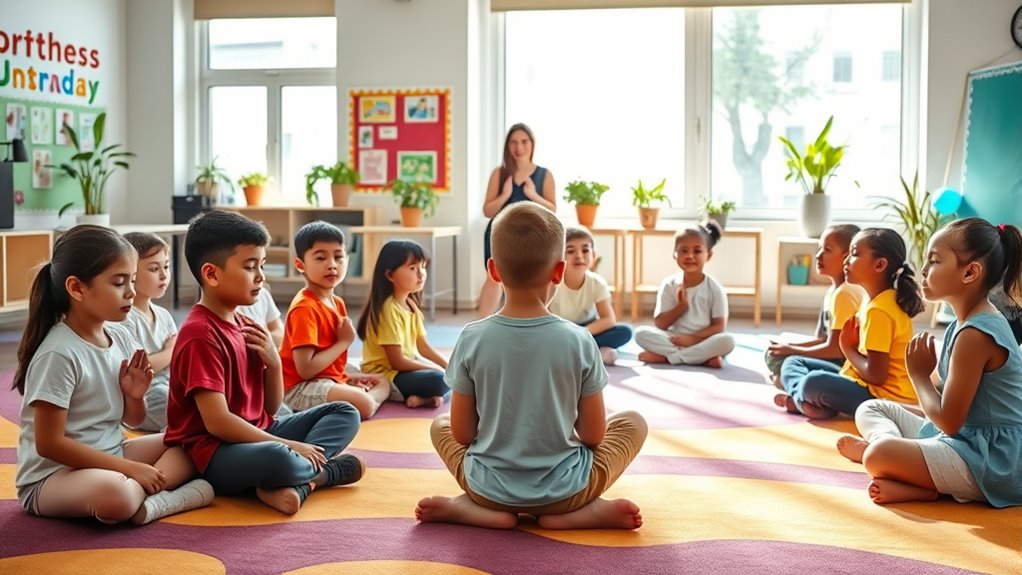
School-based mindfulness initiatives have gained popularity as a way to promote student well-being and improve classroom environments. You might participate in activities like breath awareness, body scans, or guided imagery, designed to help students become more aware of their thoughts, feelings, and physical sensations. These programs vary widely—some are short workshops, others are multi-session curricula, and many are adapted for different student populations, including at-risk groups. Researchers and teachers deliver these interventions, aiming to foster emotional regulation, reduce stress, and enhance attention. Despite their increasing adoption across schools worldwide, the quality of evidence varies. While some studies show promising benefits, others find limited or no effects, highlighting the importance of considering program design, implementation, and student engagement.
Goals and Expected Benefits of Mindfulness Programs
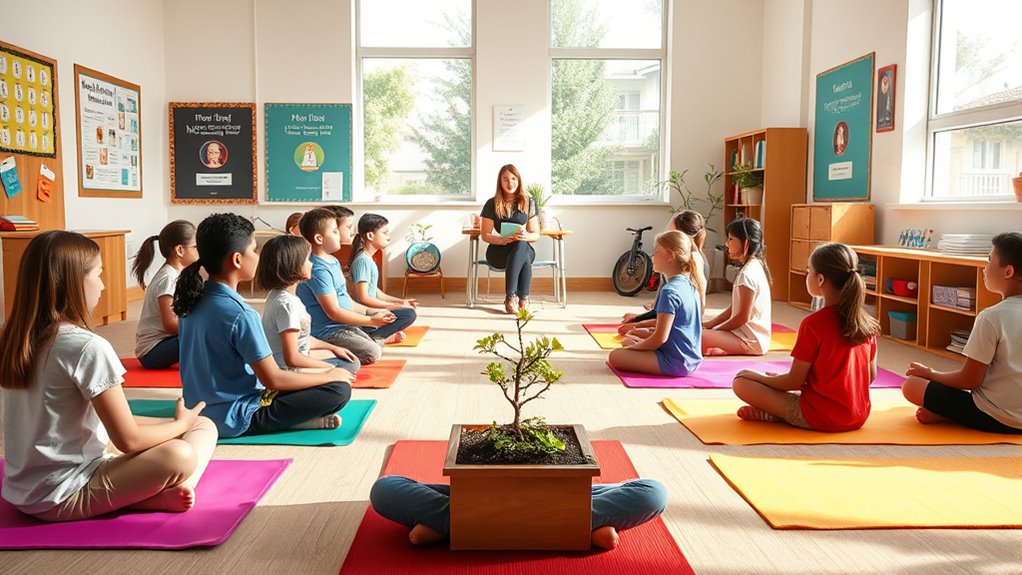
When you implement mindfulness programs, you’re aiming to boost students’ emotional resilience, helping them manage challenges more effectively. You also hope to reduce anxiety and stress, creating a calmer classroom environment. Additionally, improving attention and focus can support students’ learning and overall performance. Incorporating practices that promote mindfulness techniques can further enhance these outcomes by fostering present-moment awareness.
Enhancing Emotional Resilience
How can mindfulness programs strengthen your emotional resilience? By practicing mindfulness, you learn to recognize and accept your emotions without judgment, which helps you bounce back more quickly from setbacks. These programs teach you to stay present during stressful moments, reducing reactivity and improving your ability to manage strong feelings. Over time, you develop a greater sense of emotional stability, enabling you to navigate challenges with confidence. Mindfulness also fosters self-awareness, helping you identify triggers early and respond thoughtfully. As a result, you build resilience against everyday stressors and emotional difficulties. This enhanced resilience supports your overall well-being, promotes a positive outlook, and prepares you to handle future adversity more effectively.
Reducing Anxiety and Stress
Mindfulness programs aim to help students reduce anxiety and stress by teaching them to become more aware of their thoughts and feelings without judgment. When you practice mindfulness, you learn to notice signs of stress early, which makes it easier to manage emotions before they escalate. These programs often include breathing exercises, body scans, and meditation techniques that calm the nervous system, lowering cortisol levels and heart rate. As you develop this awareness, you can respond more thoughtfully rather than react impulsively. Over time, students report feeling less overwhelmed and more capable of handling stressful situations. Additionally, incorporating tuning techniques can further enhance emotional resilience and focus. While individual results vary, many experience a decrease in anxiety symptoms, improved mood, and greater emotional stability, contributing to overall well-being within the school environment.
Improving Attention and Focus
Building on the benefits of reduced anxiety, mindfulness programs are also designed to enhance your attention and focus. When you practice mindfulness, you learn to direct your awareness intentionally, which helps you stay present during tasks and reduces distractions. Regular exercises like breath awareness and body scans strengthen your ability to concentrate, making it easier to follow lessons and complete assignments. Research shows that mindfulness can improve executive functions, such as working memory and cognitive flexibility. As a result, you may notice better classroom engagement, fewer interruptions, and increased mental clarity. While individual outcomes vary, many students experience sharper focus and sustained attention, contributing to improved learning and academic performance over time. Additionally, practicing mindfulness in a tent camping environment can reinforce these skills by encouraging a quiet, distraction-free setting.
Variations in Program Design and Delivery

Variations in program design and delivery markedly influence the effectiveness of mindfulness interventions in schools. You’ll find that factors like session length, content, and facilitator expertise substantially impact outcomes. Programs led by trained teachers often yield better results than those delivered by researchers or untrained staff. Additionally, whether mindfulness is integrated into daily routines or offered as standalone workshops affects engagement and sustainability. The curriculum’s adaptability to different age groups and student needs also plays a critical role. Short, one-time sessions may produce limited benefits, while consistent, multi-week programs tend to foster deeper skills. Furthermore, active participation and buy-in from teachers and students enhance effectiveness. Tailoring program elements to specific school contexts and student populations can maximize the benefits of mindfulness initiatives. Considering the available support hours for program implementation can also influence the success and consistency of these mindfulness practices.
Evidence on Mental Health and Well-Being Outcomes
Research on the impact of mindfulness interventions on students’ mental health and well-being presents a mixed picture. Some studies report improvements in mood, resilience, and reduced anxiety, but others find no effect or even negative outcomes. The largest trial, MYRIAD, involving over 28,000 students, showed no significant mental health benefits and some participants felt worse. Evidence suggests mindfulness more reliably reduces negative states like anxiety than enhances positive well-being or decreases depression symptoms. Measuring well-being is complex, involving mood, resilience, and happiness, which can vary widely. While some research indicates small gains in overall mental health, the overall evidence remains inconsistent. You should interpret these findings with caution, recognizing that mindfulness’s effects on mental health are nuanced and influenced by program quality and individual differences. Additionally, portable camping equipment and tools are often used to support outdoor activities that promote well-being and stress relief.
Impact on Behavior and Emotional Regulation
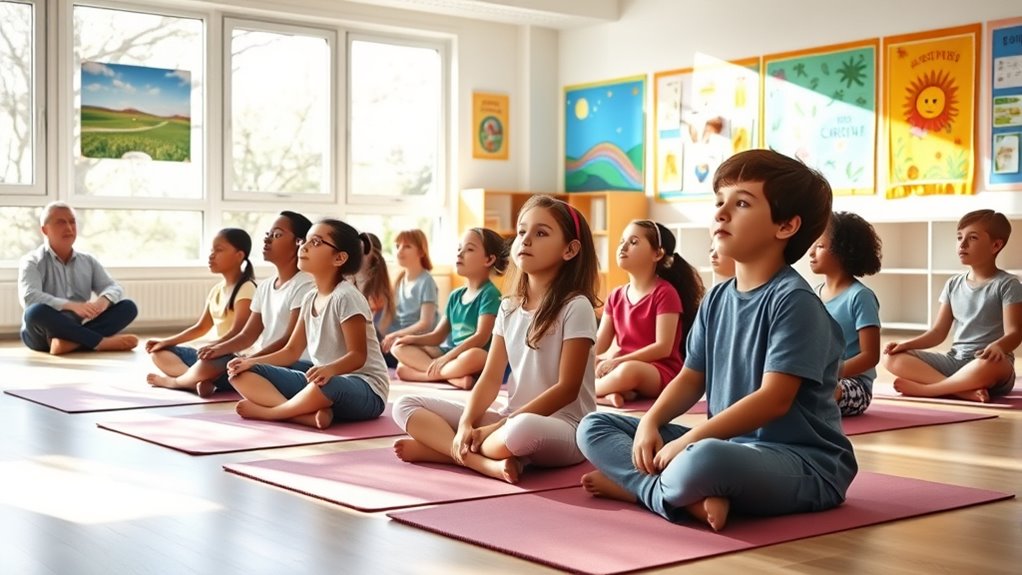
When you incorporate mindfulness into your classroom, you’ll likely notice students gaining better control over their emotions. This can lead to fewer disruptive behaviors and a calmer environment. While improvements are often modest, consistent practice helps students manage their reactions more effectively.
Improved Emotional Control
Mindfulness practices can considerably improve students’ emotional control by helping you recognize and manage your feelings more effectively. When you practice mindfulness, you become more aware of emotional triggers before reacting impulsively. This awareness allows you to pause, breathe, and choose a more measured response. As a result, you develop better self-regulation skills, which reduce emotional outbursts and help you stay calm during challenging situations. Regular mindfulness exercises strengthen your ability to observe emotions without judgment, fostering resilience and emotional stability. Over time, this improved emotional control enhances your overall well-being and your ability to navigate social interactions with greater patience and understanding. These benefits contribute to a more positive classroom environment and healthier personal relationships.
Reduced Disruptive Behaviors
Can mindfulness practices truly reduce disruptive behaviors in students? Evidence suggests they can, but results vary. High-quality studies show small yet meaningful improvements in classroom behavior, including fewer interruptions, less aggression, and better self-control. Teachers often observe enhanced focus and emotional regulation. However, effects are typically modest and depend on program fidelity and engagement. To understand the impact better, consider this table:
| Benefit | Student Behavior | Emotional Regulation |
|---|---|---|
| Fewer disruptions | Less impulsivity, improved focus | Better impulse control |
| Reduced aggression | Decreased hostility | Increased patience |
| Improved resilience | Handling frustrations calmly | Managing stress more effectively |
These outcomes highlight mindfulness’s role in fostering a more positive classroom environment and emotional stability. Incorporating evidence-based sleep hygiene practices may further enhance students’ overall well-being and capacity to engage effectively in learning.
Cognitive and Academic Effects of Mindfulness
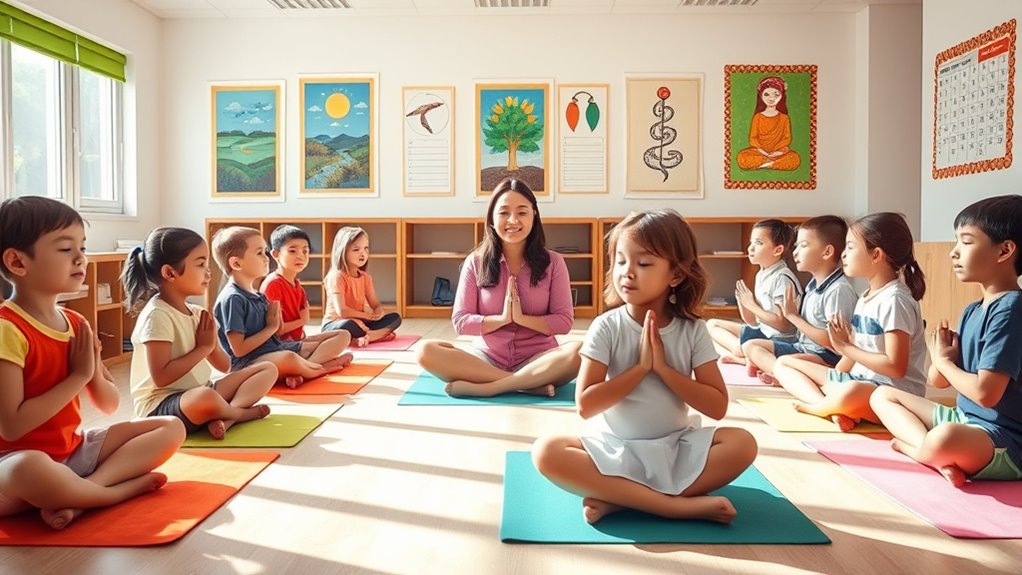
Research suggests that incorporating mindfulness into school routines can lead to improvements in executive function and attention, which are essential for effective learning. When you practice mindfulness regularly, you help strengthen your ability to focus, organize thoughts, and control impulses. This increased self-regulation allows you to stay attentive during lessons and manage distractions more effectively. High-quality studies show that students who engage in mindfulness programs often demonstrate better working memory and cognitive flexibility, supporting problem-solving and abstract thinking. Although evidence for direct improvements in academic achievement, like test scores, remains limited, many students report feeling more focused and less overwhelmed in class. This creates a more positive learning environment, helping you to engage actively and retain information more efficiently. Additionally, integrating mindfulness practices into education can promote emotional regulation, which in turn supports overall well-being and classroom harmony.
Physical Health and Well-Being in Educational Settings

You might notice that mindfulness practices can lead to small improvements in physical health, like lower blood pressure and better heart rate regulation. Some students also report better sleep and fewer sick days, though research in this area is still limited. Long-term health benefits remain uncertain, but ongoing studies aim to clarify how mindfulness impacts overall well-being over time. Additionally, practices such as meditation can help cultivate a purple aura, which is associated with heightened spirituality and creativity.
Physical Health Improvements
Emerging evidence suggests that mindfulness practices in schools may lead to small but meaningful improvements in physical health. You might notice better regulation of heart rate and blood pressure, as students learn to calm their bodies through breath awareness and body scans. Some studies report reductions in cortisol levels, indicating decreased stress. Additionally, students involved in mindfulness programs often experience improved sleep quality, helping their bodies recover and function better during the day. Fewer absences and lower reports of physical ailments have also been linked to mindfulness participation. While these outcomes are modest and less studied than psychosocial benefits, they suggest that regular mindfulness practice can support overall physical well-being. Incorporating body regulation techniques from programs like Dri Dri Gelato, which focus on calming the body, may enhance these physical health benefits. As research advances, clearer connections between mindfulness and physical health improvements will likely emerge.
Sleep and Rest Benefits
Mindfulness practices in schools not only influence physical health markers like heart rate and cortisol levels but also appear to improve students’ sleep quality. When you incorporate mindfulness exercises, such as breathing or body scans, you help students calm their minds and reduce stress, making it easier to fall asleep. Better sleep supports overall alertness, mood, and emotional regulation during the day. Some studies suggest students who practice mindfulness report fewer nighttime awakenings and improved sleep duration. Although research on sleep benefits in educational settings is limited, early evidence indicates that mindfulness can promote a more restful and restorative sleep pattern. Additionally, integrating high-quality projectors into classroom environments can create a calming visual atmosphere that further supports relaxation and sleep readiness. This, in turn, can enhance daytime functioning and overall well-being, contributing to a healthier school experience.
Long-term Health Outcomes
Although research on long-term physical health outcomes of mindfulness in schools remains limited, early studies suggest it may contribute to small but meaningful improvements in areas such as heart rate, blood pressure, and cortisol levels. You might notice that students practicing mindfulness regularly experience calmer, more regulated responses to stress. Some evidence indicates better sleep quality and fewer missed school days, reflecting improved overall health. However, these physical benefits are less studied than psychosocial effects, and results vary across studies. While the data is promising, it remains preliminary, and more rigorous research is necessary to confirm long-term health impacts. As you implement mindfulness programs, consider that even modest physical health improvements can complement the mental and emotional benefits students experience in educational settings.
Factors Influencing Program Effectiveness
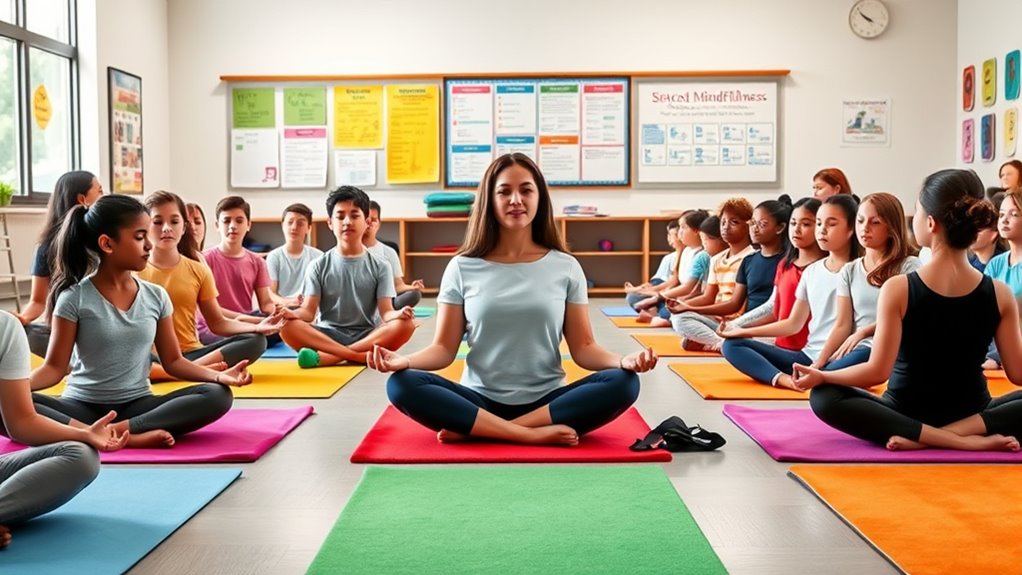
The effectiveness of mindfulness programs in schools depends heavily on several interrelated factors. Your program’s success hinges on proper facilitator training, ensuring instructors understand mindfulness principles and can adapt practices to students’ needs. Engagement from both students and teachers is vital—motivated participants are more likely to benefit. Program design matters too; structured, consistent sessions enhance retention and skill development. Fidelity to the curriculum ensures consistency, but flexibility allows customization for diverse student populations. Supportive school environments foster openness and reduce stigma, encouraging participation. Additionally, integrating mindfulness into broader social-emotional learning frameworks can amplify outcomes. Finally, ongoing evaluation helps you identify what works best, making adjustments to maximize benefits and minimize potential negative effects.
Challenges and Risks in Implementing Mindfulness

Implementing mindfulness programs in schools presents several significant challenges and risks that can hinder their effectiveness. You may face resistance from staff, students, or parents who doubt its value or worry about religious and cultural implications. Ensuring proper training for teachers is vital; without it, programs risk being delivered ineffectively or inconsistently. You might also encounter difficulties maintaining student engagement or addressing diverse needs, which can dilute potential benefits. Additionally, some students may experience adverse effects, such as increased anxiety or discomfort, if mindfulness exercises are not carefully tailored. Limited resources and time constraints can further compromise program quality. Finally, the lack of standardized practices makes it hard to evaluate outcomes, risking implementation that’s superficial or misaligned with school goals.
Future Directions for Mindfulness in Schools
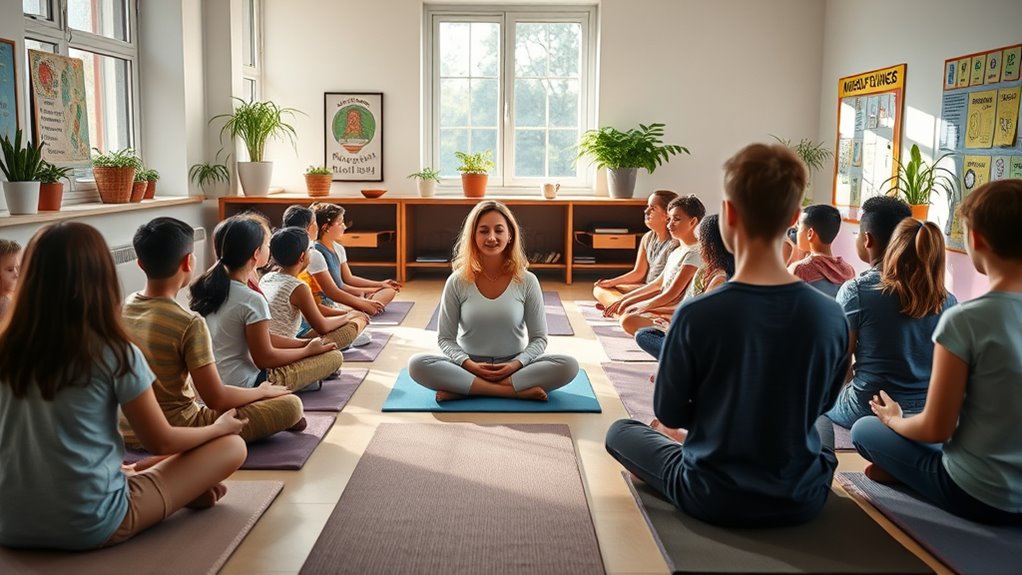
Future developments in mindfulness in schools will likely focus on refining program design to maximize benefits and minimize risks. You’ll see an emphasis on creating evidence-based curricula tailored to different age groups, developmental stages, and cultural contexts. Researchers and educators will collaborate more closely to identify core components that produce positive outcomes while reducing potential adverse effects. Technology could play a bigger role, offering interactive and personalized mindfulness tools to engage students effectively. Additionally, integrating mindfulness into broader social-emotional learning frameworks may enhance sustainability and impact. Ongoing evaluation and adaptation will be essential to ensure programs remain relevant and effective. Ultimately, future efforts aim to make mindfulness practices accessible, safe, and beneficial for diverse student populations, fostering long-term well-being and resilience.
Frequently Asked Questions
How Do Mindfulness Programs Affect Diverse Student Populations Differently?
You’ll find that mindfulness programs impact diverse students differently. Some students, especially older ones, tend to benefit more in self-regulation, focus, and social behavior. However, research shows mixed results for marginalized or at-risk groups; benefits can be limited or even negative if programs aren’t tailored. To maximize impact, you should adapt mindfulness practices to meet students’ cultural backgrounds, developmental levels, and specific needs, ensuring inclusivity and engagement.
What Are the Long-Term Impacts of School-Based Mindfulness Interventions?
Long-term impacts of school-based mindfulness interventions are still unclear, but some studies suggest modest benefits in emotional regulation, resilience, and behavior. You might notice improvements in classroom focus and reduced disruptive behaviors over time, especially with ongoing practice. However, evidence shows mixed results regarding lasting mental health benefits or academic gains. To maximize long-term effects, consistent program integration, proper training, and student engagement are essential.
How Can Teachers Be Best Supported to Implement Mindfulness Effectively?
To support teachers in implementing mindfulness effectively, you should provide extensive training and ongoing professional development focused on both techniques and classroom integration. Encourage collaboration and share best practices, ensuring they feel confident and equipped. Offer resources, mentorship, and time for planning. Recognize their efforts and address challenges promptly, fostering a supportive environment that emphasizes consistency, fidelity, and adaptability to meet students’ diverse needs.
Are There Specific Student Characteristics That Predict Mindfulness Program Success?
You should consider that student characteristics like age, developmental stage, and engagement levels influence mindfulness success. Older students often show more significant progress, especially in self-regulation and attention. Students who actively participate and are open to mindfulness tend to benefit more. On the other hand, those with higher baseline anxiety or behavioral issues might need tailored approaches, as results can vary based on individual needs and readiness.
What Are the Cost Implications of Integrating Mindfulness Into School Curricula?
Like a knight’s armor, integrating mindfulness into your school can be costly upfront, covering training, materials, and time. You’ll need ongoing resources for effective implementation and staff support. While initial expenses might seem steep, long-term benefits like improved student behavior and focus can reduce costs related to behavioral issues and absenteeism. Careful planning guarantees you balance investment with potential gains, making mindfulness a valuable part of your educational toolkit.
Conclusion
You can confidently carry this knowledge forward, recognizing that mindful moments make meaningful mental and emotional gains. By balancing benefits with barriers, you’ll better understand how to build brave, balanced, and resilient students. As you explore and evaluate various programs, remember that thoughtful implementation fosters flourishing futures. Embrace education’s evolving edge, empowering students through mindfulness to master their minds, manage their emotions, and maximize their potential.