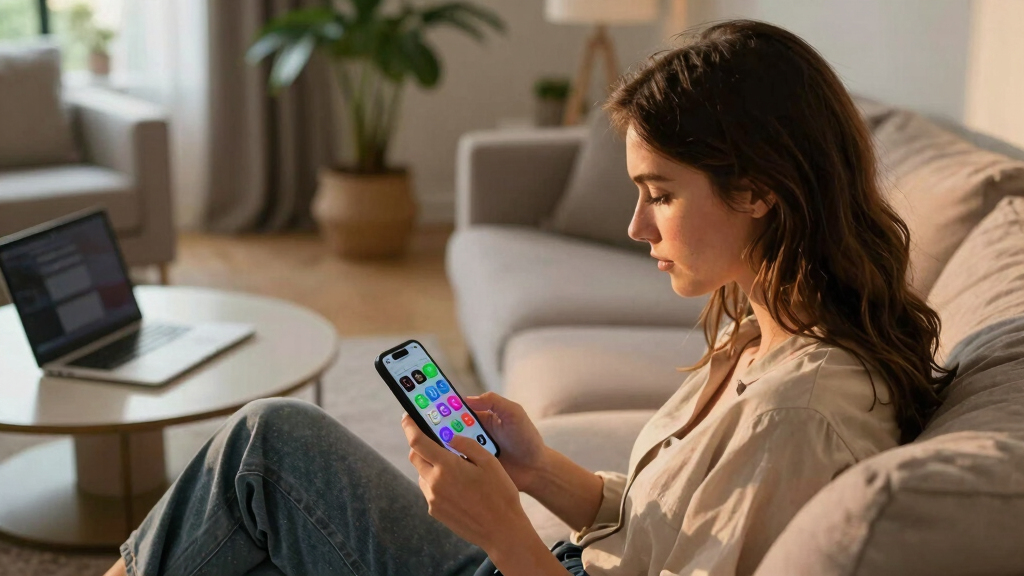

TL;DR
A new survey shows that a significant portion of the UK population believes social media and increased screen time harm their mental health. The findings highlight ongoing concerns about digital wellbeing as media habits evolve.
A recent survey conducted across the UK reveals that a majority of respondents believe that increased social media use and screen time have a negative impact on their wellbeing. The findings underscore ongoing debates about digital consumption and mental health in 2026, with policymakers and health professionals paying close attention.
The survey, carried out by the National Media and Wellbeing Institute, involved over 5,000 adults across the UK. It found that approximately 65% of participants think that their social media habits contribute to feelings of anxiety or stress. Additionally, 70% expressed concern about the amount of time they spend in front of screens daily.
Experts suggest that these perceptions are driven by increased awareness of mental health issues linked to digital media. Dr. Emily Carter, a psychologist specializing in digital wellbeing, noted that “public concern about social media’s impact is rising, and many individuals are actively trying to reduce their screen time.” The survey also reported that about 40% of respondents have taken steps to limit their social media use in recent months.
Why Public Perception of Digital Media Matters in 2026
The survey results reflect a shift in public attitudes towards digital media, with many Brits recognizing potential harms associated with social media and prolonged screen exposure. This perception could influence future policies on digital regulation, advertising, and mental health support. The widespread concern may also lead to behavioral changes, such as increased digital detox efforts or demand for healthier media alternatives.
Understanding these attitudes is crucial for policymakers, tech companies, and health professionals aiming to address the mental health implications of digital consumption. The findings suggest that digital wellbeing will remain a key issue in public discourse and legislative agendas throughout 2026 and beyond.
As an affiliate, we earn on qualifying purchases.
UK Media Consumption Trends and Growing Digital Concerns
Over the past decade, UK media consumption has shifted significantly towards digital platforms, with social media becoming a primary source of news, entertainment, and social interaction. According to recent data, the average adult spends over 4 hours daily on screens, a figure that has steadily increased since 2020. Concerns about the mental health impacts of this trend have been rising, especially amid reports of increased anxiety, depression, and digital fatigue.
Previous studies have indicated that young people are particularly vulnerable, but recent surveys suggest that concerns now extend across all age groups. The government and health organizations have initiated campaigns promoting digital wellbeing, but public skepticism about the effectiveness of such measures persists.
In 2026, these trends are compounded by debates over social media regulation, data privacy, and the role of tech giants in mental health. The current survey adds to the evidence that societal attitudes towards digital media are shifting, with a growing segment of the population questioning the long-term impact of their digital habits.
“Many people are becoming more aware of how social media can affect their mental health, and they’re taking steps to reduce their exposure.”
— Dr. Emily Carter, psychologist
As an affiliate, we earn on qualifying purchases.
Unclear How Perceptions Will Influence Policy and Behavior
It remains uncertain whether these perceptions will lead to substantial policy changes or widespread behavioral shifts. While many individuals report concerns and some are actively reducing screen time, the broader societal impact and the effectiveness of potential interventions are still developing. Further research is needed to assess long-term effects and policy responses.
mental health smartphone accessories
As an affiliate, we earn on qualifying purchases.
As an affiliate, we earn on qualifying purchases.
Future Directions for Digital Wellbeing in the UK
Authorities and advocacy groups are expected to continue promoting digital wellbeing initiatives throughout 2026. Policymakers may consider new regulations on social media platforms, while health services could expand mental health support tailored to digital fatigue. Monitoring public attitudes and media consumption patterns will be crucial in shaping future strategies.
As an affiliate, we earn on qualifying purchases.
Key Questions
Most respondents believe that social media use contributes to anxiety, stress, and digital fatigue, prompting some to limit their screen time.
Are there any government measures addressing digital wellbeing?
While initiatives promoting digital health exist, concrete policy changes are still under discussion, with ongoing debates about regulation and education campaigns.
How are individuals reducing their social media use?
Many are adopting strategies such as digital detoxes, setting time limits, or uninstalling apps to manage their screen time better.
This is still uncertain; policymakers are considering options, but legislative action has yet to be finalized.
What impact might these perceptions have on mental health services?
Increased awareness may lead to expanded mental health support focused on digital fatigue and online-related stress.
Source: rss