TL;DR

Get the little things that make your day delivered free with Prime
- Fast, free delivery on millions of items
- Prime Video, Amazon Music and more included
- Member-only deals all year
‘Dirty Soda Spheres’ are edible, flavored spheres that mimic soda bubbles, gaining popularity on social media. The trend has sparked curiosity among food enthusiasts and health officials.
‘Dirty Soda Spheres’ are edible, flavored spheres that mimic the appearance and sensation of soda bubbles, rapidly gaining attention on social media platforms since early 2024. The trend involves creating small, gel-like spheres that burst in the mouth, offering a novel sensory experience. This development matters because it highlights innovative food presentation techniques and raises questions about safety and regulation for new edible products.
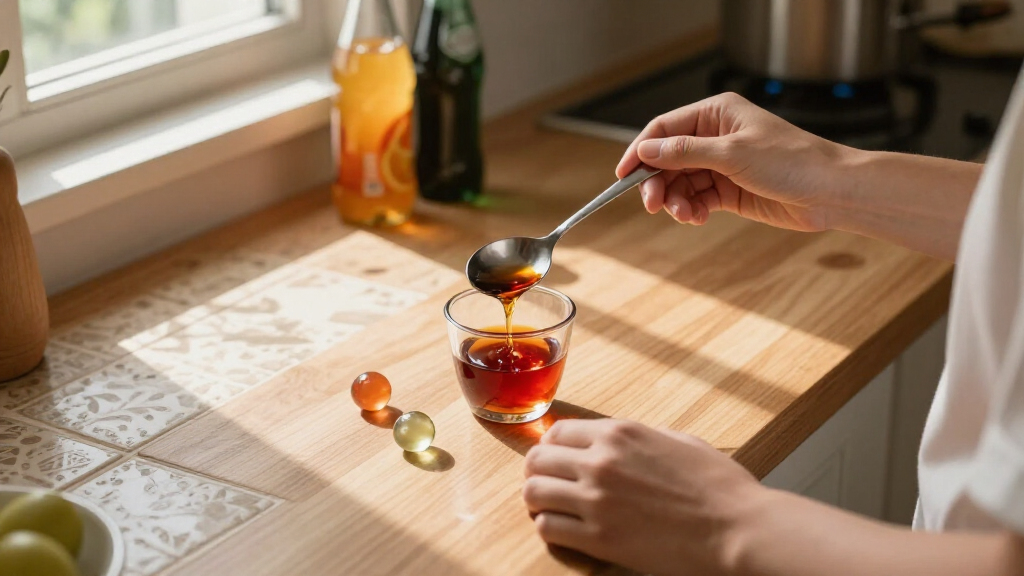
The ‘Dirty Soda Spheres’ trend originated from food innovators and social media influencers experimenting with spherification techniques, traditionally used in molecular gastronomy. These spheres are made by encapsulating flavored liquids in a gel membrane, resulting in a small, burstable ball that resembles soda bubbles. Several online videos show users adding these spheres to drinks or eating them directly, claiming they mimic the fizzy sensation of soda.
According to food scientist Dr. Emily Carter, the spheres are created using calcium chloride and sodium alginate, common ingredients in spherification. While the process is established in culinary circles, the commercial availability and regulation of these products are still evolving. No official health warnings or approvals have been issued, but some health authorities are monitoring the trend for potential safety concerns.
Consumers and vendors are exploring various flavors, including cola, lemon-lime, and fruit punch, with some claiming the spheres enhance the drinking experience. However, there is limited data on long-term safety, and experts caution that improper preparation could pose health risks. The trend has sparked debate about food safety standards in the context of DIY and small-scale commercial production.
Implications for Food Innovation and Safety Regulations
The rise of ‘Dirty Soda Spheres’ reflects ongoing innovation in culinary techniques, especially in the realm of molecular gastronomy and experiential food. For consumers, it offers a novel way to enjoy familiar flavors with a new sensory twist. However, the trend also raises important questions about food safety, regulation, and the need for standards as such products become more widespread. Authorities may need to develop guidelines for safe production and consumption to prevent health risks associated with unregulated ingredients or procedures.
molecular gastronomy spherification kit
As an affiliate, we earn on qualifying purchases.
As an affiliate, we earn on qualifying purchases.
Origins of Spherification and Trend Adoption
The technique of spherification was developed in the early 2000s as part of molecular gastronomy, popularized by chefs like Ferran Adrià. It allows chefs and food creators to encapsulate liquids in a gel membrane, creating edible spheres that resemble caviar or bubbles. Recently, social media influencers and small food startups have adapted this technique to produce ‘Dirty Soda Spheres,’ which mimic soda bubbles visually and texturally. The trend gained rapid popularity on platforms like TikTok and Instagram, especially among younger audiences seeking novel food experiences.
While the technique itself is well-established in culinary science, the specific application to soda-flavored spheres is new and largely driven by social media sharing. There is limited regulation or oversight on DIY recipes or small-scale commercial products, leading to potential safety gaps.
“These spheres are created using standard spherification methods, but the safety depends on proper preparation and ingredients. Consumers should be cautious about unregulated products.”
— Dr. Emily Carter, Food Scientist
As an affiliate, we earn on qualifying purchases.
Unclear Regulatory Status and Safety Concerns
It is not yet clear whether ‘Dirty Soda Spheres’ are legally classified as food products or if they meet existing safety standards. No official health warnings or approvals have been issued by regulatory agencies like the FDA or equivalent bodies in other countries. There is also limited scientific data on the long-term safety of the ingredients used, especially when prepared outside professional kitchens. The potential risks of contamination, improper preparation, or allergic reactions remain under investigation.
As an affiliate, we earn on qualifying purchases.
Monitoring and Possible Regulatory Developments
Health authorities and food safety agencies are expected to monitor the trend closely, assessing whether new regulations are needed for DIY food products like ‘Dirty Soda Spheres.’ Industry groups may develop guidelines for safe production, and some vendors might seek official approval or certification. Consumers are advised to exercise caution and ensure products are made with approved ingredients and proper techniques. Further scientific studies and regulatory responses are anticipated in the coming months.
food-grade calcium chloride and sodium alginate
As an affiliate, we earn on qualifying purchases.
As an affiliate, we earn on qualifying purchases.
Key Questions
Are ‘Dirty Soda Spheres’ safe to eat?
While the technique is established in culinary science, the safety of commercially produced or homemade ‘Dirty Soda Spheres’ depends on proper ingredients and preparation. Consumers should be cautious, especially with unregulated products, and follow safety guidelines.
Can I make ‘Dirty Soda Spheres’ at home?
Yes, the basic spherification process can be done at home using readily available ingredients like sodium alginate and calcium chloride. However, proper technique and safety precautions are essential to avoid health risks.
Are regulators planning to ban or regulate this trend?
It is currently unclear. Authorities are monitoring the trend, and future regulations may be introduced to ensure safety, especially if the trend continues to grow or if safety issues arise.
What flavors are available for ‘Dirty Soda Spheres’?
Various flavors are being experimented with, including cola, lemon-lime, and fruit punch. The flavor depends on the liquid used in the encapsulation process.
Could ‘Dirty Soda Spheres’ pose health risks?
Potential risks include contamination or allergic reactions if ingredients are not handled properly. Long-term safety data is limited, so caution is advised, especially with homemade or unregulated products.
Source: rss
Halloween Picks
halloween
As an affiliate, we earn on qualifying purchases.