
Rewards reinforce your behaviors by boosting motivation, building confidence, and creating strong links between actions and outcomes that help habits become automatic. Reinforcement schedules, like consistent timing or response-based rewards, shape how habits develop over time. Punishments might suppress unwanted behaviors temporarily but can hinder long-term habit formation and cause stress. Neural pathways in your brain, especially the basal ganglia, strengthen with reinforcement, making habits stick. Continuing this journey will reveal how to use these mechanisms effectively for lasting change.
Key Takeaways
- Rewards strengthen behavior by increasing motivation, confidence, and forming automatic associations, facilitating habit formation.
- Reinforcement schedules, especially consistent and frequent rewards, promote stronger, more ingrained habits.
- Punishments may suppress undesired behaviors temporarily but hinder long-term habit development and can cause stress.
- Neural mechanisms like dopamine release in the basal ganglia reinforce cue-response pathways, supporting habit automaticity.
- Practical reinforcement strategies include consistency, clear cues, celebrating milestones, and patience to effectively embed habits.

1step2dream Atomic Habit Journal | 5 Minute Daily Habit Stacking Tool for Goal-Oriented Gratitude Planning
This planner is inspired by the essence of effective habit-building strategies and aims to help individuals leverage wisdom…
As an affiliate, we earn on qualifying purchases.
As an affiliate, we earn on qualifying purchases.
The Role of Rewards in Habit Formation

Rewards play a crucial role in shaping habit formation by reinforcing behaviors and increasing motivation. When you receive positive feedback, it strengthens your belief that the behavior is worthwhile, encouraging you to repeat it. Rewards boost your self-efficacy, making you more confident in your ability to sustain the action over time. Consistent reinforcement creates a strong association between the behavior and its positive outcome, helping the behavior become automatic. This process reduces cognitive effort, so you perform the habit with less conscious thought. Over time, the behavior shifts from deliberate to habitual, driven by the rewarding experience. Effective rewards are key to maintaining motivation, especially during the early stages of habit development. They lay the groundwork for long-lasting behavioral change. Additionally, understanding the benefits of raw food can motivate individuals to adopt healthier habits that are reinforced through positive experiences.

Modern Habit Tracker Sticky Note Pad / 50 Sheets / 8" x 11.5" Positive Habit List Sticky Notes/Weekly Accountability Checklist/Made in The USA
Includes: Habit tracker sticky note pad with 50 sheets total.
As an affiliate, we earn on qualifying purchases.
As an affiliate, we earn on qualifying purchases.
How Reinforcement Schedules Shape Behavior

Reinforcement schedules are critical in determining how behaviors develop and stabilize over time. You influence habit formation through the type and timing of reinforcement you use. Interval schedules, where reinforcement depends on elapsed time, tend to foster automatic, stimulus-response habits because they weaken the link between response and reward. Conversely, ratio schedules, which reinforce after a certain number of responses, strengthen goal-directed behavior by clarifying the response-outcome connection. When you use consistent reinforcement patterns, behaviors become more predictable and ingrained. The frequency of reinforcement also matters: higher rates encourage stronger habits, especially when combined with stable contexts. For example, hydrocolloid technology in pimple patches is often used to absorb impurities effectively, illustrating how specific reinforcement of product features can influence consumer habits. By understanding how different schedules shape behavior, you can design more effective strategies to promote lasting habits through tailored reinforcement.

Behavior Reward Chart System – Pad with 26 Chore Charts for Kids, 2800 Stickers to Motivate Responsibility & Good Habits
Sticker chore Chart pad for kids with 26 perforated pages and 2800 stickers
As an affiliate, we earn on qualifying purchases.
As an affiliate, we earn on qualifying purchases.
Punishments and Their Impact on Habit Development
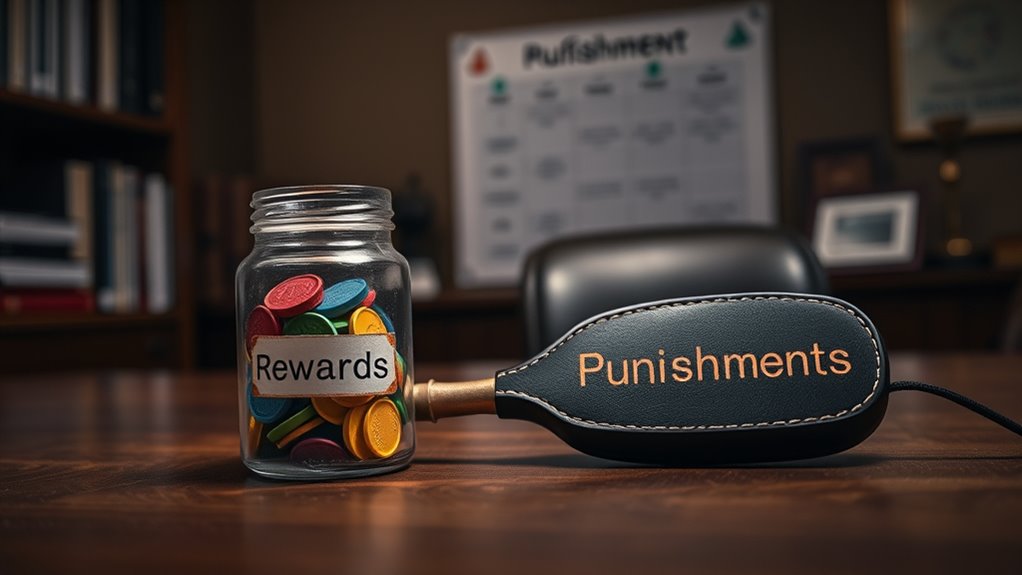
Have you ever wondered how punishments influence the way habits form and evolve? Punishments can suppress undesired behaviors temporarily but often hinder long-term habit development. When you face negative consequences, you might avoid the behavior in the short run, but this avoidance may not lead to new, positive habits. Instead, punishments can create stress or fear, which interfere with learning and motivation. They may also cause you to focus on avoiding punishment rather than building positive associations. Over time, reliance on punishments can weaken your sense of self-efficacy, making it harder to establish sustainable habits. Ultimately, punishments tend to be less effective than rewards for fostering durable, automatic behaviors that stick without negative emotional baggage.

The Habit-Building Journal: 90 Day Self-Guided Transformation
As an affiliate, we earn on qualifying purchases.
As an affiliate, we earn on qualifying purchases.
Neural Underpinnings of Reinforcement Learning

Neural mechanisms underlying reinforcement learning involve specific brain circuits that encode the association between stimuli, actions, and outcomes. You mainly engage the basal ganglia, especially the striatum, which helps link environmental cues to behaviors. When you receive positive reinforcement, dopamine is released, reinforcing neural pathways associated with that behavior. This dopamine surge strengthens connections between cues and responses, making the action more automatic over time. Repeated pairing of context and behavior creates stable neural patterns that support effortless habit execution. As habits develop, control shifts from the prefrontal cortex, responsible for goal-directed actions, to the basal ganglia, driving stimulus-response routines. Disrupting these neural pathways, such as through changes in reinforcement or context, can weaken or break established habits. Additionally, exfoliation of dead skin cells plays a crucial role in maintaining healthy skin and can be enhanced through the use of glycolic acid.
Practical Strategies for Effective Habit Reinforcement

What are the most effective ways to strengthen habit formation in everyday life? Consistency is key. Repeating behaviors in the same context builds automatic responses, making habits more ingrained. Use clear cues to trigger actions, and reward small wins to reinforce progress. Incorporate structured schedules, like interval reinforcement, to promote stronger habits over time. To evoke emotion and motivation, consider this table:
| Motivation Technique | Emotional Impact |
|---|---|
| Celebrate milestones | Boosts confidence and joy |
| Visualize success | Inspires commitment |
| Track progress | Creates a sense of achievement |
| Share goals | Fosters accountability |
| Reflect on benefits | Reinforces purpose and satisfaction |
Stay patient and persistent. Reinforce behaviors regularly, and habits will become an effortless part of your life.
Frequently Asked Questions
How Do Individual Differences Influence Response to Rewards in Habit Formation?
Your individual differences, like motivation levels and personality traits, shape how you respond to rewards in habit formation. If you’re highly motivated, rewards might boost your persistence, making habits stick faster. Conversely, if you’re less responsive to external incentives, rewards may have limited effects. Your past experiences, neural wiring, and reinforcement sensitivity also influence how strongly rewards influence your behavior, affecting how easily you develop and maintain new habits.
Can Habits Form Without Any External Reinforcement or Rewards?
Yes, habits can form without external reinforcement or rewards. When you repeat a behavior consistently in the same context, it gradually becomes automatic, shifting from goal-directed to habitual. Over time, the behavior requires less cognitive effort and is triggered by environmental cues. Repetition alone, especially in stable settings, can strengthen habits, making them ingrained even without any external incentives or reinforcement.
What Role Does Intrinsic Motivation Play Alongside Extrinsic Rewards?
Did you know that intrinsic motivation can be as effective as extrinsic rewards in maintaining habits? You play a essential role by fostering internal satisfaction, which makes behaviors more automatic over time. When you enjoy an activity or find personal meaning in it, you’re more likely to sustain the habit without relying solely on external rewards. This internal drive enhances long-term consistency, making habits more resilient and personally fulfilling.
How Do Cultural Factors Affect Reinforcement Effectiveness in Habits?
Cultural factors shape how reinforcement influences your habits by shaping what’s valued and acceptable. If your culture emphasizes community, social approval, or traditional practices, reinforcement tied to these aspects becomes more effective. You’ll find that culturally aligned rewards motivate you more, making habits stick better. Conversely, if the reinforcement conflicts with cultural norms, it may weaken or slow habit development, so understanding cultural context is key for effective habit reinforcement.
Are There Long-Term Risks Associated With Using Punishments in Habit Development?
Using punishments in habit development can pose long-term risks, such as increasing anxiety, reducing intrinsic motivation, or fostering negative associations with the behavior. You might find that punishments lead to avoidance or resentment, making it harder to sustain the habit over time. Instead, focusing on positive reinforcement helps build automaticity and supports lasting change without the adverse emotional effects associated with punishment.
Conclusion
By understanding how rewards and punishments influence your habits, you can better shape your behavior. Did you know that consistent reinforcement increases the likelihood of habit formation by up to 65%? When you use effective reinforcement schedules and understand the neural mechanisms behind learning, you set yourself up for success. Remember, small rewards can lead to big changes—so stay committed, celebrate progress, and watch your habits solidify over time.