
TL;DR

Get the little things that make your day delivered free with Prime
- Fast, free delivery on millions of items
- Prime Video, Amazon Music and more included
- Member-only deals all year
Ergonomic backpacks are designed to distribute weight properly, reducing strain on young backs. Picking the right one involves checking fit, features, and weight limits—key for student health.
Imagine carrying a backpack loaded with textbooks, a laptop, and supplies. Now imagine doing that every day without strain. That’s where ergonomic backpacks come in. They’re crafted to fit your body, reduce fatigue, and prevent long-term pain. You’ll learn how to pick the best one, what features matter most, and recent innovations making backpacks smarter and more eco-friendly. It’s not just about style—your health depends on it.
Every student deserves a backpack that supports their growing body. The right design can make a huge difference—transforming a heavy burden into a comfortable, organized experience. Ready to find one that fits your needs? Let’s dig into what makes an ergonomic backpack truly effective and how to choose the best fit for your lifestyle.
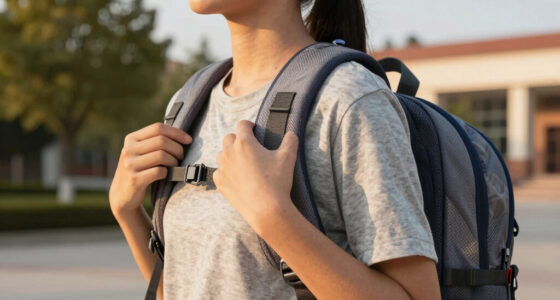
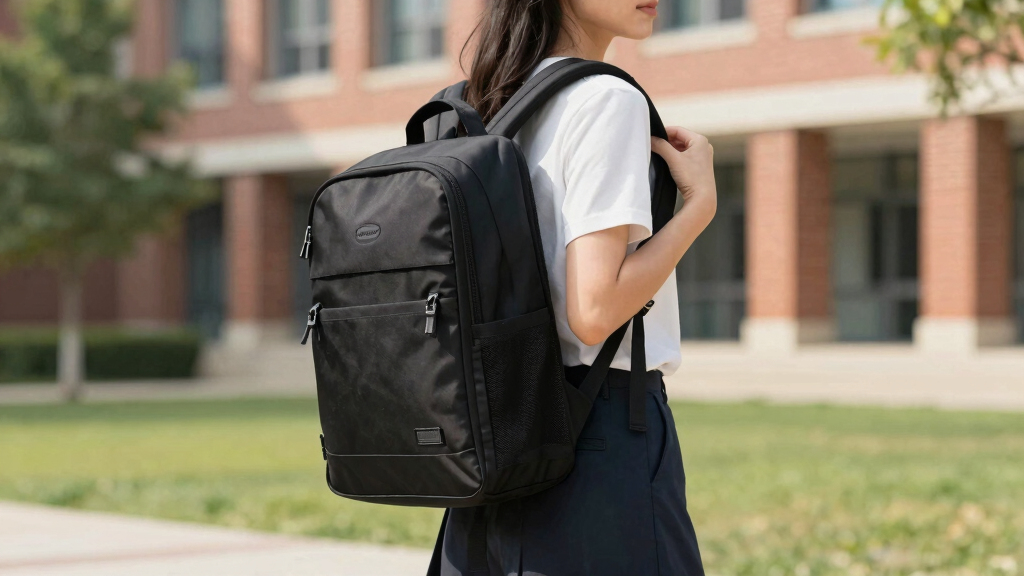
Choose backpacks with adjustable straps, padded back panels, and waist straps for a customized, stable fit.
Keep backpack weight under 10-15% of your child’s body weight to prevent back and shoulder issues.
Prioritize lightweight, durable materials and safety features like reflective elements for safety.
Stay updated on new tech features like USB ports and posture sensors that can enhance safety and convenience.
Teach your child to pack smart: only carry essentials, distribute weight evenly, and adjust straps daily.
How to Spot the Perfect Fit for Your Student’s Backpack
Choosing a backpack that fits well isn’t about size alone. It’s about how it feels on your body. An ergonomic backpack should sit snugly against your back, with adjustable straps that let you customize the fit. Padded shoulder straps and a cushioned back panel help distribute weight evenly, reducing pressure points that can cause discomfort or long-term injury. Proper fit ensures the load is balanced, which is crucial because uneven weight distribution can lead to muscle strain, poor posture, and even chronic pain as the body compensates for imbalance. When a backpack fits correctly, it encourages proper posture habits—like keeping the shoulders back and spine aligned—that are essential for preventing long-term musculoskeletal issues. Conversely, a poorly fitting pack can cause the wearer to lean forward or to one side, increasing the risk of misalignment and discomfort over time. Therefore, understanding how a backpack interacts with the body helps prevent these issues and promotes healthier movement patterns during everyday activities.
Look for a backpack that allows you to tighten straps so it sits close to your spine. It shouldn’t sway or hang loosely, which adds unnecessary strain and can cause the student to compensate with awkward postures. The waist strap is especially important—it transfers some of the load from the shoulders to the hips, which are better suited to carry weight, thereby reducing back and shoulder stress. Achieving a snug, comfortable fit isn’t just about immediate comfort; it’s about establishing healthy habits that prevent long-term musculoskeletal issues, especially during the critical years of growth.
As an affiliate, we earn on qualifying purchases.
Top Features That Make a Backpack Truly Ergonomic
| Feature | Why It Matters |
|---|---|
| Adjustable straps | They allow for a personalized fit, accommodating different body shapes and sizes. Properly adjusted straps ensure the load is distributed evenly across the shoulders and back, which minimizes localized pressure points that can cause discomfort or injury. Without adjustability, even a well-designed backpack can feel awkward or cause uneven strain, especially as children grow or carry varying loads. This flexibility is vital because a fixed strap length can either be too tight, restricting movement and causing discomfort, or too loose, leading to instability and uneven weight distribution. The ability to fine-tune fit promotes better posture, reduces fatigue, and helps prevent long-term musculoskeletal problems. |
| Padded back panels | Reduce pressure and friction against the spine and back muscles. Padded back panels also help absorb shocks from movement, preventing jolts that could aggravate back pain or cause postural misalignment. This padding acts as a buffer, making the backpack more comfortable during extended wear and helping maintain spinal health over time. Moreover, padding can help distribute pressure more evenly across the back, which is especially important for students carrying heavier loads. Proper padding choices balance comfort with breathability, preventing heat buildup and skin irritation, thus supporting sustained use without discomfort. |
| Waist and chest straps | Distribute weight more evenly and stabilize movement, especially during active periods like walking or running. These straps prevent the backpack from shifting, which can cause imbalance and muscle strain. They also reduce the load on the shoulders, decreasing the risk of developing poor posture habits or discomfort during long days. Using these straps correctly can significantly reduce the strain on the back and neck, especially when carrying heavier loads, by shifting some of the weight to the hips and chest—areas better suited to support weight. This not only enhances comfort but also encourages proper movement mechanics, reducing fatigue and injury risk over time. |
| Lightweight materials | Prevent adding unnecessary weight to an already heavy load, which is crucial since the total weight significantly impacts musculoskeletal health. Using lightweight yet durable materials maximizes protective features without compromising comfort or increasing the risk of fatigue and injury. The tradeoff involves balancing durability and weight—materials that are too heavy defeat the purpose of ergonomic design, while overly flimsy materials may not withstand daily wear. Selecting lightweight, high-strength fabrics ensures the backpack remains manageable for young users, encouraging consistent use and reducing the likelihood of overloading. |
| Reflective elements | Enhance safety during early mornings or evenings by increasing visibility. This is especially important as students often walk or bike to school in varying light conditions. Reflective features serve as an extra layer of safety, encouraging responsible habits that protect against accidents and injuries. Beyond safety, reflective elements also promote awareness among drivers and other pedestrians, which is vital during low-light times. When integrated thoughtfully into the design, these features can make the difference between a safe journey and an avoidable accident, especially in urban environments or areas with poor lighting. |
adjustable padded shoulder backpack
As an affiliate, we earn on qualifying purchases.
As an affiliate, we earn on qualifying purchases.
Latest Tech & Eco-Friendly Trends in Student Backpacks
Ergonomic backpacks are evolving fast. Smart backpacks now feature USB ports for charging devices and anti-theft zippers. Some include sensors that track weight and posture, syncing with apps to remind students to adjust or lighten their load. Meanwhile, eco-conscious designs use recycled fabrics and biodegradable components, appealing to environmentally aware students and parents. For example, a backpack made from recycled ocean plastics not only supports health but also protects the planet.
Innovations like modular compartments let students customize storage with removable sections, reducing bulk. Ventilated back panels improve airflow, keeping sweat and discomfort at bay during long school days. These advancements make choosing an ergonomic backpack not just about comfort, but also about smart, sustainable living.
lightweight ergonomic school backpack
As an affiliate, we earn on qualifying purchases.
As an affiliate, we earn on qualifying purchases.
How Much Weight Is Too Much? The Science of Safe Load Limits
For students, keeping backpack weight below 10-15% of their body weight is crucial. Heavy loads strain muscles, cause postural issues, and can lead to chronic back pain. For example, a 70-pound sixth grader shouldn’t carry more than about 10.5 pounds in their backpack. When the load exceeds this limit, the risk of developing musculoskeletal problems increases significantly, potentially leading to long-term issues that can affect their growth and daily comfort. This is why respecting weight limits is not just about immediate discomfort but about preventing cumulative strain that can influence posture and musculoskeletal health over years of growth. Overloading can cause students to adopt compensatory postures, like leaning forward or twisting, which may lead to misalignments and pain that persist long after school days are over. Recognizing these implications underscores the importance of moderation and proper load management in daily routines.
Using ergonomic backpacks with proper weight distribution features can help. But the best practice? Teach students to pack only essentials, use lockers when possible, and regularly clean out to avoid accumulation of unnecessary items. These habits reinforce the importance of moderation and awareness, helping students develop lifelong habits that prioritize health over convenience or volume.
back support backpack for students
As an affiliate, we earn on qualifying purchases.
As an affiliate, we earn on qualifying purchases.
Your Step-by-Step Guide to Choosing and Using an Ergonomic Backpack
- Measure your child’s torso length to find a backpack that aligns with their spine. This ensures the pack sits correctly, distributing weight evenly and reducing strain.
- Check the weight of the backpack—aim for under 1/10th of their body weight. Heavier packs can cause immediate discomfort and long-term health issues, so selecting a lightweight model is crucial.
- Test the straps: should be adjustable, padded, and snug without pinching or causing pressure points. Properly fitted straps help maintain correct posture and prevent discomfort during prolonged wear.
- Look for features like waist straps, ventilated panels, and reflective details. These add to the backpack’s ergonomic benefits, safety, and comfort, especially during active or early morning hours.
- Pack only what’s necessary, distributing weight evenly across compartments. Overloading or uneven packing can negate ergonomic benefits and increase injury risk.
- Adjust straps each morning to ensure a snug, comfortable fit. Regular adjustments accommodate growth and changes in load, maintaining health and comfort over time.
For instance, a student who carries a laptop, notebooks, and supplies can organize them into separate compartments, keeping heavier items close to the back for better balance. Remember, a good fit isn’t just about comfort; it’s about safeguarding health over years of school life.
Frequently Asked Questions
How do I know if a backpack fits my child properly?
The backpack should sit snugly against the back without sagging or pulling. Adjustable straps should allow your child to tighten it so it feels secure but not tight. The bottom should rest in the middle of their back, and weight should be evenly distributed across shoulders, hips, and back.
What features are must-haves for an ergonomic backpack?
Look for adjustable, padded shoulder straps, a padded back panel, waist and chest straps, lightweight durable materials, and reflective safety elements. These features help distribute weight evenly, increase comfort, and keep your child safe.
Can an ergonomic backpack really prevent back pain?
Yes, when used properly, ergonomic backpacks reduce strain on the back, neck, and shoulders. They promote better posture and help prevent long-term musculoskeletal issues, especially if the load stays within safe weight limits.
How much weight should my child carry daily?
The general rule is no more than 10-15% of their body weight. For example, a 60-pound child should carry no more than about 9 pounds. Teaching them to pack only essentials and use lockers can help stay within this limit.
Are ergonomic backpacks more expensive than regular ones?
They can be slightly pricier, but the investment pays off in health benefits and durability. Many brands now offer affordable ergonomic options that don’t compromise on comfort or safety.
Conclusion
Investing in an ergonomic backpack isn’t just about comfort—it’s a bout protecting your child’s long-term health. The right fit and features can turn a daily burden into a manageable, even enjoyable, part of their routine. Remember: a little awareness now saves years of back pain later.
Next time your child zips up their pack, think of it as more than just a bag. It’s a tool for better posture, confidence, and safety. Because every step toward ergonomic habits is a step toward a healthier future.
Halloween Picks
halloween
As an affiliate, we earn on qualifying purchases.