
Bilingual education offers many benefits, like improving academic skills, boosting cognitive functions, and increasing cultural awareness. It also opens doors to better job opportunities and higher salaries. However, it presents challenges like limited resources, political debates, and identity concerns. Despite these hurdles, strategies exist to make programs successful. If you keep exploring, you’ll discover how these benefits can shape your future in a multilingual world.
Key Takeaways
- Bilingual education enhances academic performance, cognitive skills, and cultural awareness.
- It offers economic advantages, including higher earning potential and expanded job opportunities.
- Challenges include political opposition, resource limitations, and maintaining language balance.
- Successful programs require well-designed curricula, trained teachers, and inclusive environments.
- Bilingualism fosters cross-cultural communication, identity pride, and global citizenship.
Top picks for "bilingual education benefit"
Open Amazon search results for this keyword.
As an affiliate, we earn on qualifying purchases.
Academic Advantages of Bilingualism

Have you ever wondered how speaking two languages can boost academic success? When you’re bilingual, your proficiency in your native language often strengthens, which translates into better skills in English and other subjects. This improved language foundation helps you achieve higher GPAs and perform better in math compared to monolingual peers. Using your first language during pre-writing activities can improve the quality of your second language writing, making your ideas clearer and more organized. Bilingual education also promotes literacy in both languages, giving you a broader academic edge. Studies show that students in bilingual programs often match or outperform those in English-only classes, demonstrating that maintaining your heritage language supports overall academic achievement and sets a strong foundation for future learning. Additionally, understanding reliable educational resources can help support effective bilingual learning strategies.
Cognitive Benefits of Learning Multiple Languages

Did you know that learning multiple languages can actually sharpen your brain’s ability to solve problems and switch tasks quickly? Bilinguals develop stronger executive functions, which help manage attention, inhibit distractions, and adapt to new situations. This mental flexibility enhances abstract thinking and improves problem-solving skills. As you switch between languages, you exercise different parts of your brain, boosting cognitive resilience. Here’s a look at some key cognitive benefits: Hybrid Bicycle
Social and Cultural Impact of Bilingual Education
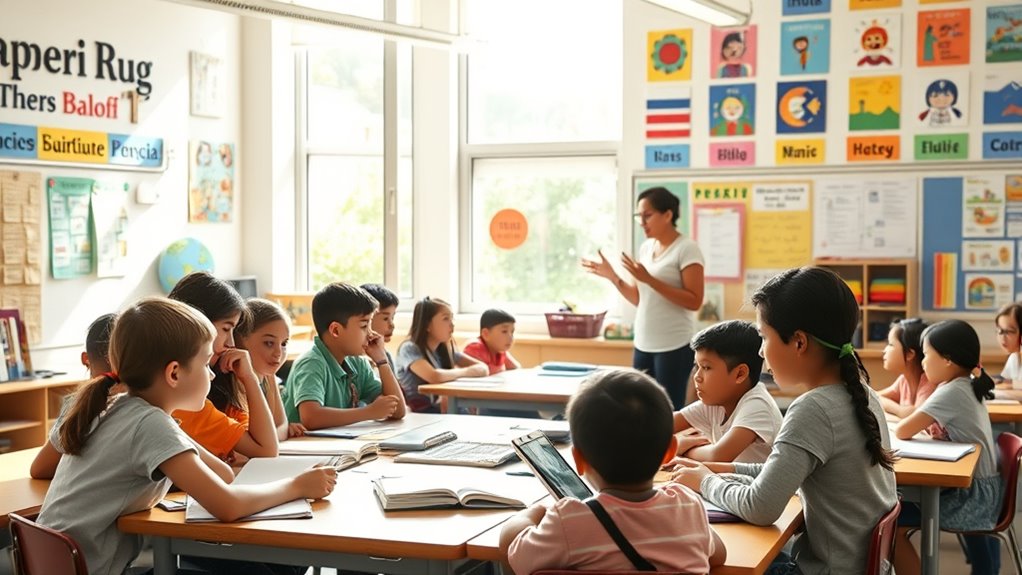
Bilingual education broadens your cultural awareness and helps you appreciate different perspectives. It also sharpens your cross-cultural communication skills, making it easier to connect with diverse groups. As you develop language and cultural confidence, you strengthen your sense of identity and build meaningful relationships across communities. Additionally, engaging with cultural nuances through bilingual learning enriches your understanding of global traditions and customs.
Cultural Awareness Enhancement
Cultural awareness is considerably enhanced through bilingual education because it immerses students in multiple linguistic and cultural contexts. You gain a deeper understanding of different traditions, values, and worldviews, which broadens your perspective. This exposure encourages respect and empathy for diverse cultures, fostering an inclusive mindset. As you navigate between languages, you become more aware of cultural nuances and social norms. This process helps you appreciate the richness of multicultural environments. Additionally, understanding home furnishings and their safety features can inspire a greater appreciation for the comfort and safety of different living environments, enriching your cultural awareness further.
Cross-Cultural Communication Skills
Mastering cross-cultural communication is a key benefit of bilingual education, as it equips you with the skills to navigate diverse social settings confidently. When you learn two languages, you gain insights into different cultural norms, values, and traditions, making you more adaptable and open-minded. This understanding helps you interpret conversations accurately and respond appropriately in multicultural environments. You become better at recognizing subtle social cues and respecting cultural differences, which fosters stronger relationships. Bilingual education also broadens your perspective, encouraging empathy and reducing misunderstandings. As a result, you’re more prepared to engage in international collaborations, travel, or multicultural communities. Developing these skills not only enhances your social interactions but also positions you for success in today’s interconnected world. Cultural intelligence plays a crucial role in effectively navigating and adapting to diverse cultural contexts, further amplifying the benefits of bilingual education.
Identity and Confidence Building
How does learning two languages shape your sense of self and boost your confidence? When you become bilingual, you gain a richer understanding of your identity, connecting with your cultural roots while embracing new perspectives. This duality fosters pride in your heritage and helps you feel more confident traversing diverse social settings. You start to see yourself as a global citizen, capable of bridging different worlds. Bilingual education encourages you to develop a stronger sense of belonging and authenticity. It also enhances your communication skills, making you more comfortable expressing yourself. Developing active listening and empathy is crucial in bilingual settings, as it deepens mutual understanding and respect.
Economic Opportunities for Bilingual Individuals
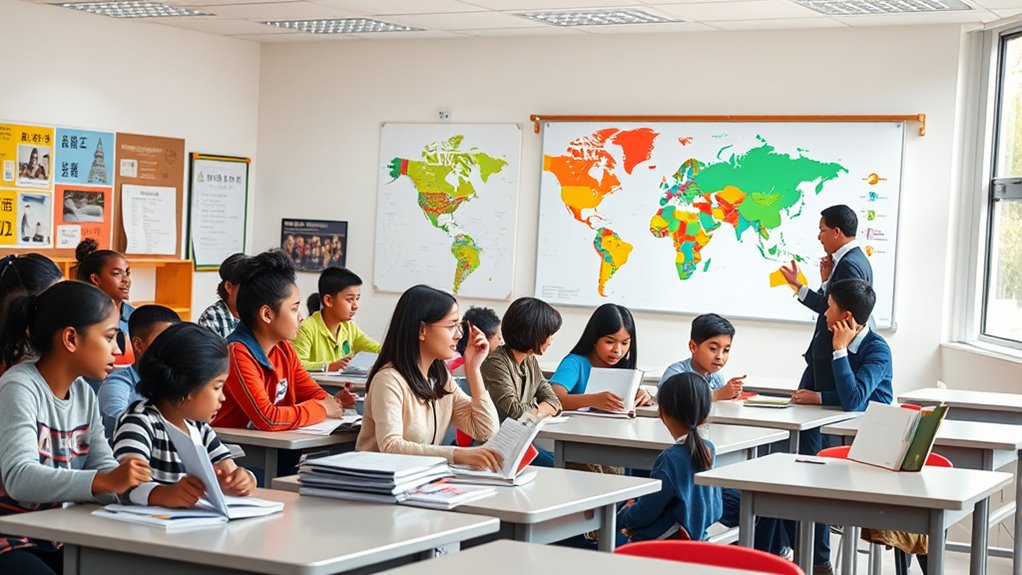
Being bilingual opens doors to more job opportunities worldwide, giving you a competitive edge in the global market. Research shows that bilingual individuals earn about 12.7% more on average, boosting your earning potential. As businesses expand internationally, your language skills can considerably enhance your career prospects and income. Additionally, the ability to communicate across cultures can improve interpersonal skills, making you a more valuable employee in diverse work environments.
Job Market Advantage
Bilingual individuals enjoy a significant advantage in the job market, as their ability to communicate in multiple languages opens doors to a wider range of career opportunities. Employers value bilingual skills because they enable you to serve diverse clients, expand business reach, and navigate international markets. Being bilingual can make you stand out in competitive fields like healthcare, diplomacy, and education. Plus, many organizations prioritize multilingual employees for roles involving cross-cultural communication and global collaboration. Additionally, being aware of divorce laws and proceedings in different regions can be beneficial for expatriates and international professionals.
Salary Boost Potential
Mastering multiple languages can considerably increase your earning potential, as employers highly value bilingual employees who can bridge communication gaps and expand market reach. Being bilingual often leads to an average salary boost of around 12.7%, giving you a competitive edge in the job market. Many industries, such as healthcare, business, education, and diplomacy, actively seek bilingual professionals, opening doors to higher-paying roles. Your ability to communicate effectively across cultures can make you indispensable to organizations operating globally. Additionally, bilingual workers can negotiate better salaries and benefits, reflecting their unique skills. Regular use of skincare patches can also be seen as a form of targeted treatment that enhances overall skin health, similar to how mastering a second language can serve as a targeted skill to boost your career. This economic advantage isn’t just short-term; it can boost your career trajectory over time, positioning you for leadership roles and increased earnings in an increasingly interconnected world.
Challenges and Barriers in Implementing Bilingual Programs

Implementing bilingual programs often faces significant challenges, particularly due to political and social debates that favor English-only policies. These debates can marginalize bilingual initiatives, making it harder to secure funding and support. You might also encounter issues with resource allocation, as schools may lack the necessary materials or trained teachers. Additionally, students can experience stigma or identity struggles when balancing multiple languages, which can affect motivation and confidence. Teachers often face inconsistent training, impacting program quality and consistency. Moreover, there’s pressure for students to prioritize the dominant language, risking the erosion of heritage languages. These barriers create a complex environment where sustaining effective bilingual education requires careful navigation and commitment from educators, policymakers, and communities alike.
Bilingual programs face political, resource, and identity challenges that require strong commitment and careful navigation to succeed.
- Political and social opposition to bilingualism
- Insufficient resources and trained personnel
- Student identity and language dominance pressures
Effective Strategies for Bilingual Program Success
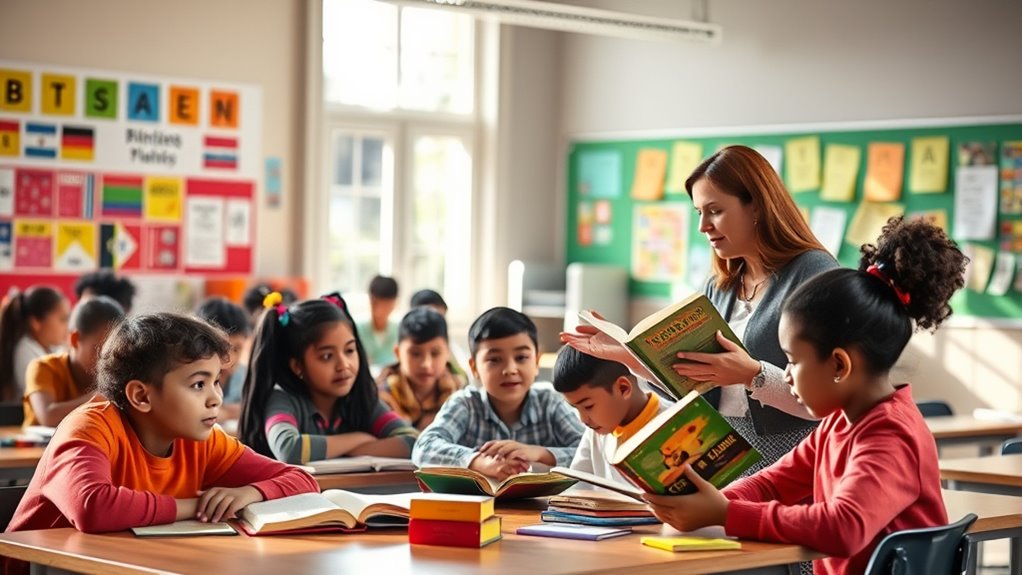
To guarantee the success of bilingual programs, educators must adopt strategies that foster both language development and cultural integration. You should design curricula that promote translanguaging, allowing students to use both languages fluidly for communication and learning. Incorporate structured biliteracy activities that build literacy skills in both languages simultaneously. Ascertain consistent support for students’ home languages, especially through long-term language development plans. Provide professional development for teachers to enhance their bilingual teaching skills and cultural awareness. Create an inclusive environment that values students’ linguistic backgrounds, reducing stigma and boosting confidence. Regular assessment and feedback help tailor instruction to meet diverse needs. Additionally, selecting developmentally appropriate and engaging educational materials, such as well-designed bilingual toys, can significantly enhance language acquisition and cultural understanding. By aligning these strategies, you’ll foster academic excellence, cultural appreciation, and bilingual proficiency among your students.
The Future of Bilingual Education in a Globalized World
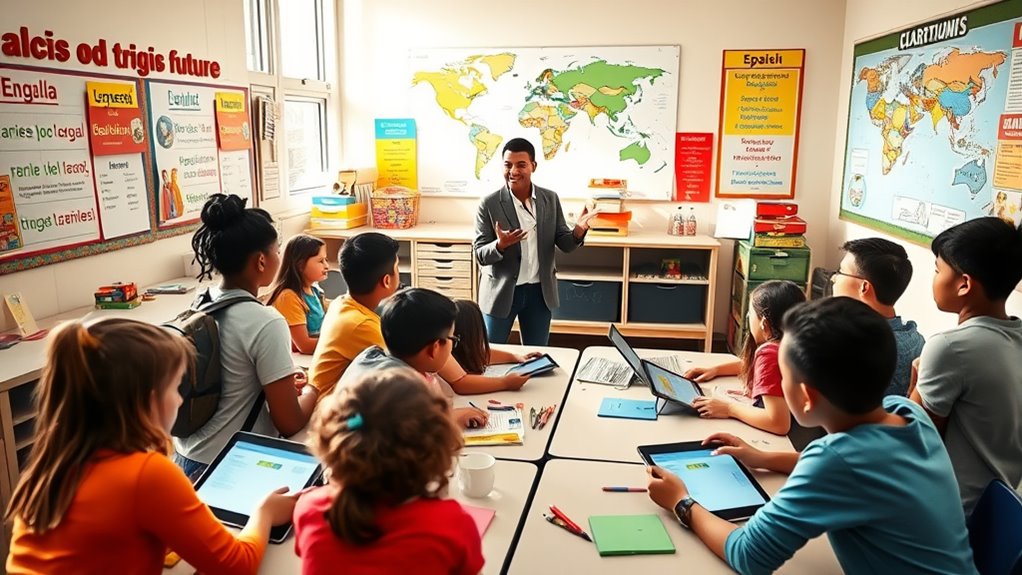
As the world becomes increasingly interconnected, the role of bilingual education is set to expand and evolve. You’ll see more programs designed to prepare students for global careers, emphasizing cultural competence alongside language skills. Technology will play a bigger role, offering innovative tools for immersive learning and cross-cultural collaboration. Policy shifts may promote bilingualism as essential for economic and social integration, encouraging governments and institutions to invest more in such programs. You can expect curricula to become more flexible, incorporating translanguaging and digital resources to meet diverse needs.
Bilingual education will expand globally, integrating technology, policy support, and intercultural skills for future-ready learners.
- Increased access to online bilingual resources and virtual exchanges
- Policies supporting heritage language preservation alongside new languages
- Greater emphasis on intercultural skills to thrive in global markets
Frequently Asked Questions
How Does Bilingual Education Influence Students’ Emotional Well-Being and Identity Development?
Bilingual education positively influences your emotional well-being by fostering a strong sense of identity and cultural pride. It helps you feel more confident, connected to your heritage, and respected by peers. By embracing both languages, you develop a deeper understanding of yourself and others, reducing feelings of exclusion. This supportive environment boosts your self-esteem and encourages you to express your authentic self, promoting overall emotional resilience and a positive sense of belonging.
What Role Do Parents and Communities Play in Supporting Bilingual Programs?
You’re the cornerstone of your child’s bilingual journey, acting as a cheerleader and advocate. By engaging with teachers, volunteering, and fostering a home environment that values both languages, you help create a supportive community. Your involvement encourages consistent language use, boosts confidence, and promotes cultural pride. When communities rally around bilingual programs, they build bridges that strengthen students’ identities and open doors to future opportunities.
How Can Schools Address Stigma Faced by Bilingual Students?
You can address stigma faced by bilingual students by fostering an inclusive school culture that celebrates linguistic diversity. Encourage staff training to raise awareness about cultural sensitivity and challenge biases. Promote positive representations of bilingualism through events and materials. Support students’ heritage languages and histories, and involve families in school activities. Creating a respectful environment helps students feel valued, boosting their confidence and reducing the negative perceptions associated with speaking multiple languages.
What Policies Are Needed to Ensure Equitable Funding for Bilingual Education?
Imagine you’re in a time machine, and your priority is equitable funding for bilingual education. You should advocate for policies that allocate dedicated resources, guarantee fair distribution based on student needs, and include bilingual program funding in state and federal budgets. You must push for accountability, ongoing professional development, and transparency. These policies help level the playing field, ensuring all bilingual students get the quality education they deserve and fostering a more inclusive learning environment.
How Can Teacher Training Be Improved for Effective Bilingual Instruction?
You can improve teacher training by providing ongoing professional development focused on bilingual pedagogy, cultural competence, and translanguaging strategies. Encourage collaboration among teachers to share best practices and address challenges. Incorporate practical training in assessment methods for bilingual students and guarantee educators understand both languages’ structures. Supporting teachers with resources and mentorship also boosts confidence and effectiveness, ultimately leading to better student outcomes in bilingual classrooms.
Conclusion
Embracing bilingual education is like planting a seed that grows into a vibrant tree, its roots reaching into diverse cultures and branches touching new opportunities. While challenges may arise like storms, your dedication helps the tree flourish, offering shade and fruit to future generations. By nurturing this bilingual journey, you become a lighthouse guiding others through the fog of uncertainty, illuminating a path toward a richer, more connected world where language is the bridge that unites us all.