
TL;DR

Get the little things that make your day delivered free with Prime
- Fast, free delivery on millions of items
- Prime Video, Amazon Music and more included
- Member-only deals all year
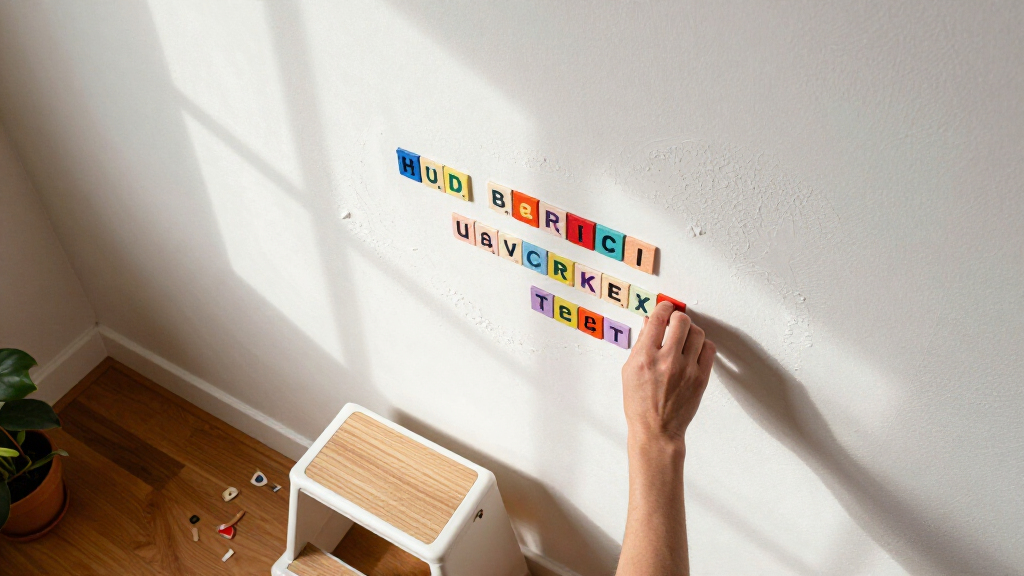
Motivational quote wall art pairs encouraging words with visual design, serving as decoration and a visible reminder rather than a guaranteed fix for motivation. Choose a short, relevant message, check that it reads clearly from where you will see it, match the material and size to the room, and verify usage rights before reproducing someone else’s words.
A beautifully framed sentence can catch your eye every morning; a generic slogan can disappear into the wallpaper by Friday. Motivational quote wall art works best when the words feel personal, the design reads easily, and the piece belongs in the room where you hang it.
These prints appear in homes, offices, classrooms, gyms, and creative spaces, where they can add color and offer a small prompt to pause or refocus. They are not magic switches for mood or productivity. This guide will help you choose a quote, size, material, and location that make sense for your space—and avoid the common trap of buying a pretty print you never really see.
You’ll also find practical advice on custom designs, shared spaces, and copyright. Think of the artwork as a bookmark in your day: it can point you toward an intention, while your actions and circumstances shape what happens next.
Choose words that feel relevant to the people who will see them; familiar slogans do not inspire everyone.
Check readability from the actual viewing distance, paying attention to phrase length, contrast, spacing, and glare.
Measure the wall and test the artwork’s footprint with paper before choosing a size.
Match the material to your budget, room, and plans to change or move the art.
Verify attribution, resolution, and reproduction rights before printing, sharing, or selling a custom design.
Choose a quote that sounds like you, not a poster
Motivational quote wall art is a piece of decorative art that pairs a short encouraging message with visual design. The most effective choice for your space is a message that feels relevant to the person who will see it, rather than a slogan selected only because it is popular.
That distinction matters because a line that helps one person feel steady may make someone else roll their eyes. You might love “Keep going” during a demanding training block, while your housemate finds it too vague to mean anything. A more personal line—perhaps a reminder to “Take the next small step”—can feel kinder and easier to connect with on a difficult morning.
Quote art also expresses taste. A literary line in a narrow serif font gives a study a different mood from chunky, hand-lettered words above a home gym. The message and its design work like two voices in the same conversation: when they disagree, the print can feel oddly flat.
Before you buy, ask who will see the art, what feeling or value you want it to reflect, and whether you would still like the words after reading them every day for a month. For a child’s room, choose wording that encourages effort without tying worth to achievement. In a shared office, a calm phrase may welcome more people than a slogan that implies hard work solves every personal problem.
A reminder can support a goal; it cannot replace a plan, practical support, or professional help.
As an affiliate, we earn on qualifying purchases.
Make the words readable before you fall for the design
Motivational quote wall art needs clear lettering, suitable contrast, and enough breathing room to read from the spot where you will see it. A beautiful script that looks crisp at arm’s length can turn into a tangle of loops across a room, especially when sunlight glints off glass.
Start with the viewing distance. If a print will sit beside your desk, smaller type may be perfectly comfortable; if it will hang across a classroom or above a gym entrance, choose fewer words and larger letters. High contrast helps: dark navy type on a warm cream background tends to read more easily than thin pale lettering on a similar shade.
Spacing matters too. Letters packed tightly together feel crowded, while generous margins let the phrase land. Consider a familiar situation: you print a long paragraph for a hallway, then discover guests only glance at it as they reach for their coats. A five-word phrase has a better chance of being read in that passing moment.
Recent broad design trends include minimalist typography, neutral palettes, oversized lettering, and text mixed with illustrations or abstract shapes. Those are style options, not rules or live sales rankings. Pick the look that suits your room, then check a digital preview at the intended print size; a file that looks sharp on a phone may not have enough resolution for a large poster.
- Short phrase: easier to catch at a glance.
- Strong contrast: helps the words stand out from the background.
- Matte finish: can reduce reflections in a bright room.
- Comfortable spacing: gives the design room to breathe.
As an affiliate, we earn on qualifying purchases.
Pick a wall that fits the message and the moment
Motivational quote wall art belongs where its message fits the room’s purpose and where people can notice it without interrupting what they are doing. A workout reminder may make sense near stored equipment; the same words might feel out of place above a quiet reading chair.
Look at the room through the eyes of someone using it. At a desk, a small print placed within your natural line of sight can offer a pause between tasks. In an entryway, a welcoming message may be seen on the way out, though a long paragraph could be missed as people search for keys and pull on shoes.
Shared spaces call for extra care. A manager may intend “No excuses” as energetic, but an employee dealing with illness or a family emergency could hear it as dismissive. In a classroom, a phrase that praises curiosity or practice can invite students in without implying that everyone has the same resources or pace.
Placement is also a design decision. A print above a sofa should relate to the furniture below it rather than float like a postage stamp on a wide wall. If you are unsure, tape paper cut to the proposed size onto the wall for a day; check it from the doorway, chair, and usual walking path. That simple test can save you from buying a piece that dominates the room or vanishes beside a bookcase.
For example, a remote worker might hang “One thing at a time” near a monitor, not directly behind it. The phrase stays visible during breaks without competing with the screen all day.
As an affiliate, we earn on qualifying purchases.
Match the print size and material to your wall
Motivational quote wall art looks intentional when its size and material suit both the wall and the way you use the room. A small poster can vanish above a wide couch, while an oversized canvas can make a compact nook feel crowded.
Measure the available wall area and nearby furniture before ordering. There is no single size that works everywhere: the key is whether the artwork feels balanced beside the objects around it and whether you can read the words from the intended spot. Try a paper template first. If your 30-centimeter-wide mock-up looks tiny above a long desk, you can adjust before paying for a frame.
Material changes the feel as well as the price. Framed prints are versatile and easy to replace later; canvas has a more substantial surface; posters can be an affordable way to experiment; decals apply directly to a wall but may be harder to move cleanly. Digital files offer flexibility, though print quality depends on image resolution and the paper or printer you choose.
Use this quick comparison before you buy:
| Format | Works well when | Check before buying |
|---|---|---|
| Framed print | You want a polished look and the option to change the art | Frame dimensions, glass glare, and mounting weight |
| Canvas | You want texture and a substantial display | Depth, edge design, and whether the quote remains readable |
| Poster | You want a lower-cost way to try a style | Paper thickness, finish, and frame availability |
| Decal | You want lettering applied directly to a suitable wall | Surface compatibility and removal instructions |
| Digital file | You want to choose your own paper and size | Resolution, permitted use, and printer requirements |
Keep paper away from damp bathrooms and prolonged direct sunlight, which can affect its appearance. Follow the maker’s hanging guidance and choose hardware that matches the artwork’s weight and your wall type.
As an affiliate, we earn on qualifying purchases.
Create custom art without stumbling over copyright
Custom motivational quote wall art lets you tailor the wording, colors, names, or dates to the people and room it is meant for. Personal details can turn a familiar reminder into something with a story, such as a line from a family member beside a photograph from a shared hiking trip.
You can ask a seller about customization or design a print using a tool you know. Keep the text short enough to read, then check the final file at the size you plan to print. A design that looks sharp on a laptop screen may turn soft or pixelated when enlarged, so review the file’s resolution and the printer’s recommendations before ordering.
Give attribution and usage rights a moment of attention. Finding a quote online does not automatically give you permission to print and sell it, and adding the author’s name is not the same as getting a license. Short phrases are not automatically free to reproduce either. If you are making art for sale, an office campaign, or social media promotion, check the source and applicable rights or choose original wording.
For example, you might create a personal print with a date and a phrase you wrote yourself. That avoids guessing whether an unfamiliar quotation is correctly attributed, and the wording can sound more like your household than a mass-produced design. If you choose a famous line instead, verify both the attribution and the intended use before publishing or selling the design.
A motivational quote wall can be part of a larger display, too. Pairing one brief message with family photos, a calendar, or small illustrations often feels more personal than covering the entire wall in slogans. One strong sentence can hold its place without shouting.
Use quote art as a prompt, not a promise
Motivational quote wall art can act as a visible cue to pause, remember an intention, or begin a small task, but its effect differs from person to person and situation to situation. A print cannot guarantee a change in mood, behavior, or results, and it should not be presented as a substitute for practical support or professional care.
One useful way to think about a quote is as a doorbell, not the person who answers the door. The words can prompt you to act, but you still need a next step. If your print says “Write the first sentence,” the action might be opening a document and working for ten minutes. If the message is “Move gently,” the next step could be a short walk, if that suits your health and circumstances.
This practical pairing can make the artwork feel less like an empty command. Put a study reminder beside the notebook you use, or hang a running quote near your shoes. In each case, the message sits near an action you can actually take. If the words start to feel pressuring or irrelevant, change the print; a reminder should serve the person, not the other way around.
When a loved one is struggling, avoid assuming that a cheerful wall slogan will solve what they face. A kind message may offer comfort, but listening, practical help, and appropriate professional support matter too. In a workplace, avoid using inspirational slogans to dismiss concerns about workload, safety, or access to support.
Let the art point toward a doable action, not promise an outcome it cannot control.
Frequently Asked Questions
What makes motivational quote wall art effective?
It pairs a readable message that feels relevant to the viewer with a design and location that suit the room. A short phrase above a desk, for example, is easier to notice than a dense paragraph tucked behind a monitor.
Where should I hang motivational quote art?
Choose a spot where the message fits the room’s purpose and can be seen without getting in the way. A study area, desk wall, entryway, or workout space may work, depending on who uses it and what the phrase says.
What size quote print should I choose?
Measure the wall and nearby furniture, then think about how far away you will read the print. A small piece can disappear above a broad sofa, while a large design may overwhelm a narrow nook; a paper template helps you test the balance before ordering.
Which is better: a poster, framed print, canvas, or decal?
It depends on your budget, preferred look, wall surface, and whether you want to change the art later. Framed prints are versatile, canvas feels substantial, posters can be a low-cost option, and decals put the design directly on the wall.
Can I print any quote I find online?
No. Online availability and attribution do not automatically grant permission to reproduce a quotation, especially for commercial products or promotional use. Check the source and licensing terms, or use original wording you have permission to publish.
Conclusion
Choose one message you genuinely want to see, test its size on the wall, and make sure you can read it from where your day actually happens. The right print is not a promise that life will feel easy; it is a small, visible reminder of a value or next step you chose for yourself.
Hang it where it can meet your eyes without demanding them. Let the words be a quiet note in the room, like a lamp left on beside the path.
NFL season / tailgating Picks
team gear
As an affiliate, we earn on qualifying purchases.