
TL;DR
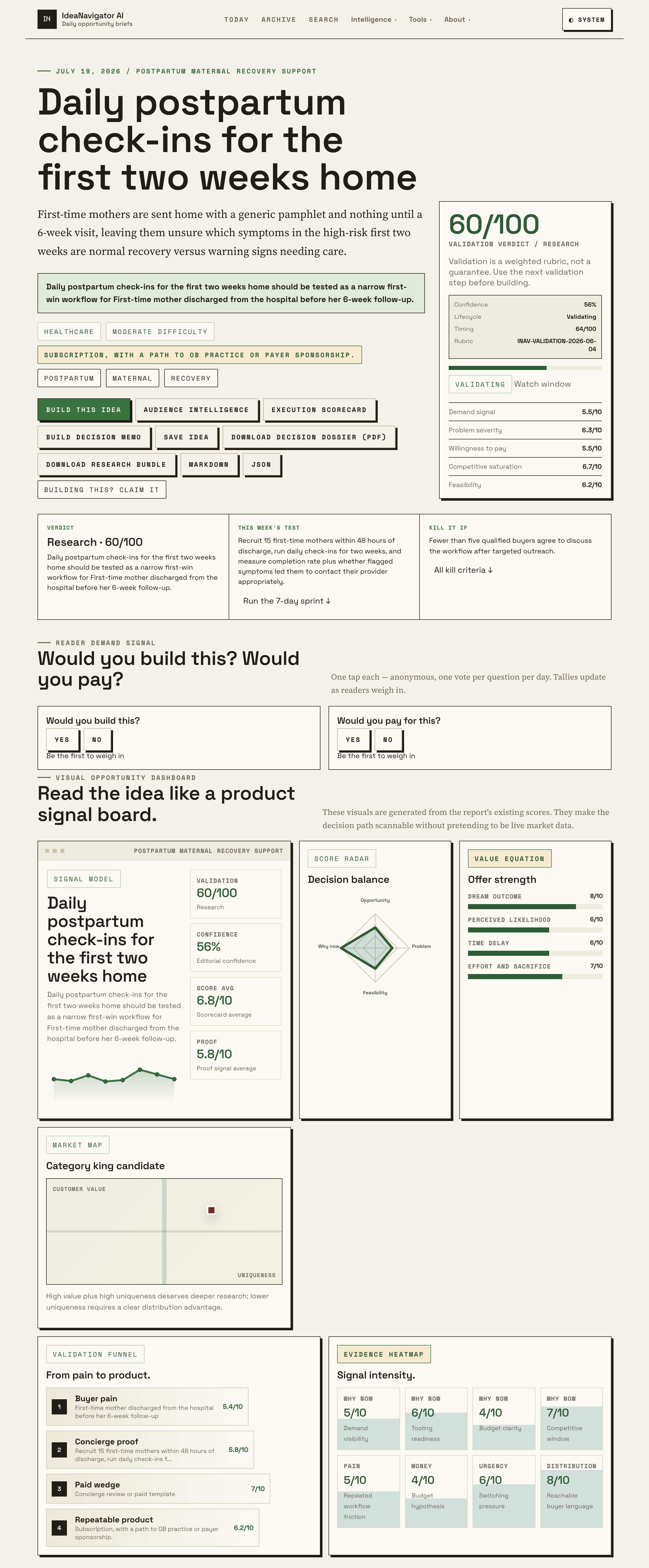
Daily postpartum check-ins for first-time mothers during the first two weeks after hospital discharge are being tested as a way to improve recovery and identify warning signs early. This approach aims to address the postpartum care gap left by standard protocols, with promising initial validation plans.
New postpartum monitoring protocols for first-time mothers discharged early are being tested to provide daily check-ins during the critical first two weeks after birth. This approach aims to close the postpartum care gap, which currently leaves many new mothers without personalized support until their six-week follow-up, often leading to delayed recognition of complications.
The initiative involves recruiting 15 first-time mothers within 48 hours of hospital discharge to participate in a two-week daily check-in program. These check-ins are designed to gather information on recovery progress, mental health, and feeding, and to surface symptoms that may require medical attention. The program uses a smartphone-based platform to deliver tailored advice and prompt contact with healthcare providers when necessary, based on individual recovery profiles.
According to an anonymous researcher involved in the project, the goal is to validate whether daily check-ins increase appropriate healthcare contact, improve recovery outcomes, and reduce postpartum complications. The program also aims to develop a scalable model that can be adopted broadly, potentially through OB practices or insurance payers.
Potential Impact of Daily Postpartum Monitoring
This initiative could transform postpartum care by providing continuous, personalized support during the most vulnerable period after childbirth. It addresses a well-documented gap in current practices, where many mothers are discharged with minimal follow-up until their six-week appointment, despite the first two weeks being the highest risk for complications such as infections, hemorrhage, or mental health issues.
Experts emphasize that early detection of warning signs can prevent severe outcomes, reduce hospital readmissions, and improve maternal mental health. If successful, this model could lead to widespread adoption, ultimately improving maternal health outcomes and reducing healthcare costs associated with postpartum complications.
As an affiliate, we earn on qualifying purchases.
Current Postpartum Care Practices and Challenges
Standard postpartum care typically involves a hospital stay of 24 to 48 hours, followed by a single check-up around six weeks after delivery. During this period, new mothers often receive only a generic pamphlet outlining warning signs and care tips, with no structured follow-up during the high-risk initial two weeks.
Recent maternal health campaigns have spotlighted the postpartum gap, emphasizing that many complications occur early and go unnoticed due to lack of ongoing support. The rise of smartphone technology offers an opportunity to deliver daily, personalized check-ins, which could fill this critical care void and improve early detection of issues.
“Implementing daily check-ins could significantly improve early detection of postpartum complications and mental health issues, ultimately saving lives and reducing hospital readmissions.”
— an anonymous researcher
As an affiliate, we earn on qualifying purchases.
Unanswered Questions About Effectiveness and Scalability
It is not yet clear how effective the pilot will be in increasing appropriate healthcare contact or improving recovery outcomes. The sample size is small, and results are still being gathered. Additionally, questions remain about the feasibility of scaling this approach broadly, including costs, user engagement, and integration into existing healthcare systems.
postpartum mental health support apps
As an affiliate, we earn on qualifying purchases.
As an affiliate, we earn on qualifying purchases.
Next Steps in Validation and Broader Implementation
The ongoing pilot will measure completion rates, symptom reporting accuracy, and whether flagged symptoms prompted appropriate medical contact. If initial results are promising, researchers plan to expand the program, recruit additional participants, and explore integration with OB practices and insurance plans to facilitate wider adoption.
As an affiliate, we earn on qualifying purchases.
Key Questions
How does daily postpartum monitoring improve outcomes?
It allows for early detection of complications and mental health issues, enabling timely intervention that can prevent severe health problems and hospital readmissions.
Who is eligible for this monitoring program?
First-time mothers discharged from the hospital within 48 hours of delivery and before their six-week follow-up are eligible to participate in the pilot.
Will this monitoring replace in-person visits?
No, it is designed to supplement existing care by providing daily support and early warning detection, not replace scheduled in-person follow-ups.
How is the program delivered?
Through a smartphone-based platform that conducts daily check-ins, gathers recovery data, and prompts contact with healthcare providers if necessary.
What are the costs involved?
Costs are still being evaluated; the program is being tested as a subscription service with potential sponsorship through OB practices or insurance plans.
Source: IdeaNavigator AI