
📊 Full opportunity report: Vertigo relief app on IdeaNavigator AI — validation score, market gap, and execution plan.
TL;DR
A vertigo relief app targeting adults with BPPV is in early testing phases. It offers guided repositioning maneuvers, symptom tracking, and is aimed at both consumers and clinics. Validation and pilot programs are next steps.
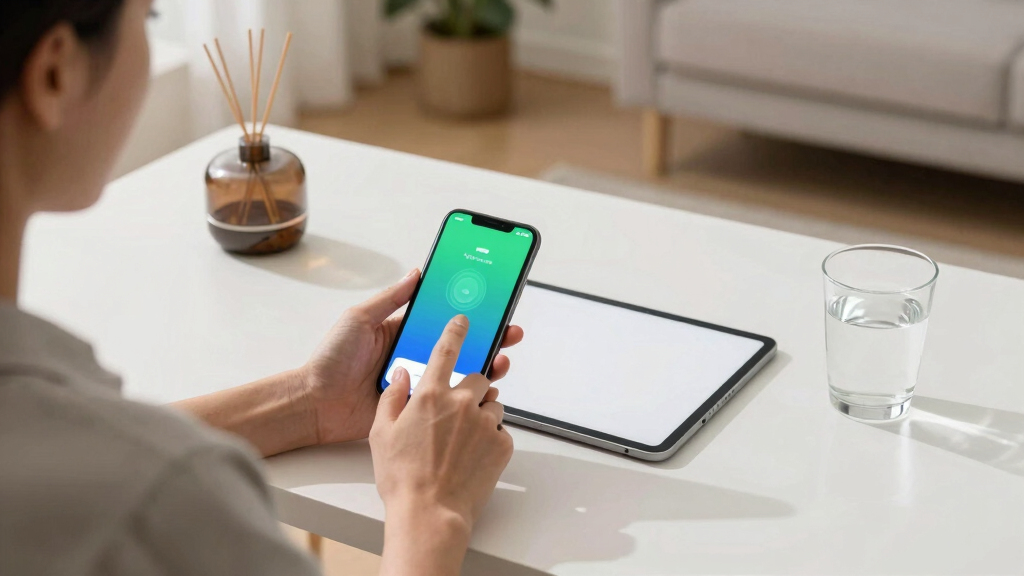
A new vertigo relief app is in early testing, aiming to help adults with recurrent benign paroxysmal positional vertigo (BPPV) perform repositioning maneuvers correctly at home. The app is designed for potential recommendation by ENT clinics, audiologists, and vestibular physiotherapists, and could serve as a digital tool to reduce recurrence and improve patient self-management.
The app’s development focuses on guiding users through maneuvers like the Epley and Brandt-Daroff with animated instructions, audio cues, and real-time gyroscope feedback to ensure correct head positioning. It also features symptom logging, episode tracking, and recurrence coaching. The initial target audience includes adults, particularly women and older individuals, who suffer from recurrent BPPV.
This project is motivated by the increased adoption of telehealth during the COVID-19 pandemic, the widespread availability of smartphone sensors capable of accurate motion detection, and a growing market for digital vestibular rehabilitation, estimated at nearly USD 498 million in 2024. The developers plan to validate the app through a combination of landing page signups, user testing of the maneuver guidance, and pilot programs with ENT and audiology clinics.
Potential Impact on Vertigo Self-Management
If successfully validated, the app could significantly improve self-treatment outcomes for BPPV sufferers, reducing the need for frequent clinic visits and decreasing relapse rates, which occur in about half of cases. It may also facilitate broader adoption of digital therapeutics in vestibular care, expanding access to effective management tools for patients who face long wait times or limited specialist availability.

FHUILIJH Right,20cm, Semicircular Canal Model – Otolitosis Teaching Model – Cochlear Vestibular Rehabilitation Model for Study Visualization Didactic Tool
- Model Type: Semicircular canal teaching model
- Design: Transparent, hollow, easy to observe
- Detachable Parts: Flexible, removable otolith particles
As an affiliate, we earn on qualifying purchases.
As an affiliate, we earn on qualifying purchases.
Growing Demand for Digital Vestibular Therapies
The market for digital vestibular rehabilitation tools has been expanding rapidly, driven by increased telehealth adoption and technological advances in smartphone sensors. Prior to this development, patients often relied on static diagrams or in-person visits to learn repositioning maneuvers, which can be challenging and prone to error. The COVID-19 pandemic accelerated interest in remote care solutions, creating a favorable environment for apps that support home-based management of vestibular disorders.
Current offerings are limited, and clinicians have expressed interest in digital tools that can supplement in-clinic therapy, especially for recurrent cases where ongoing management is necessary. The proposed app aims to fill this gap by providing guided, real-time feedback and symptom tracking.
“Leveraging smartphone gyroscope sensors to guide repositioning maneuvers could transform how patients manage BPPV at home.”
— an anonymous researcher

DizzyFIX Vertigo Relief Trainer for Benign Paroxysmal Positional Vertigo or BPPV, Inner Ear Balance Device for Particle Repositioning Maneuver, Non-Drug Solution & Relieves Dizziness
- Regains Inner Ear Balance: Helps reduce dizziness from BPPV
- Non-Invasive & Drug-Free: Safe, cost-effective vertigo relief
- Portable & Lightweight: Use at home, work, or travel
As an affiliate, we earn on qualifying purchases.
As an affiliate, we earn on qualifying purchases.
Uncertainties About Clinical Validation and Adoption
It remains unclear how effectively the app will perform in real-world settings, including its accuracy in guiding maneuvers and its acceptance among clinicians and patients. The development team plans pilot testing, but results are not yet available, and regulatory or reimbursement pathways are still being clarified.

Vertigo & Dizziness Tracker Logbook: Daily Symptom Journal to Track Triggers, Medications, Appointments, Recovery Progress, Balance Issues & Wellness Patterns
As an affiliate, we earn on qualifying purchases.
As an affiliate, we earn on qualifying purchases.
Next Steps Include Pilot Testing and Market Validation
The developers will launch pilot programs with ENT and audiology clinics to assess usability, safety, and effectiveness. They also plan to refine the app based on user feedback, build a marketing strategy, and seek regulatory clearance or approval. Broader commercialization could follow if validation proves successful.

Olea Cura Nausea Relief Inhaler & Roll-On for Motion Sickness, 2-in-1 Nausea & Vertigo | Fast-Acting Relief, Drug-Free, Non-Drowsy, All Natural, Travel Size – 5 mL
- Dual-Action Design: Nasal inhaler and essential oil rollerball
- Travel-Friendly: Supports motion sickness on the go
- Fast-Acting Relief: Provides quick, non-drowsy comfort
As an affiliate, we earn on qualifying purchases.
As an affiliate, we earn on qualifying purchases.
Key Questions
How does the app guide users through repositioning maneuvers?
The app provides animated step-by-step instructions, audio cues, and real-time gyroscope feedback to ensure proper head positioning during maneuvers like the Epley and Brandt-Daroff.
Can this app replace in-person treatment for BPPV?
No, the app is designed as a supplementary tool to support self-management and should be used alongside medical advice. It includes disclaimers and prompts to consult a clinician if symptoms worsen or red-flag signs appear.
What features will the app include?
Initially, it will include guided repositioning exercises, symptom and episode logging, recurrence coaching, and basic progress tracking. Advanced features like history export and reminders may be added later.
When will the app be available to the public?
The app is currently in early testing and pilot phases. A wider release depends on validation results and regulatory processes, with no specific launch date announced yet.
Will clinics be able to recommend or white-label the app?
Yes, one of the planned models is for ENT, audiology, and vestibular physiotherapy practices to license or white-label the app for patient use between visits.
Source: IdeaNavigator AI