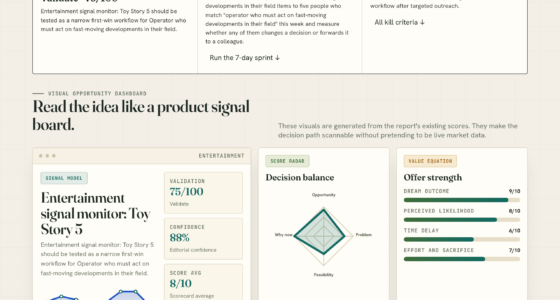

📊 Full opportunity report: The bridge. Why the AI buildout runs on a nuclear story and a gas reality. on ThorstenMeyerAI.com — validation score, market gap, and execution plan.
TL;DR
AI hyperscalers are investing in nuclear power for the future, but currently rely on natural gas for immediate energy needs. The nuclear buildout is long-term, while gas fills the short-term gap, raising questions about emissions and infrastructure timelines.
Major AI hyperscalers are heavily investing in nuclear power projects, but the energy powering their data centers today is predominantly supplied by natural gas, highlighting a significant timeline gap in the industry’s clean energy ambitions.
While companies like Meta, Microsoft, Google, and Amazon have signed nuclear deals for up to 6.6 gigawatts of capacity, most of this nuclear power is not expected to be operational until the late 2020s or early 2030s. In the meantime, the immediate energy needs of data centers are being met by behind-the-meter natural gas generation, including turbines, reciprocating engines, and fuel cells, with over 40 gigawatts of such capacity announced.
This discrepancy stems from the lengthy timelines associated with grid interconnection, which can take three to seven years in the US and up to thirteen in parts of Europe, combined with the 18-24 month construction period for data centers. As a result, gas turbines are filling the energy gap, effectively becoming the ‘bridge’ powering AI infrastructure while nuclear capacity is still in development.
Industry sources confirm that the nuclear procurement rush is driven by a desire for long-term, firm, carbon-free baseload power, but the actual energy being built and used today is fossil-based. This creates a divergence between the narrative of a green energy future and the fossil fuel reality of current infrastructure.
The bridge.
Why the AI buildout runs
on a nuclear story and
a gas reality.
to early 2026 · the real rush
2027-2035, grid 3-7 years
generation · near-term mostly gas
(~10M cars) · Cornell analysis
- A data center is built in under two years
- Data center electricity use +17% in 2025, doubling by 2030
- Gartner: 40% of AI data centers electricity-constrained by 2027
- Three Mile Island ~2027 · Oklo ~2030 · Kairos 2030-2035
- No commercial SMR yet operates in the US
- Grid interconnection 3-7 years (up to 13 in Europe)
early 2030s
· mostly gas
The industry leads with the nuclear it has bought for the end of the decade and builds the gas it needs for now — and sites that gas behind the meter where it moves fastest and shows least. The behind-the-meter siting is the tell that the bridge will be here longer than the word implies.Thorsten Meyer · The Bridge · AI Energy 03
Implications of the Nuclear-Gas Timeline Mismatch
This timeline mismatch impacts both the environmental and strategic positioning of AI companies. The reliance on gas increases near-term emissions, potentially undermining the industry’s clean energy commitments. It also raises questions about the effectiveness of current infrastructure planning and whether the nuclear promises will materialize on time to meet climate goals. The divergence underscores that the industry’s green narrative is a long-term vision, while its immediate operational reality depends on fossil fuels.
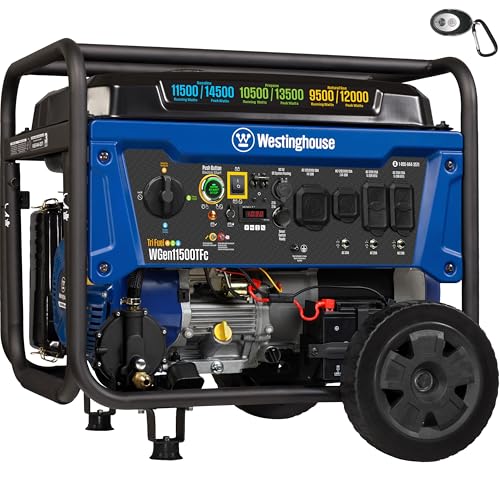
Westinghouse 14500 Peak Watt Tri-Fuel Home Backup Portable Generator, Remote Electric Start, Transfer Switch Ready, Gas, Propane, and Natural Gas Powered
Perfect as a backup power source for larger homes or a dependable source of portable power
As an affiliate, we earn on qualifying purchases.
As an affiliate, we earn on qualifying purchases.
Background on Nuclear and Gas Buildout for AI Data Centers
In recent years, hyperscalers have signed multiple nuclear power agreements, including Meta’s three deals totaling up to 6.6 GW and Google’s first corporate SMR agreement. These deals aim to secure long-term, reliable, low-carbon energy sources, with capacity expected to come online between 2030 and 2035. However, actual nuclear projects, such as Microsoft’s Three Mile Island restart and Oklo’s SMR campus, face significant delays and uncertain timelines, with capacity arriving well after current data center energy needs.
Meanwhile, the immediate energy demand of AI infrastructure is being met through behind-the-meter gas generation, which is easier to deploy quickly and bypasses grid interconnection delays. Industry estimates show that over 40 GW of such gas-based capacity is either announced or in development, primarily using turbines and reciprocating engines.
“The nuclear deals are real and long-term, but the capacity won’t arrive on the schedule the AI industry needs, so gas is filling the immediate gap.”
— Thorsten Meyer

Clean Disruption of Energy and Transportation: How Silicon Valley Will Make Oil, Nuclear, Natural Gas, Coal, Electric Utilities and Conventional Cars Obsolete by 2030
As an affiliate, we earn on qualifying purchases.
As an affiliate, we earn on qualifying purchases.
Uncertainties Surrounding Nuclear Deployment Timelines
It remains unclear whether SMRs will meet their scheduled commercial deployment timelines. No operational SMRs currently exist in the US, and past nuclear projects, like Vogtle, have experienced significant delays and cost overruns. The extent to which nuclear capacity will arrive on time to replace or supplement gas remains uncertain, making the future of the energy bridge unpredictable.
off-grid natural gas turbines
As an affiliate, we earn on qualifying purchases.
As an affiliate, we earn on qualifying purchases.
Next Steps in Industry’s Energy Transition Timeline
Key developments to watch include the progress of SMR commercialization, with updates expected over the next 2-3 years. Additionally, infrastructure projects for grid interconnection and new gas capacity will continue, shaping whether the gas bridge remains temporary or becomes a permanent feature of the AI energy landscape. Industry stakeholders will also assess the environmental impact of current gas reliance versus long-term nuclear goals.

Decentralized Energy Systems: A Global Climate Solutions Technology Explainer on How Renewable Energy, Microgrids, and Energy Storage Enable Climate Resilience and Energy Access
As an affiliate, we earn on qualifying purchases.
As an affiliate, we earn on qualifying purchases.
Key Questions
Why are AI companies investing in nuclear power?
They seek long-term, reliable, and low-carbon baseload energy to meet future demand and support their sustainability commitments.
How long will the gas bridge last?
The gas infrastructure is currently filling the gap until nuclear capacity is available, which could be several years. Its duration depends on nuclear project timelines and future policy or technological developments.
Are SMRs commercially available now?
No, small modular reactors are not yet commercially operational in the US, and their deployment has been delayed multiple times.
What are the environmental implications of this reliance on gas?
Using natural gas increases short-term carbon emissions, potentially conflicting with climate goals, until nuclear or other clean energy sources become available.
Source: ThorstenMeyerAI.com